Across the reviews there is a consistent portrayal of caring, personable front-line staff and a small-community atmosphere that many families find reassuring. Memory-care environments are frequently singled out as strengths: compact units, favorable nurse-to-resident ratios, proactive nursing leadership (including attending physicians and advanced practice providers), and engaging, individualized programming. Several reviews highlight effective therapy teams, on-site hospice availability, and smooth transitions when the clinical team is engaged.
Dining and activities are prominent positive factors for many residents. Numerous accounts praise chef-driven meals, memorable desserts, and a broad calendar of social and recreational options—bingo, book club, live music, theater, outings, and themed socials—that support resident engagement. At the same time, dining quality is described as uneven: while some residents experience excellent meals and flexible choices, others report limited menu options, smaller portions, or a decline in food quality at times.
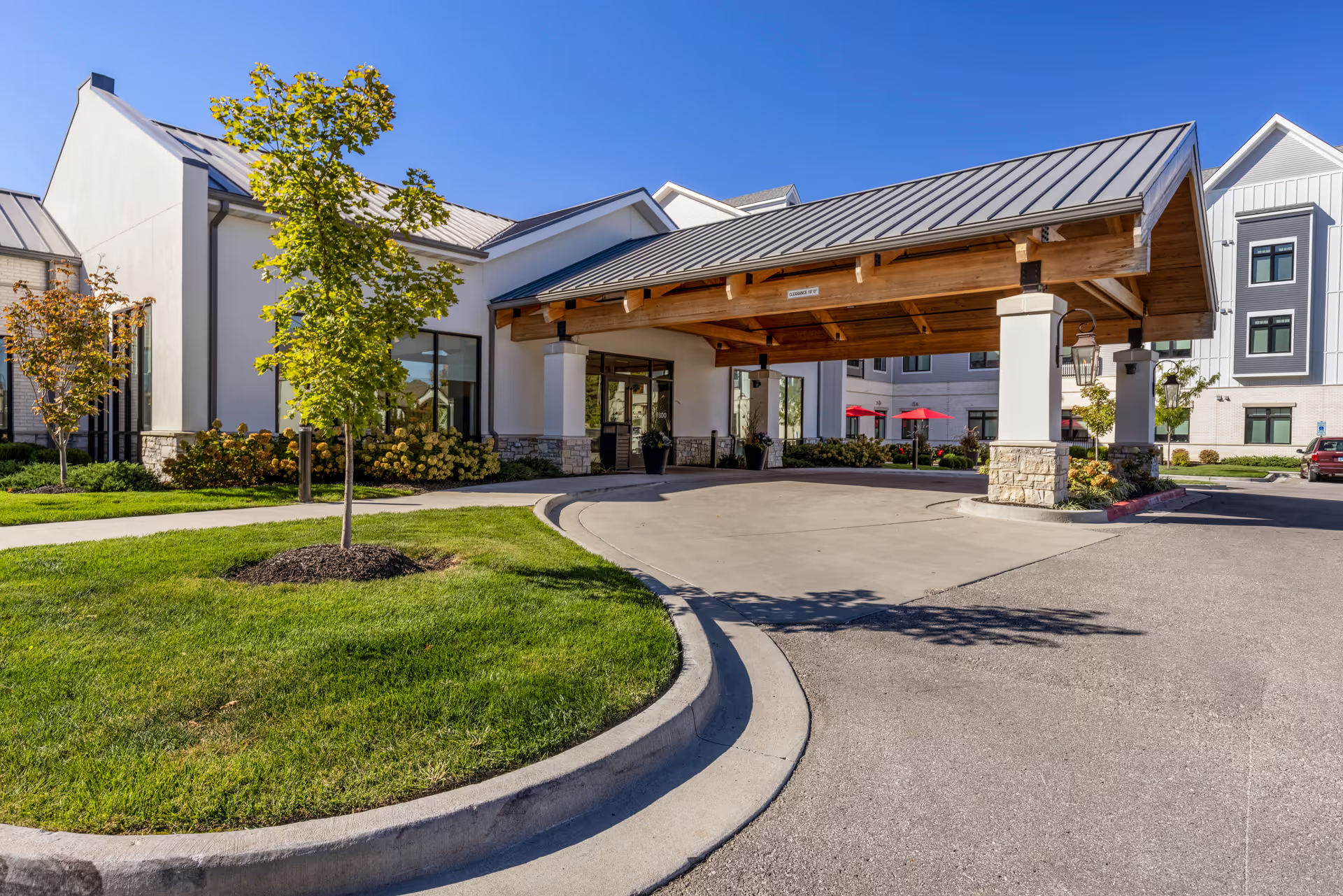
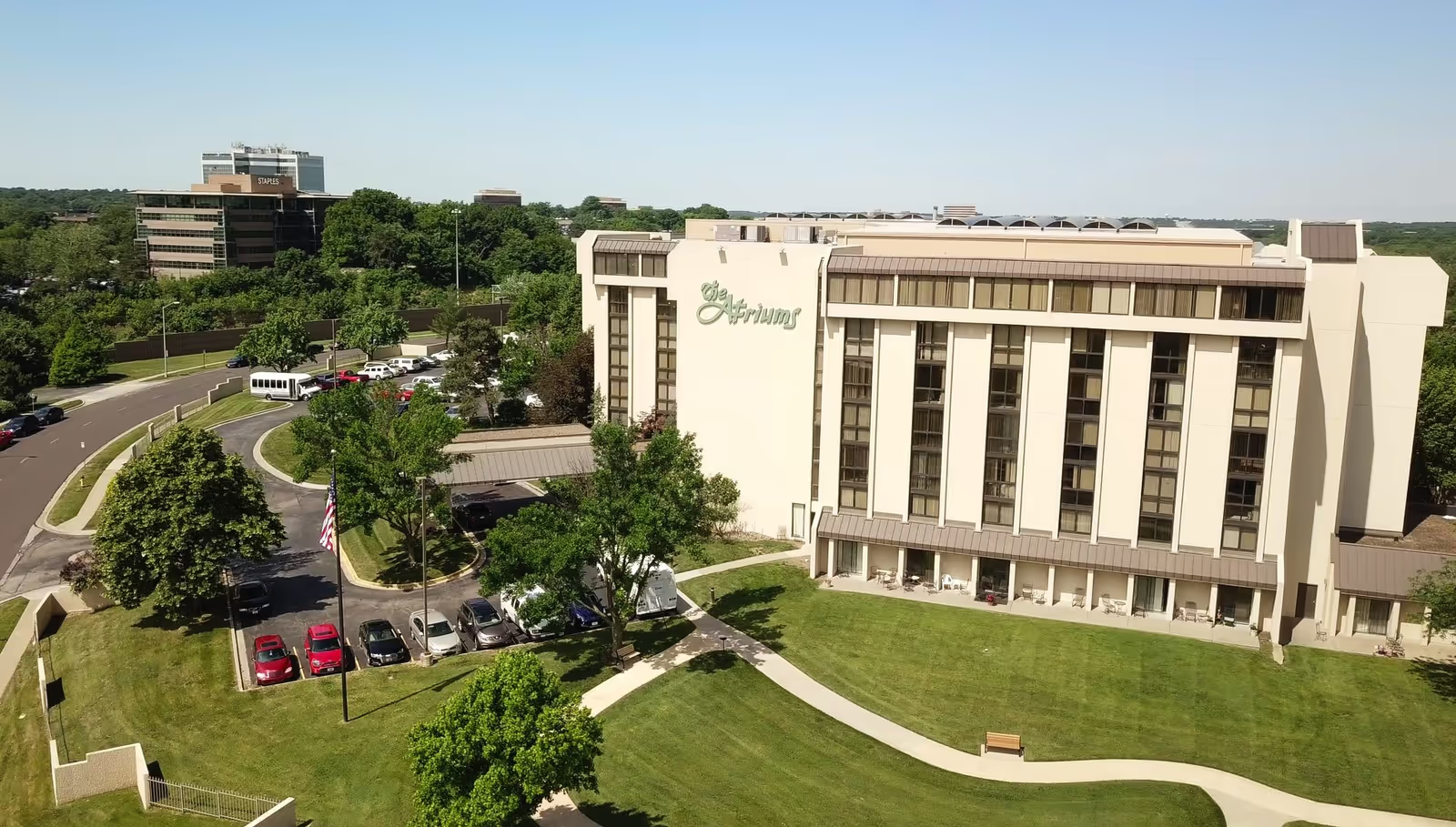
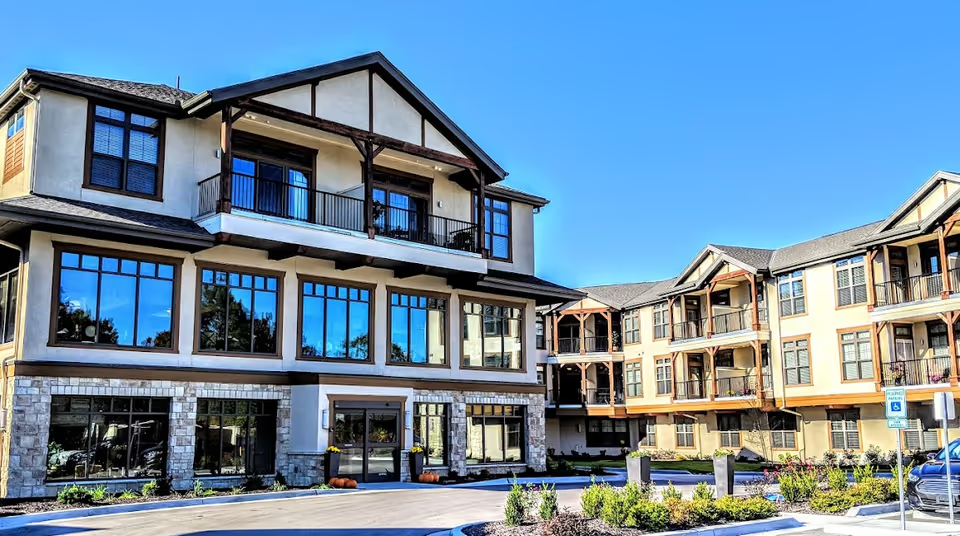
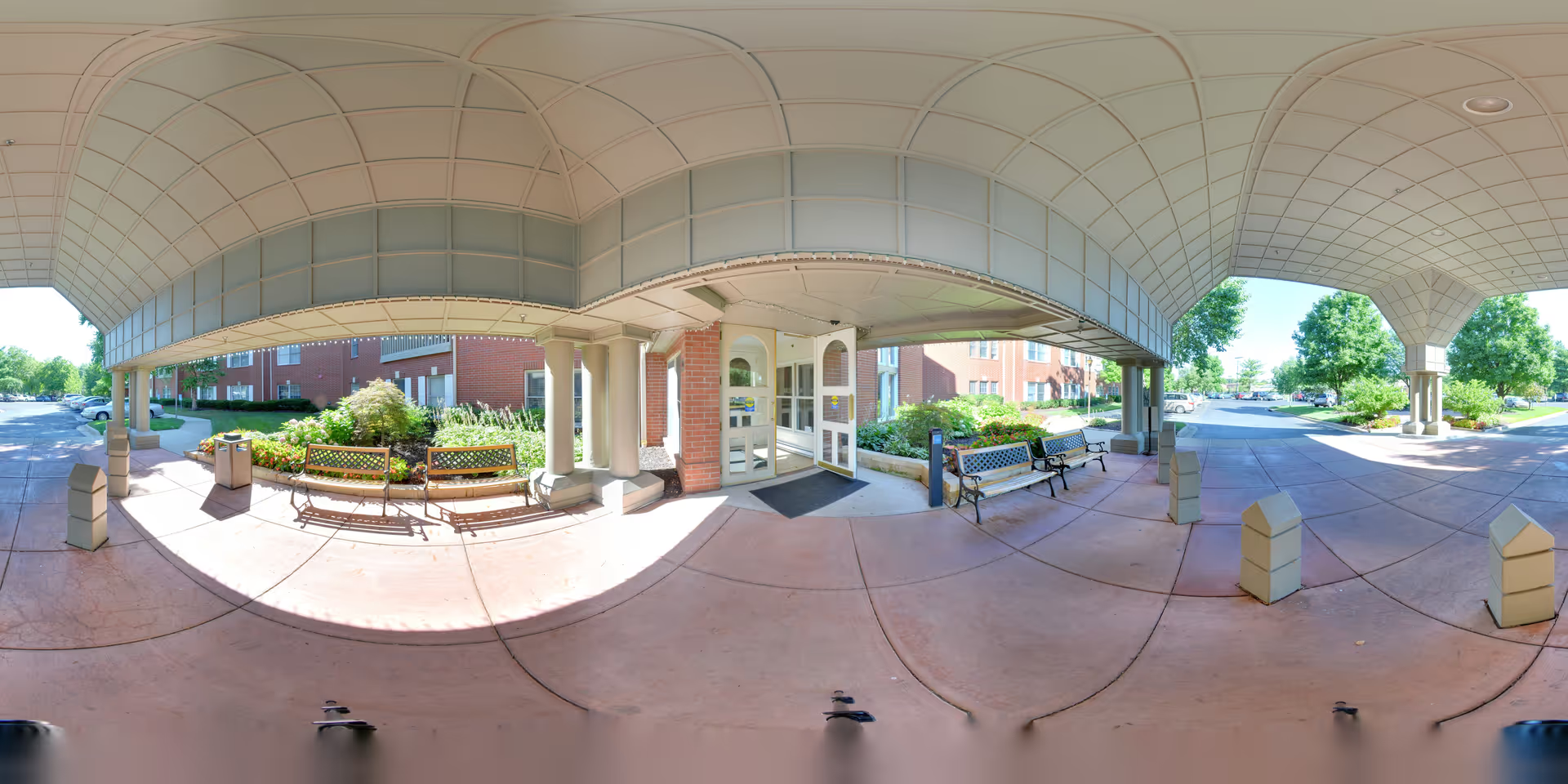
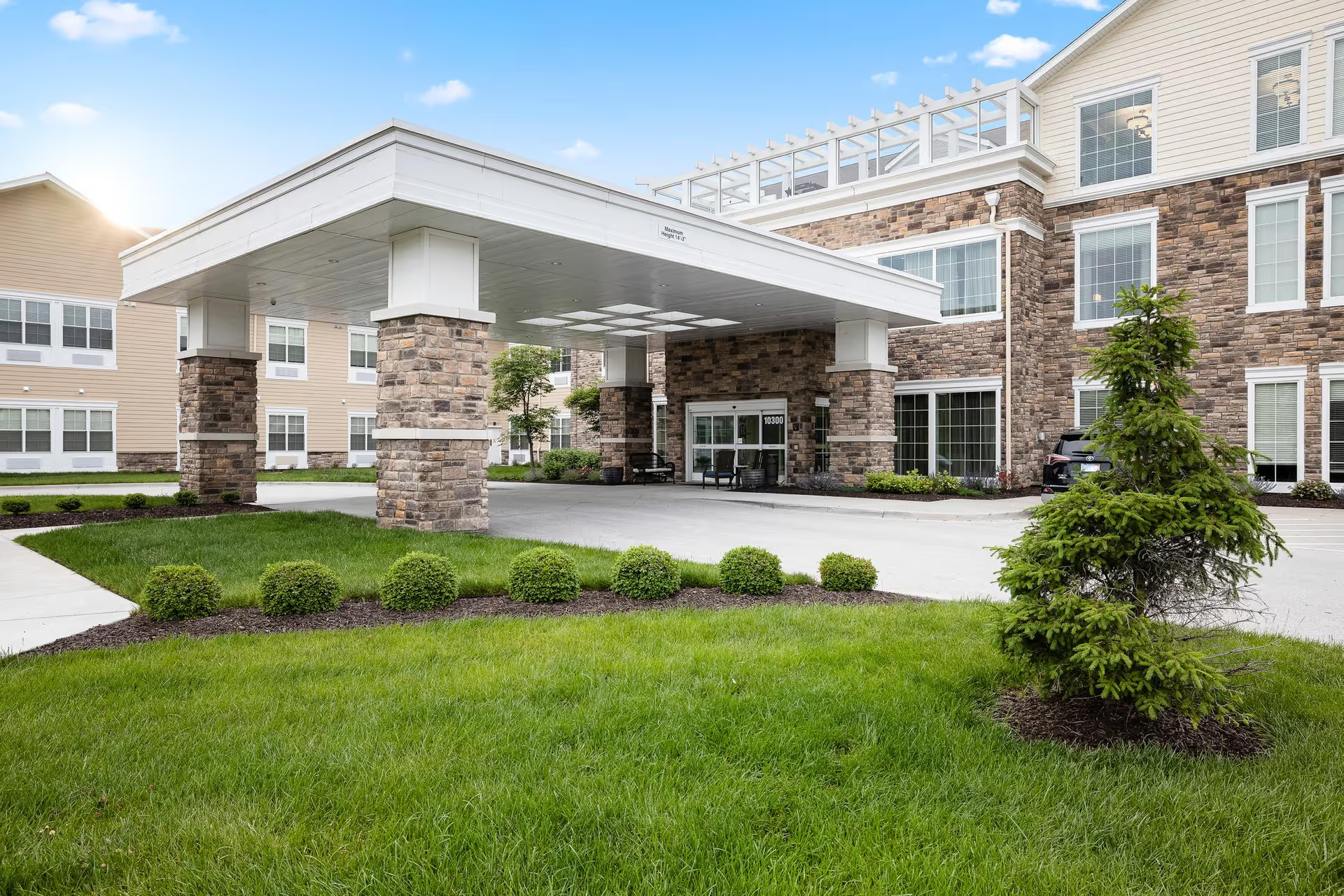
Facility attributes are often favorable: newer, bright, hotel‑like apartments; multiple floor plans; clean common areas; and on-site amenities such as a salon, gym/therapy space, and theater. The community’s attached skilled-nursing or memory-care services are seen as a benefit for aging in place. However, reviewers also describe localized facility issues — variable housekeeping and sanitation within some apartments, occasional odor concerns in specific spaces, and delays in maintenance responses that affect resident convenience and sightlines in apartments.
Operationally, a clear pattern emerges around staffing and leadership stability. While many staff members are described as attentive and familiar with residents, there are recurring concerns about inconsistent staffing levels, particularly on weekends and during overnight shifts, and frequent turnover among executive and nursing leadership. Those staffing inconsistencies are linked to slower response times for assistance, gaps in weekend activity and clinical coverage, and uneven supervision. Communication and administrative processes receive mixed marks: some families report helpful admissions and insurance coordination, while others describe dropped follow-through after contracts are signed, billing irregularities, and disorganized recruitment or background-check processes.
Safety- and policy-related themes appear in several reviews. Families described strict infection-control visitation limits during COVID and an overall need to clarify visitation and end-of-life access policies. Concerns about incontinence-care management and the firmness of policy enforcement were raised in ways that suggest the facility’s approach can feel punitive or inconsistent to families. A few serious individual incidents are noted in the reviews; these tend to amplify worries about responsiveness and clinical-incident communication rather than represent a uniform experience across the community.
For prospective residents or family decision-makers, the reviews point to a facility with many strong attributes—compassionate caregivers, robust memory-care staffing, plentiful activities, and attractive living spaces—offset by operational weaknesses that can affect day-to-day consistency. During a visit it is reasonable to probe staffing patterns (including weekend and overnight coverage), turnover rates for leadership and nursing, processes for maintenance and housekeeping requests, dining-service continuity, billing transparency, visitation and end-of-life policies, and how the community documents and communicates clinical incidents. These targeted questions will help determine whether the facility’s strong areas align with a particular resident’s needs and whether the operational gaps are being actively managed.