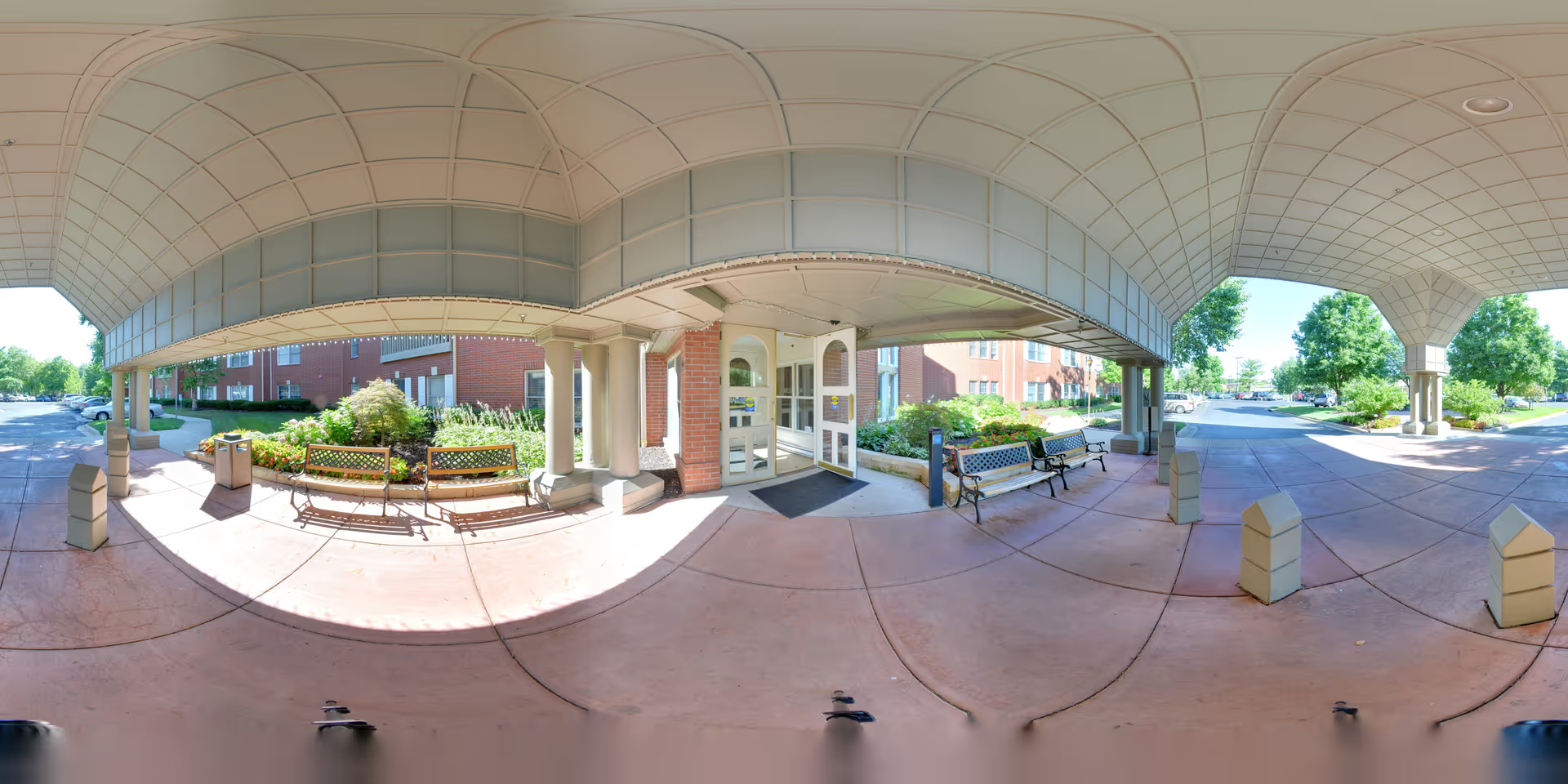
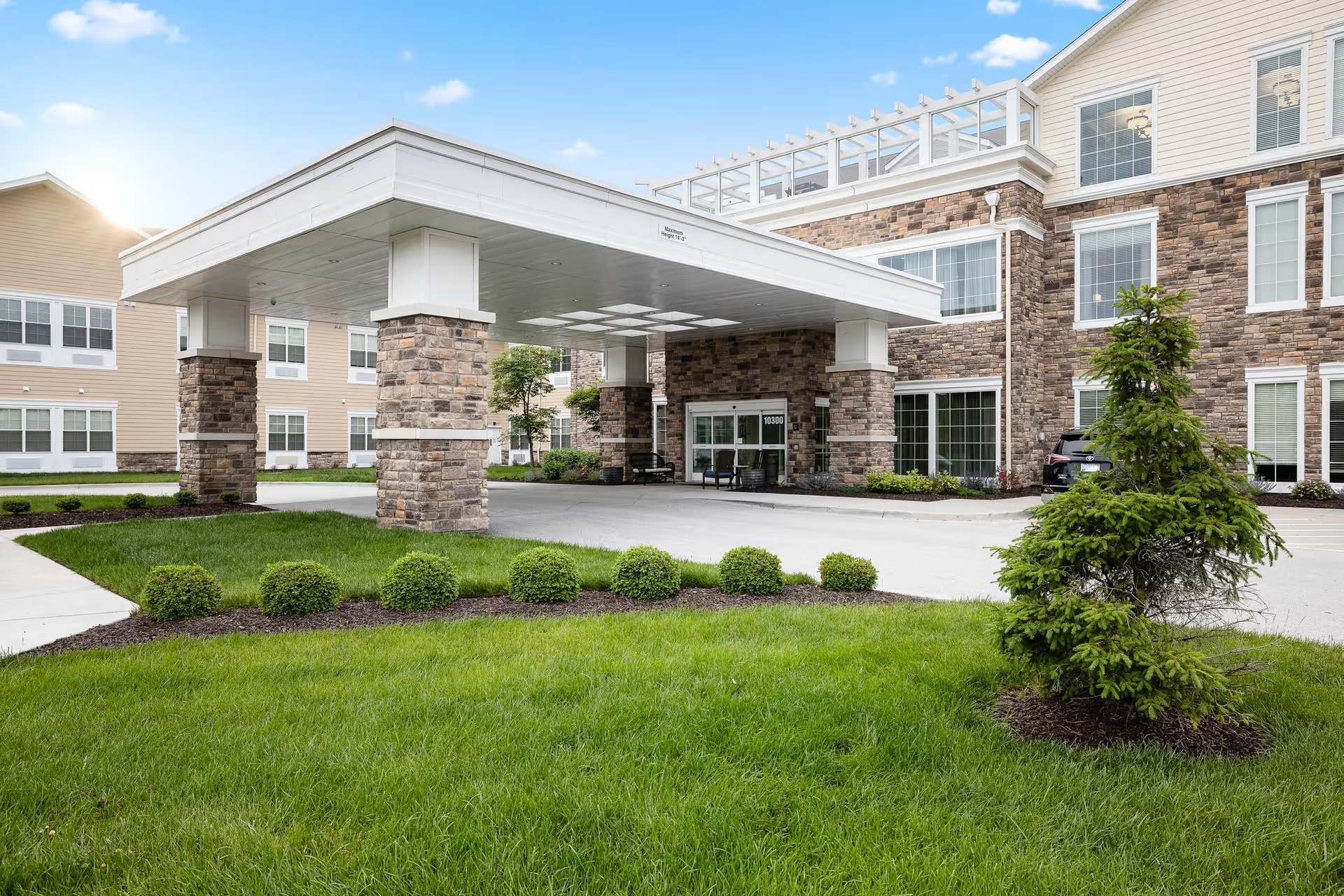
The reviews present a sharply mixed picture of Promise Skilled Nursing Facility of Overland Park. Several families and clinical sources praise the facility for strengths in specific clinical areas — notably wound care, physical therapy, and coordination between hospital and skilled-nursing teams — as well as for attentive ICU-level care and positive impressions of facility appearance from outside clinicians. Multiple comments single out individual staff members and nursing leadership as professional and compassionate, and some families describe the environment as comfortable and well-managed for their loved ones.
Despite these positives, a recurring pattern in the feedback points to operational weaknesses that affect day-to-day resident experience. Reviewers describe inconsistent staffing levels and slow staff response times, which are associated with delays in assistance, toileting support, and missed or delayed therapy sessions. Medication-administration scheduling problems and questions about medication handling appear across several accounts; one review includes an allegation of a serious medication-related incident and concerns following a resident's death, which should be treated as a separate serious claim requiring investigation and verification.
Dining and daily living processes also show variability. Several reviewers cite uneven meal quality, special-diet handling, and tray-delivery problems that disrupt resident mealtimes. Activity programming receives little specific commentary in the available feedback; families concerned about social engagement should ask the facility for an activities schedule and examples of participation when they tour.
Facility-level maintenance and sanitation receive mixed assessments. Some clinicians and families note a maintained, home-like appearance, while other comments identify odor and cleanliness concerns in particular areas and episodic housekeeping lapses. Administrative and management issues are likewise frequently mentioned: families report weak follow-through on complaints, vague administrative responses, and billing or documentation errors, including problems with VA billing. These comments suggest gaps in accountability, communication, and administrative controls.
For prospective residents and families: weigh the facility’s clinical strengths (wound care, PT, hospital-to-SNF coordination, and identified strong staff members) against the operational risks (staffing consistency, medication processes, toileting/catheter management, cleanliness, and administrative reliability). When evaluating this facility in person, consider observing staff-to-resident ratios at different times of day, asking for recent inspection and incident records, requesting demonstration of medication reconciliation and catheter-care protocols, reviewing the dining plan and menus, and arranging a meeting with nursing leadership to discuss communication practices and escalation pathways for concerns.