The Village at Mission elicits strongly mixed impressions. Many families praise the staff’s warmth, individualized attention, and the community relations/admissions team’s responsiveness; at the same time, recurring operational shortcomings appear across reviews. Prospective residents can expect a campus with active programming, on-site therapy and skilled nursing services, and an engaged memory-care offering, alongside areas of persistent operational risk that families should evaluate closely.
Care and clinical services: Numerous accounts describe caring CNAs, attentive nursing on many shifts, effective physical and occupational therapy, and positive rehab outcomes. The facility’s memory-care unit, hospice partnership, and on-site therapy services are cited as strengths. Offsetting these positives are multiple reports indicating clinical process gaps: delayed or missed medication administration, slow responses to call lights, inconsistent bathing or toileting assistance, and instances where families felt clinical follow-through was inadequate. There are also isolated but serious claims about emergency-response and end-of-life care; these are notable and warrant direct inquiry with leadership and review of any regulatory findings.
Staffing and management: Staff dedication and individual staff members (frequently named) are a clear asset. Reviewers repeatedly single out community-relations staff for effective family communication and move coordination. However, reviewers also describe inconsistent staffing levels, frequent use of agency staff, high turnover, and weekend coverage gaps. These staffing patterns are linked in reviews to slower responses, variable care consistency, and strained staff morale. Administrative strengths (admissions coordination, relocation assistance) coexist with operational weaknesses in billing, inconsistent communication, and sometimes poor handling of infection events.
Dining and activities: The activity program receives consistent positive feedback: multiple daily activities, live musical entertainment, outings, and social engagement opportunities are emphasized as enhancing quality of life. Dining impressions vary: some families praise meals and dining spaces, while others report bland food, inconsistent portions, and limited diabetic-diet expertise. Families should sample meals and inquire about therapeutic and diabetic menu options during a tour.
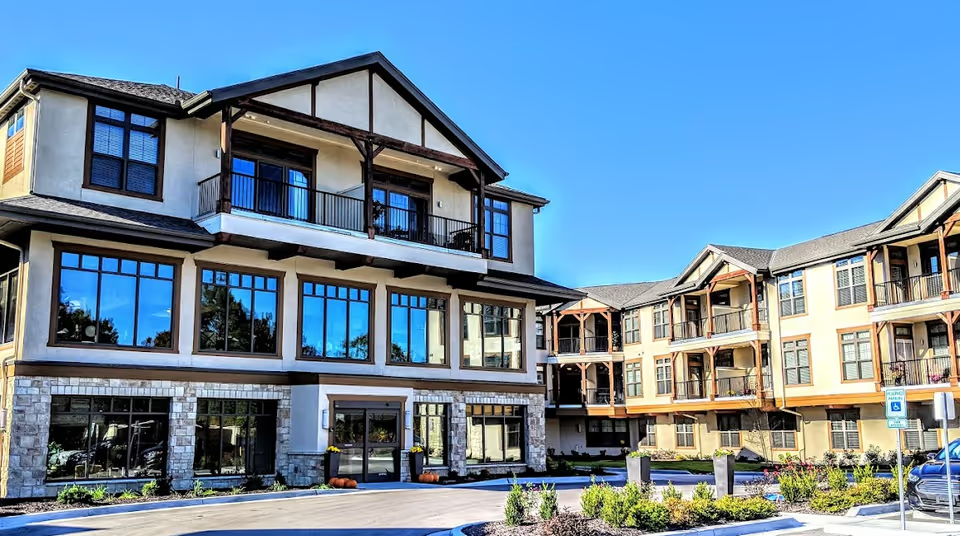
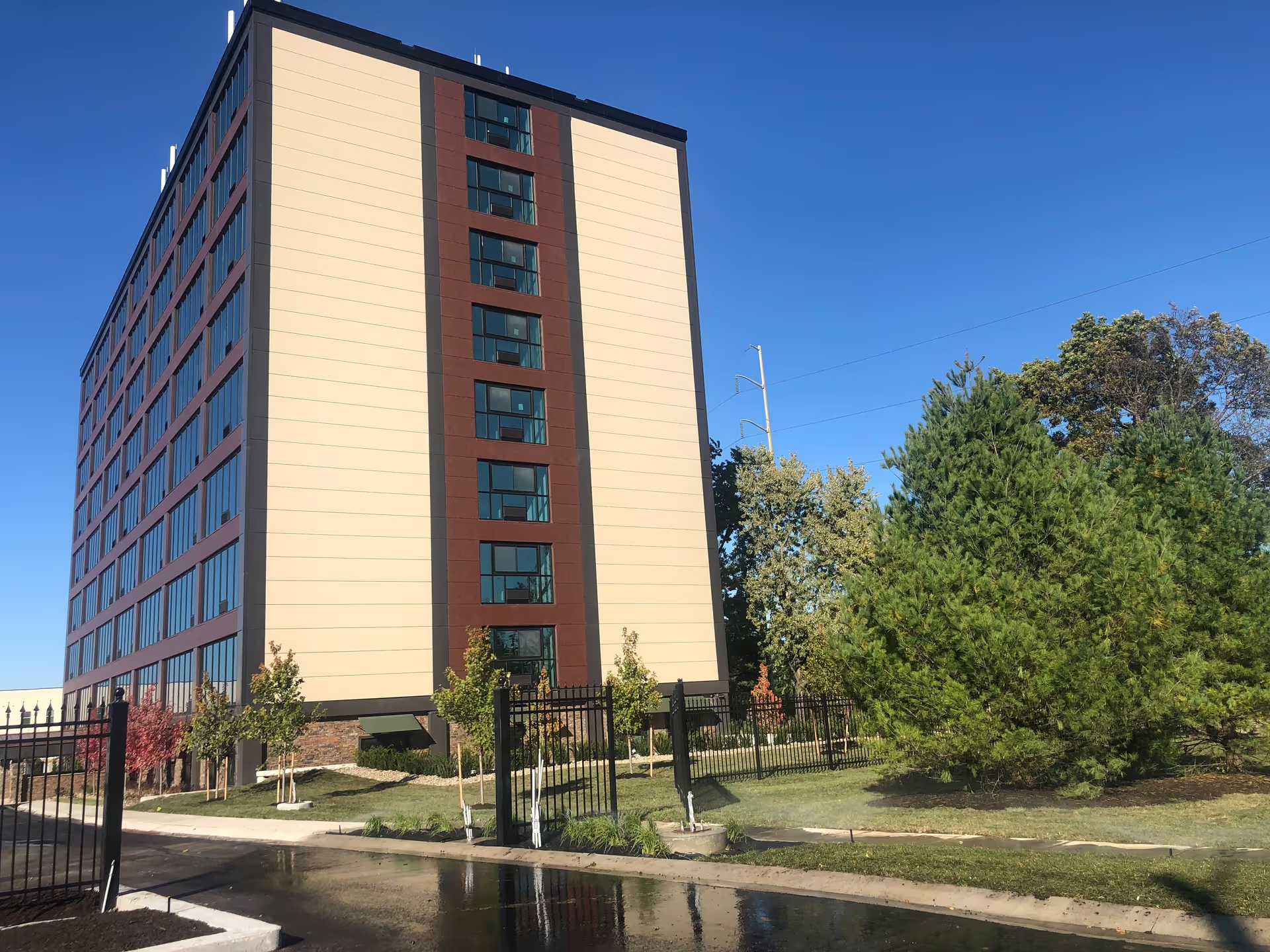
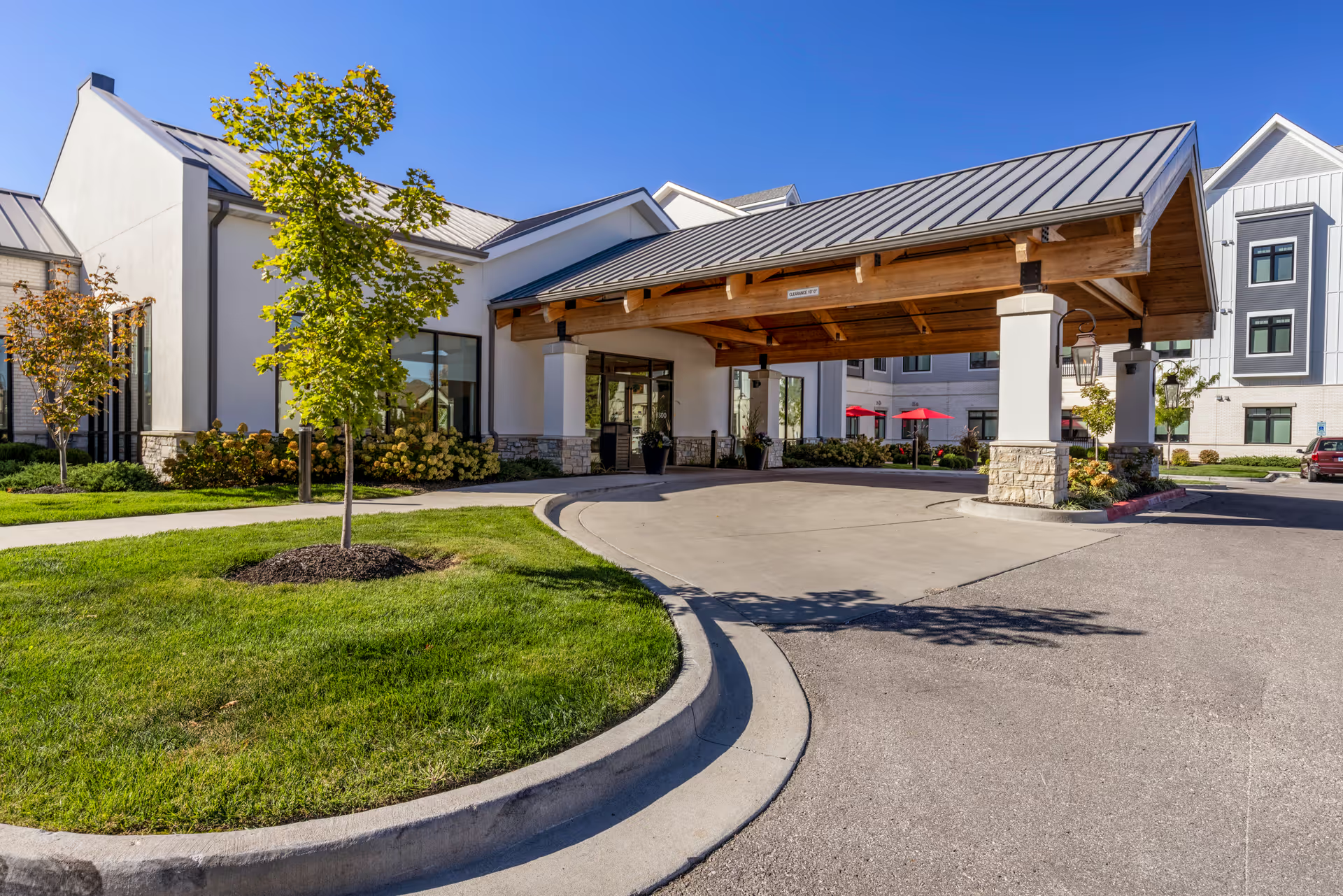
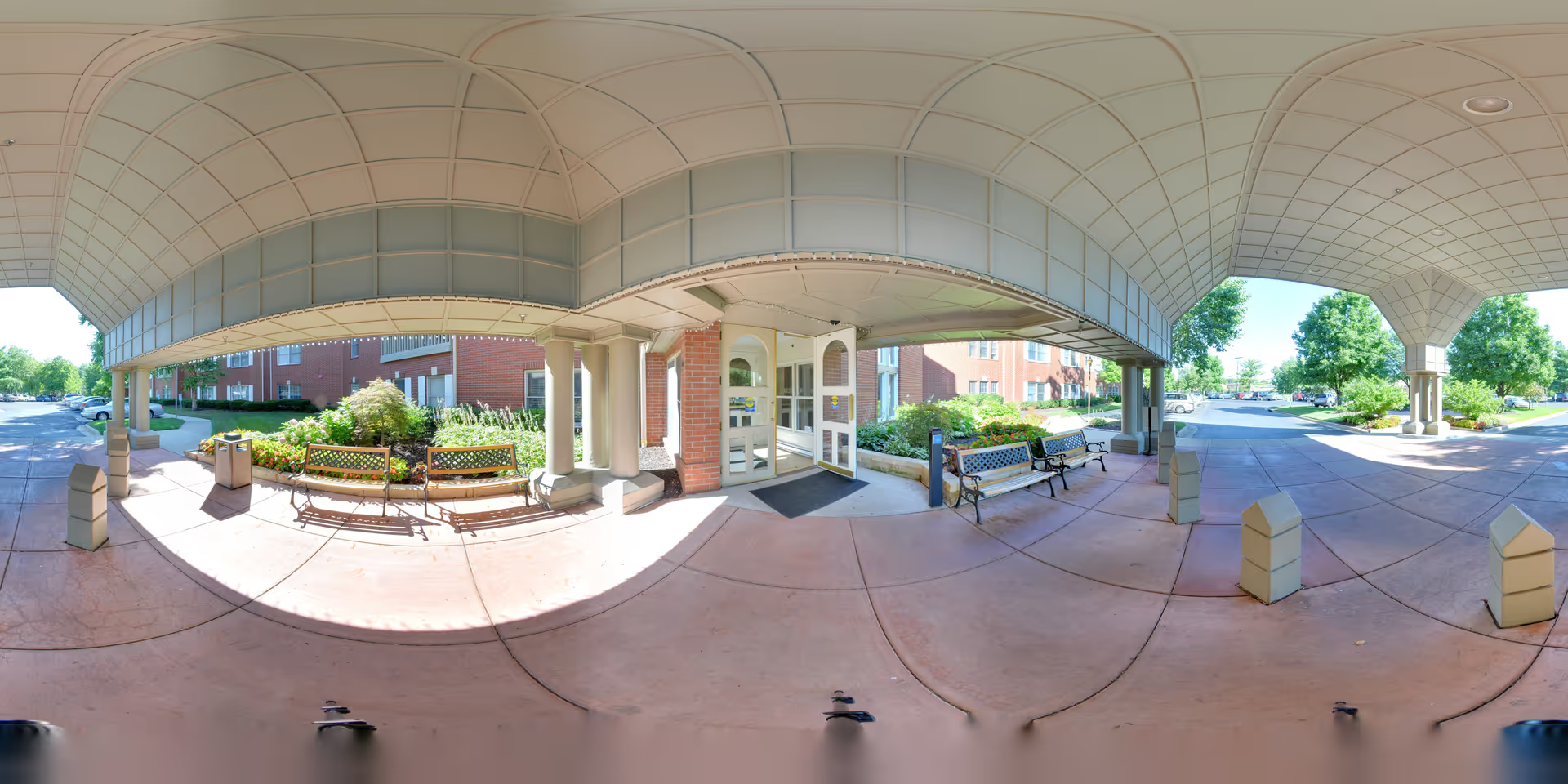
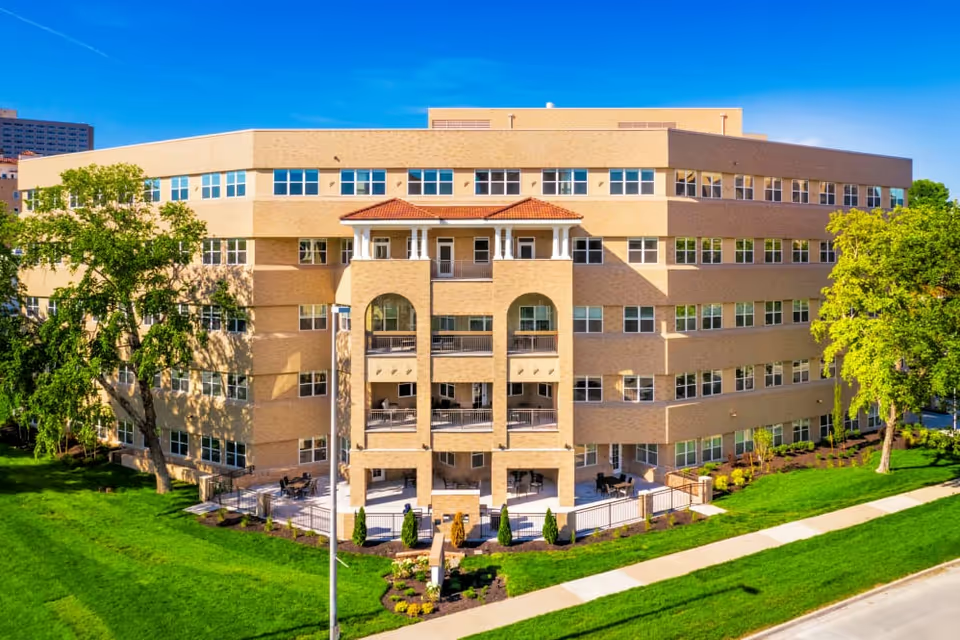
Facilities and maintenance: The campus shows clear investment in renovations—many common areas and some rooms are described as bright, renovated, and welcoming. At the same time, reviews indicate uneven conditions across the facility: a front/upgraded area contrasted with older, less-updated wings. Maintenance and equipment reliability are inconsistent in some accounts, with concerns such as broken bed mechanisms, nonfunctional call systems, and sanitation or pest-control issues noted. These mixed observations suggest a variable physical environment depending on the building wing or unit.
Notable patterns and practical guidance: The dominant pattern is one of strong person-to-person relationships and good admissions/relocation support combined with operational variability that can affect clinical reliability and daily living supports. When evaluating The Village at Mission in person, families should (1) ask for current staffing ratios and recent agency-staff usage, (2) observe mealtime and activity periods, (3) request documentation of medication-administration and emergency-response protocols, (4) inspect the specific unit and room for maintenance and sanitation status, and (5) clarify billing practices, weekend leadership coverage, and infection-control/visitor policies. Doing so will help balance the facility’s evident strengths in social programming and individualized advocacy against the operational weaknesses identified by multiple families.