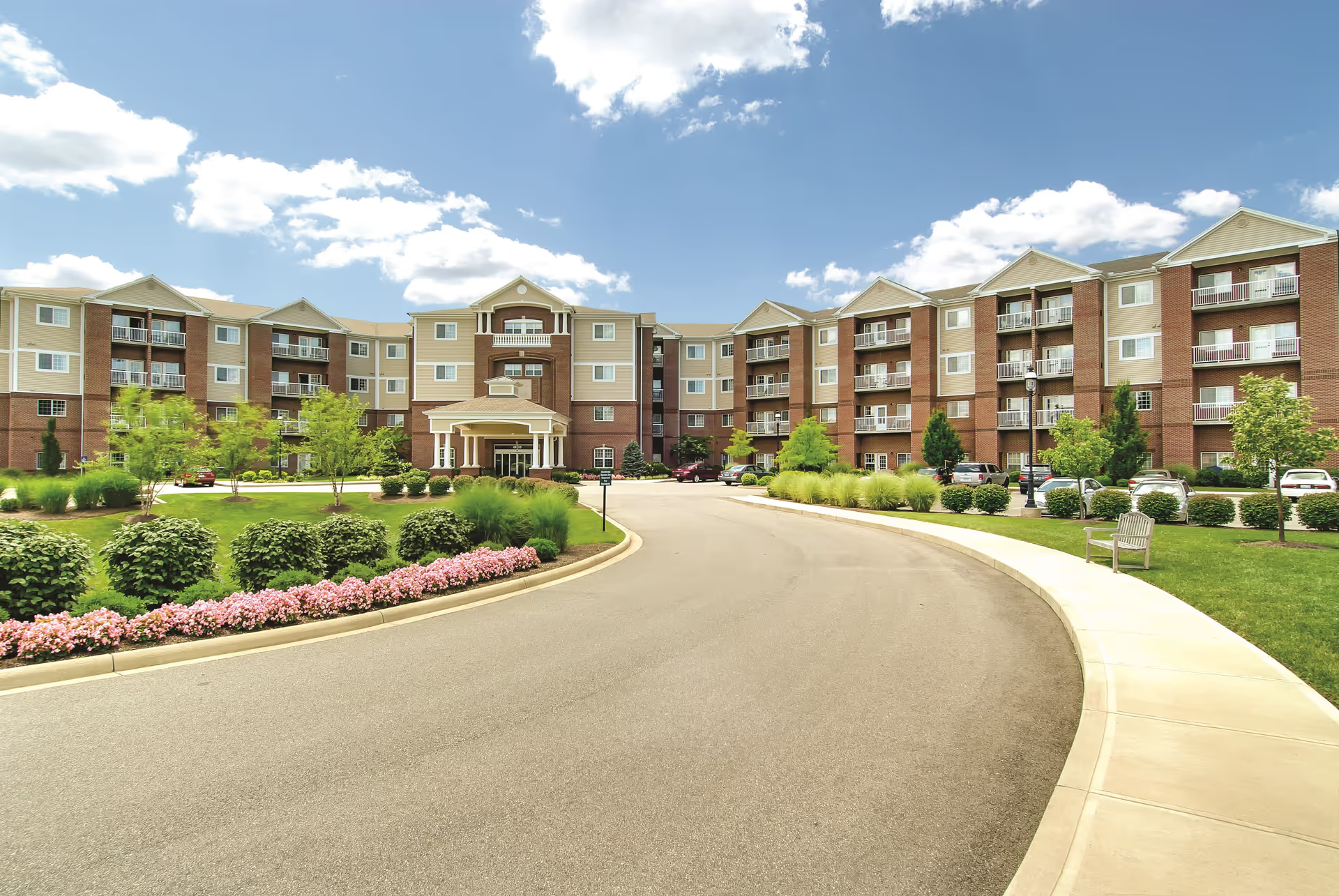
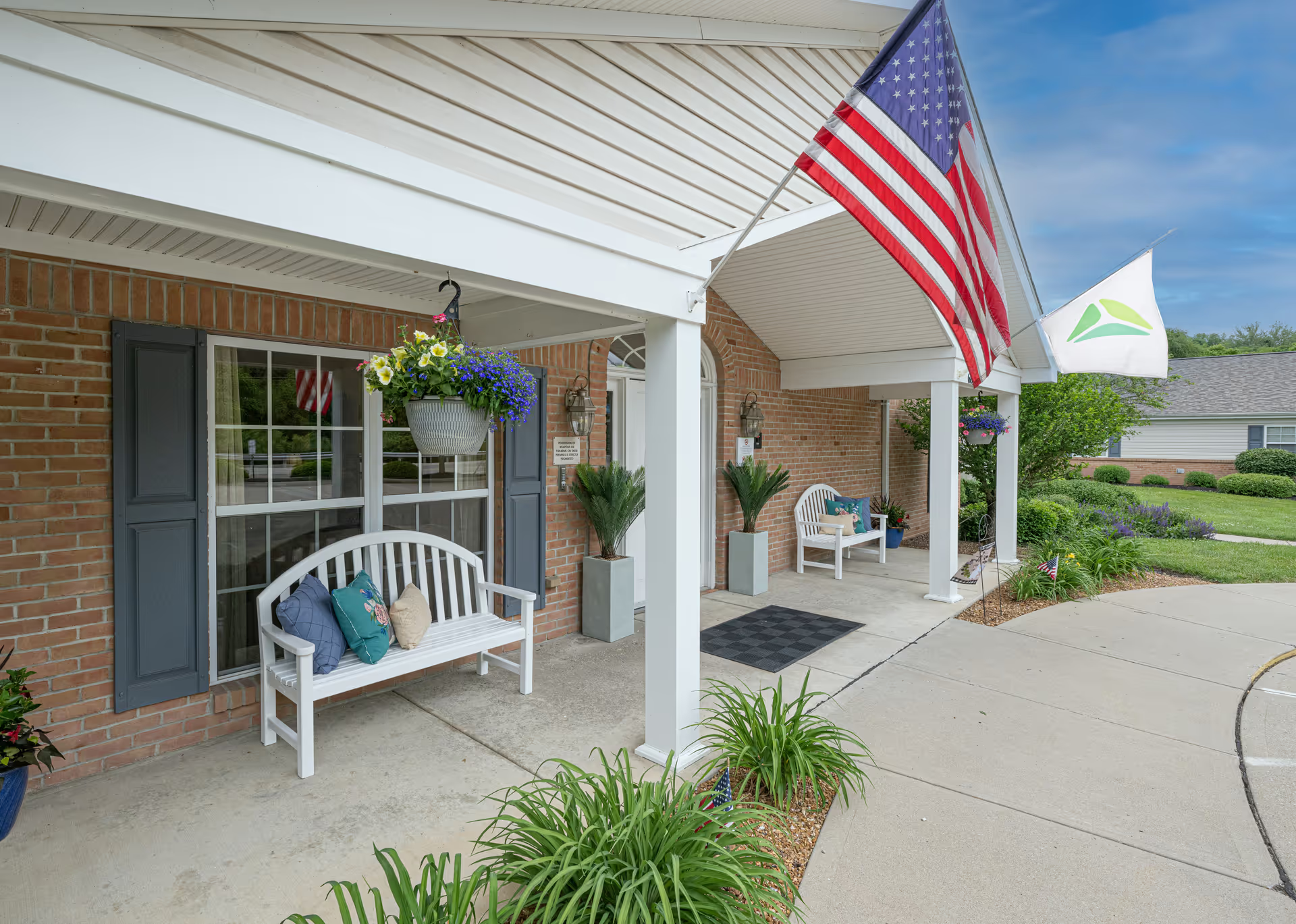
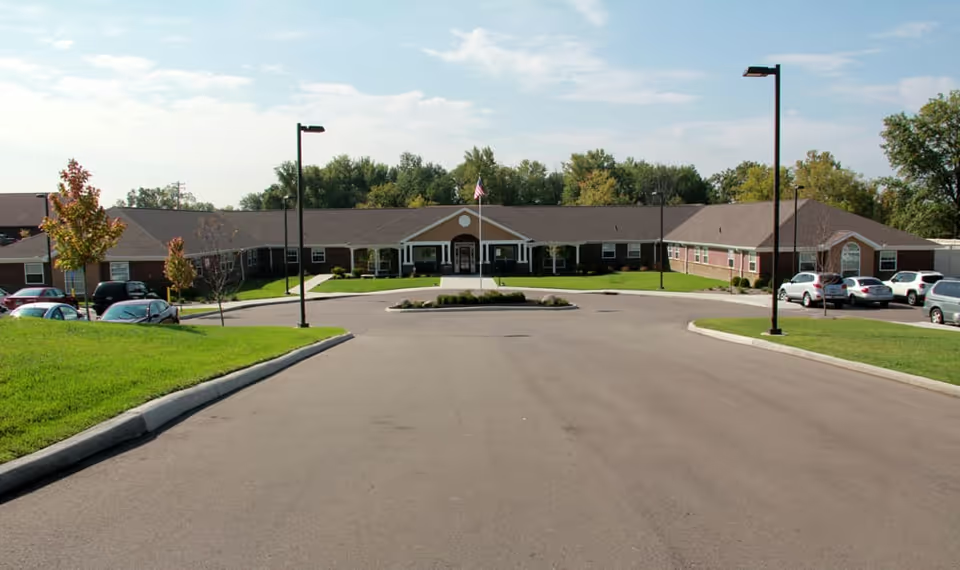
The Victorian at Riverside is described in many reviews as a small, homelike personal‑care community with a long local history and strong social programming. Positive comments focus on the facility’s communal dining experience, varied activities (bingo, exercise groups, walks, shopping trips and periodic outings), volunteer involvement, and a friendly, conversational atmosphere that many residents and families find welcoming. Several reviewers highlighted individualized attention from long‑tenured staff and an accessible director, and many described the physical environment as clean, recently updated, and attractive.
Care and staffing receive mixed but often favorable commentary. Numerous accounts praise compassionate caregiving, attentive directors, and reliable medication administration and basic nursing support; these factors contribute to feelings of safety and stability for many residents. However, there are also statements indicating lapses in staff responsiveness and conduct in some instances. Those accounts suggest variability in supervision and shift‑to‑shift attentiveness, which reviewers tied to specific safety concerns such as falls. Families should therefore assess current staffing patterns and oversight practices during a visit.
Dining is a prominent strength for many residents: reviewers frequently mention nutritious, home‑style meals personally served in the dining room, with vegetables and desserts noted positively. At the same time, other reviewers raised sanitation concerns and inconsistent food quality, and some described the facility’s dining policy as restrictive because meals are required in the dining room rather than optional or delivered to rooms. Prospective families should clarify meal‑service flexibility and kitchen sanitation procedures if this is a priority.
Programming and resident life are consistently described as robust. The activity schedule appears comprehensive and well‑staffed, with staff and an activity director singled out for creating opportunities for socialization and outings. This contributes to a lively community where residents make friends and engage in regular events, a factor repeatedly cited as contributing to resident satisfaction.
The physical plant is characterized as both a strength and a limitation: reviewers note clean, remodeled areas and attractive common spaces, but also an older structure with infrastructure constraints—no private bathrooms in many resident rooms and building age cited as a limitation. The facility is expanding in places (a new wing was mentioned), but the existing layout and absence of in‑room toilets are operational features that may matter for privacy and mobility needs. Additionally, some families found the facility geared toward independent or low‑to‑moderate acuity residents and later needed transfer to a higher‑acuity nursing setting; this indicates limited capacity for increasing clinical complexity.
In summary, The Victorian at Riverside presents as a small, community‑oriented personal‑care option with strong social programming, many staff praised for compassion and stability, and a generally well‑kept physical environment. At the same time, reviewers raised notable concerns about sanitation and food consistency, staff responsiveness and conduct variability, infrastructure limits (especially lack of private in‑room bathrooms), mandatory dining policies, and the facility’s suitability for residents who require higher‑level medical or mobility care. Prospective residents and families should tour the community, ask about current staffing and supervision practices, review sanitation and kitchen protocols, confirm bathroom and mobility accommodations, and verify the facility’s ability to meet anticipated clinical needs before making a placement decision.