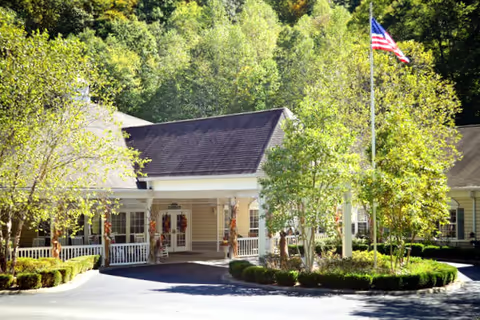
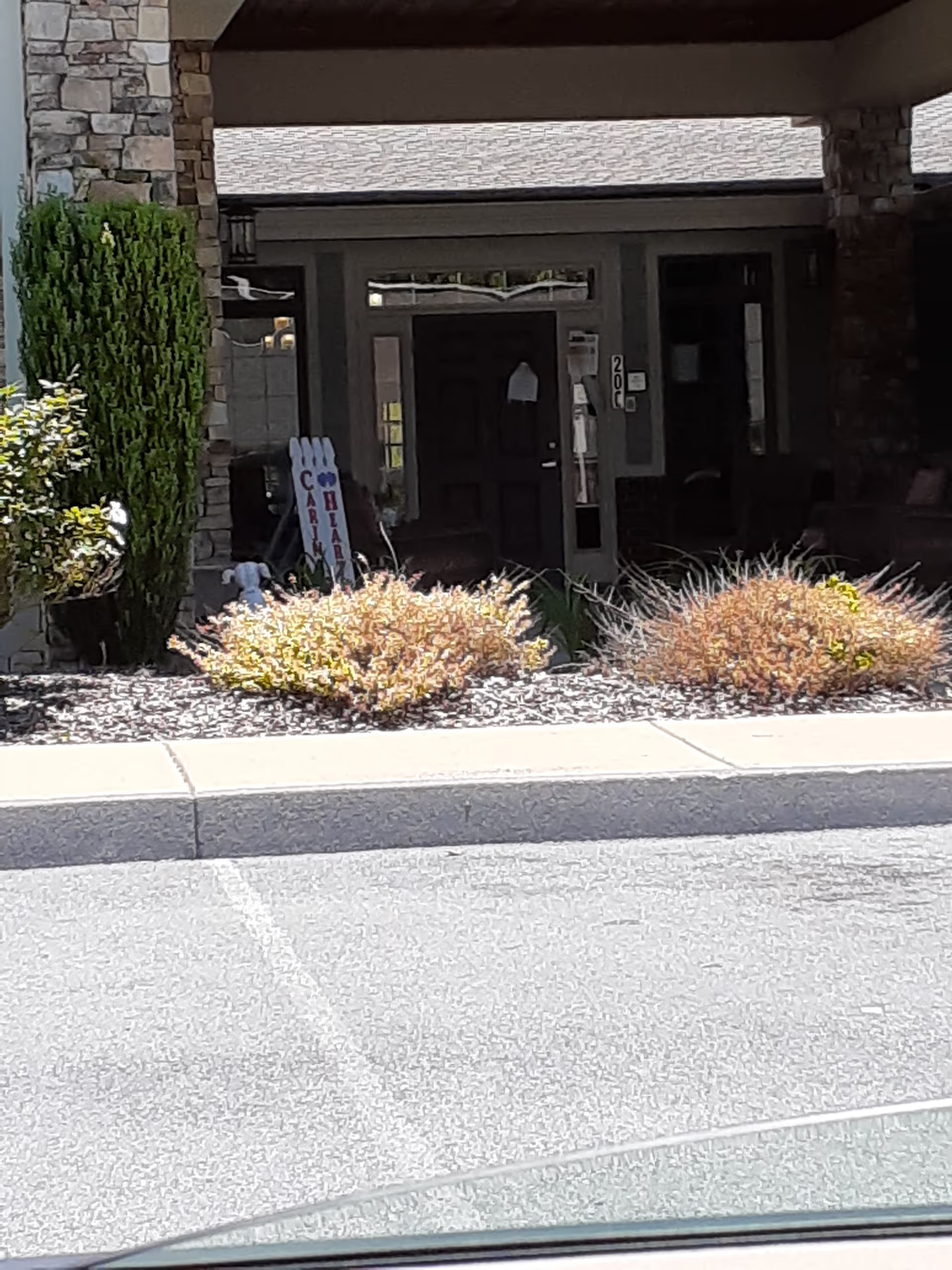
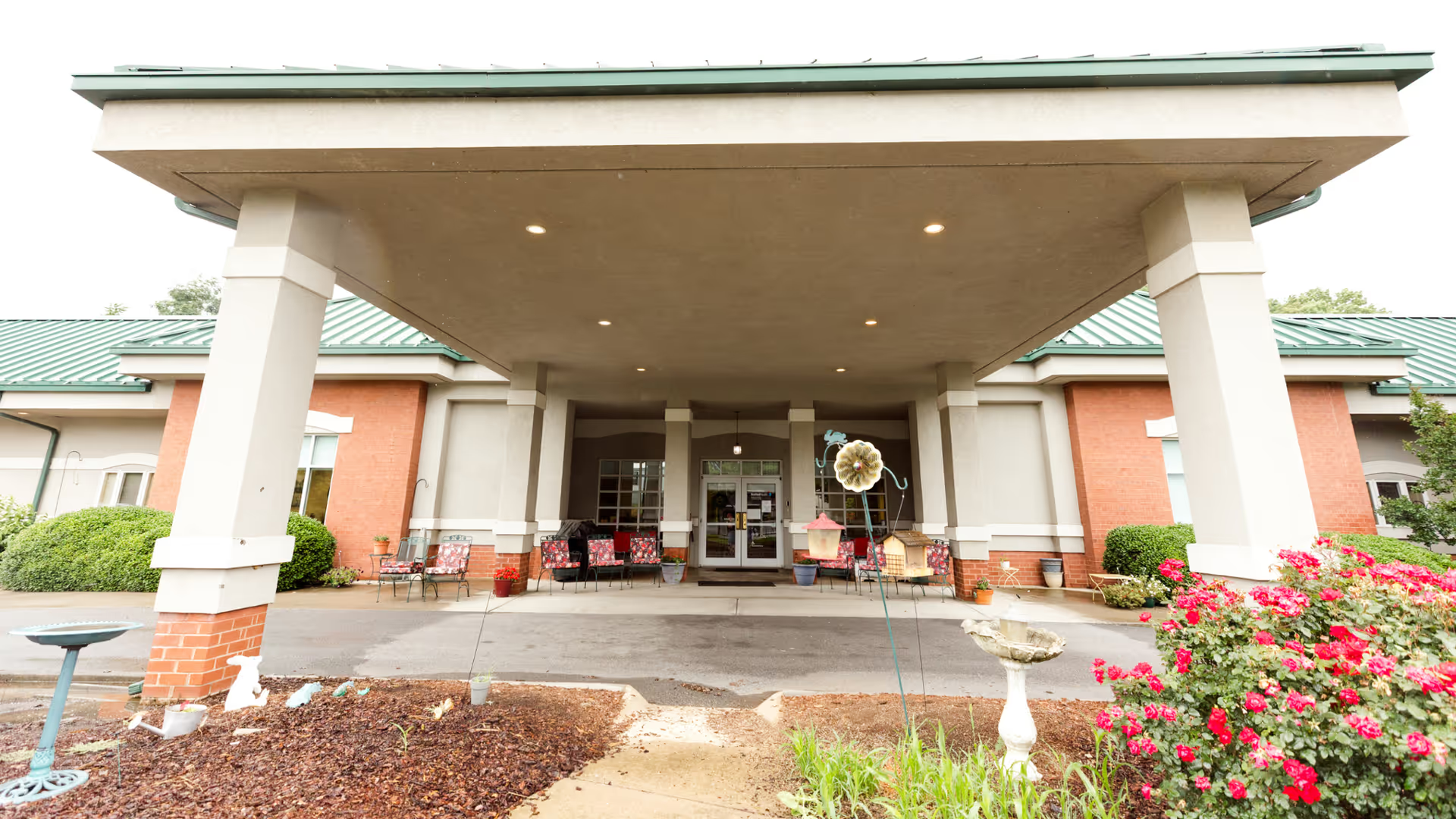
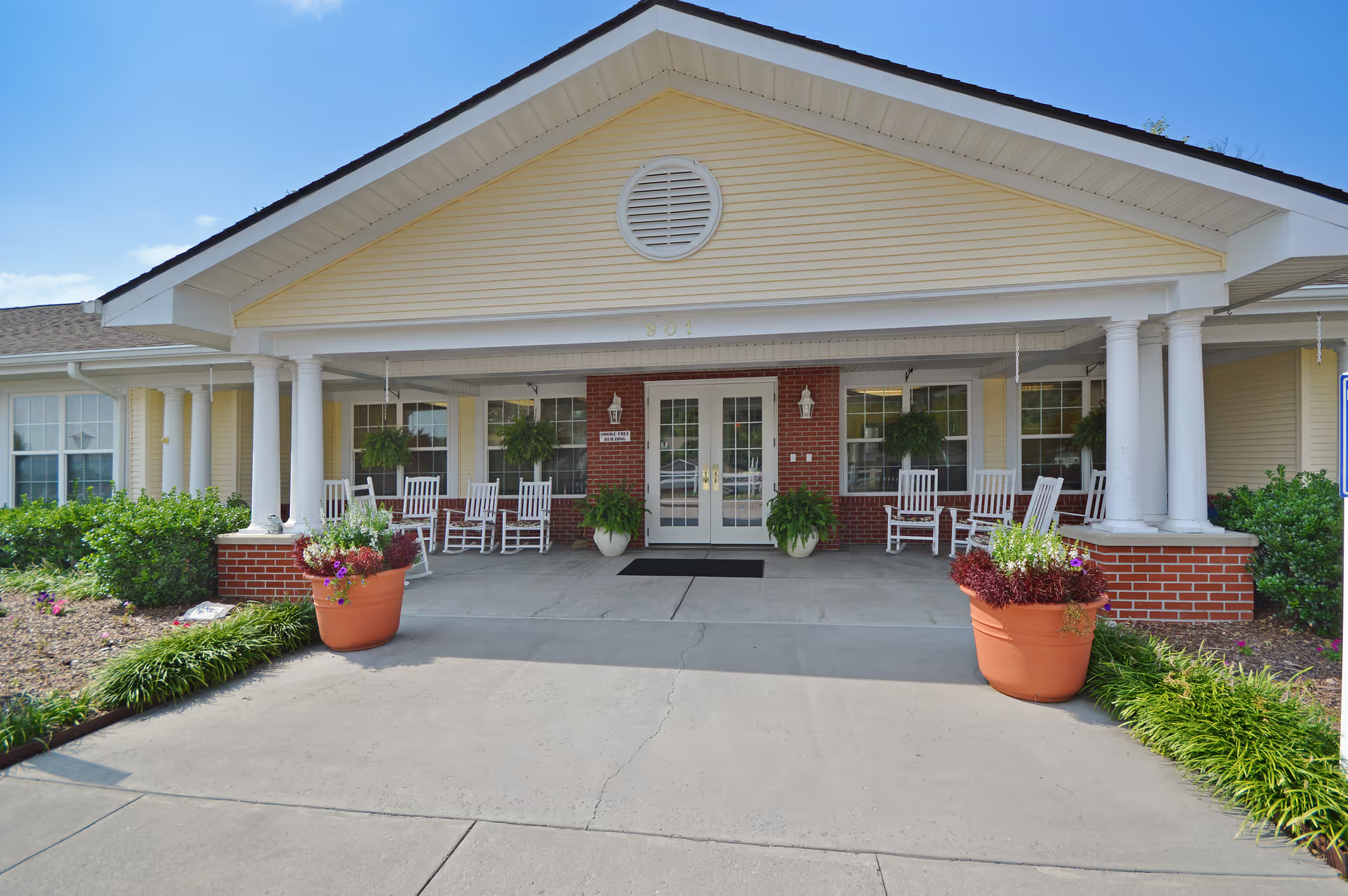
Overall impression: Reviews present a mixed but clear set of patterns. Many comments emphasize a well-kept, regionally rooted facility with appealing décor, accessible outdoor seating, and on-site animal interactions that contribute to a homelike atmosphere. At the same time, several operational concerns surface that relate to staffing, clinical oversight, and clarity about services.
Care and staff: Reviewers frequently describe staff as friendly, caring and professional, and some families characterize the care as compassionate particularly for end-of-life needs. However, there are substantive concerns about staffing levels and clinical responsiveness: comments indicate delays or gaps in attention to emerging health issues and questions about treatment outcomes. These point to potential weaknesses in clinical oversight and follow-up rather than isolated interpersonal problems. Communication with families is uneven in some accounts, which compounds worry when clinical questions arise.
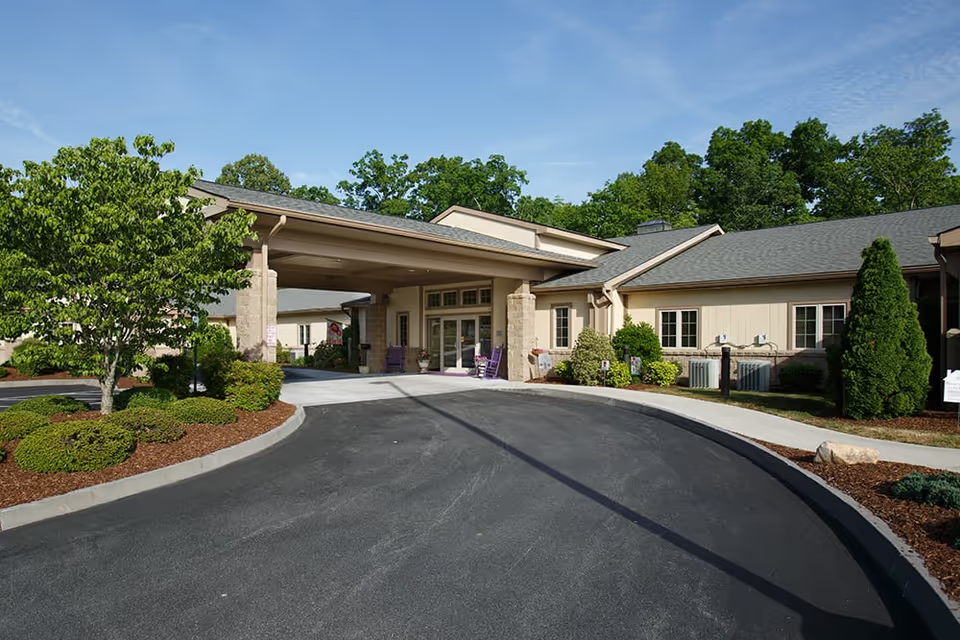
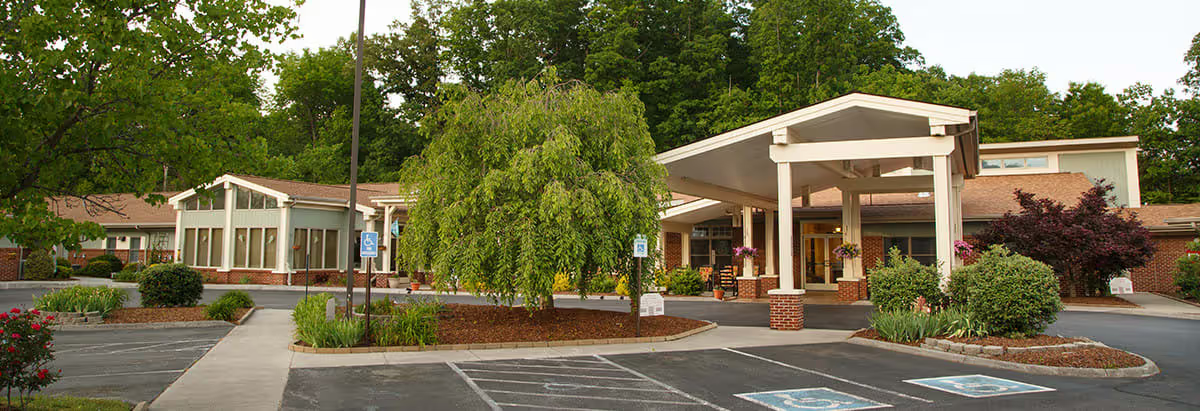
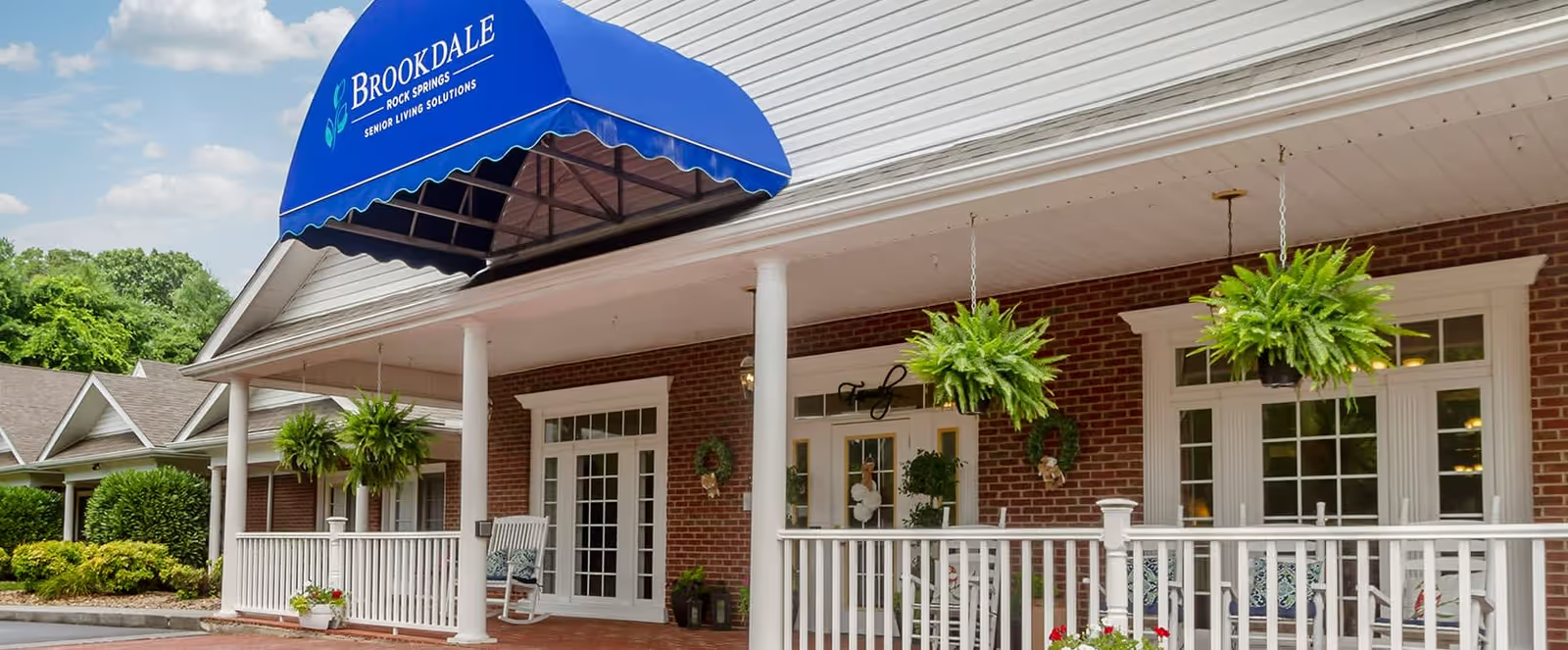
Dining and activities: Dining receives positive mentions, specifically well-prepared pureed/texture-modified meals and an overall sense that food service is thoughtfully managed for residents with special needs. Seasonal décor, regional touches and animal visits are noted as contributing to an engaging environment. Outdoor landscaping and visitor seating provide usable common spaces for families and residents.
Facilities and environment: The interior is described as clean and attractively appointed with seasonal updates. Practical issues appear in the physical setting: shared rooms can create conflicts over environmental controls (for example, temperature management), and the facility’s immediate adjacency to an industrial/waste-handling site raises external-odor and amenity concerns for some visitors. Limited visitor parking is also a recurrent operational inconvenience.
Management and transparency: A notable theme concerns clarity of services—specifically, statements about rehabilitation offerings are perceived as overstated or insufficiently detailed. Combined with staffing constraints and uneven family communication, this suggests opportunities for management to improve transparency about service scope, staffing plans, and response protocols for clinical changes.
Notable patterns for prospective families: Prospective residents and families can expect a clean, regionally engaged facility with strengths in interpersonal warmth, décor, and certain aspects of dining and palliative reputation. Those evaluating the facility should ask targeted questions about current staffing ratios, clinical oversight and escalation procedures, available private-room options and temperature-control policies in shared rooms, parking availability, and the exact scope of rehabilitation services and timelines. Clarifying these operational details will help balance the facility’s evident strengths against the practical concerns raised in reviews.