Homestead Post Acute is a skilled nursing facility that takes care of people who need short-term rehabilitation or more complex medical support, and you'll find a lot of things here aimed at making folks comfortable during their stay, like a front lobby for greetings, a common area for relaxing, and a nursing station that stays busy all day and night since skilled nurses work around the clock, keeping a close watch and helping whenever someone needs them. Everyone gets personalized healthcare because the staff listens and pays attention to what each person needs, whether it's physical, occupational, or speech therapy, and there's a big, modern rehab gym where licensed experts help people work toward recovery in a safe way. Homestead Post Acute offers inpatient care with daily living support, and while people are getting well, they've got several amenities and activities for engagement, which really helps folks feel more at home, and the whole place gets set up to feel safe, homelike, and focused on comfort, making recovery and high-quality, compassionate care the main priorities for everyone staying here.
Homestead Post Acute
1608 Versailles Rd, Lexington, KY, 40504- Assisted living
- Memory care
- Skilled nursing
Helpful therapy, but inconsistent care
I had a mixed experience. The building is clean, many staff are warm and skilled, and therapy/activities really helped some residents return home-meals, rehab and attentive caregivers stood out. But care was inconsistent: understaffing, poor communication, unresponsive nursing desk, missed/late assistance, lost meds/paperwork and even reports of falls/neglect or rough handling were real concerns. Administration and reception could be unprofessional; I'd only recommend visiting, asking lots of questions, and confirming staffing and incident protocols before deciding.
Pricing
Schedule a Tour
Amenities
Healthcare services
- Activities of daily living assistance
- Assistance with bathing
- Assistance with dressing
- Assistance with transfers
- Medication management
- Mental wellness program
Healthcare staffing
- 12-16 hour nursing
- 24-hour call system
- 24-hour supervision
Meals and dining
- Diabetes diet
- Meal preparation and service
- Restaurant-style dining
- Special dietary restrictions
Room
- Air-conditioning
- Cable
- Fully furnished
- Housekeeping and linen services
- Kitchenettes
- Private bathrooms
- Telephone
- Wifi
Transportation
- Community operated transportation
- Transportation arrangement
- Transportation arrangement (non-medical)
Common areas
- Beauty salon
- Computer center
- Dining room
- Fitness room
- Gaming room
- Garden
- Outdoor space
- Small library
- Wellness center
Community services
- Concierge services
- Fitness programs
- Move-in coordination
Activities
- Community-sponsored activities
- Planned day trips
- Resident-run activities
- Scheduled daily activities
3.33 · 58 reviews
Overall rating
- 5
- 4
- 3
- 2
- 1
Care
3.3Staff
3.4Meals
3.1Amenities
3.3Value
4.0
Location
About Homestead Post Acute
People often ask...
Homestead Post Acute offers assisted living, memory care, and skilled nursing.
There are 3 photos of Homestead Post Acute on Mirador.
The full address for this community is 1608 Versailles Rd, Lexington, KY, 40504.
Yes, Homestead Post Acute offers respite care. Respite care in assisted living communities provides temporary, short-term relief for primary caregivers by offering professional care for their loved ones. It allows individuals to stay in an assisted living community for a limited time, giving caregivers a break while ensuring residents receive necessary support and assistance with daily activities.
Nearby Communities
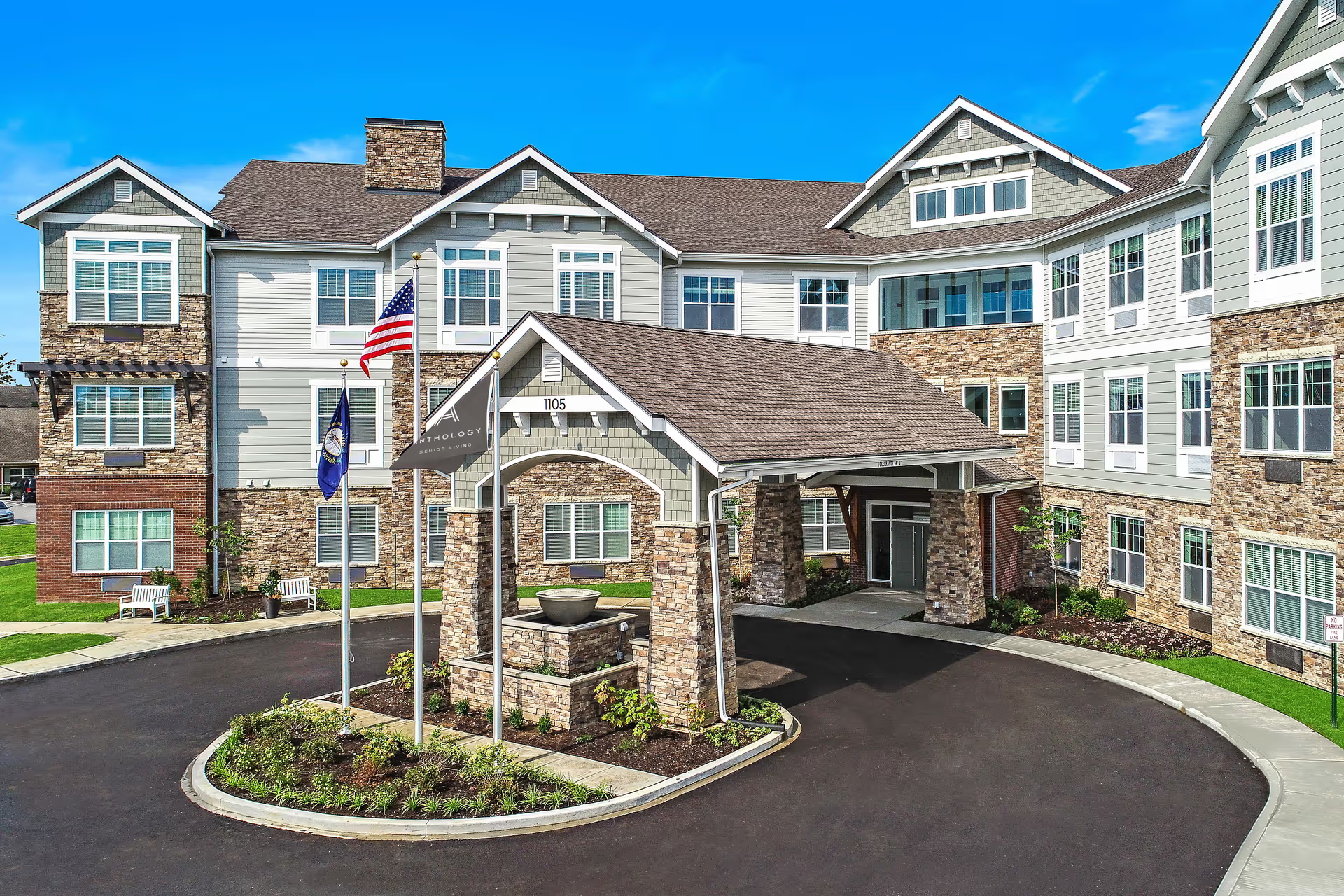 $4,100 – $6,900+4.7 (76)Studio • 1 Bedroom • 2 Bedroomindependent, assisted living, memory care
The Ashton on Dorsey
1105 Dorsey Ln, Louisville, KY, 40223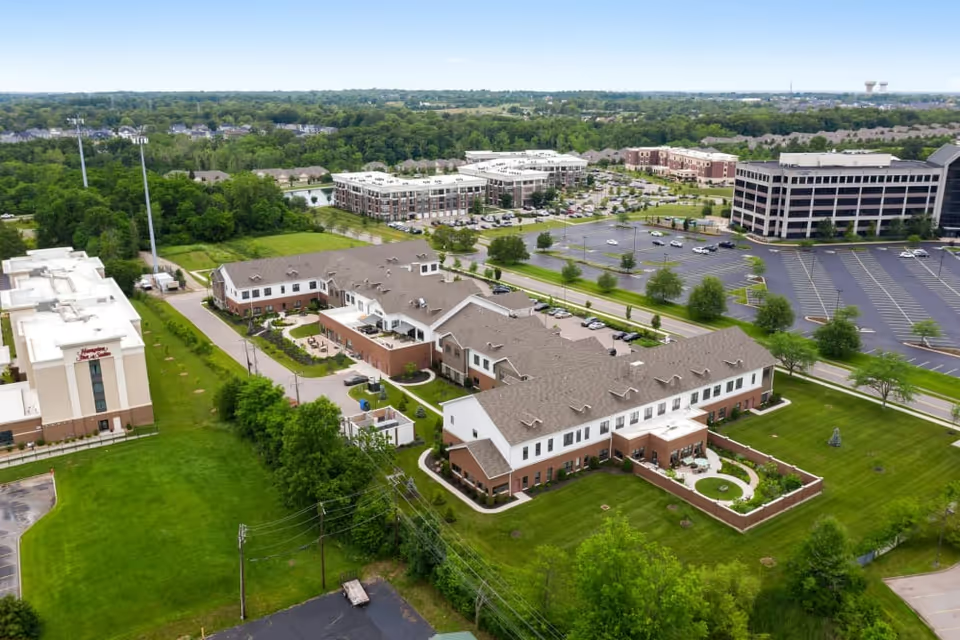 $4,395 – $5,274+4.5 (75)Semi-privateassisted living, memory care
Montage Mason
5373 Merten Dr, Mason, OH, 45040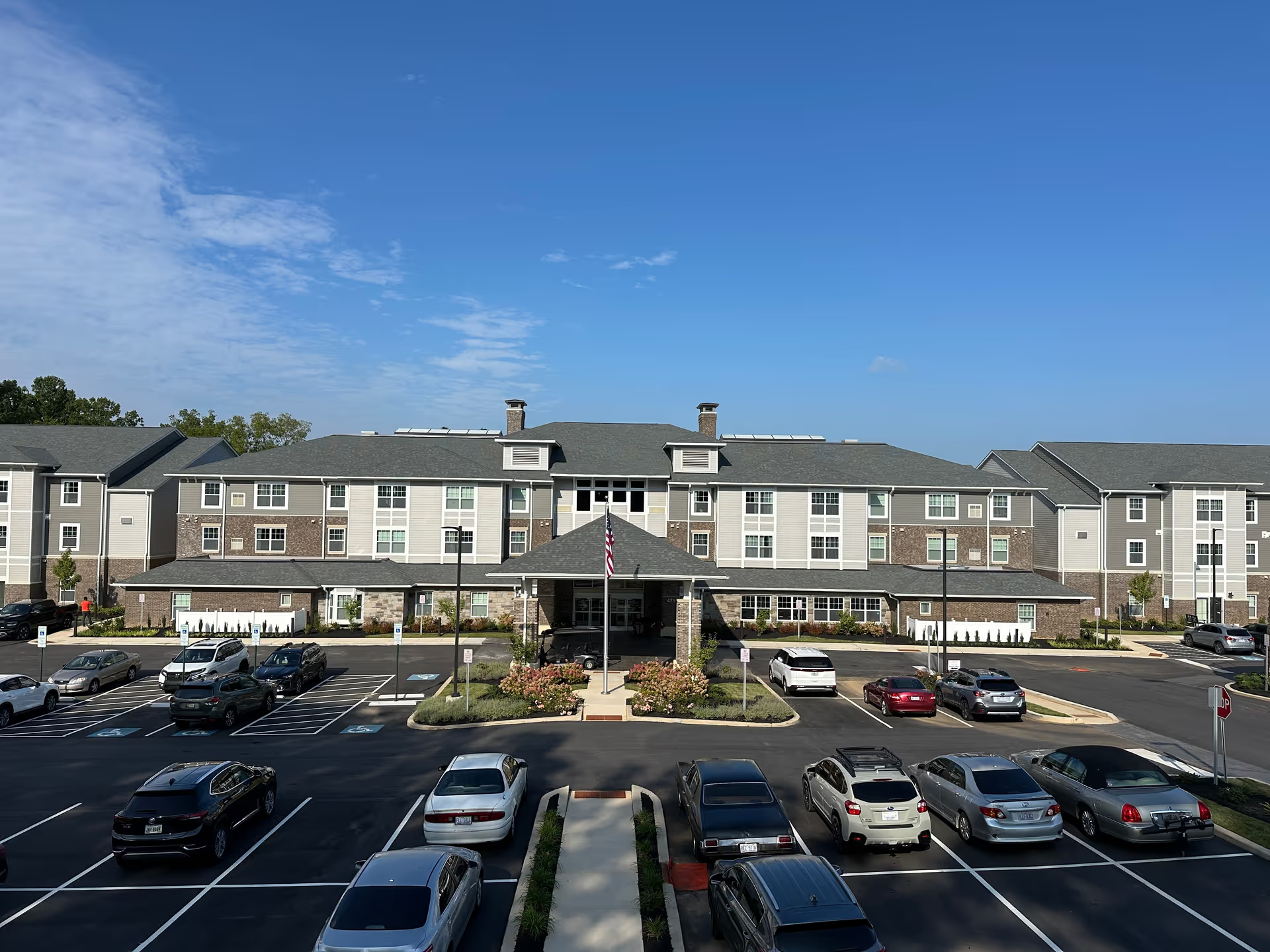 $5,112 – $6,645+4.7 (38)Semi-private • 1 Bedroom • Studioindependent living, assisted living
Julian Woods Retirement Community
421 Overlook Rd Ext, Arden, NC, 28704 $5,300+4.3 (118)2 Bedroomindependent living, assisted living
Renaissance on Peachtree
3755 Peachtree Rd NE, Atlanta, GA, 30319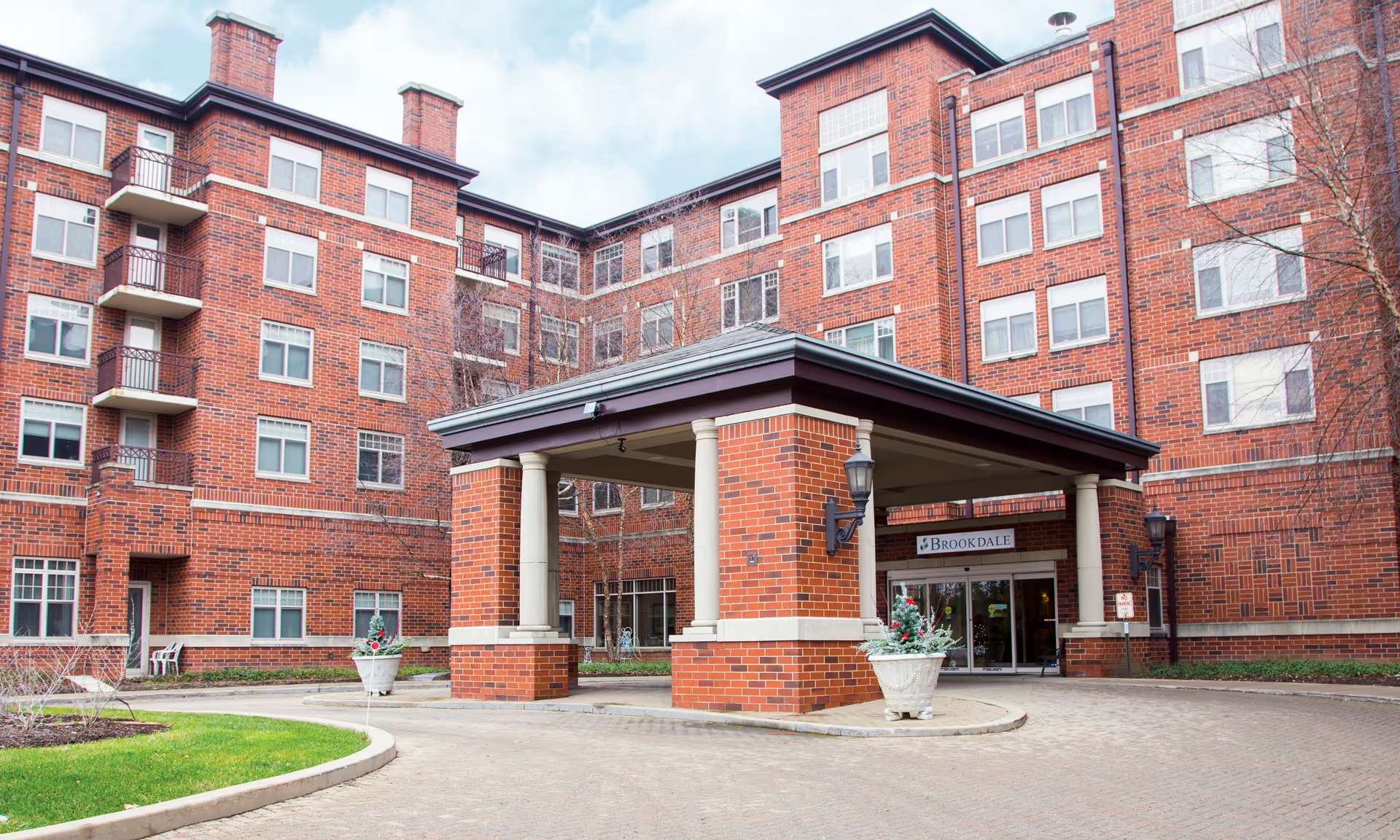 $3,448 – $4,482+4.7 (112)Semi-private • Studioindependent living, assisted living
Brookdale Mt. Lebanon
1050 McNeilly Rd, Pittsburgh, PA, 15226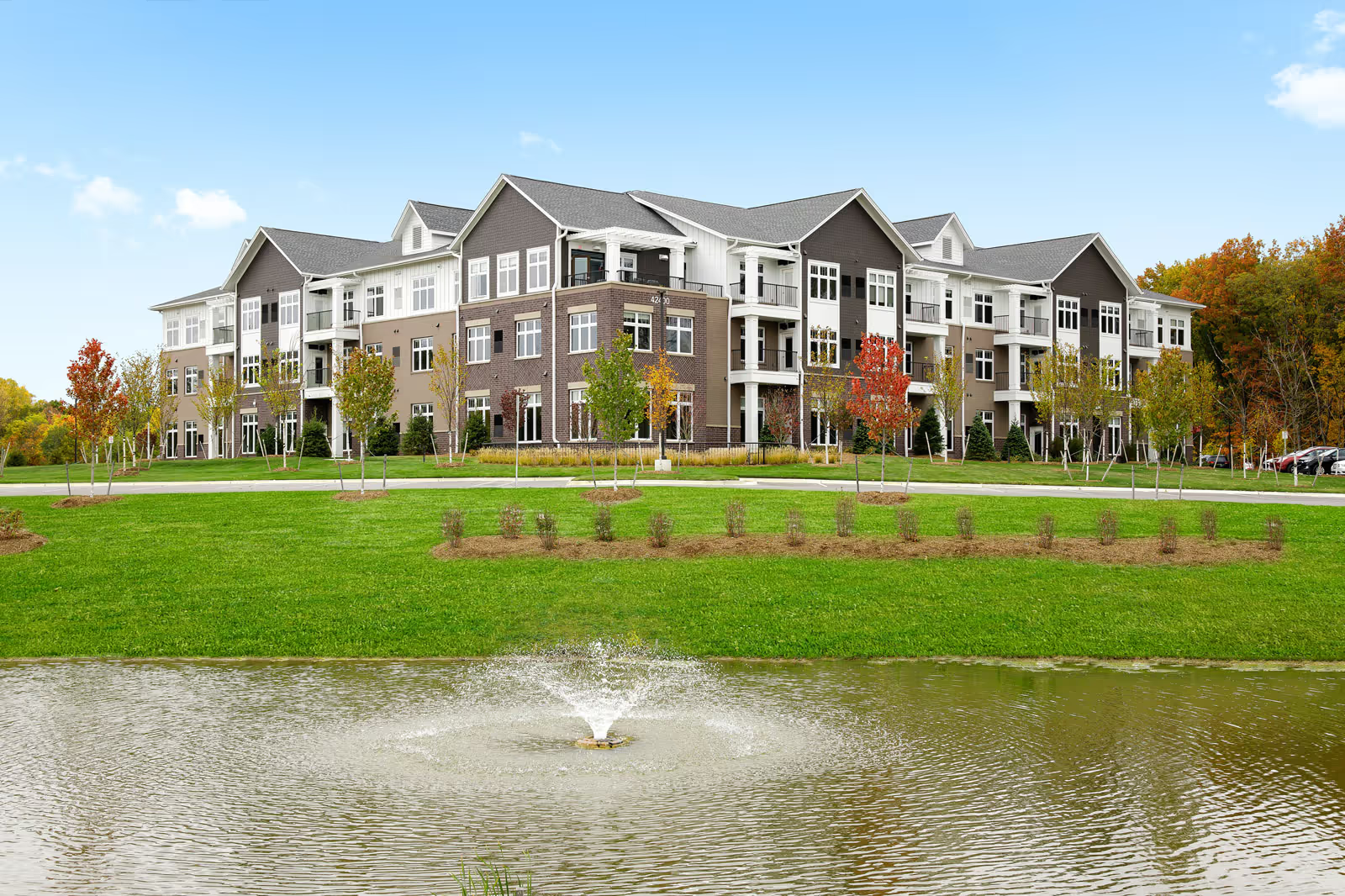 $3,000 – $7,000+4.5 (98)suiteindependent, assisted living, memory care
StoryPoint Novi
42400 W 12 Mile Rd, Novi, MI, 48377
Assisted Living in Nearby Cities
Keene assisted living
9.4 mi13 facilities$6,268/moVersailles assisted living
10.5 mi5 facilities$4,336/moMidway assisted living
10.8 mi7 facilities$5,797/mo- 22 facilities$6,596/mo
Georgetown assisted living
12.2 mi13 facilities$5,348/moWilmore assisted living
13.5 mi13 facilities$6,268/moWillmore assisted living
13.6 mi13 facilities$6,268/mo- 0 facilities
Paris assisted living
17.7 mi3 facilitiesHigh Bridge assisted living
17.9 mi5 facilitiesWinchester assisted living
18.9 mi7 facilities$5,223/mo- 0 facilities