Elliott Nursing and Rehabilitation elicits a largely positive response for its daily environment and frontline caregiving. Reviewers consistently describe a welcoming, home‑like atmosphere with a strong sense of community. Many families and residents highlight compassionate, family‑like interactions from nursing assistants and nurses, along with above‑and‑beyond attentiveness. Rehabilitation and therapy services are frequently mentioned as effective, and multiple accounts note successful clinical outcomes after stays. Leadership roles — including an open executive director and a knowledgeable director of nursing — plus an accessible social worker and accommodating office staff, are cited as contributors to overall satisfaction.
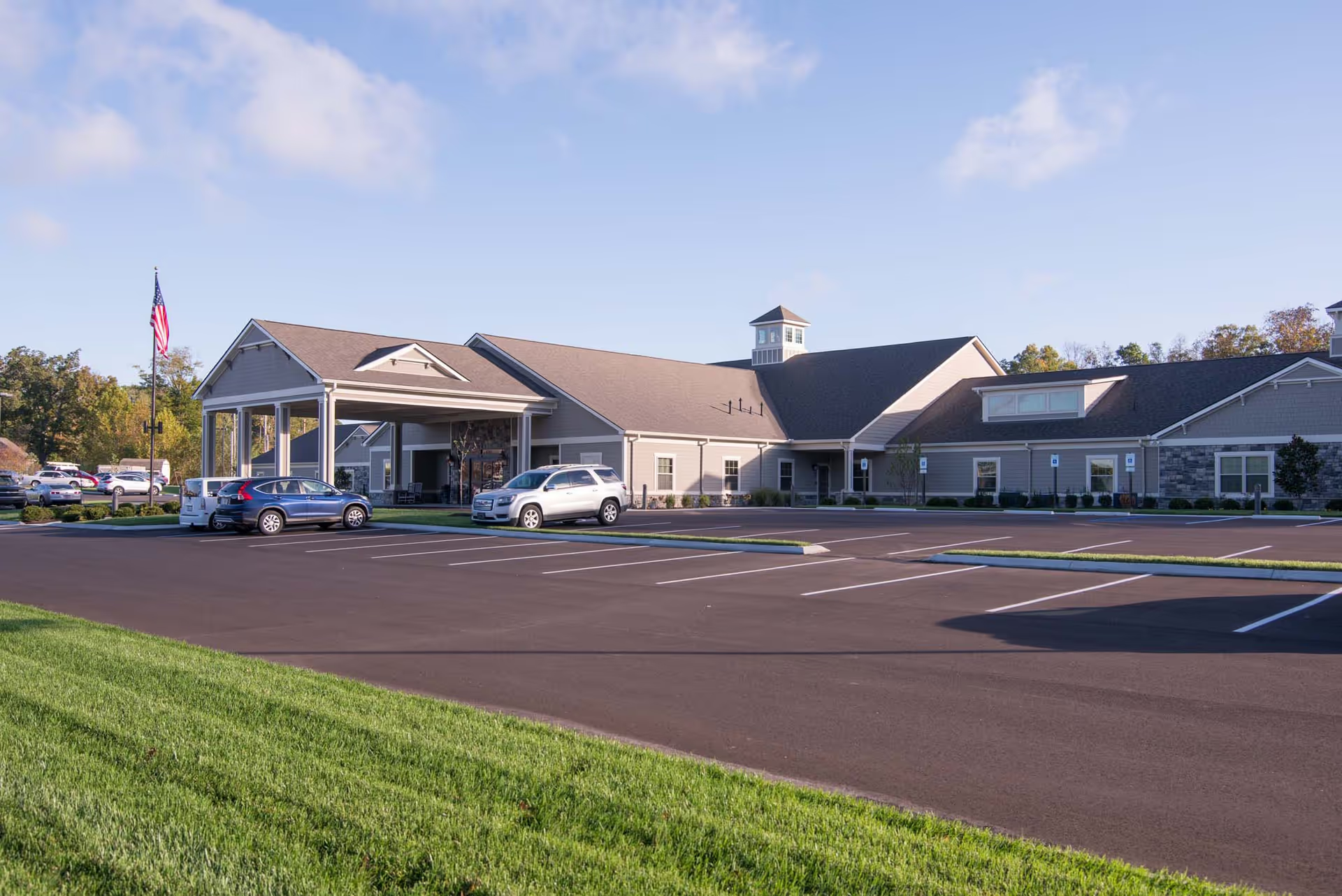
Facility upkeep and amenities are also strengths. The building is described as clean, well‑maintained and fresh‑smelling; rooms and common areas receive positive mentions. The activities program is robust, with varied social and therapeutic options that engage residents throughout the day. Many reviewers single out the staff’s efforts to treat residents with dignity, involve families, and support community connections.
At the same time, a pattern of operational concerns appears in a subset of reviews and merits attention. Staffing shortages and resulting delays in responsiveness are the most common themes linked to slower assistance and longer wait times for help. Several comments point to gaps in family communication and administrative availability — for example, delayed notification about hospital transfers or difficulty reaching administrators — indicating inconsistent incident‑notification and follow‑up processes. There are also recurring concerns related to transfer safety and fall prevention, and some accounts describe pressure‑area prevention and wound‑management shortcomings; these suggest opportunities to strengthen clinical protocols and monitoring.
Other operational issues noted include inconsistent meal temperature and service timeliness, occasional challenges coordinating transitions to other facilities, and questions about medication‑management controls. Some reviewers raised concerns about staff personal‑device use and restrictive visitation practices during certain events; these items reflect potential cultural and policy areas for the facility to address. There are also serious individual-level claims (including an allegation of medication mislabeling and individual adverse clinical events) that families may want to explore further with administration and regulatory records.
For prospective residents and families: Elliott demonstrates clear strengths in interpersonal care, rehabilitation services, cleanliness, and community life. When evaluating the facility, consider asking about current staffing levels and contingency plans, incident‑notification and family‑communication protocols, fall‑prevention and pressure‑area care procedures, medication‑safety checks, meal‑service schedules, and policies for transitions to other providers. These targeted questions can help balance the facility’s well‑documented strengths against the operational issues some families experienced, and give a clearer picture of how the facility is addressing those gaps.