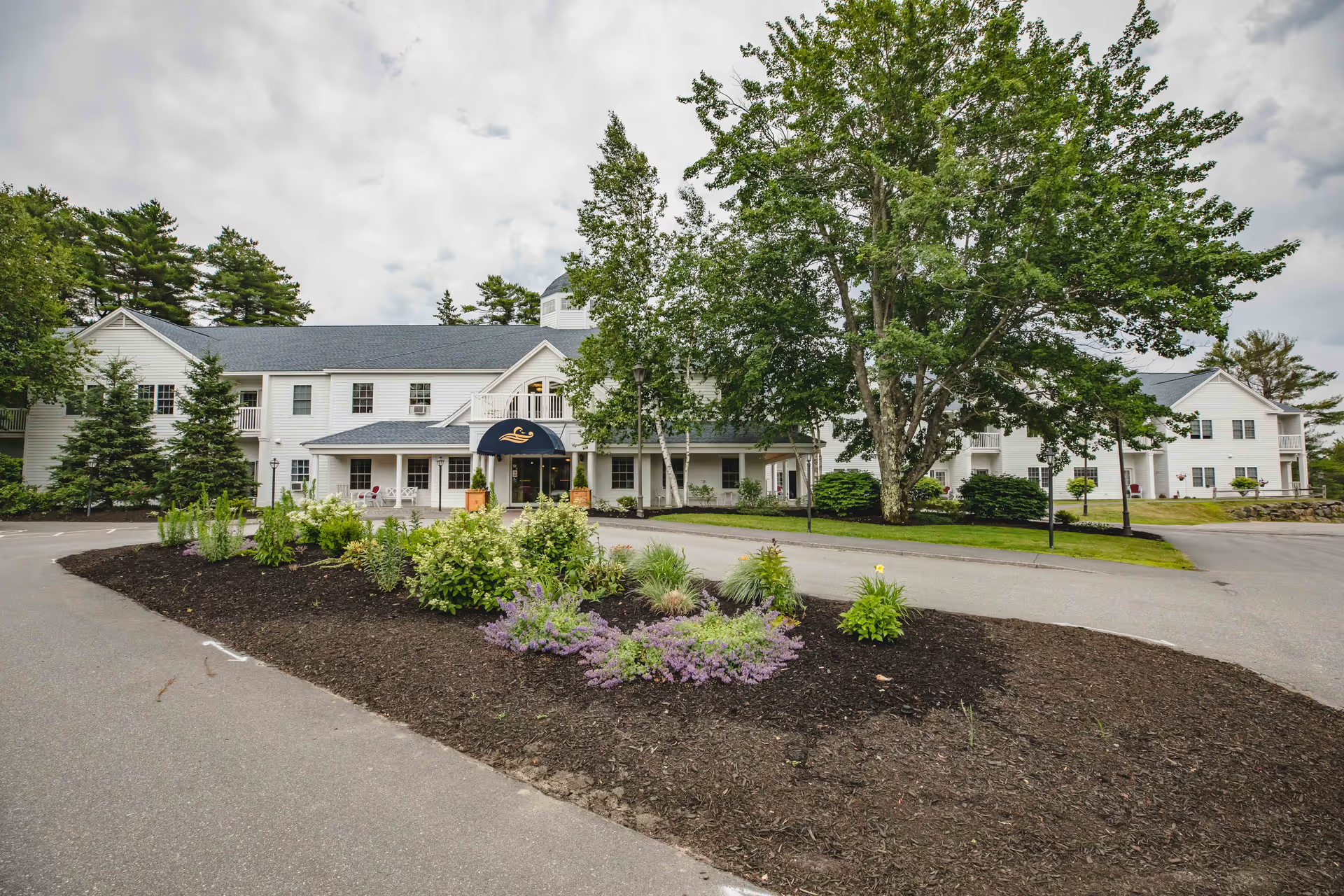
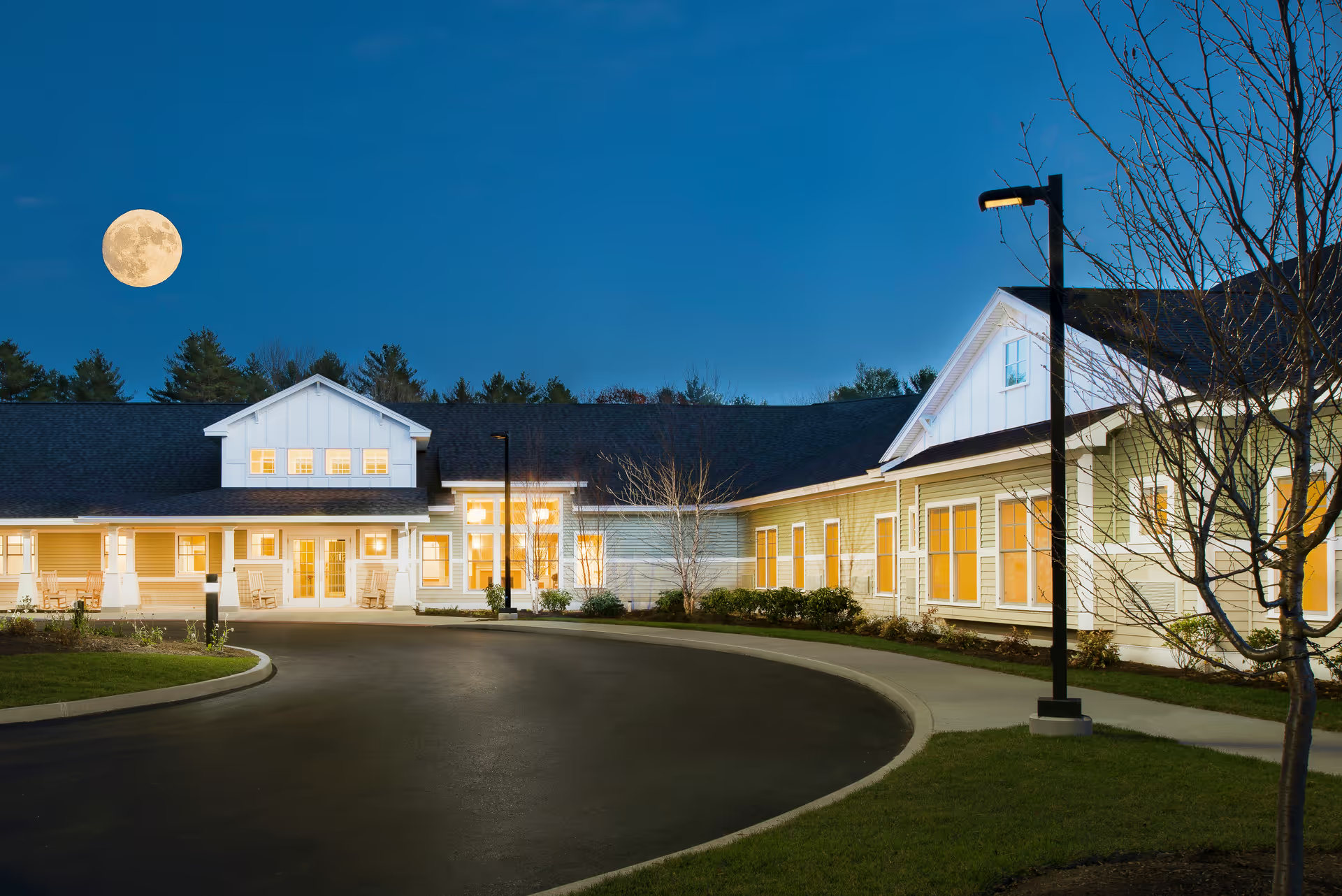
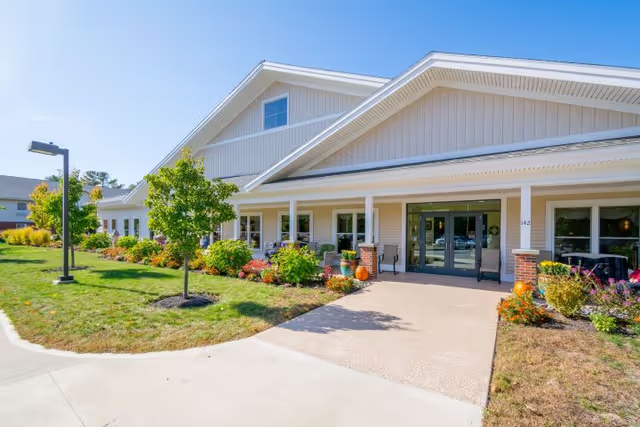
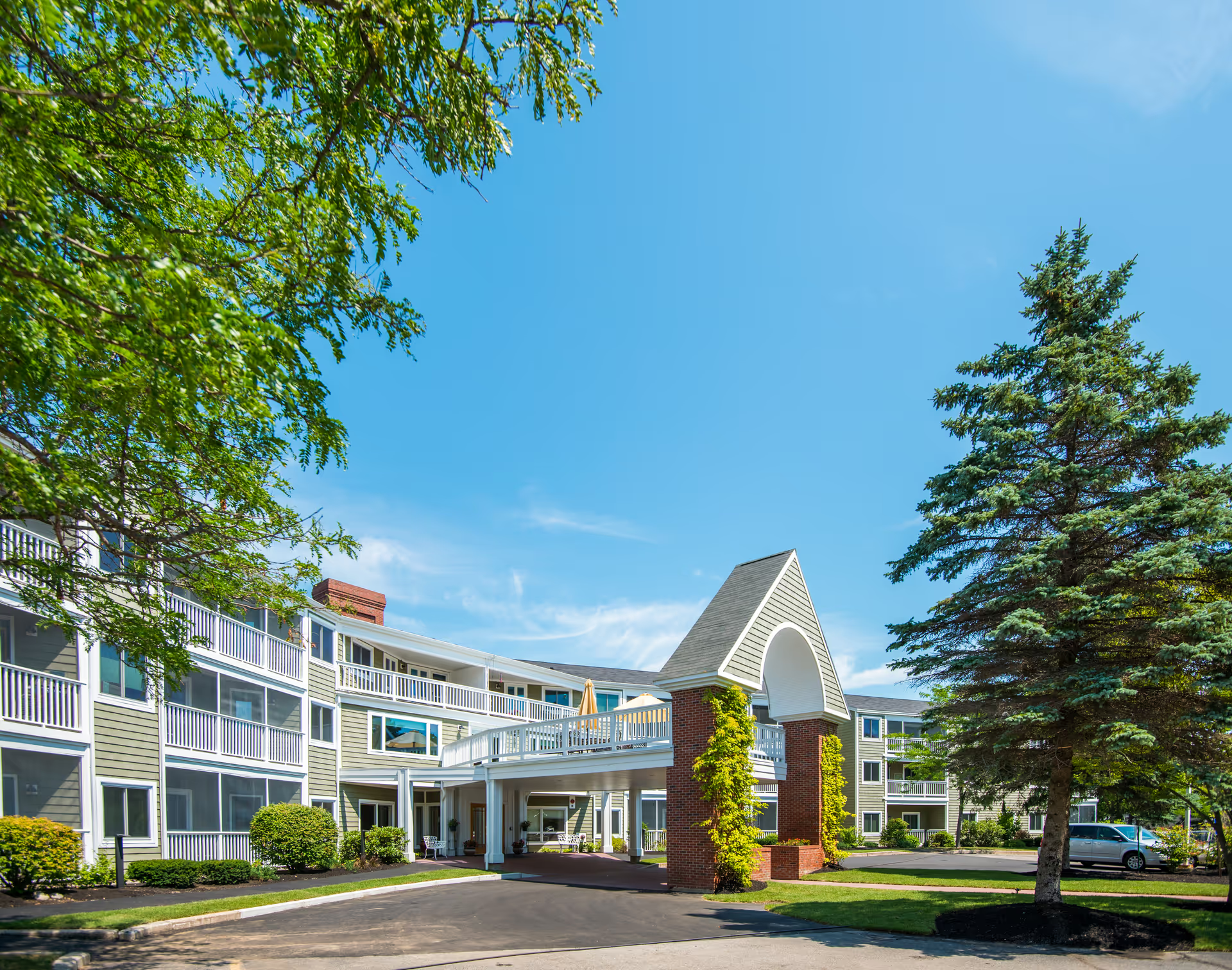
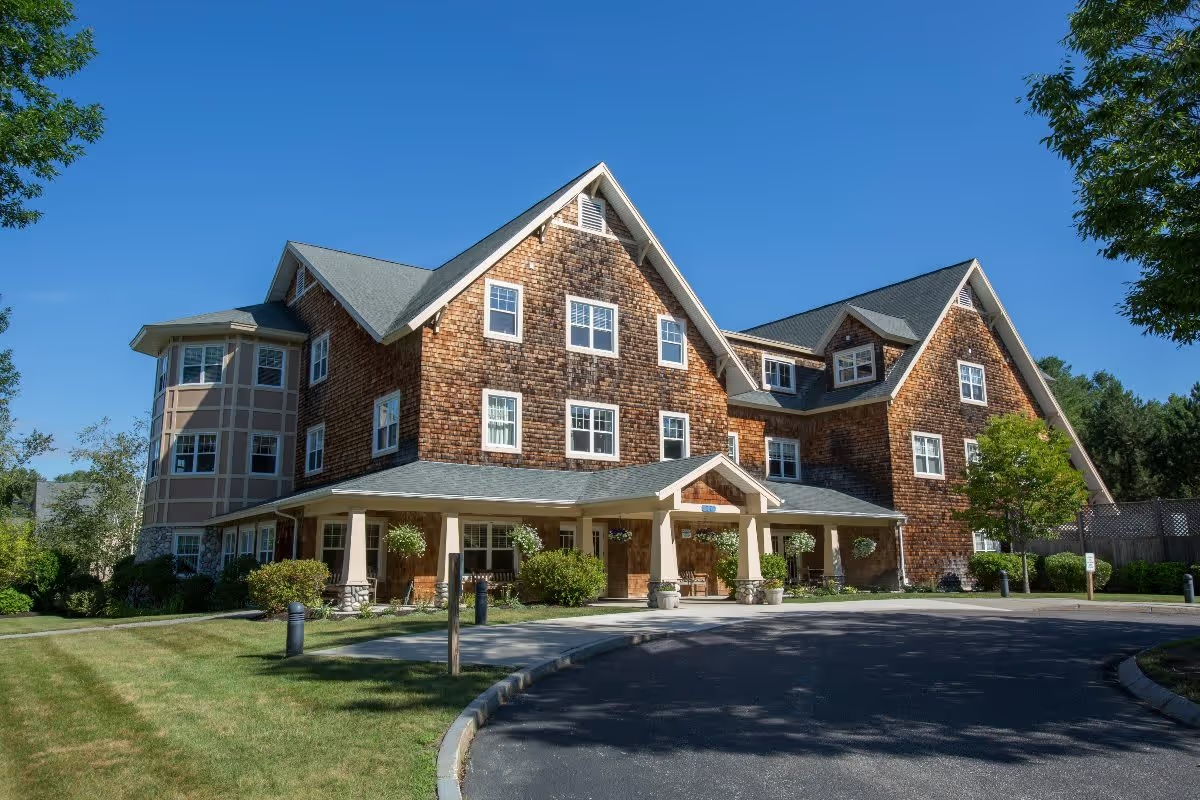
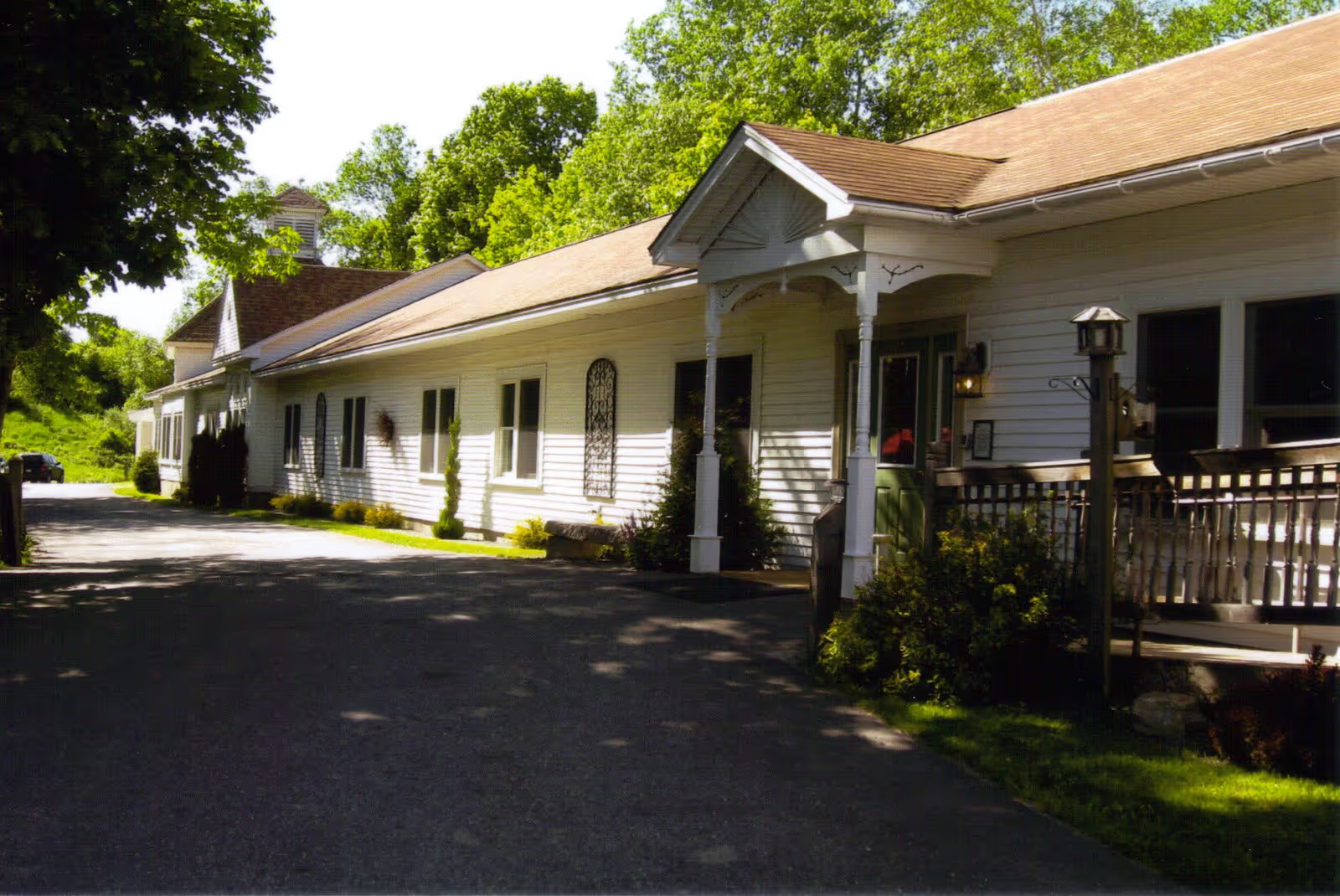
The reviews reflect a facility with clear strengths in clinical rehabilitation, caregiver attentiveness, and hospitality services alongside recurring operational inconsistencies. Many families and residents praised the staff for compassion and professionalism, singled out the therapy team as effective in restoring mobility after injury, and complimented the dining program — including frequent praise for the chef and meal variety. Positive comments also highlight a generally clean, well-maintained building with pleasant private rooms and a welcoming communal atmosphere supported by organized events and regular housekeeping and laundry services.
Clinical care impressions are largely favorable for short-term rehabilitation: reviewers described focused admission assessments, coordinated therapy goals, and successful discharges home. Nursing and direct-care aides receive numerous commendations for responsiveness and personal attention, and several accounts indicate that hospice coordination and family support were handled sensitively. The facility’s infection-control practices during the pandemic were also noted positively by multiple reviewers.
At the same time, there are notable patterns that prospective residents and families should evaluate. Staffing consistency emerged as a recurring operational concern — particularly during late afternoons and overnight periods — with impacts on responsiveness and timely assistance. Housekeeping and bathroom maintenance were described as uneven in some areas, and a subset of reviews raised odor and sanitation concerns in specific rooms or common areas. Dining experiences were not uniform: while many praised the food, others described meals they found unacceptable, suggesting variability in meal preparation or delivery across shifts or units.
Communication and operational issues are another theme. Several reviewers described delays or lapses in family communication, challenges obtaining nursing attention at busy times, and restrictive visitor-access procedures or limited visitor amenities. There are also accounts that imply variability in behavioral management for residents with cognitive impairment during nighttime hours. More serious claims appear in a small number of reviews — including allegations of significant incidents and concerns following a resident’s death and statements about employee-payroll disputes — which merit direct inquiry and, where appropriate, review of regulatory inspection records.
In sum, Winship Green Center demonstrates strong capabilities in rehabilitation, individualized caregiving, and hospitality, with many families reporting positive outcomes and supportive staff. However, the facility also shows variability in operational consistency — staffing patterns, sanitation, dining, family communication, and some aspects of management and employee relations — that could materially affect an individual’s experience. Prospective residents and their families should tour the facility, observe staffing at different times of day, ask for current staffing ratios and recent inspection or complaint histories, review therapy scheduling practices, and clarify visitor policies and end-of-life care procedures before making a placement decision.