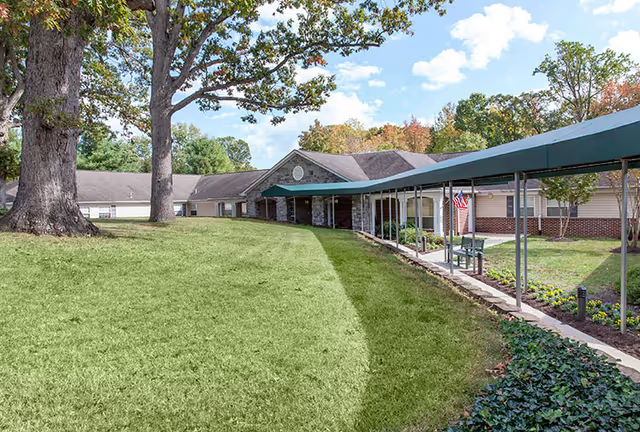
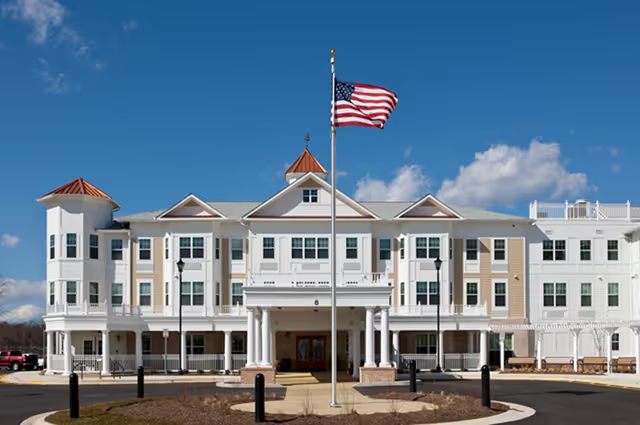
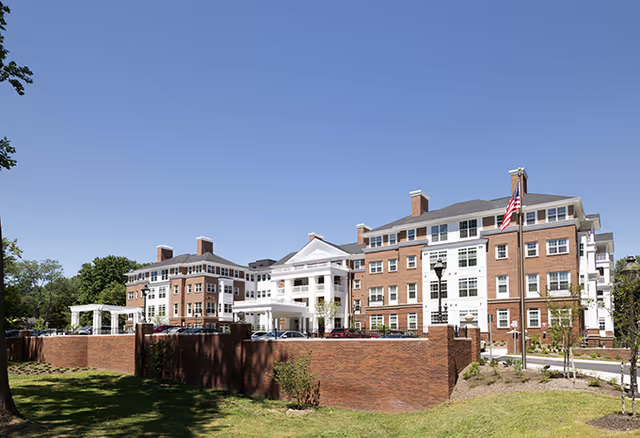
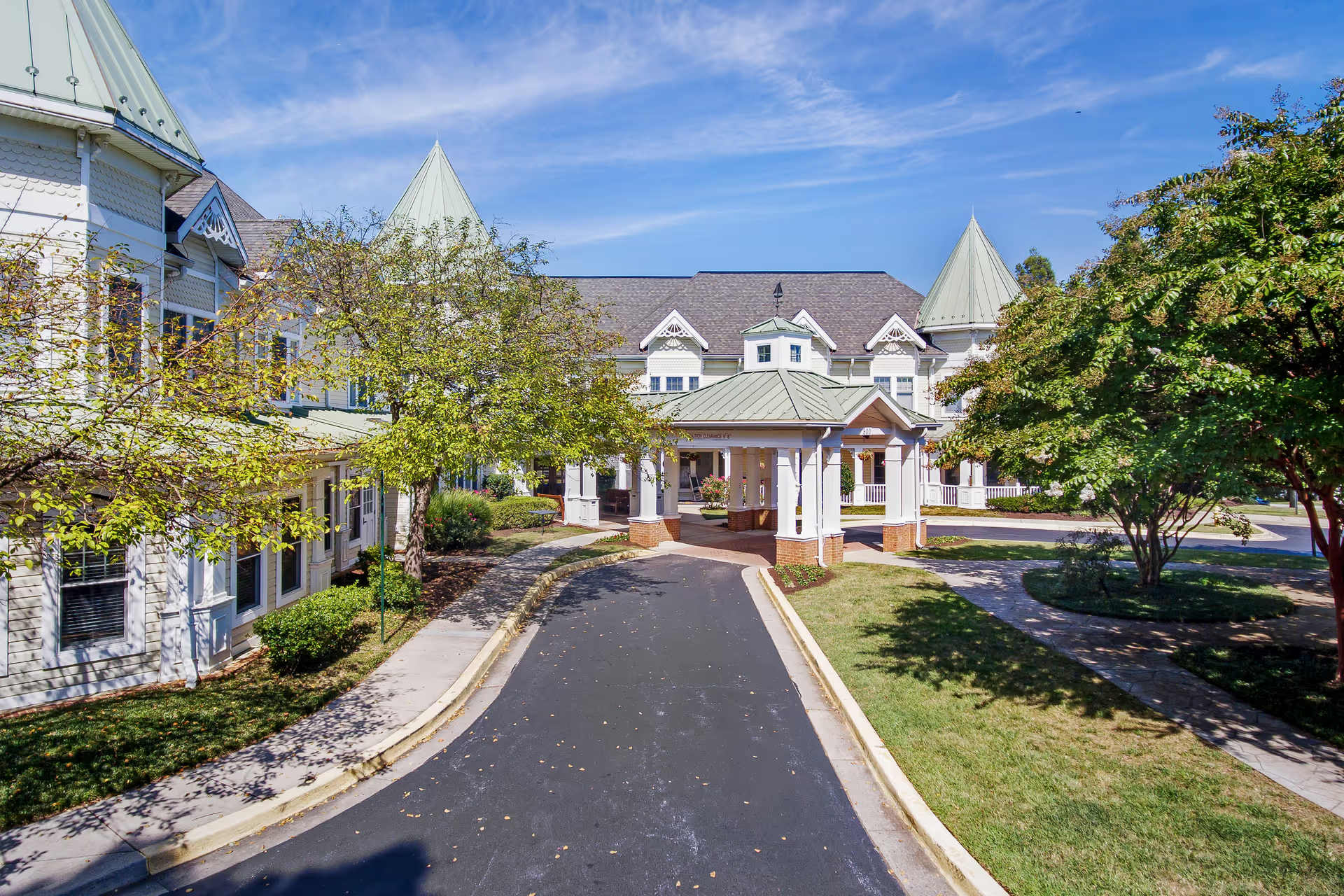
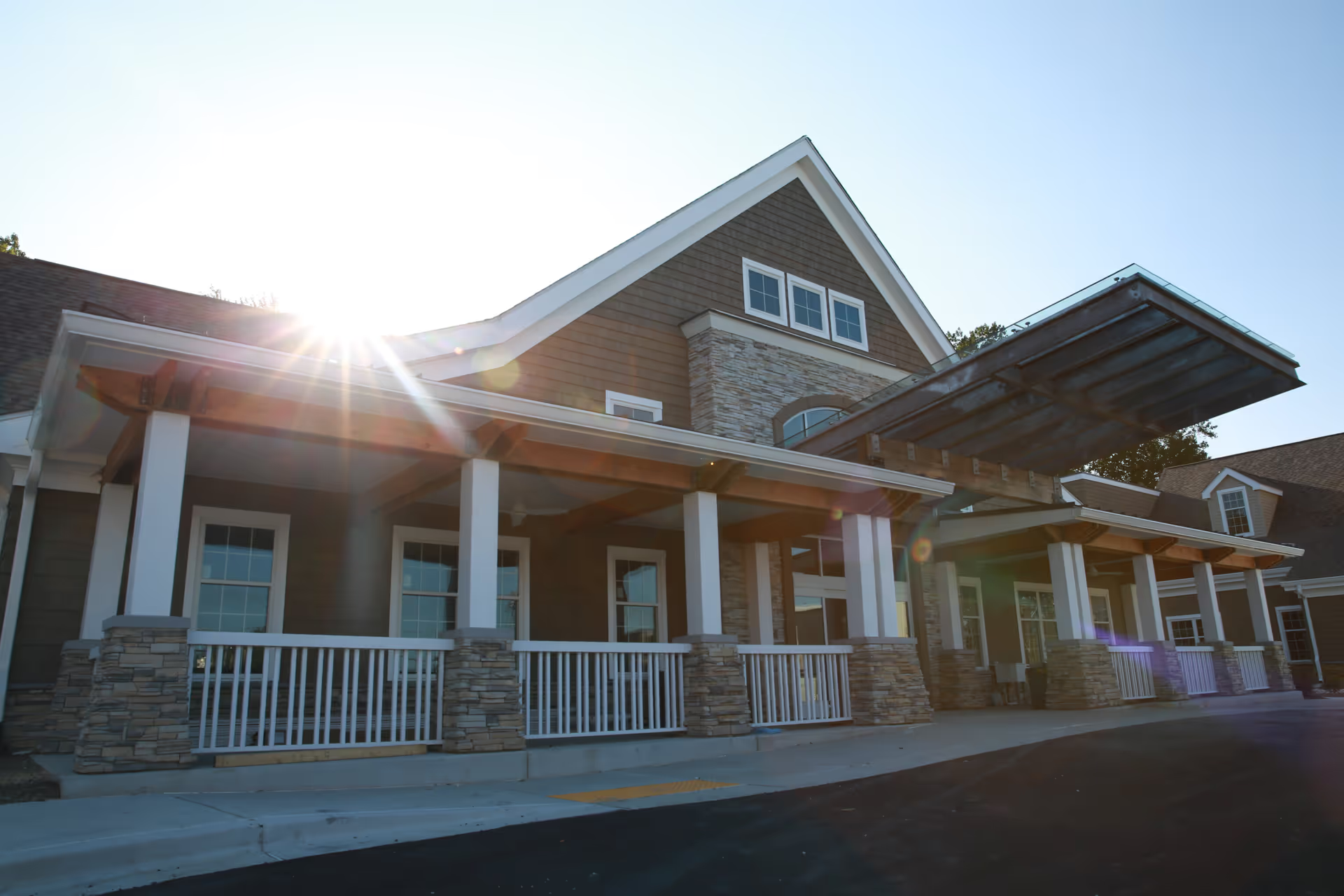
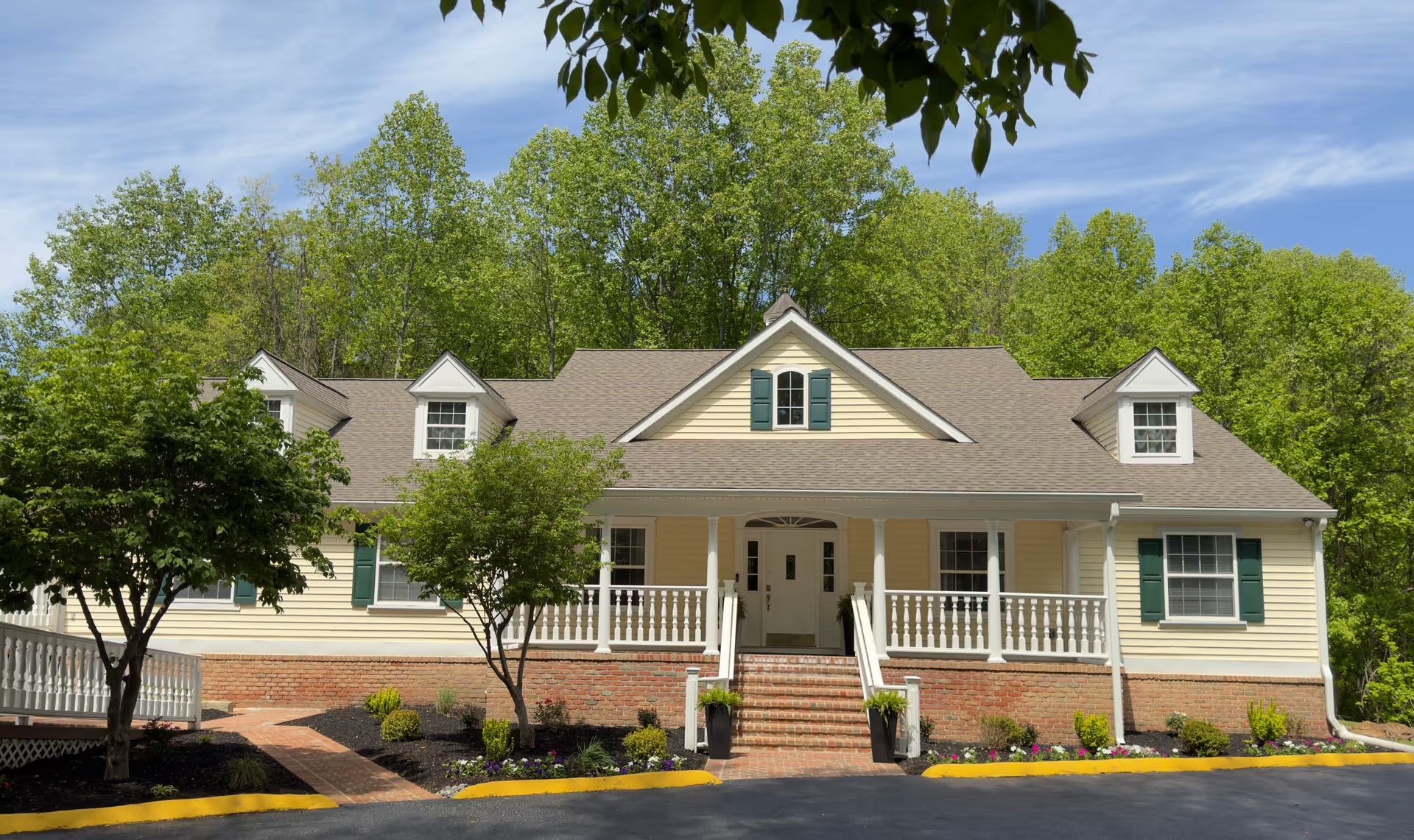
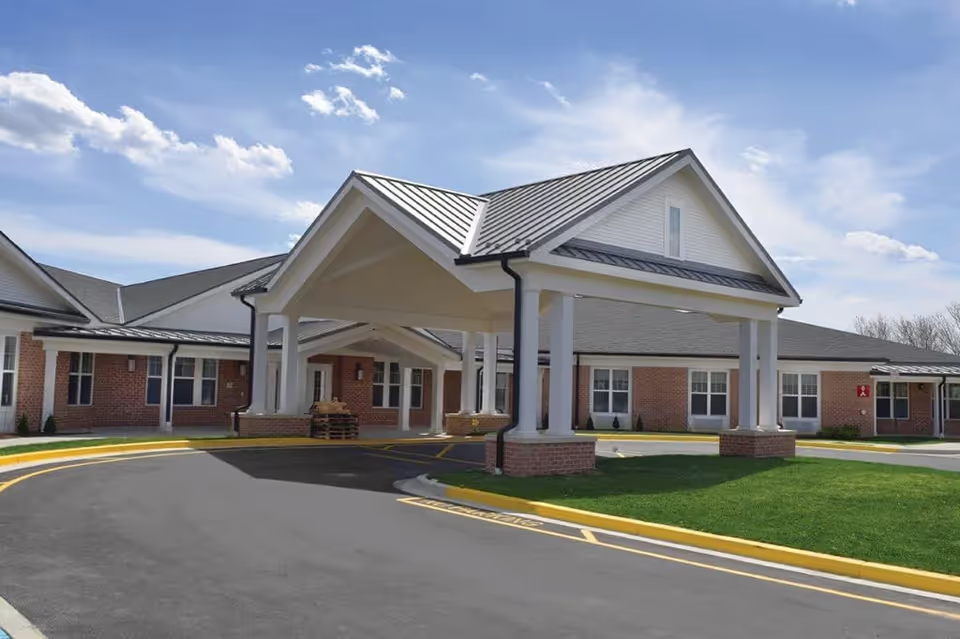
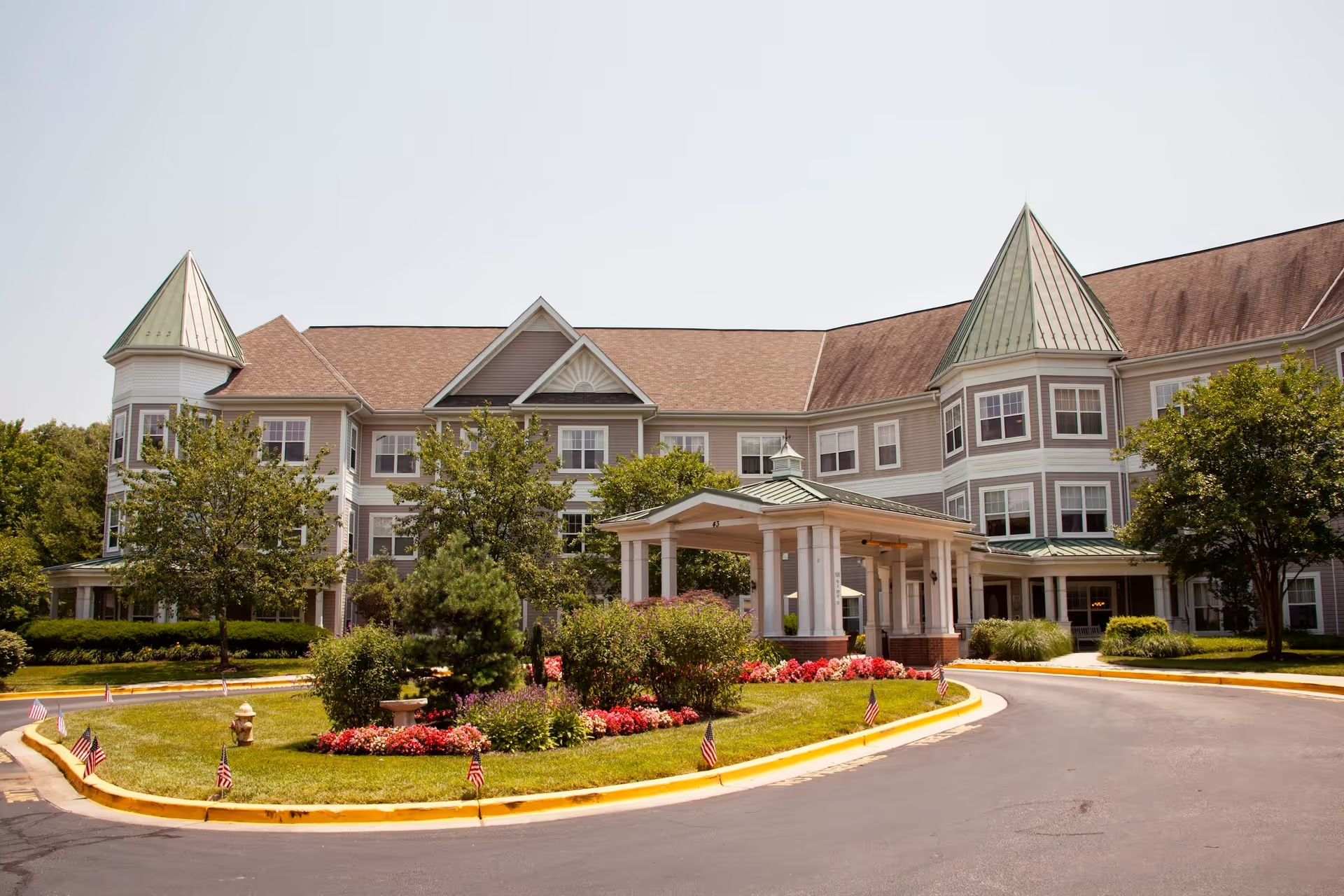
Ginger Cove presents as a large, well-appointed continuing-care community with many strengths in rehabilitation, dining variety, amenities, and campus upkeep. Reviewers frequently highlight a competent therapy team (speech and physical), a registered dietitian, inventive menus, and restaurant-style dining. The property and grounds are consistently described as attractive and well maintained, with waterfront access, outdoor living space, and a wide set of on-site amenities (salon, bank, shuttle, workshops, library) that support active daily living and social engagement.
Clinical services and direct care elicit a mixed but instructive pattern. Several accounts praise attentive, respectful caregivers, effective nursing oversight, and strong clinical supports for recovery and ongoing care. At the same time, recurring operational issues include understaffing and associated nursing workload pressure, which reviewers link to longer waits for assistance and delayed attention to personal-care needs. There are also noted gaps in clinical coordination—examples cited include missed or delayed execution of hospital-ordered tasks—which suggest opportunities to strengthen protocols for transitions of care and adherence to external clinical instructions.
Staff and community culture are often reported as a major positive: many residents and families describe warm, responsive staff, a strong sense of community, and low staff turnover that supports continuity of relationships. Activities programming and wellness classes are described as varied and engaging, supporting socialization and intellectual enrichment. However, some reviewers raised concerns about staff conduct and communication tone in isolated but serious accounts; these reports underscore variability in interpersonal experiences and the importance of consistent leadership and staff training.
Dining is a clear strength for many residents—inventive, comforting dishes, varied menus, and accommodating service are often praised—yet other reviewers describe inconsistent food quality and inattentive dining-room service. Operationally, this points to variability in culinary and front-of-house execution that may depend on staffing or shift patterns. Sanitation and housekeeping are generally described positively in common areas, but specific sanitation concerns in some resident bathrooms or suites were raised and warrant attention from leadership.
Management and financial matters are another area of mixed feedback. Positive impressions of well-run nonprofit operations and effective issue resolution coexist with criticisms of management tone, perceived unprofessionalism in some interactions, and problems with billing or refund processing. The facility’s cost structure, including large entrance fees tied to an ownership/condo model, is noted as a significant financial consideration for prospective residents. Families recommending Ginger Cove often cite peace of mind, comprehensive services, and the active community; families raising concerns tend to point to staffing levels, clinical-communication gaps, and billing/management inconsistencies.
Bottom line: Ginger Cove offers many attributes attractive to prospective residents seeking robust amenities, active programming, and on-site clinical services in a well-maintained campus setting. Prospective families should balance those strengths against operational considerations—particularly staffing levels, emergency responsiveness, clinical coordination during care transitions, and the financial/ownership model—and ask targeted questions during tours about staffing ratios, emergency-call systems, clinical handoff procedures, sanitation auditing, and the contract/billing refund process.