Overall impression: Reviews portray Taylor Farm Assisted Living - Aaron House primarily as a small, home-like provider with a strong emphasis on personalized dementia care and family-style living. Many families emphasize attentive caregivers, daily grooming and hygiene support, and an environment described as bright, clean, and comfortably furnished. The property is repeatedly noted for its accessible, single-level design, secure fenced yards, and opportunities for residents to participate in household tasks and outdoor activities with pets and farm animals. Pricing and service models that bundle meals, laundry, and incontinence supplies are highlighted as cost-effective compared with conventional nursing homes.
Care quality and clinical concerns: The facility is commonly praised for dementia-focused programming, routine personal-care assistance, and RN involvement in coordination. At the same time, a subset of experiences raises operational concerns about clinical response and oversight. These concerns cluster around delayed recognition of acute changes, gaps in emergency-response protocols, and inconsistent medication-administration practices. Reviewers also note that continuous on-site nursing coverage is limited, which may affect response times for certain clinical events.
Staff and management: Prospective families will see consistent praise for hands-on ownership and managers who are described as engaged and open to staff input. Caregivers are often characterized as compassionate, responsive, and skilled at building trusting relationships with residents. Offsetting this, reviewers point to variability in staffing levels and occasional issues with staff conduct, tone, or supervision. Communication with families also appears inconsistent in some cases; reviewers advise asking specific questions about notification procedures and staff turnover during a tour.
Dining, activities, and social life: Dining is described as home-cooked, family-style meals with snacks and occasional mini-salon or special treats; many residents and families appreciate the meal variety. Activity offerings that leverage the farm setting—garden tasks, crafts, walking in fenced yards, animal interactions, and household chores—are repeatedly mentioned as strengths for engagement, particularly for residents with dementia. However, some families note variability in how consistently activities are scheduled or delivered across different homes or time periods.
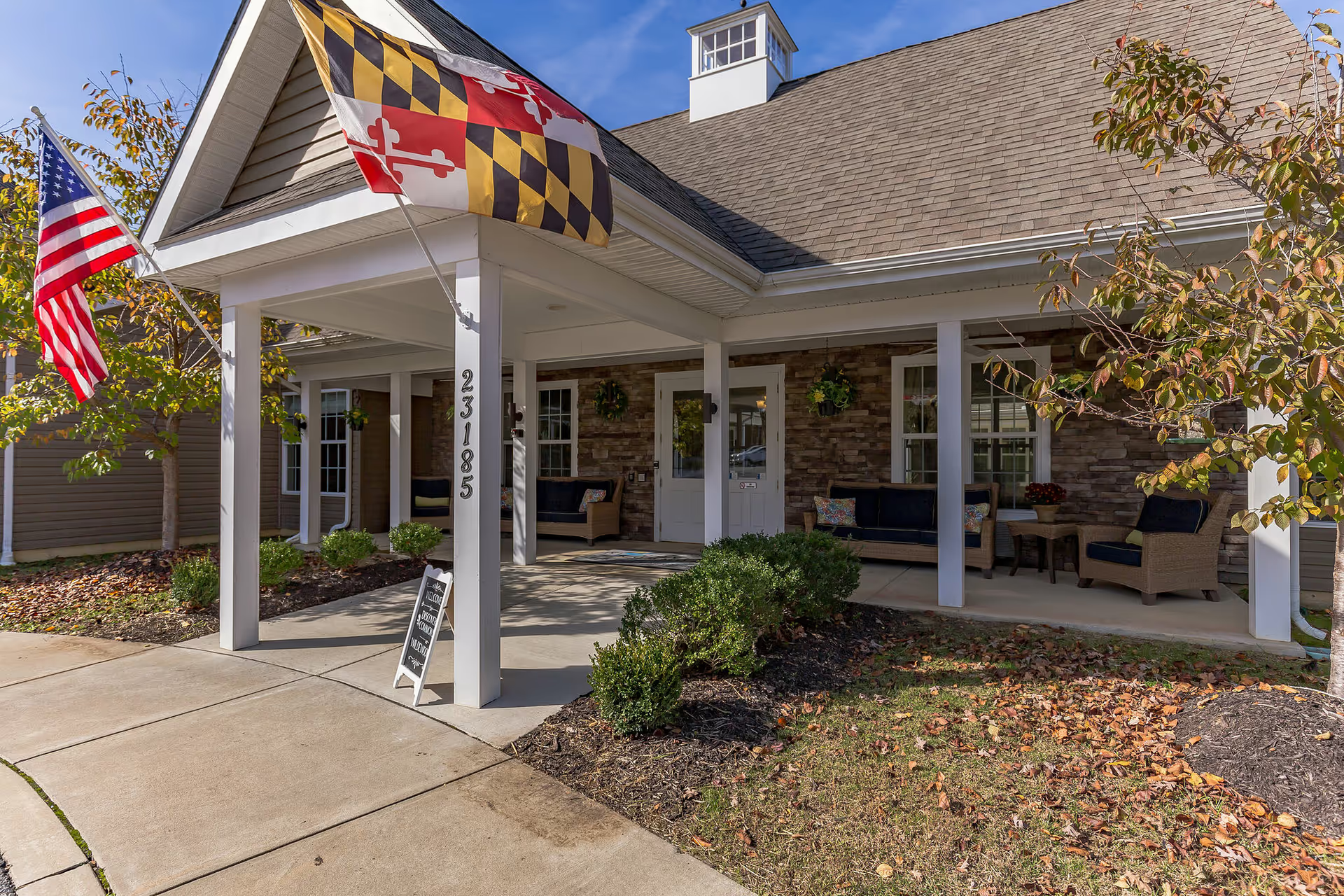
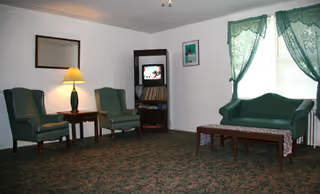
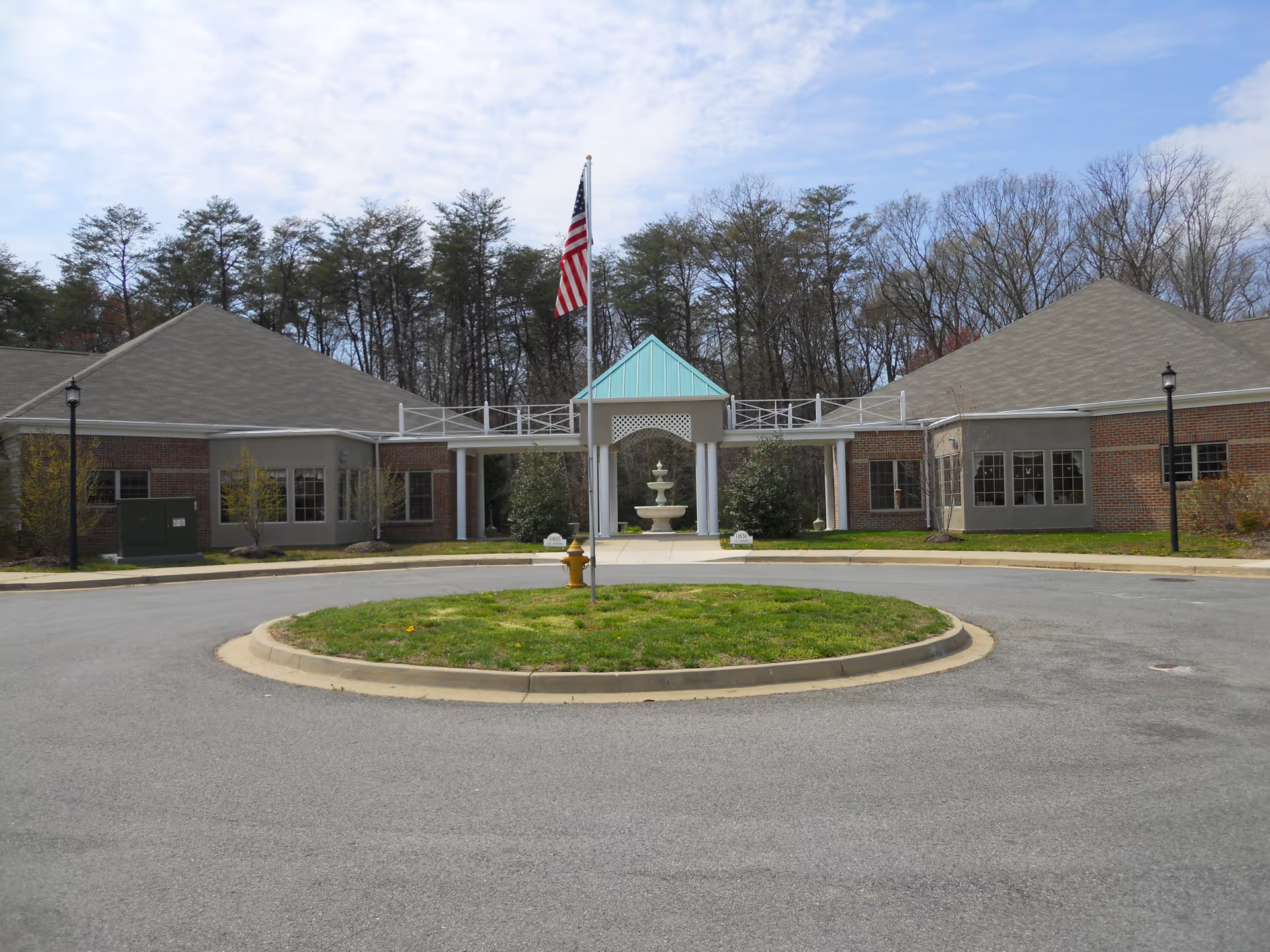
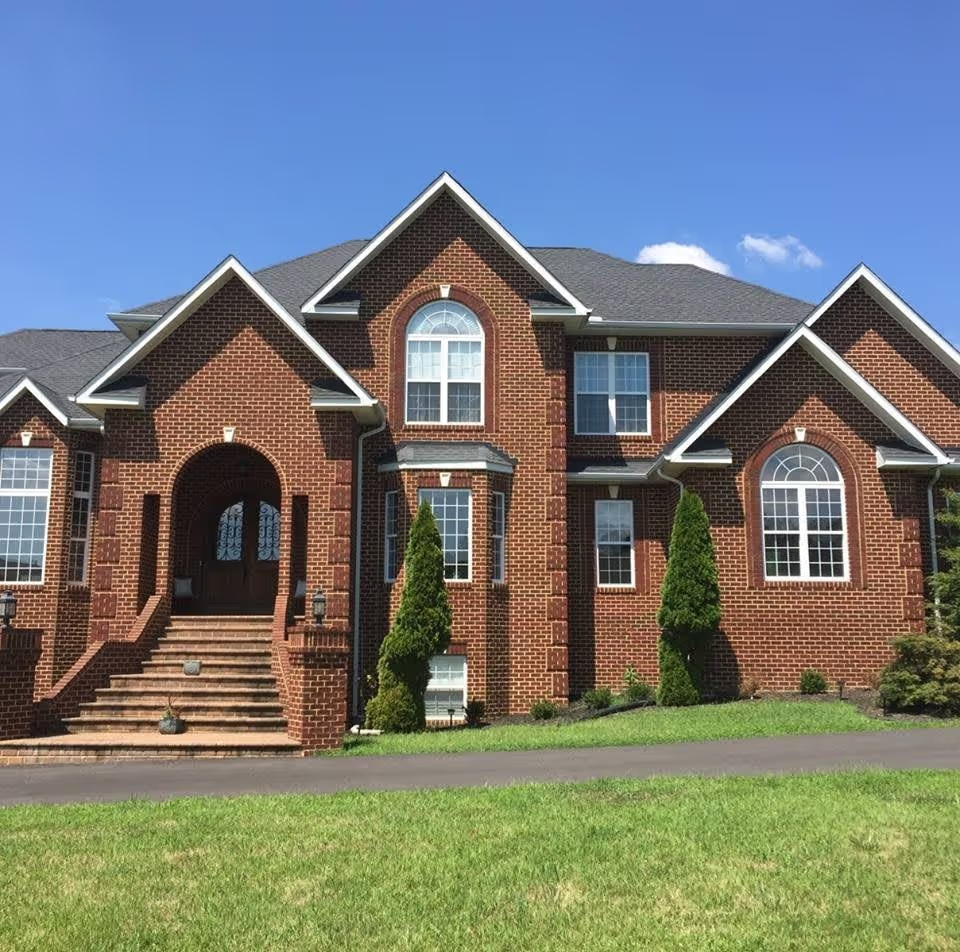
Facility and housekeeping: Physical accommodations receive positive notes for accessibility (wide halls, large showers, ground-floor layout), cleanliness, and a pleasant, home-like smell. Outdoor spaces and general property upkeep are also strengths. A limited number of comments indicate occasional sanitation or dust-control issues and HVAC/air-unit problems; prospective families should verify current maintenance and air-handling practices on-site.
Patterns and recommendations: The dominant pattern is of a small-scale, relationship-oriented provider that can be an effective, lower-cost alternative for dementia care when its model aligns with a resident’s needs. At the same time, the reviews suggest variability in operational consistency—staffing, communication, and certain clinical-response practices are the areas most frequently raised. For families considering placement, an in-person visit should include targeted questions about staffing ratios and schedules, emergency and medication protocols, recent clinical oversight or incident follow-up, housekeeping/air-quality procedures, and how the home notifies families about health changes. Confirming RN coverage patterns and reviewing how the facility manages transitions to higher-acuity care will help assess fit for residents with significant medical needs.