Overall impression: Reviews for Chesapeake Shores Nursing Center are highly polarized, with numerous accounts of excellent clinical rehabilitation, caring frontline staff, and an active activities program coexisting alongside repeated operational concerns. Positive experiences frequently highlight successful therapy-driven recoveries, attentive nurses and aides, and an engaged administration; conversely, negative accounts emphasize inconsistent responsiveness, cleanliness and maintenance issues, and variability in clinical follow-through.
Care quality: Therapy and rehabilitation are consistently identified as strengths—many families describe measurable functional improvements and strong coordination from physical, occupational, and speech therapists. Nursing and aide staff are often characterized as compassionate and attentive, and several reviewers singled out individual employees and unit managers for their responsiveness. However, there are recurrent concerns about delayed responses to basic needs, inconsistencies in medication administration and documentation, and delays in incontinence care and timely repositioning. Clinical competency appears variable between shifts and individuals, and several reviewers advised active family advocacy to ensure prescribed care is carried out.
Staff and management: The facility receives frequent praise for individual staff members and for unit-level leaders who are accessible and proactive; an open-door administrative approach is also mentioned positively. At the same time, reviewers describe staffing shortages and thin coverage—particularly at night—which contribute to slower response times and uneven care. Communication with families is described as effective in many cases but inconsistent overall; some families reported clear daily updates, while others described difficulty reaching staff or getting timely information about clinical changes.
Dining and activities: The activities program and life-enrichment offerings are a clear strength, with examples of engaging group events, outings, religious groups, and holiday programming. Therapy-led activities and individualized engagement for residents with dementia receive positive mention. Dining receives mixed feedback: kitchen and dietary staff are praised for accommodations and individual attention, yet some families noted cold meals or inconsistent meal quality and service timing.
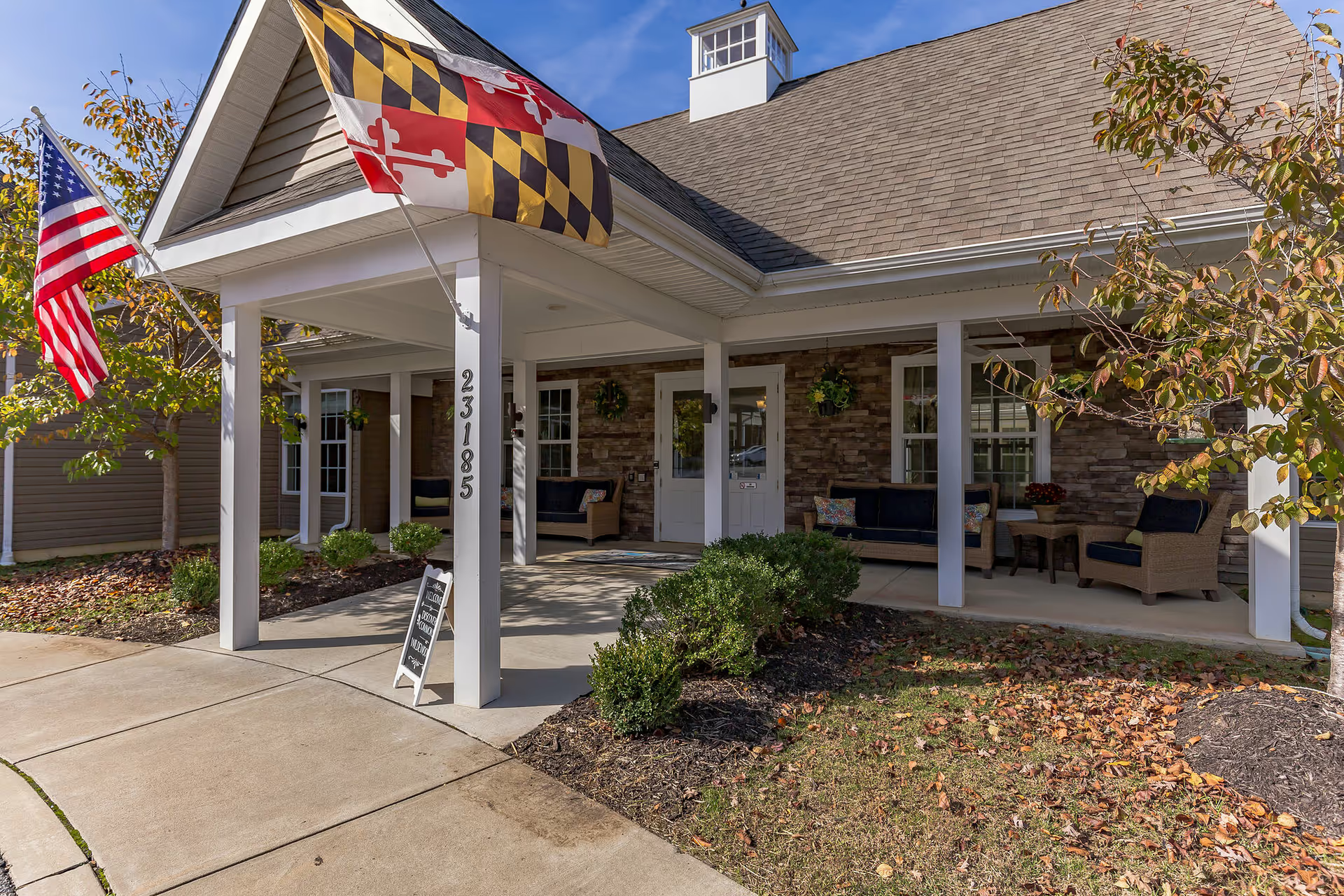
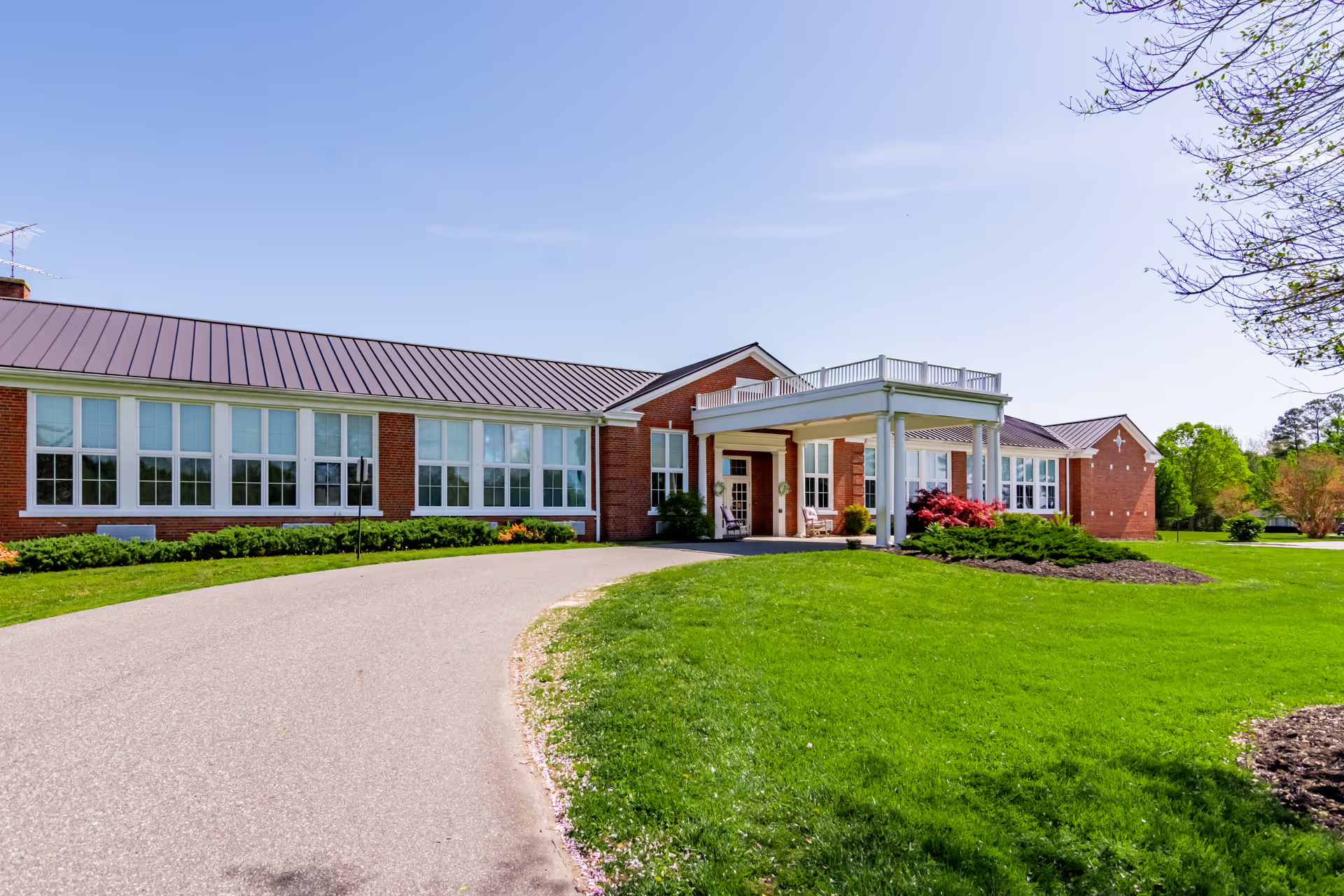
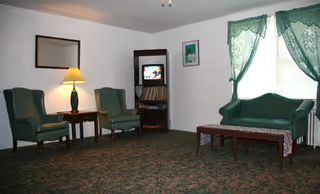
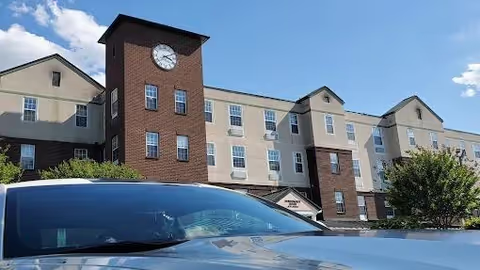
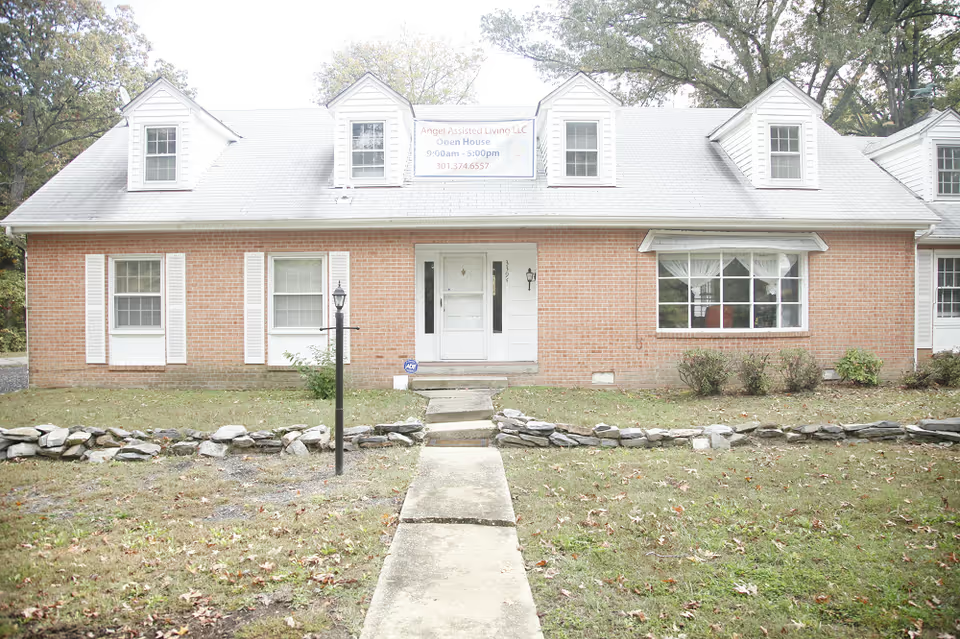
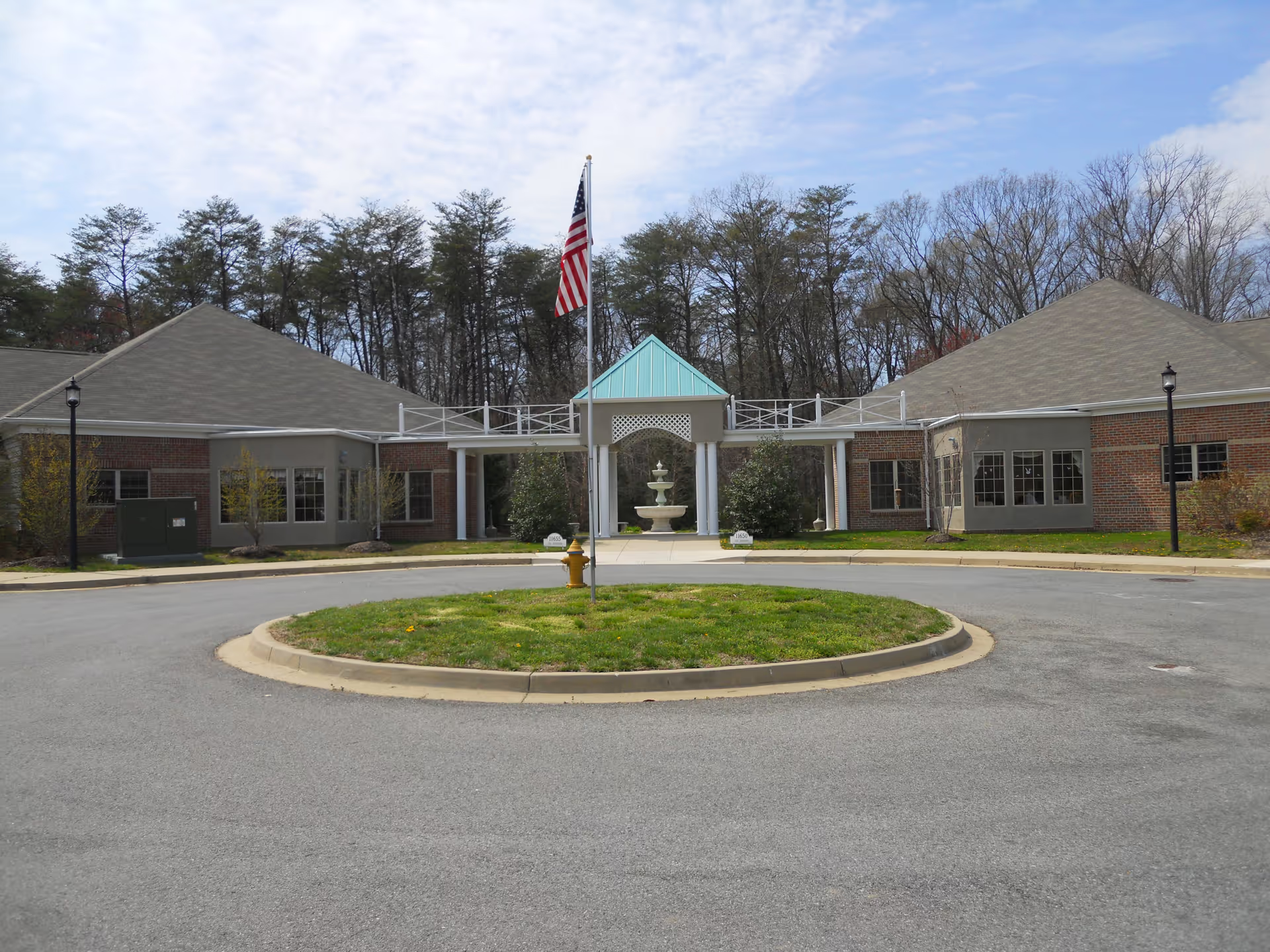
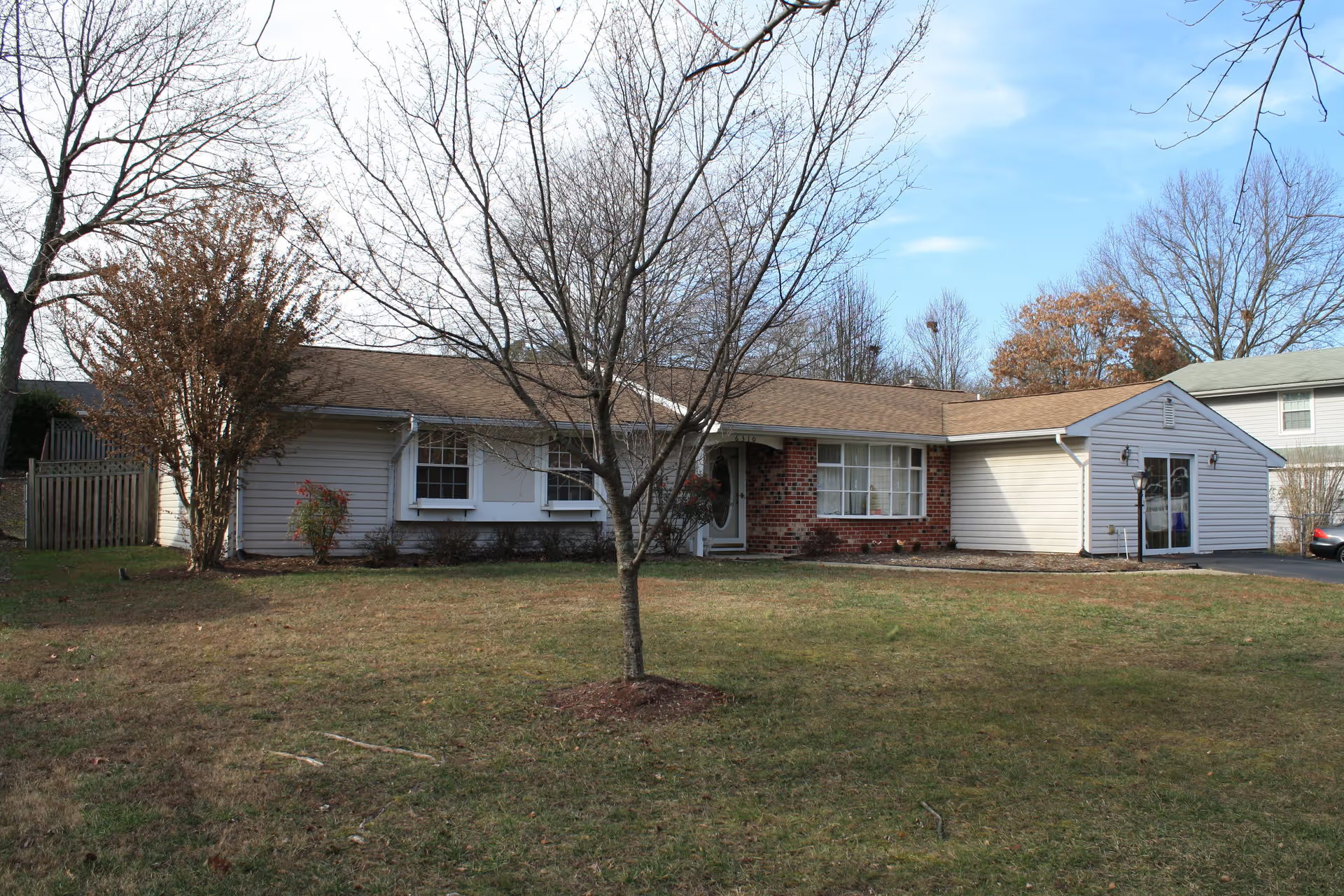
Facilities and environment: The building is described as older and in need of maintenance and upgrades in places. Cleanliness and odor-control issues in common areas and corridors are repeatedly raised as a concern; at the same time, many reviewers described clean, comfortable rooms and well-kept units. Room configuration is a noted limitation for some families—small shared rooms and limited privacy are mentioned. Housekeeping consistency and overall facility upkeep are areas families recommend inspecting during a visit.
Notable patterns and recommendations: The most consistent positive themes are strong rehabilitation outcomes, engaged activities, and many individual staff members who provide compassionate care. The most consistent negative themes are inconsistent responsiveness, staffing variability across shifts (especially nights), gaps in medication and personal-care processes, and intermittent cleanliness/maintenance issues. Prospective residents and families should tour the facility during different shifts, observe care-team interactions and response times, ask about staffing ratios and night coverage, review medication-administration and incontinence-care protocols, confirm procedures for handling personal belongings, and speak with therapy staff about expected rehabilitation goals. These steps can help reconcile the facility’s demonstrable clinical strengths with the operational limitations described by other families.