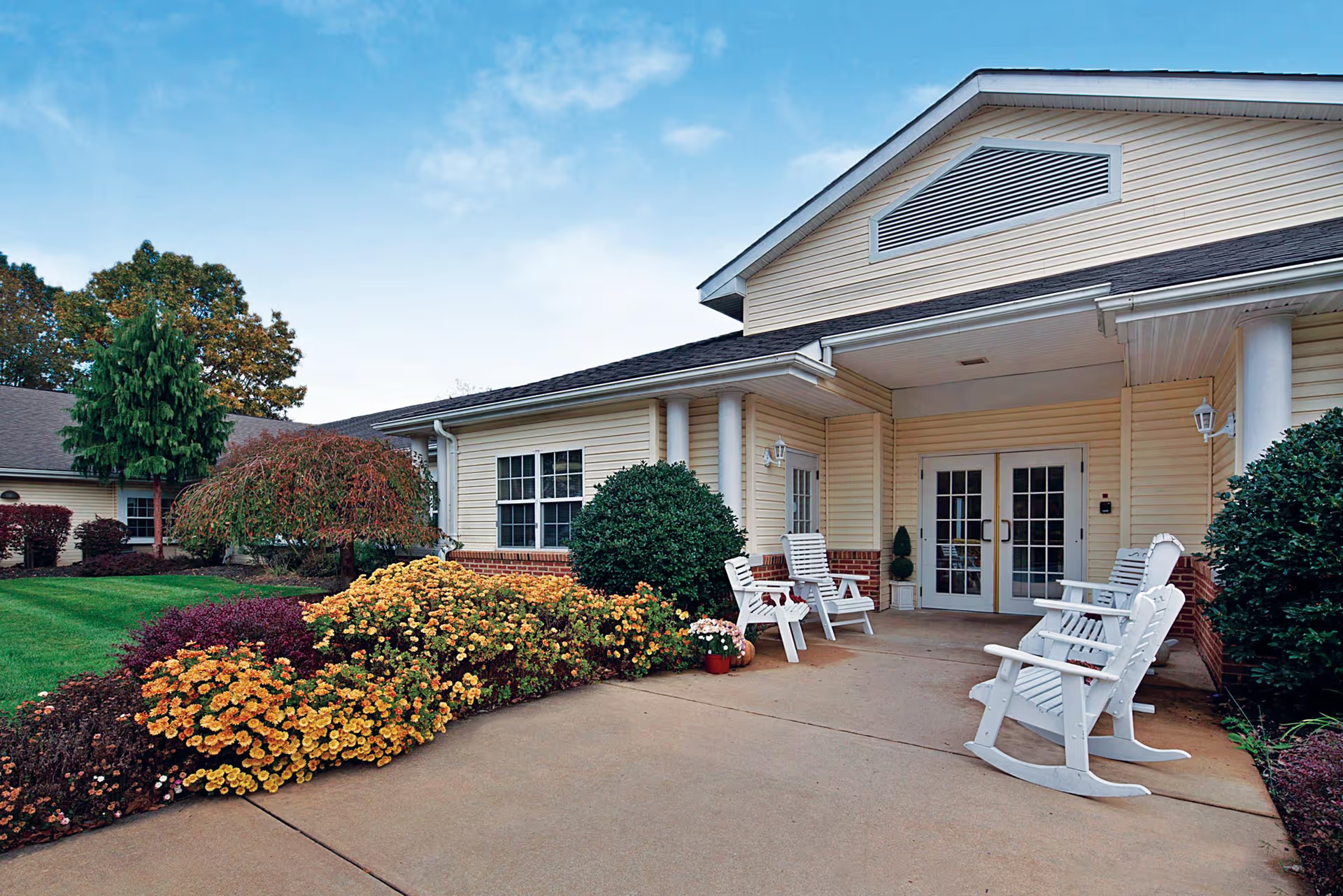
Overall impression Reviewers describe Twin Oaks Assisted Living as a clean, well-kept community with a warm, home-like atmosphere. Common positives include a welcoming lobby and receptionist, well-furnished rooms, and staff who are described as friendly, kind, and accommodating. Several comments emphasize that staff treat residents with consideration and create a family-oriented environment.
Care and staff The facility is generally characterized by attentive caregiving and proactive communication with families; many accounts note staff members who are helpful and keep families informed. That said, there is at least one account of a delayed clinical response to an acute issue, which suggests occasional gaps in timeliness of clinical escalation or bedside responsiveness. Prospective families may want to ask about on-shift clinical coverage, escalation protocols, and typical response times during a tour.
Dining and nutrition Twin Oaks offers in-room meal delivery and reviewers indicated meals were presented acceptably. However, at least one reviewer raised a concern about a resident not eating well, which points to potential variability in meal appeal and the need for attentive monitoring of individual intake. Families should inquire about menu flexibility, therapeutic diets, snack availability, and how staff track and escalate poor appetite or weight loss.
Facilities, safety, and operations Facility upkeep and cleanliness are frequently noted as strengths; reviewers described the environment as clean and well-kept. Rooms are described as well-furnished but relatively small, so space constraints may be a consideration for prospective residents. One operational concern raised is that visitors were able to enter without staff awareness, indicating a potential lapse in access control or sign-in procedures. Visitors and families should clarify visitation policies and entry procedures when evaluating the community.
Management and notable patterns Overall feedback emphasizes positive staff–resident relationships and an accommodating culture. While most comments reflect satisfaction with daily care and communication, the few operational concerns—timeliness of clinical response, room size, visitor access, and monitoring of nutritional intake—are areas worth confirming with management. Prospective residents and families would benefit from targeted questions about staffing ratios, clinical escalation processes, nutrition-monitoring practices, and security/visitor sign-in procedures to ensure the community meets their specific needs.