Reviews of Williamsport Health & Rehabilitation Center describe a facility with notable strengths alongside recurring operational weaknesses. Positive comments emphasize compassionate, engaged staff—including long‑tenured nurses, nursing assistants, therapists, and volunteers—who frequently receive praise for individualized care, motivation in therapy, and supportive end‑of‑life services. The short‑term rehabilitation program is a common highlight: families describe strong PT/OT results, competent therapists, and an environment that can support functional improvement. Several reviewers also praised the facility’s pandemic response, including creative visitation solutions and proactive infection-control practices.
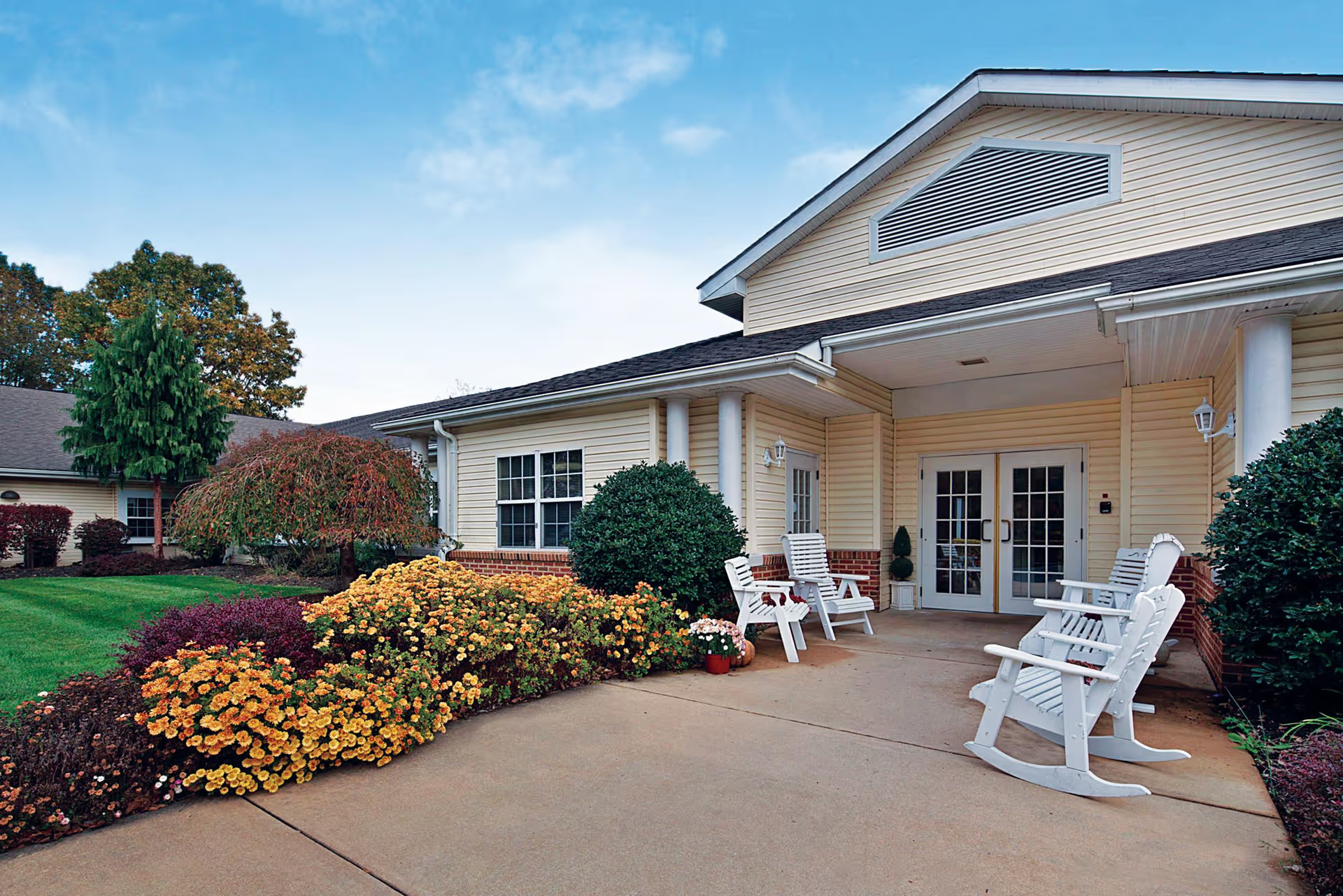
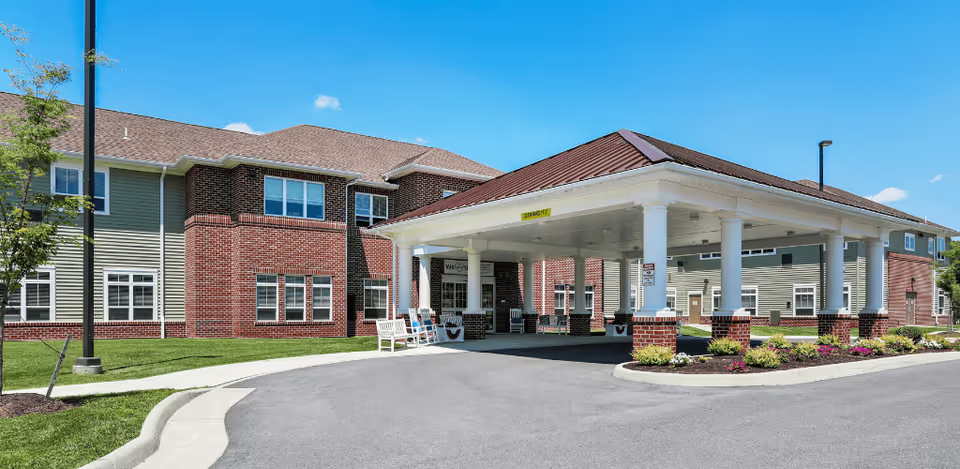
The activities program and amenities are described consistently as active and varied. Residents have access to music, Bingo, outings, devotional sessions, crafts, pet visits, a full‑time hairdresser, and organized holiday meals. Public spaces—sunrooms, screen porches, lounges with televisions, and landscaped outdoor areas with wheelchair trails—contribute to a homelike atmosphere in many parts of the campus. Some dining experiences are described as restaurant‑style, and special events receive positive feedback.
Counterbalancing these strengths are repeated operational concerns that prospective families should evaluate. Staffing inconsistencies and turnover are a commonly cited issue and are associated with slow response times, missed or delayed personal care tasks, and uneven availability of familiar, long‑standing staff. Medication administration and clinical responsiveness are areas of concern for some families, who described delays in medication delivery and inconsistent clinical follow‑up. Sanitation and odor concerns were reported primarily in the older long‑term care areas; several reviewers contrasted the cleaner, better‑equipped rehab wing with smaller, more worn long‑term rooms.
Dining quality and service timing appear uneven: while some praise the food, others describe late or cold meals and variability in menu appeal. Communication and administrative processes also show variability. Families noted gaps in timely updates about clinical status and discharge planning, unclear management oversight in some situations, and issues with billing transparency and coordination of outsourced diagnostic services. There are additional operational notes about personal‑property handling and the need to confirm how belongings are inventoried and stored.
Overall pattern: the facility offers strong rehabilitation services, an active activities program, and many compassionate staff members who can deliver high‑quality care. However, experiences vary by unit and shift—particularly between the newer rehab wing and older long‑term care sections—and by staffing levels. Prospective residents and families should arrange a walk‑through of both the rehab and long‑term areas, ask specific questions about staffing ratios, medication administration protocols, cleaning schedules, communication and discharge procedures, billing itemization, and how the facility handles personal property. Observing a mealtime and speaking directly with therapy and nursing leadership can help clarify whether the facility’s strengths align with the prospective resident’s needs.