The reviews present a mixed but consistent pattern: many families and residents praise the staff and rehabilitation services, yet operational weaknesses undermine overall reliability. Positive themes include a cohort of compassionate, committed nurses and aides, effective physical and occupational therapy, and an admissions/front-desk team that is generally helpful. The facility’s location adjacent to a hospital, COVID-19 precautions, and a clear rehab-to-assisted-living pathway are also commonly cited strengths. Several reviewers highlighted strong support during end-of-life care and meaningful personal attention from long-tenured local staff.
Care quality appears uneven. Reviewers describe caring and capable frontline staff, but recurring staffing shortfalls create delays in routine assistance, toileting/incontinence support, bathing, and medication or wound-care follow-up. These delays are the most frequently cited operational issue and appear to be the main driver of acute family concerns. Where staffing and clinical follow-through are sufficient, families reported reassuring and effective care; where coverage is thin, the facility struggles to maintain timely attention.
Dining and nutrition emerge as another area of variability. Some reviews describe adequate meal service, while others criticize repetitive menus, limited snack and beverage availability between meals, and inconsistent food quality and preparation. These inconsistencies have implications for resident appetite and perceived nutrition. Activity programming is offered and appreciated by many residents, but reviewers indicate variability in intensity and engagement — some find the schedule meaningful, others describe it as minimal.
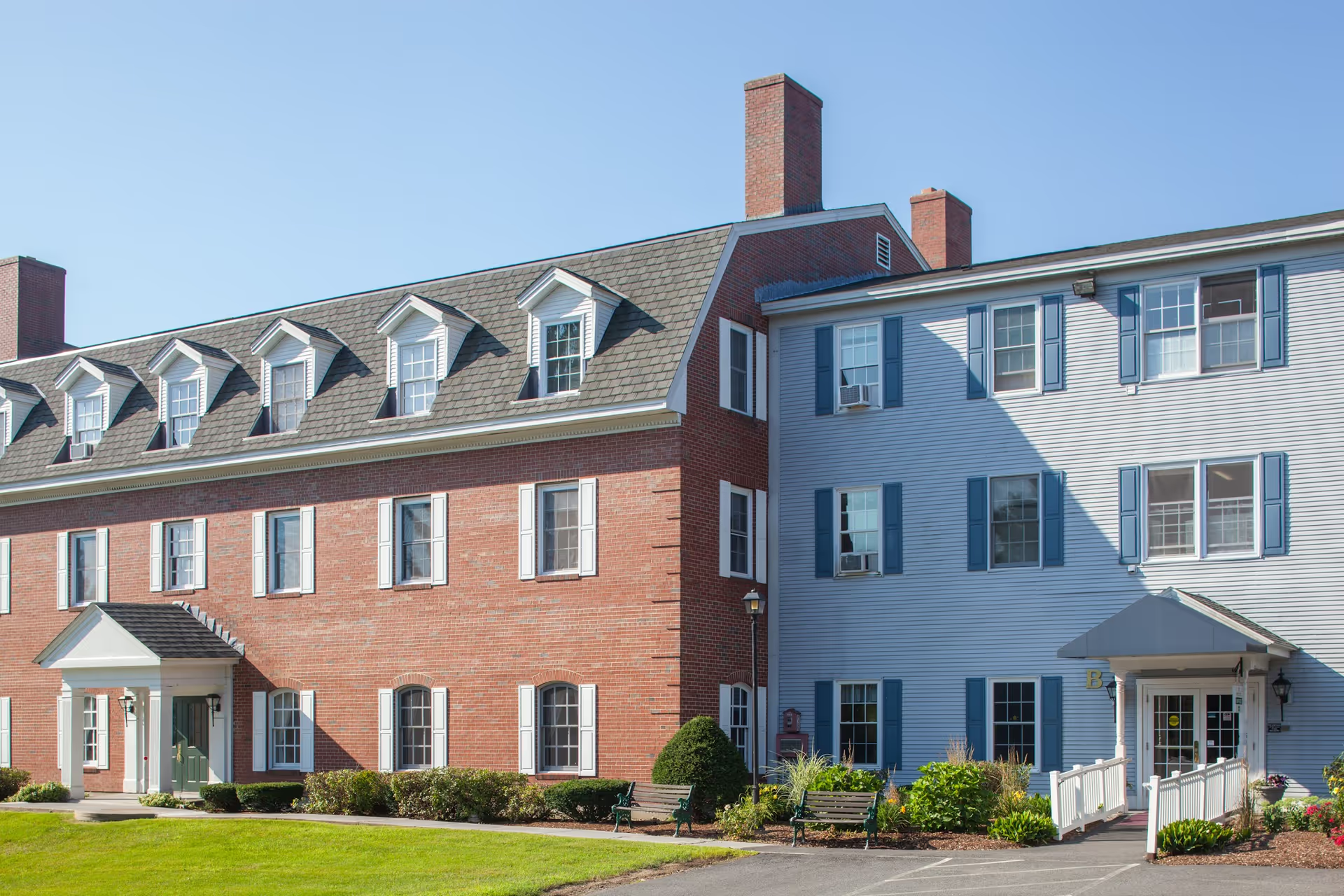
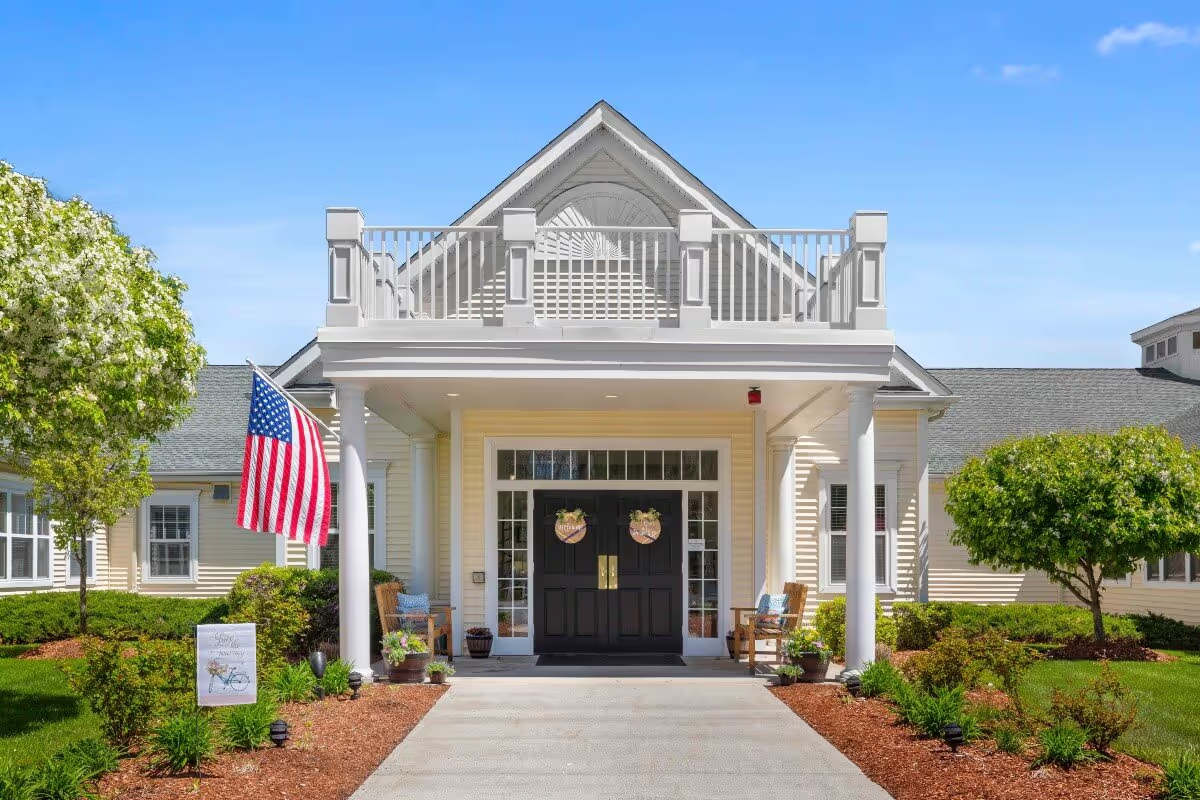
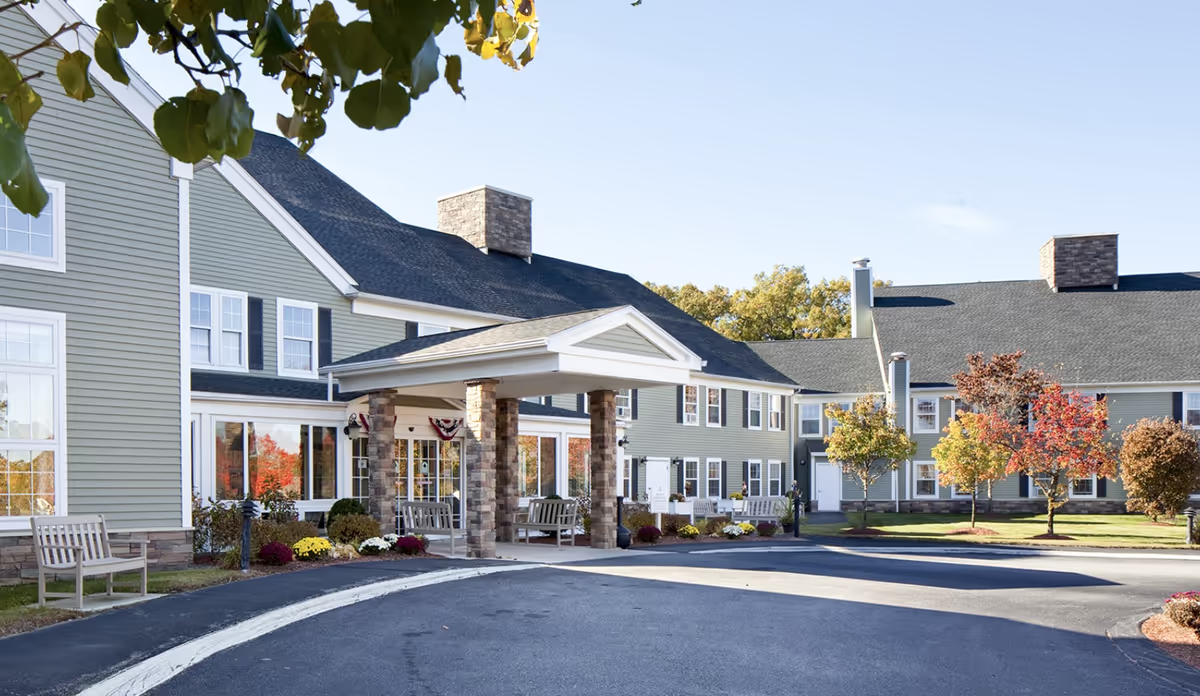
Facility maintenance and housekeeping present mixed impressions. Several reviewers praise clean, well-maintained areas and attentive housekeeping staff, but an almost equal number raise concerns about localized sanitation issues, odors in some units, stained carpeting and dated furnishings, and inconsistent room cleaning. Laundry management and tracking of personal belongings is a recurring operational gap, with reports of missing or misplaced clothing and delays in return of garments.
Communication and management responsiveness are also inconsistent. Families commend specific administrators and staff who are engaged and transparent, and note improvements under new leadership. At the same time, others report difficulty reaching staff by phone, voicemail-only systems, delayed updates about clinical status, and uneven follow-through on transfer and admission requests. There are serious individual-level claims, including allegations of theft and privacy-interference; these are distinct from general operational complaints and warrant inquiry during any evaluation of the facility.
Overall, the facility’s strengths are concentrated in the dedication of frontline caregivers and its rehabilitation services, while principal weaknesses are systemic: inconsistent staffing levels, uneven housekeeping and meal-service reliability, lapses in laundry/property management, and variable management communication. Prospective residents and families would benefit from on-site visits focused on current staffing ratios, routine personal‑care schedules, meal/snack policies, laundry and belongings procedures, recent inspection results, and how leadership is addressing the cited operational gaps.