Reviews of North End Rehabilitation & Healthcare Center are highly polarized: many families and residents describe excellent therapy-driven rehabilitation, a clean and recently renovated environment, and personable therapists and aides, while others raise significant concerns about nursing consistency, responsiveness, and operational coordination.
Care quality is a common point of divergence. Physical and occupational therapy are frequently praised for being effective, motivating, and instrumental in short‑term functional gains. Multiple accounts note good therapy follow‑through, an in‑room gym, and five‑day therapy schedules that supported measurable improvement. Nursing and direct‑care performance is described unevenly: some reviewers found nurses and CNAs attentive and compassionate, whereas others experienced slow responses to call lights, medication‑timing delays, and variable assistance with activities of daily living. Several families described situations that indicate gaps in clinical oversight and communication during acute events; these raise concerns about escalation pathways and post‑event family notification.
Staffing and management patterns appear to drive much of the variability. Positive comments about dedicated, knowledgeable staff and helpful admissions personnel coexist with numerous reports of understaffing, especially on weekends and nights, high turnover, and inexperienced new aides. These staffing inconsistencies are linked to slower response times, uneven care across different units, and feelings of reduced continuity. Language barriers and occasional rough or unprofessional conduct by individual staff members were also described, pointing to training and supervision needs. Reviewer accounts also reference administrative turnover and inconsistent follow‑up from case management or social work, affecting discharge planning and external appointment coordination.
Dining and activities also produce mixed impressions. Several families praised the cuisine, dietitian engagement, and accommodated meal plans; others noted declines in food quality after vendor changes, small portions, close meal timing, and fewer snack options. The facility’s social programming — music nights, movies, crafts, and family‑oriented events — received positive mentions and is seen as a strength for resident engagement.
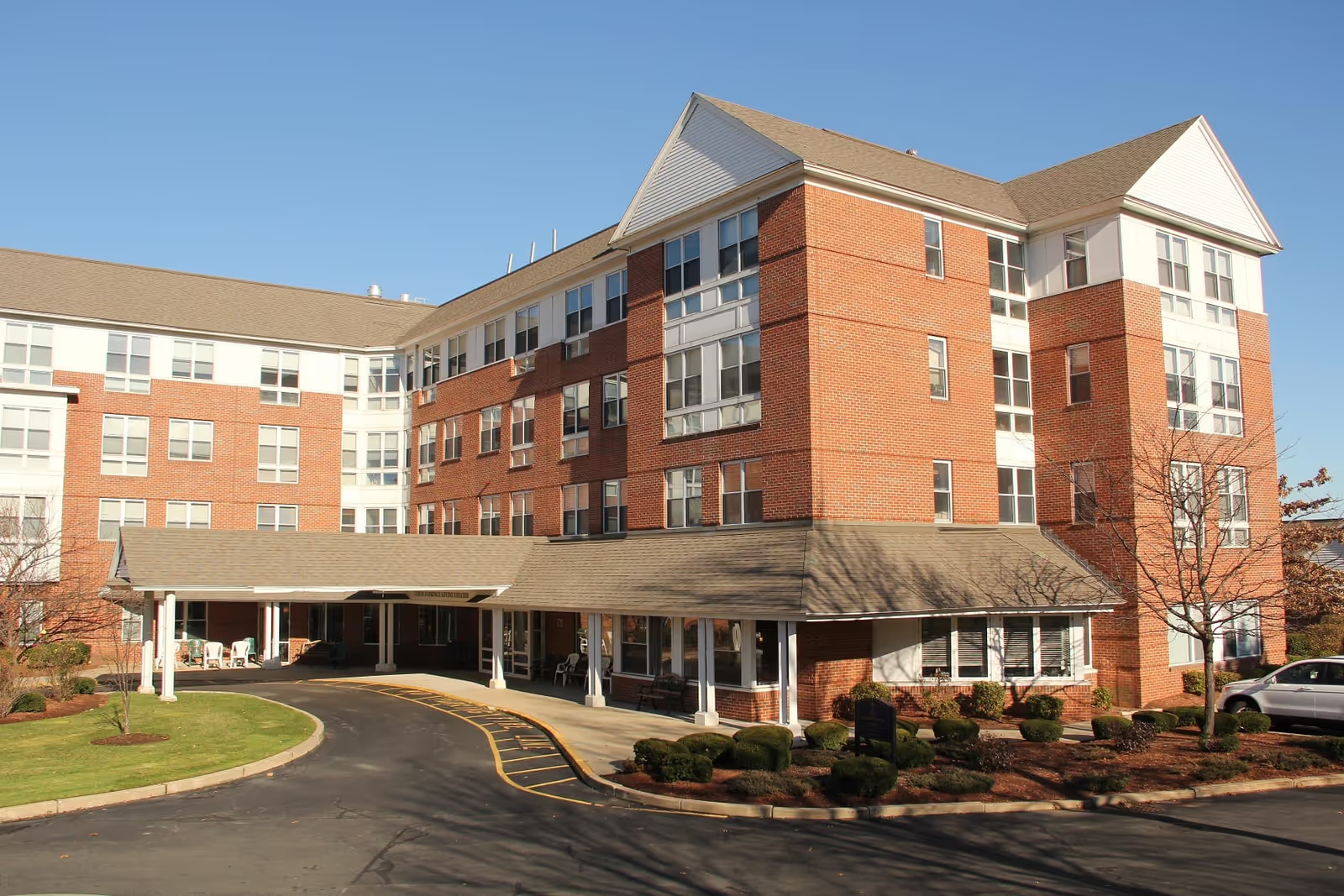
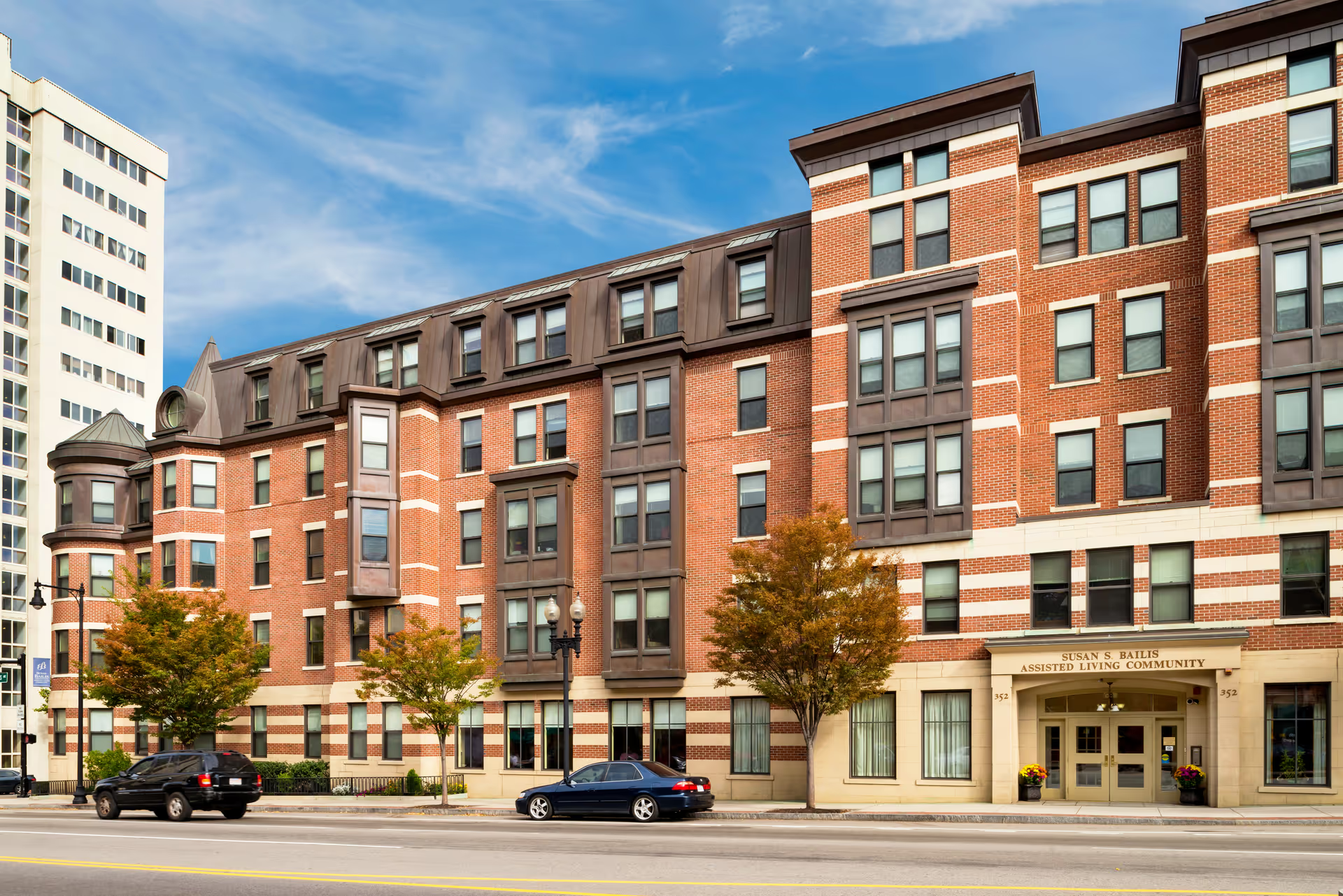
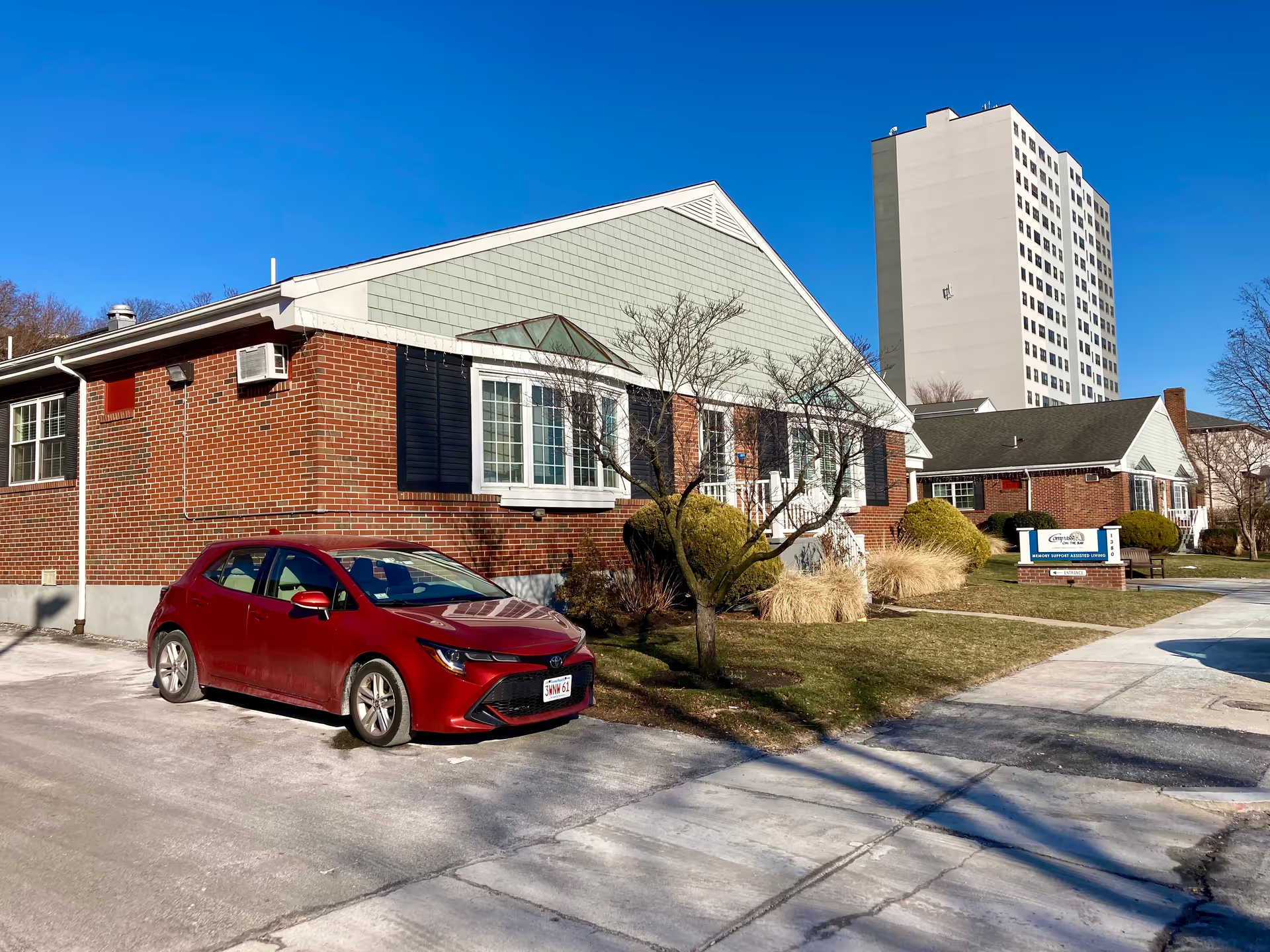
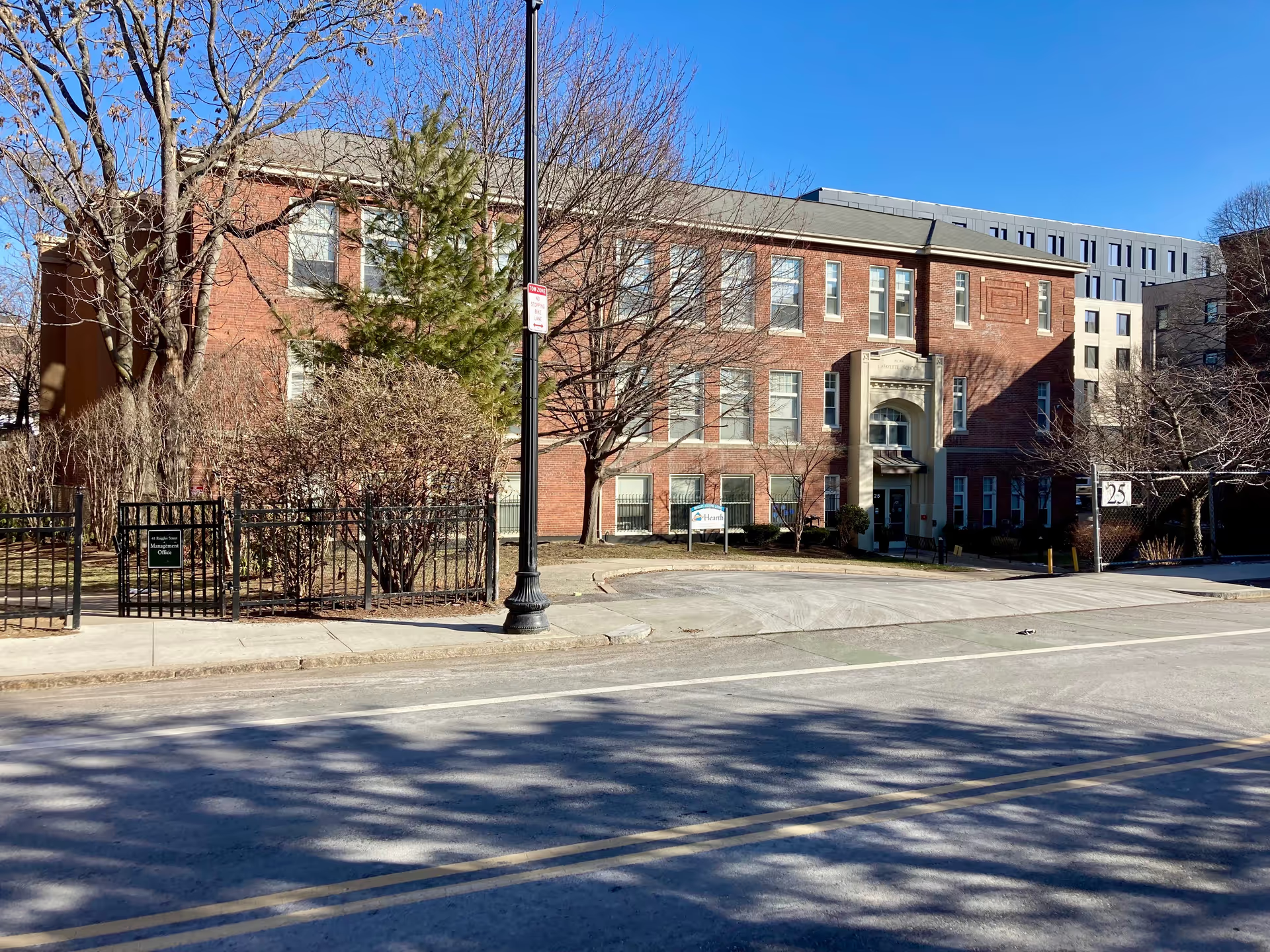
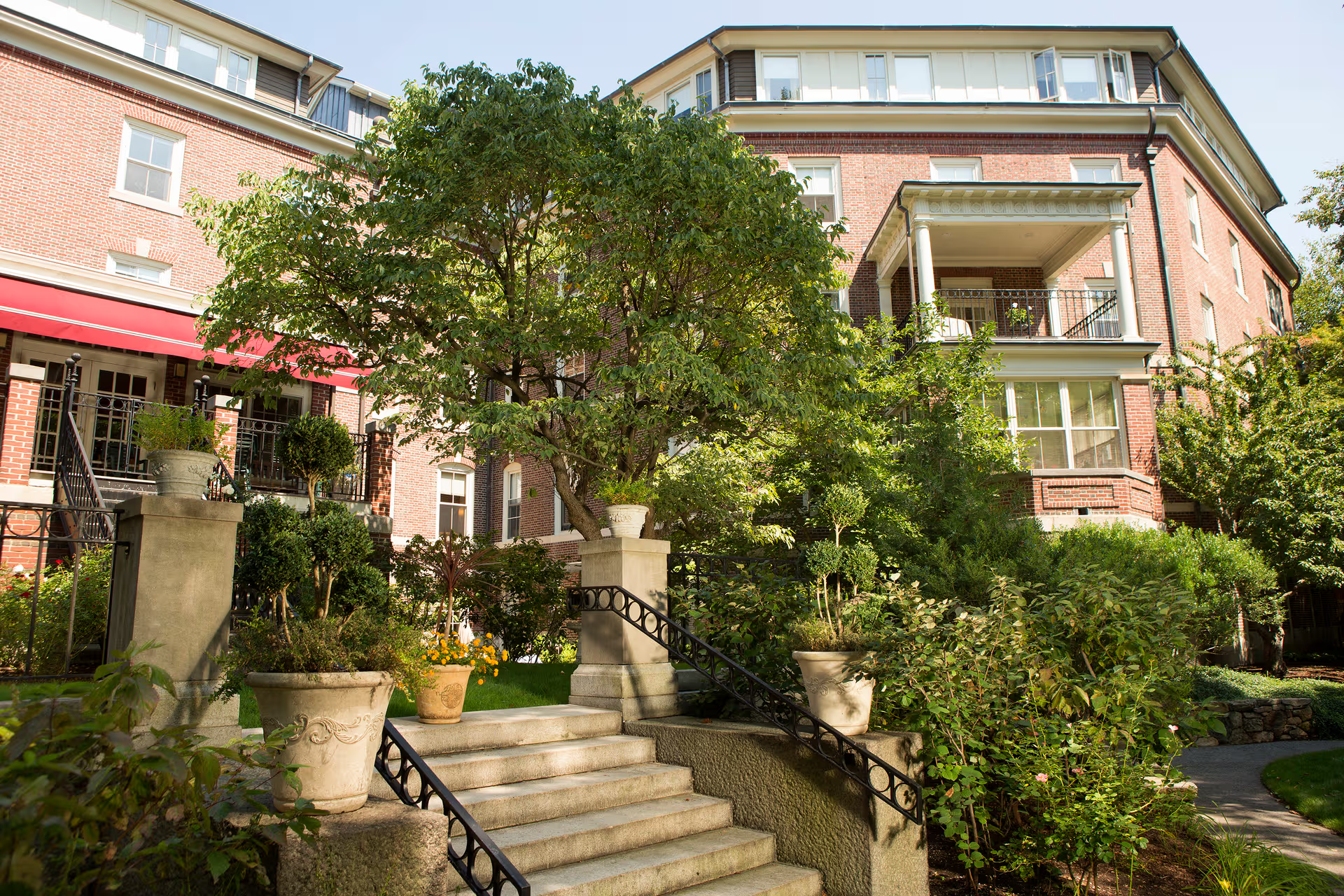
Facility amenities and cleanliness are often cited as positives: renovated floors, spacious private rooms with natural light, tidy common areas, and a hotel‑like atmosphere in updated units. However, reviewers reported uneven conditions between units, and isolated maintenance lapses such as nonfunctional call systems, broken bed components, and heating problems that affected resident comfort and safety.
Notable operational patterns prospective residents and families should consider: confirm staffing ratios and weekend/night coverage for the specific unit; ask about call‑bell and in‑room communications reliability; review current dining vendor and how dietary needs are accommodated; verify therapy intensity and scheduling (session length and availability); clarify case manager and physician follow‑up procedures; and inquire about language‑access resources. While many accounts describe a high level of cleanliness, strong therapy, and committed employees, the facility also demonstrates recurring issues in staffing consistency, medication and incident coordination, and unit‑level maintenance that merit direct discussion during a tour or intake conversation.