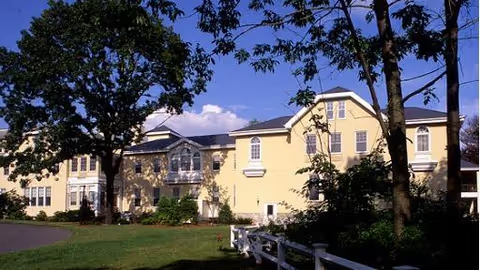
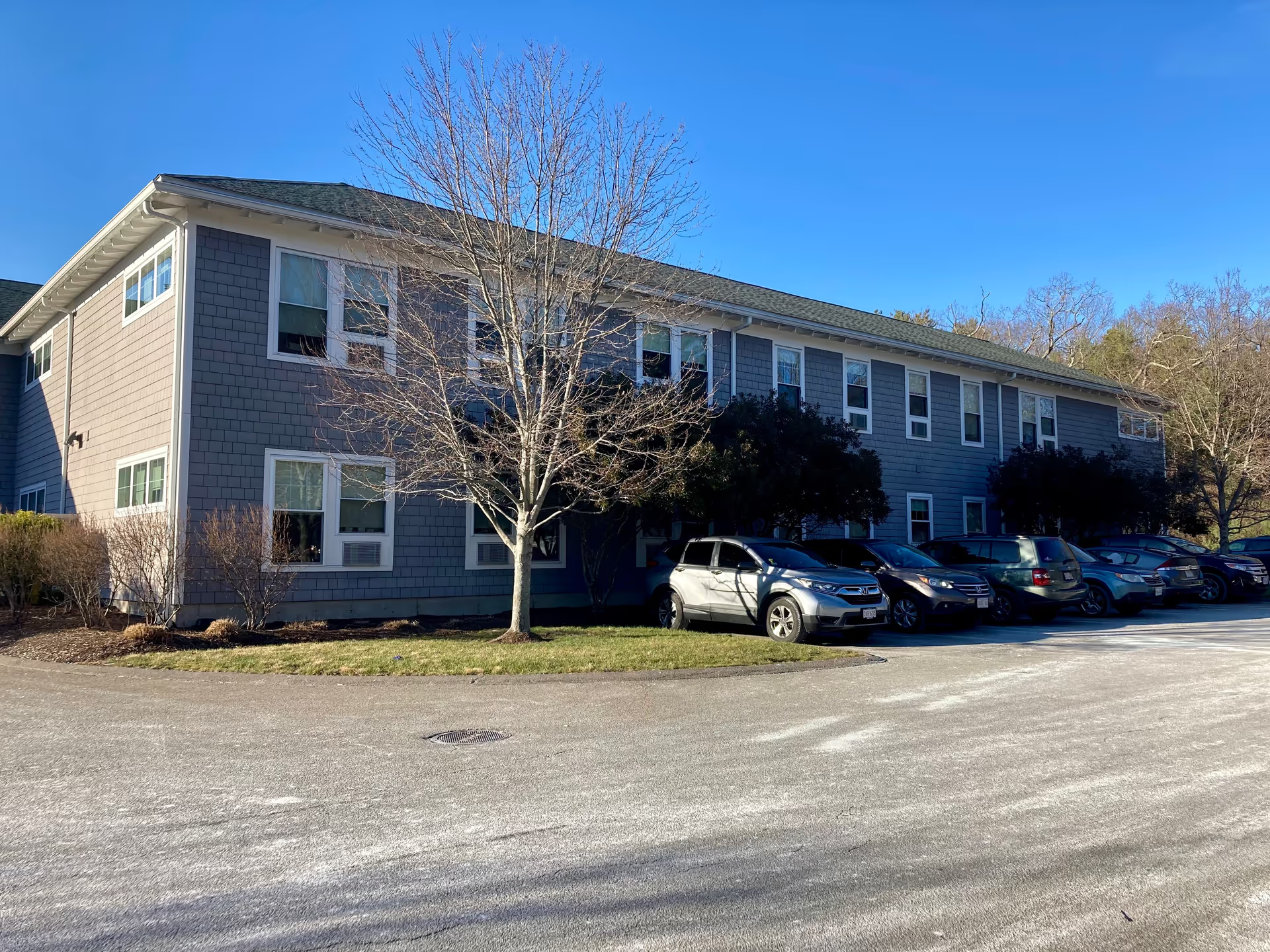
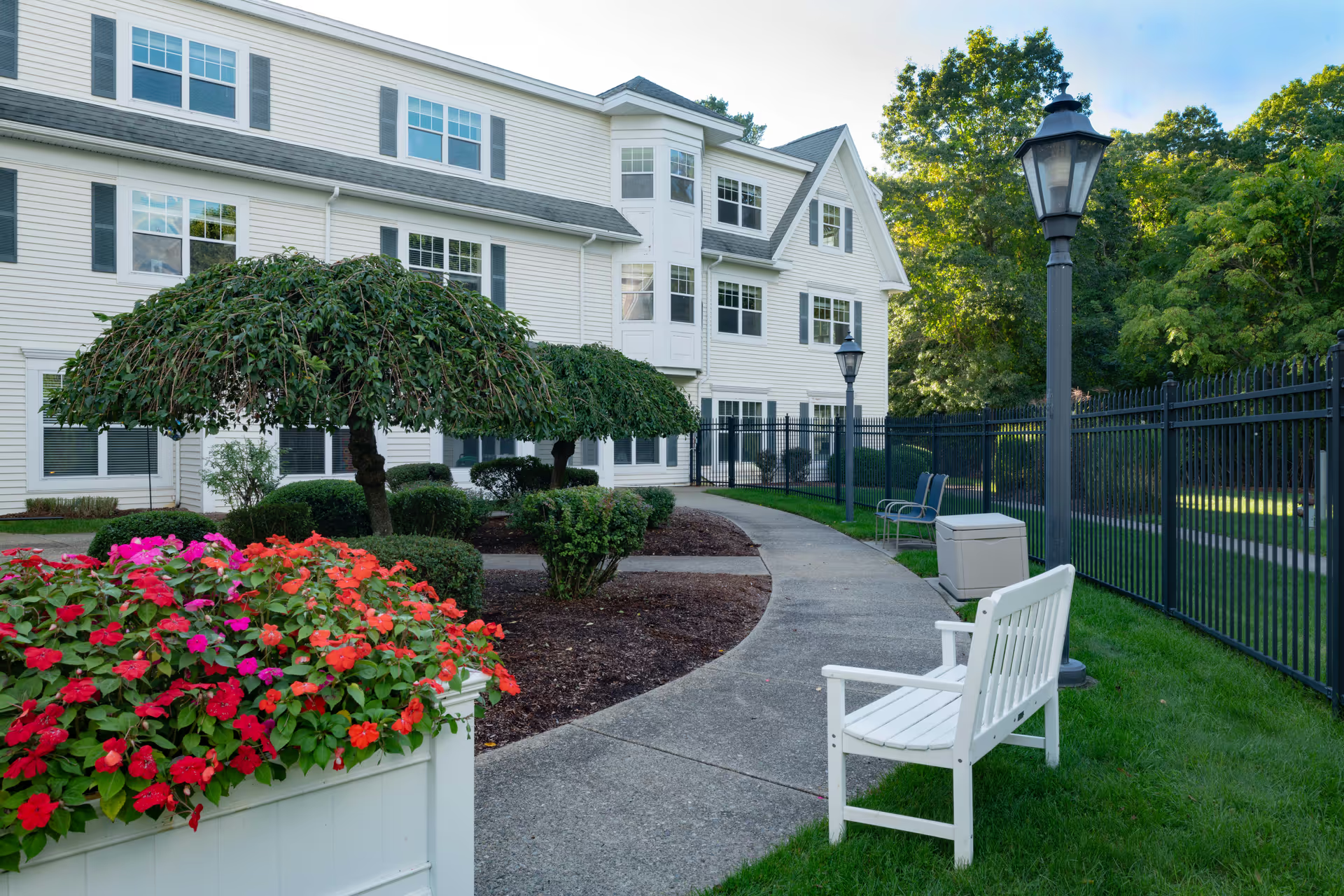
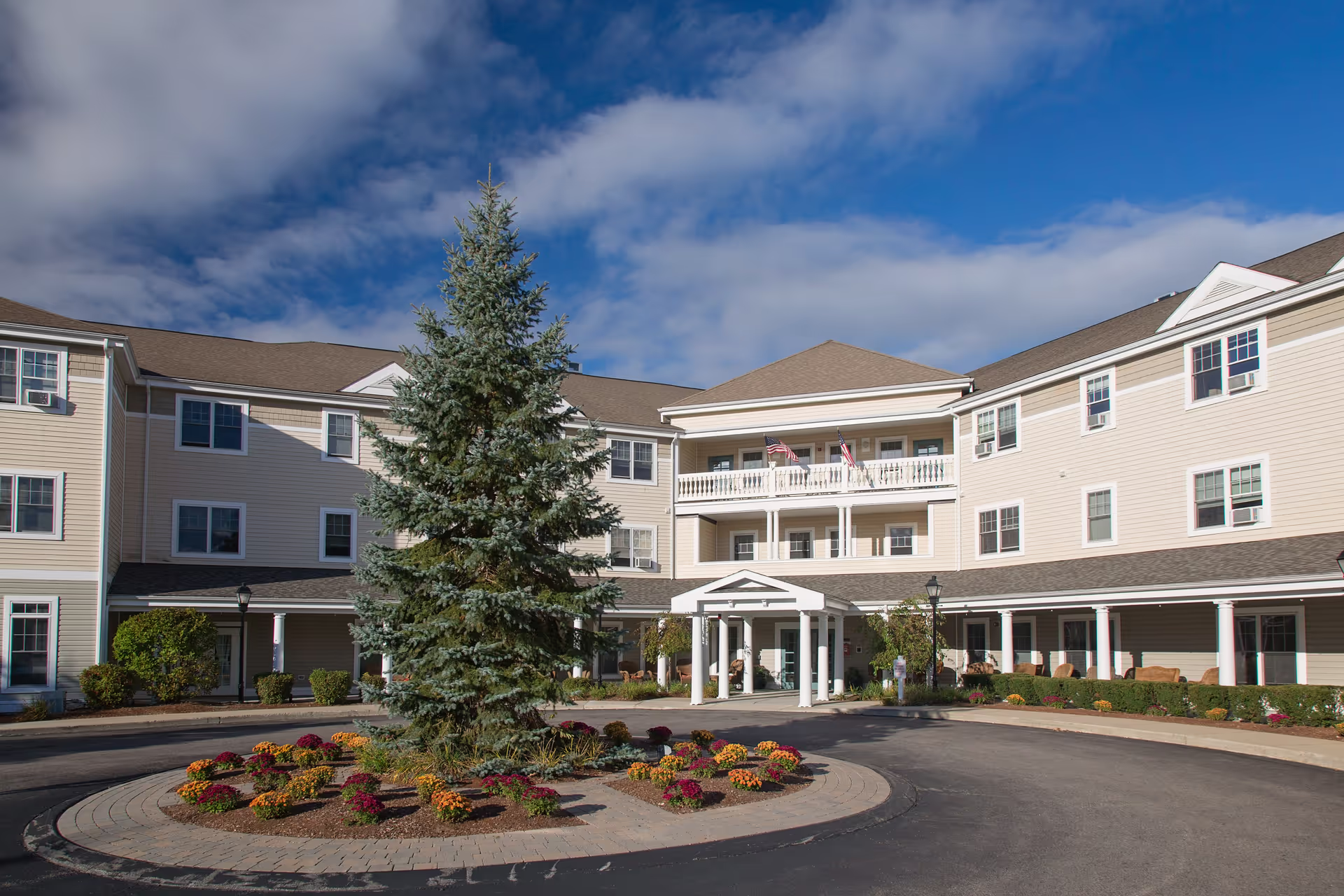
Reviews for Parkway Health & Rehabilitation Center are highly polarized, with several families describing both meaningful positives and significant operational concerns. Positive comments focus on individual staff members and recent administrative improvements: some families praised attentive nurses and customer-service staff (one employee named specifically for exceptional help), noted an administrator who intervened effectively, and observed improvement in meal quality. The facility operates rehabilitation and long-term care programs and supports a multicultural resident population, which some reviewers described as inclusive and welcoming.
Care quality is inconsistent across reports. Many families raised concerns about delayed responses to resident needs, including delays in basic personal care and assistance. There are also multiple mentions of medication-management issues, such as lapses in prescription continuity. Some reviewers noted clinically relevant weight loss during stays and the absence of timely or comprehensive rehabilitation evaluation in individual cases. Conversely, other accounts describe professional, attentive nursing and positive clinical interactions, indicating variability between units or shifts.
Staff and communication present a mixed picture. Positive feedback highlights helpful, courteous staff and examples of staff going beyond expectations. At the same time, recurring themes include weak front-desk coordination, phone-transfer failures, callers being disconnected, and items intended for residents not being delivered. Several reviewers criticized tone and responsiveness from certain staff and leaders; some families escalated concerns formally, including filing complaints with the state licensing board and law enforcement based on allegations of severe incidents.
Dining and rehabilitation services were also described inconsistently. Some reviewers reported recent improvements in food quality; others described poor meal temperature, presentation, or difficulty identifying menu items, and raised questions about kitchen staffing and credentials. Rehabilitation involvement was praised in some cases but described as limited or absent in others, including reports of missing initial physical-therapy evaluations.
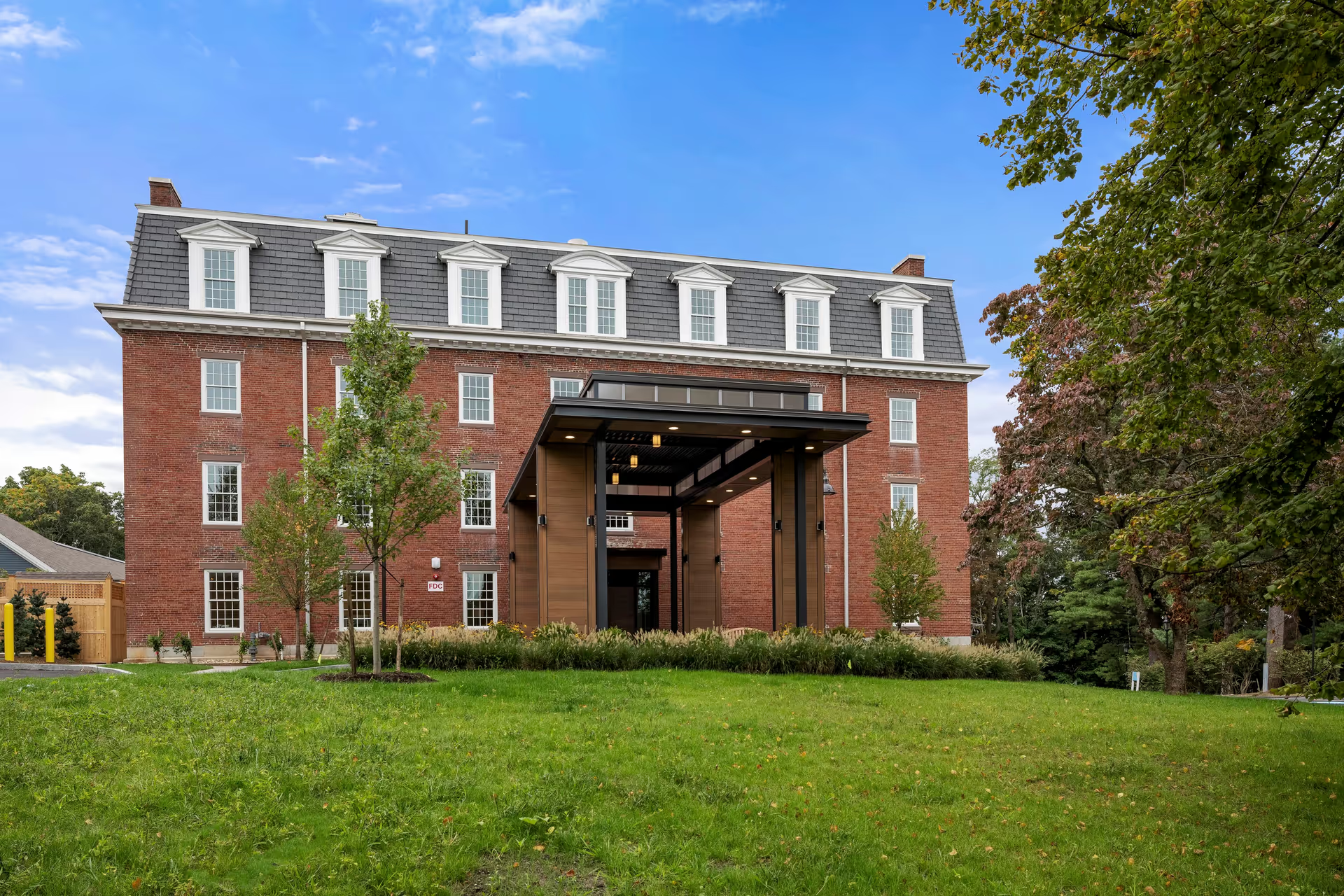
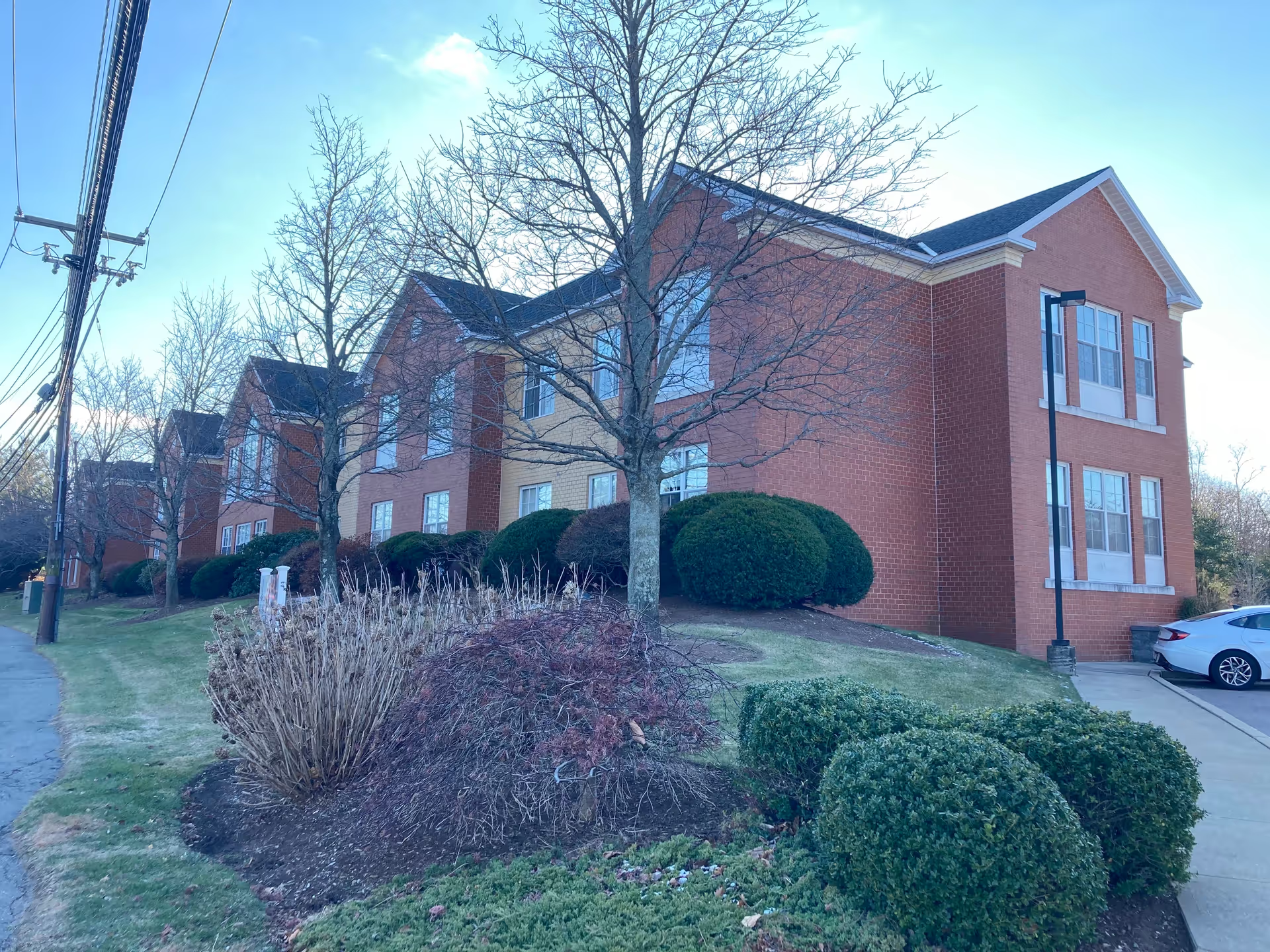
Facility conditions and operations raised sanitation and property-management concerns for multiple families. Specific operational issues included cleanliness deficits in common areas and rooms, odor concerns near entrances, and instances of resident clothing or personal items going missing. Transportation and appointment coordination were identified as recurring problems, with at least one missed external medical appointment described.
Management and oversight are central themes. Some reviewers felt administration had improved and credited specific leaders for helpful interventions. Others described slow or absent follow-up from middle and upper management, and expressed frustration with case-management communication when room changes or care transitions occurred without family notification. Staffing pressures, including comments about compensation and turnover, were cited as a contributor to uneven care.
Recommendation: Prospective residents and families should conduct in-person visits, ask for unit-specific staffing and supervision details, confirm medication-administration and transportation protocols, review recent inspection or licensing history, and request documentation of rehabilitation evaluation plans. Where concerns are identified, families may wish to document them promptly and follow the facility’s grievance and escalation procedures.