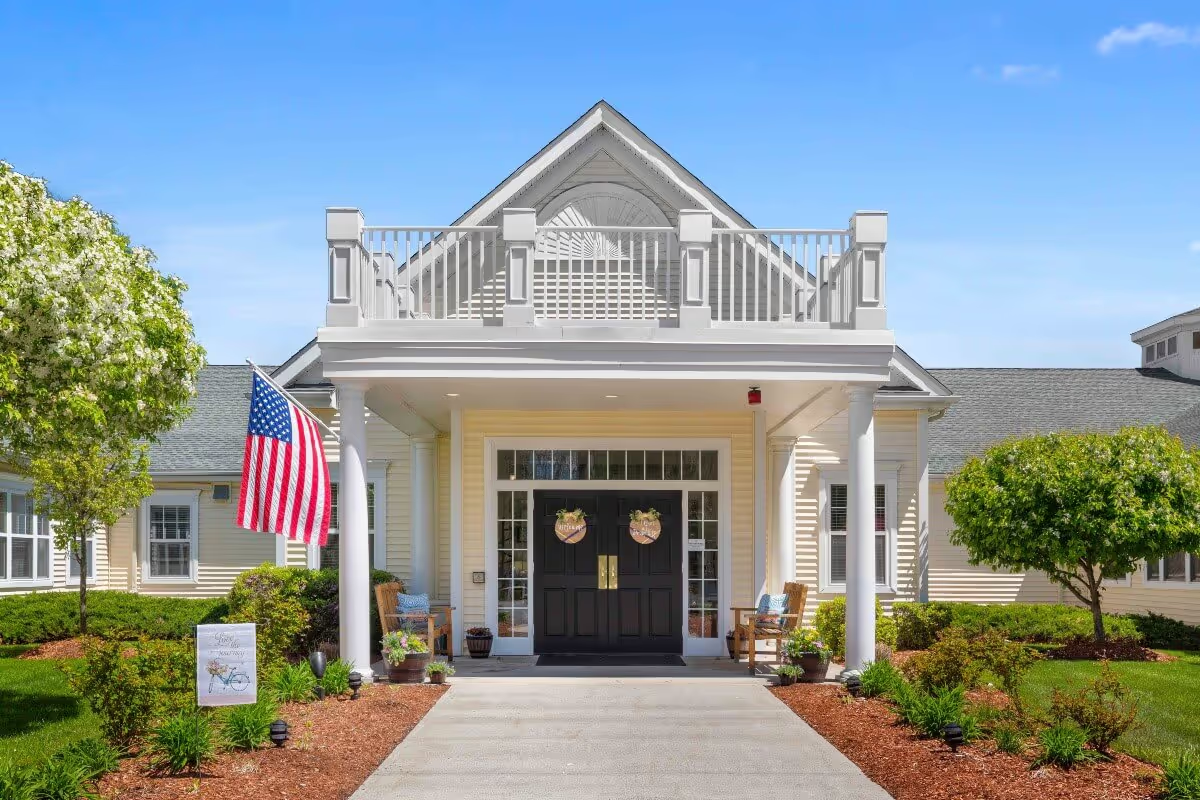
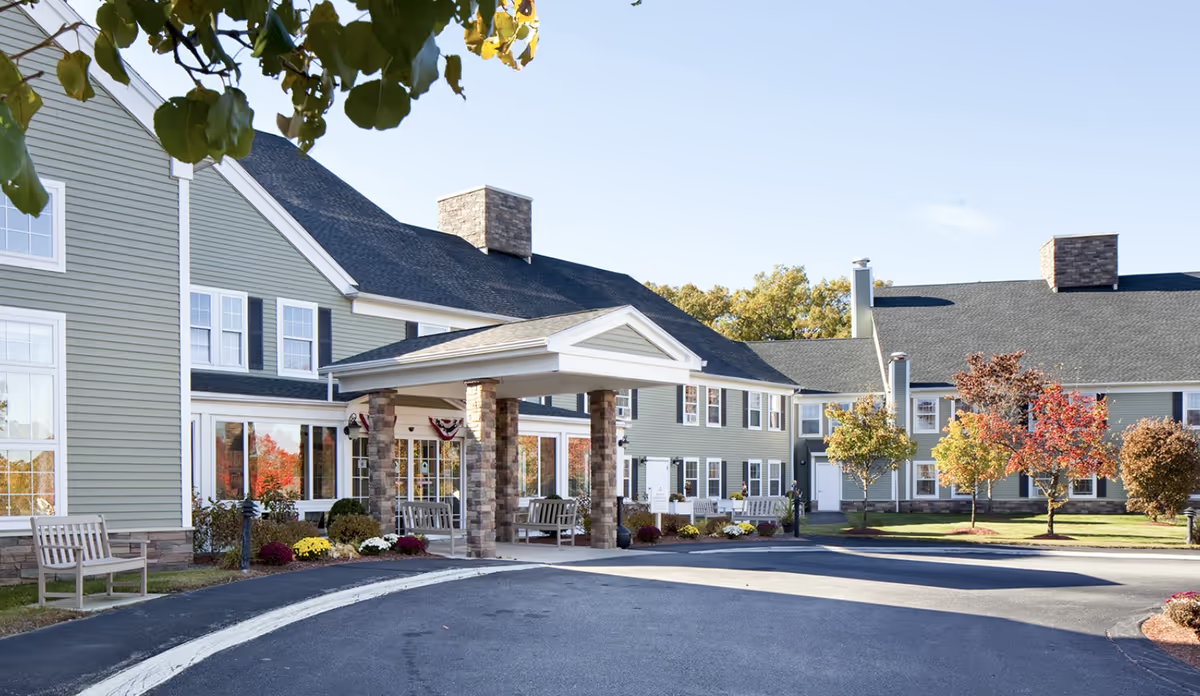
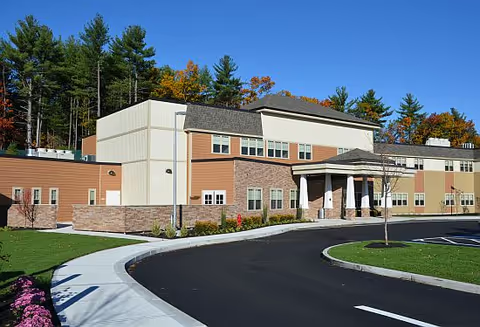
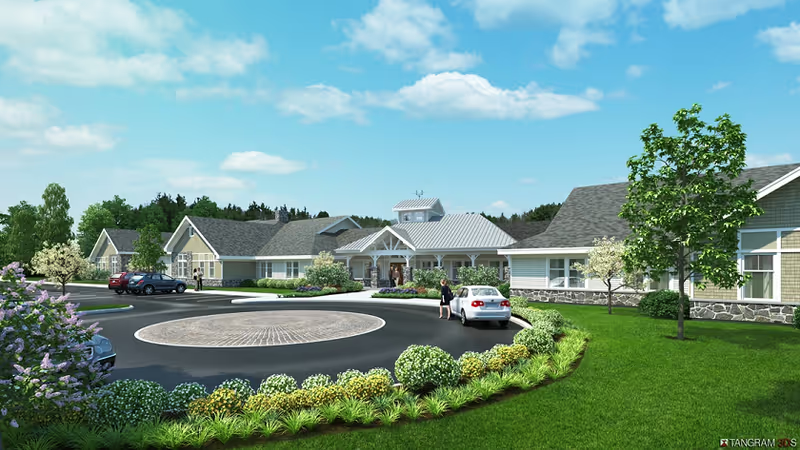
This facility elicits strongly polarized experiences. Many families and residents highlight strengths around rehabilitation and hands‑on care: physical and occupational therapy are frequently described as skilled and effective, therapy teams are engaged, and there is visible support for specialized rehab needs such as prosthetic fitting. Numerous reviewers also praise individual nursing staff, CNAs, housekeeping, and kitchen employees for compassionate, attentive interactions; several accounts emphasize long‑tenured employees who provide continuity of care and a welcoming atmosphere.
Care quality shows a clear pattern of variability. Positive accounts describe diligent, recovery‑focused care and effective therapy-driven outcomes. However, other accounts describe operational weaknesses that affect clinical safety and continuity: delayed responses to clinical events, lapses in medication timing and documentation, and concerns about wound and IV/PICC-line handling. These are framed as episodic but consequential — they point to inconsistent clinical processes rather than a uniform standard of practice.
Staffing and communication are recurring themes. Reviewers report that daytime therapy and nursing coverage can be very good, while evenings and after‑hours coverage feel limited. Understaffing and signs of staff burnout are cited as contributors to delayed call-button responses and reduced on‑floor presence at night. Family communication is inconsistent: some families experienced proactive case management and timely updates, while others describe missed notifications, unanswered calls, and slow management follow‑up when issues arose.
Dining and nutritional services show mixed performance. Several reviewers complimented the kitchen staff and certain meals, noting hospitable service and adequate portions. Conversely, others raised concerns about meal temperature, inconsistent food quality, and limited diabetic‑appropriate options, with a few families supplementing meals from home. Nutrition planning and availability of therapeutic supplements were identified as an area requiring closer attention for medically complex residents.
Activities and social programming are a relative strength. Multiple accounts describe an active, well‑organized activities department that contributes positively to resident engagement and morale. Housekeeping and room amenities are often described as clean and comfortable, with some residents enjoying attractive rooms and views. Nonetheless, sanitation and housekeeping lapses were reported in some units (e.g., unclean equipment or overflowing receptacles), indicating inconsistency across the facility.
Management and operations receive mixed assessments. Positive reports note responsive reception and helpful administrative staff, while negative accounts focus on slow leadership response to complaints, inadequate resolution of safety or property concerns, and an operational emphasis on throughput that some families found concerning. Missing personal items, laundry errors, and equipment maintenance problems (call buttons, beds) were raised as recurring operational issues.
Overall pattern and guidance: the facility appears capable of delivering high‑quality rehabilitation and, in many cases, compassionate day‑to‑day care, driven by skilled therapy teams and committed frontline staff. At the same time, persistent operational issues — inconsistent staffing, variable clinical processes, gaps in communication, and uneven housekeeping/maintenance — create risk for adverse resident experiences. Prospective residents and families would benefit from focused inquiry during a tour: ask about staffing levels by shift, specific protocols for wound and IV/PICC-line care, medication administration checks, diabetic meal planning, procedures for tracking personal belongings and laundry, and examples of how management addresses incidents and family concerns. Observing the dining room and evening floor activity during a visit can also help assess after‑hours coverage and overall consistency of care.