Overall impression: Reviews describe a polarized picture of Hunt Nursing & Rehab Center, with many families and residents praising compassionate caregivers, effective therapy, and coordinated case management, while others report operational weaknesses that affected care quality and family confidence. Strengths cluster around clinical rehabilitation, social work coordination, and person-centered interactions from a substantial portion of the clinical team. Weaknesses are primarily operational and procedural, producing inconsistent experiences across different units, shifts, and patient situations.
Care quality and clinical operations: Clinical care descriptions range from high-quality, motivating rehabilitation and attentive nursing to concerns about delayed responses, missed issues, and falls. Several accounts highlight strong PT/OT teams, good therapy progress communication, effective wound and infection treatment, and supportive transition-to-home planning. Conversely, recurring operational themes include inconsistent responsiveness to call bells, variability in medication oversight, and uneven nursing follow-through. These patterns suggest pockets of reliable clinical practice intermingled with gaps tied to staffing, shift coverage, or handoff processes.
Staff and communication: Many reviews emphasize compassionate, respectful clinicians — nurses, aides, therapists, and social workers who went above and beyond and communicated proactively. At the same time, there are repeated complaints about staff attitude or tone, language barriers, and the variable performance of agency and contract personnel. Management responsiveness is likewise mixed: some families experienced timely intervention and resolution when concerns were raised, while others described unsatisfactory communication regarding billing, resident belongings, and sensitive events.
Dining and activities: Dining receives both praise and criticism. Several reviewers complimented the kitchen team and meal quality, while others found the dining environment institutional and the meal experience inconsistent. Activity programming is a clear relative strength in many accounts — regular group activities, music, and engagement that supported residents’ social needs — although a few families found activity offerings insufficient for resident stimulation in certain units.
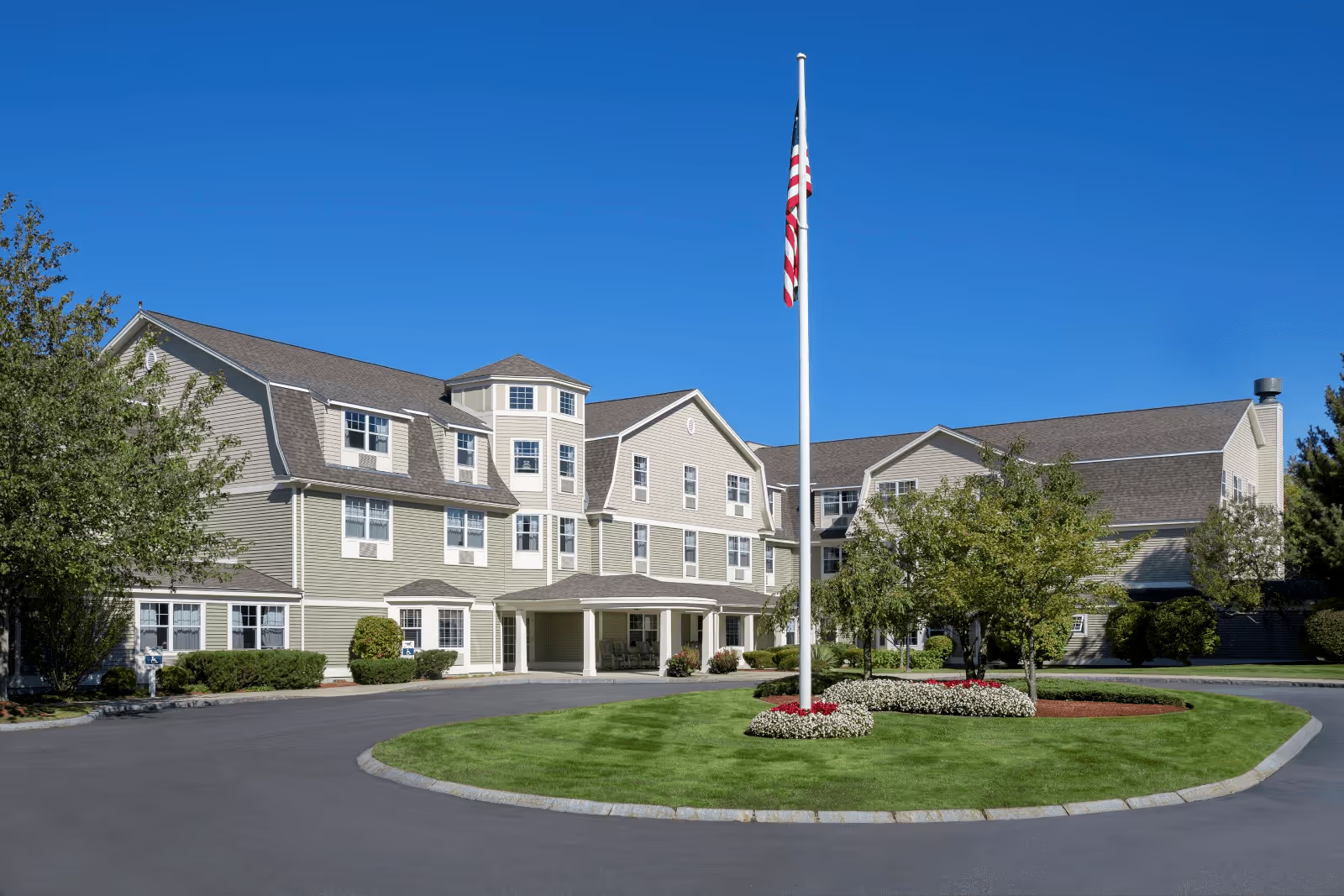
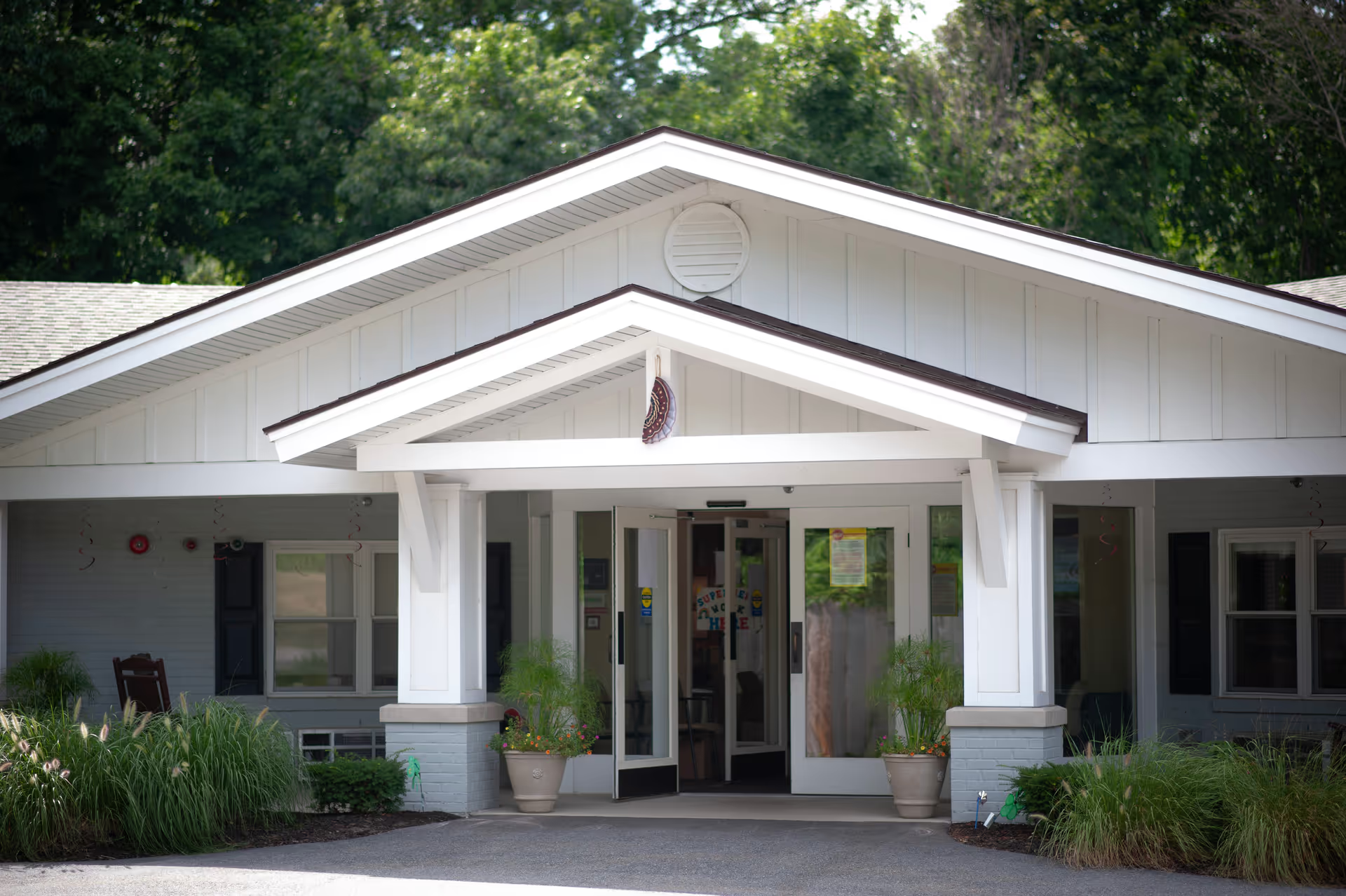
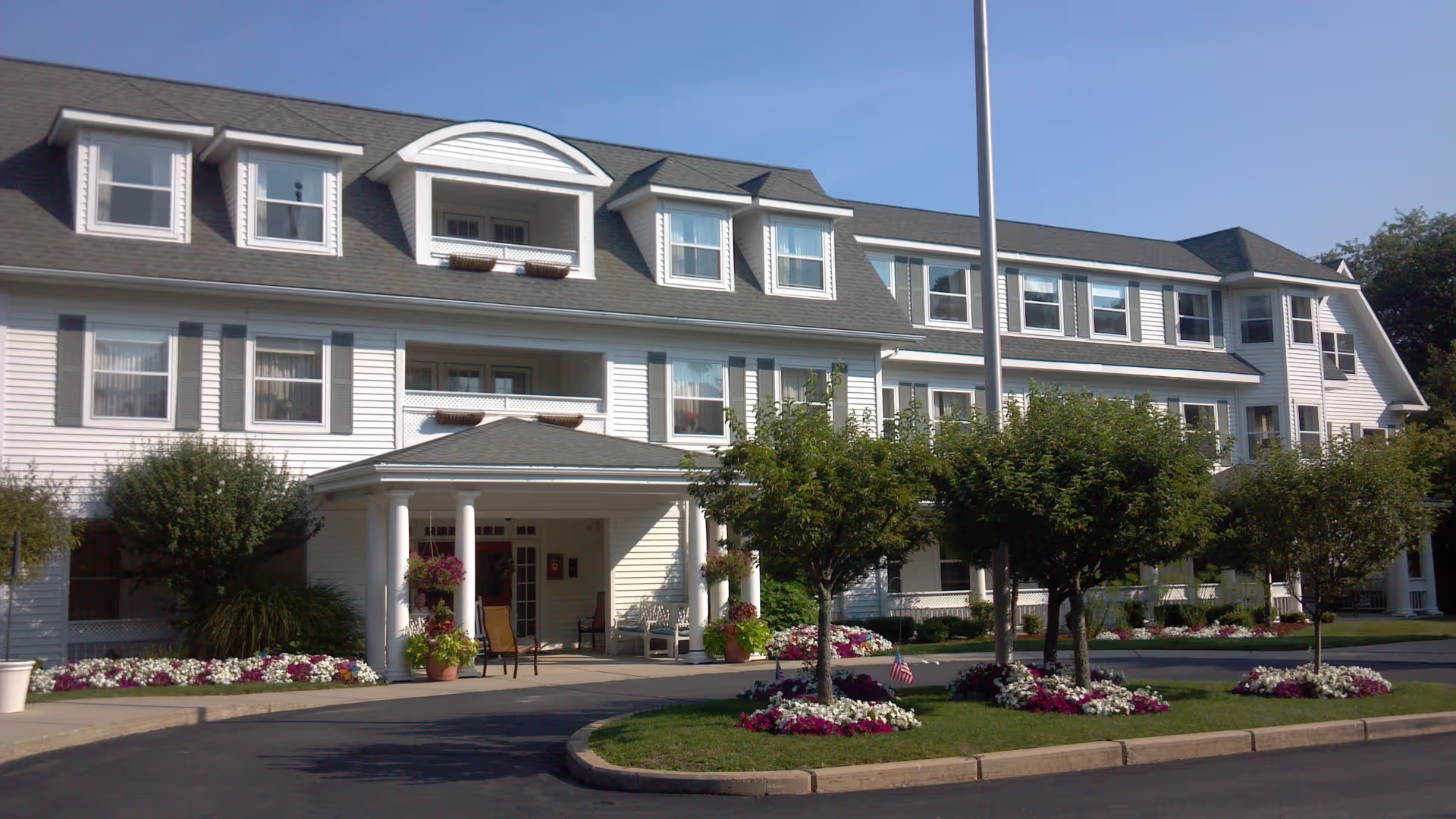
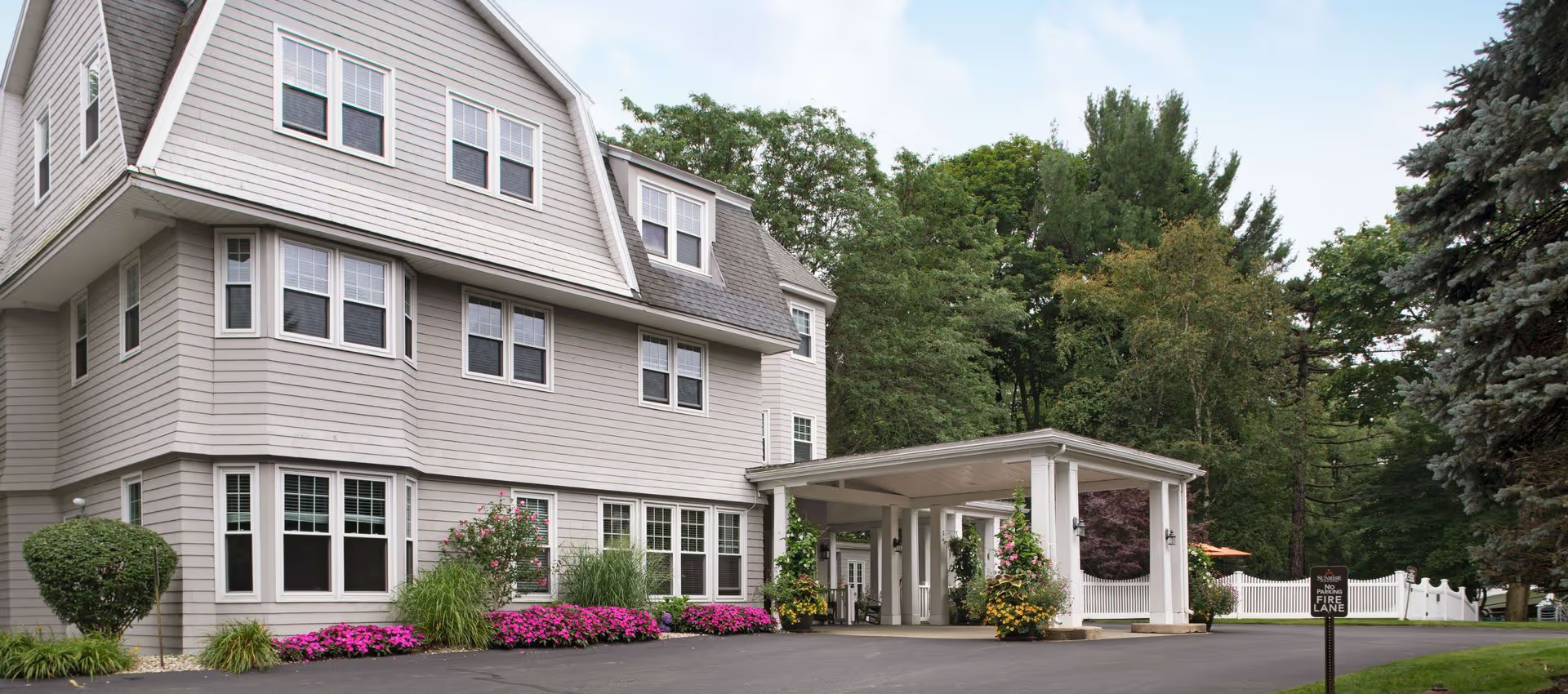
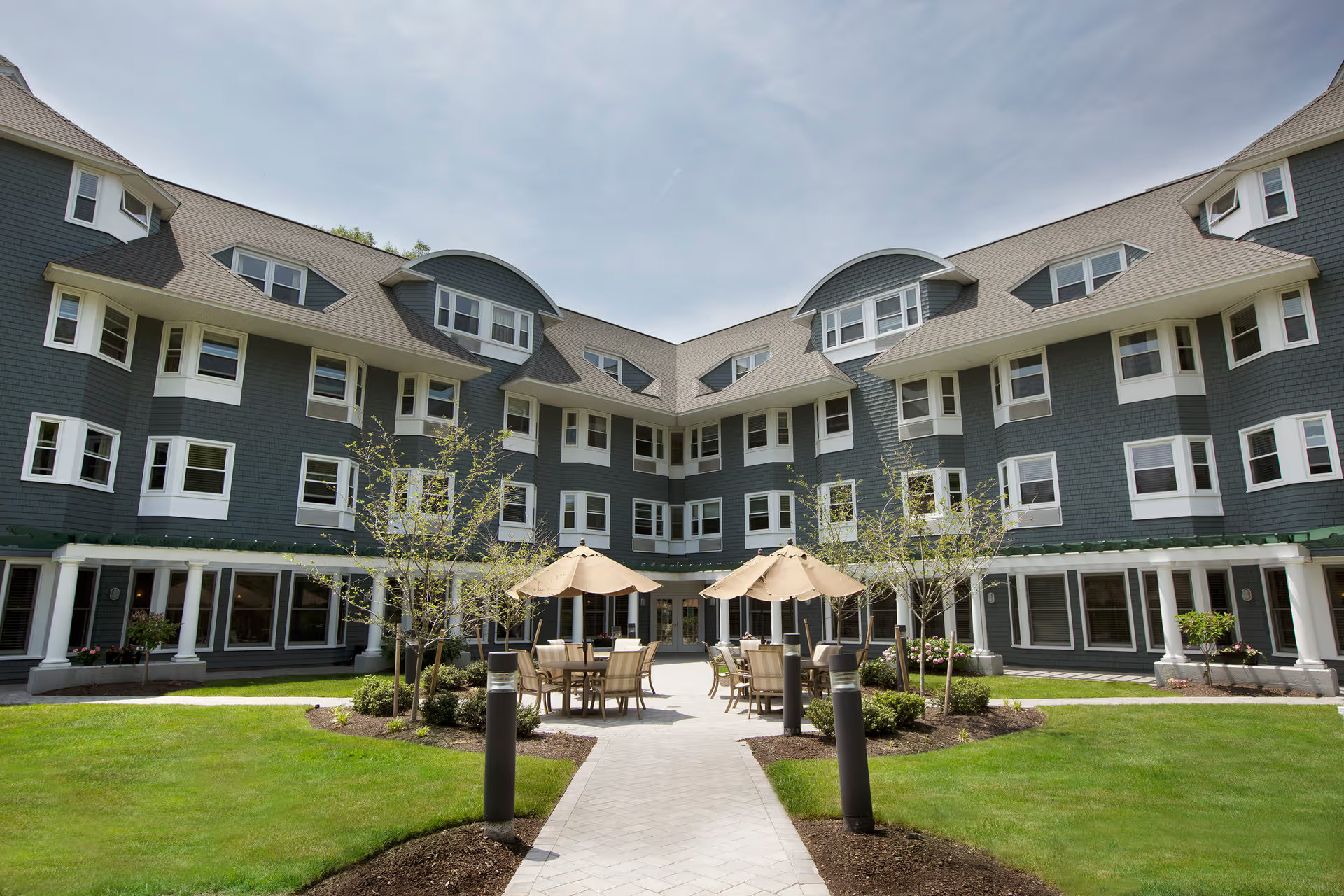
Facilities and maintenance: The physical plant is described as a mix of renovated, comfortable rooms and older areas showing wear. Positive notes include spacious rooms, pleasant windows, and charging/entertainment amenities; negative notes include carpet and wall maintenance needs, ramp condition, and odor-control or sanitation concerns in particular areas. These indicate uneven maintenance investment across the building rather than uniformly poor or uniformly modern facilities.
Management, billing, and property handling: Several serious operational concerns center on billing transparency and personal-property handling. Reviewers describe confusion or contention over Medicare coverage and charges, and there are accounts of mishandled belongings after a resident’s death. Such issues point to deficits in financial communication, discharge/property protocols, and bereavement procedures. One should note the presence of explicit allegations of improper billing and mishandling in some accounts; these are operationally significant and merit verification during any placement decision.
Notable patterns and practical takeaways: The overall pattern is one of variability — Hunt appears capable of providing high-quality, compassionate care, particularly for rehabilitation and social support, yet it also shows recurring operational shortfalls tied to staffing, consistency, and administrative procedures. Prospective residents and families may benefit from targeted questions during a tour: ask about staffing ratios for the unit and shifts; request examples of recent quality-improvement actions tied to falls, call response times, and sanitation; review the facility’s billing and Medicare-coverage policies in writing; clarify personal-belongings inventory and post-discharge handling; and verify interpreter or language-support availability if needed. These steps can help families assess whether the facility’s strengths align with their expectations and whether the facility has addressed the operational gaps identified by others.