Reviews of Sachem Center for Health and Rehabilitation present a highly mixed picture, with clear examples of strong clinical teams and family satisfaction alongside recurring operational weaknesses. Several families praised nurses, CNAs, the rehab team and social-work/admissions staff for compassionate, competent care and for facilitating smooth transitions from hospital to facility-based rehabilitation. Other accounts, however, describe inconsistent delivery of basic care tasks, delayed clinical responses, and concerns about facility upkeep.
Care and staff: Positive descriptions emphasize respectful, knowledgeable nursing and effective therapy outcomes, and some reviewers attributed good outcomes to specific admissions and social-work coordination. At the same time, reviewers commonly cited inconsistent staffing (including reliance on agency staff), slow responses to call signals, delays in medication administration, and variability in how personal-care needs are met (bathing, linen changes and assistance at mealtimes). There are also repeated concerns about staff conduct and communication tone; these characterizations point to uneven training, supervision, or morale rather than uniform behavior across the facility.
Dining and activities: Dining experiences were polarized. Several families praised the food and highlighted successful dining-related programs — notably a dementia-specific initiative that brings residents into dining rooms — and activity programming that includes seasonal events. Counterbalancing that, other reviewers described insufficient meal-assistance support and variable meal quality. Activity offerings appear present and sometimes engaging, but oversight and participation levels are inconsistent across units.
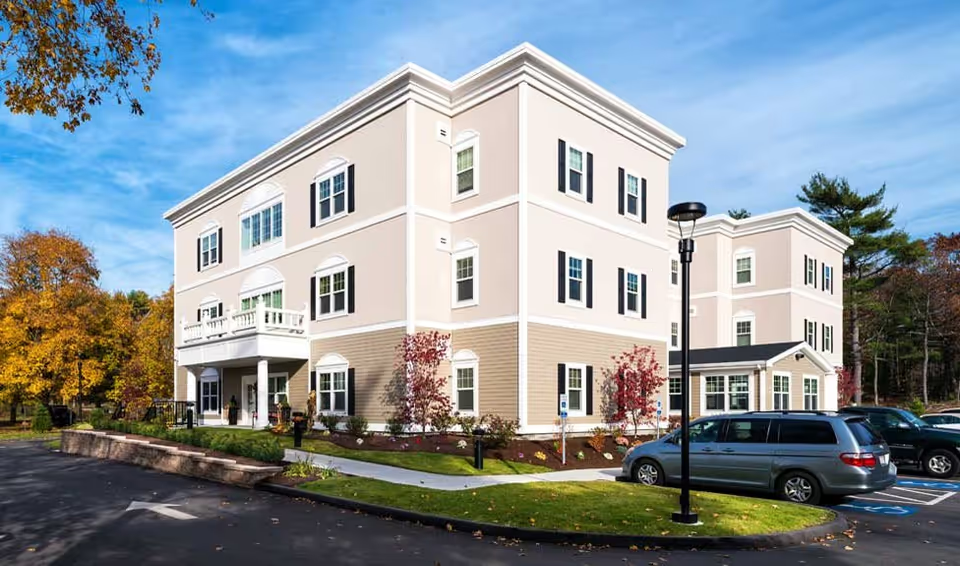
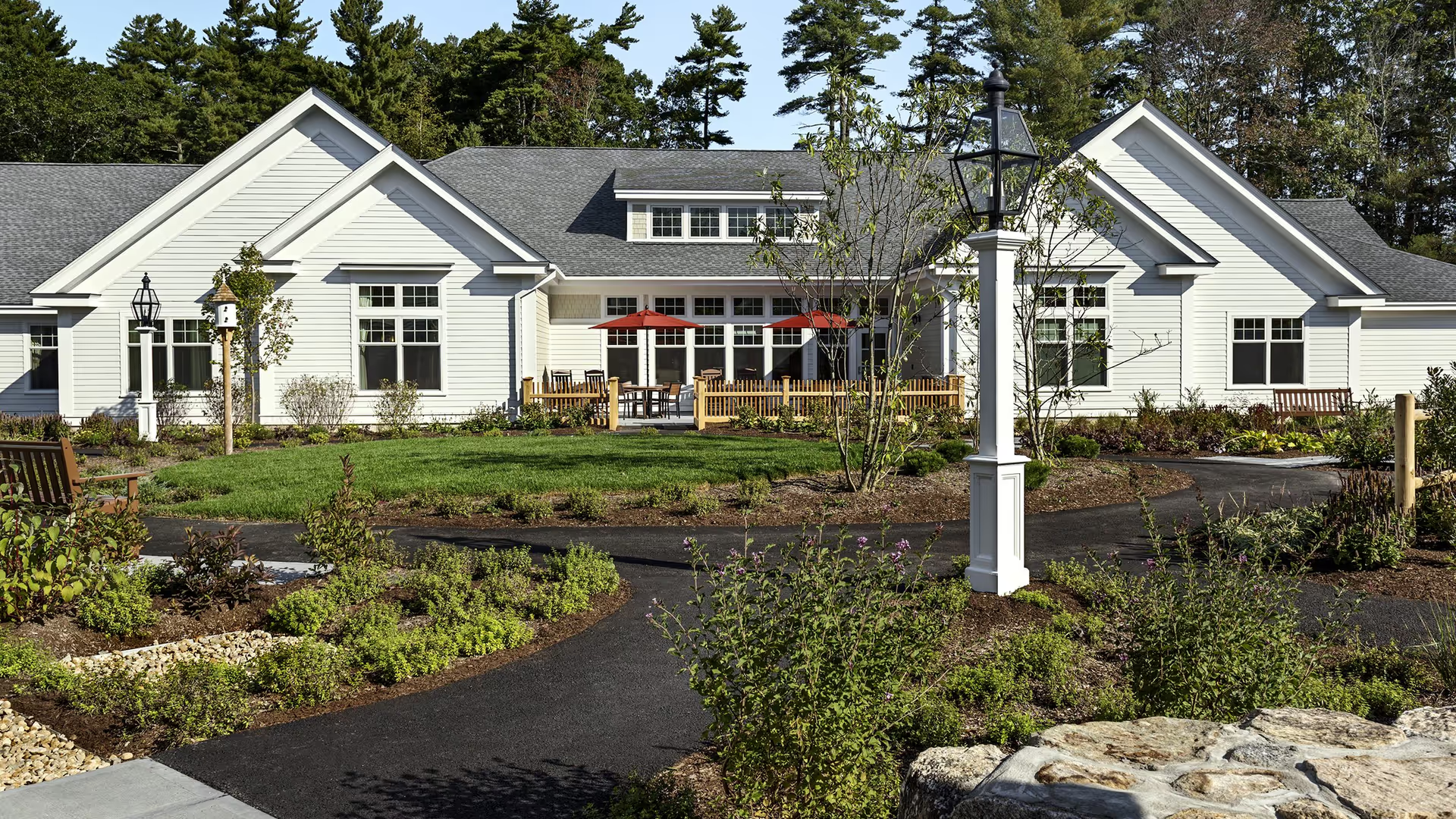
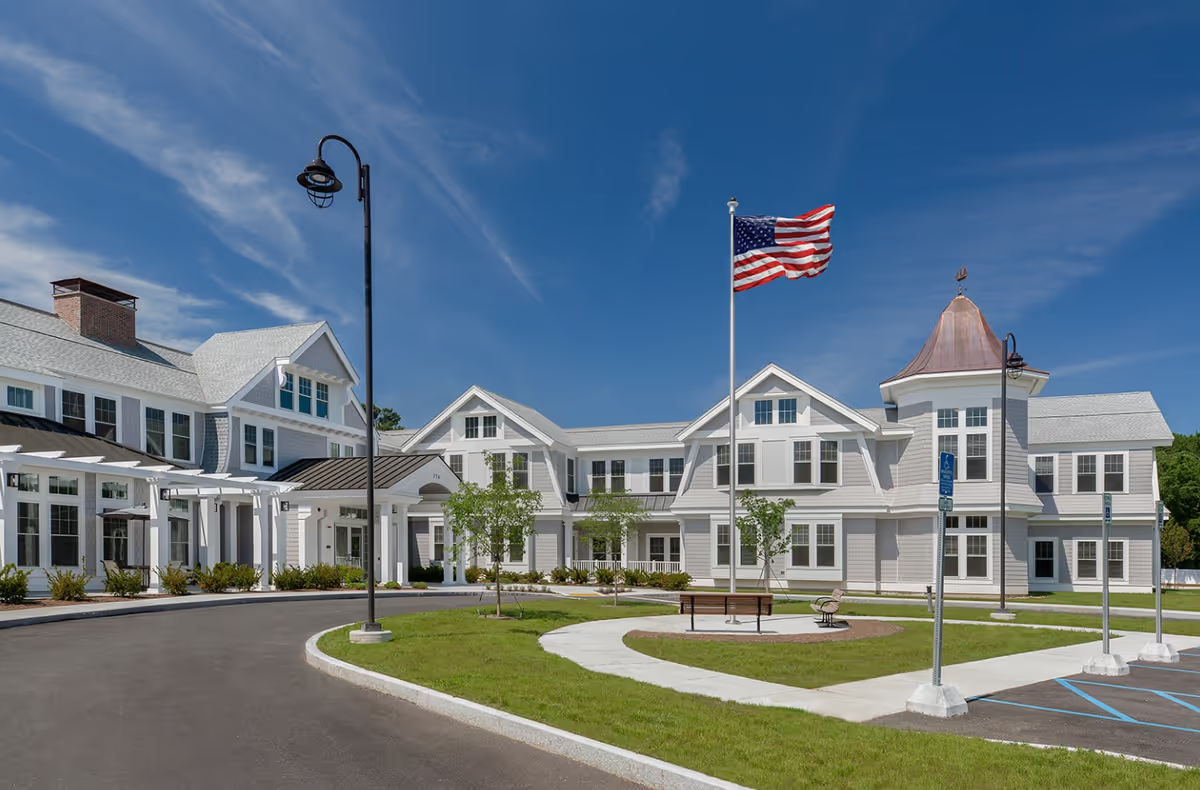
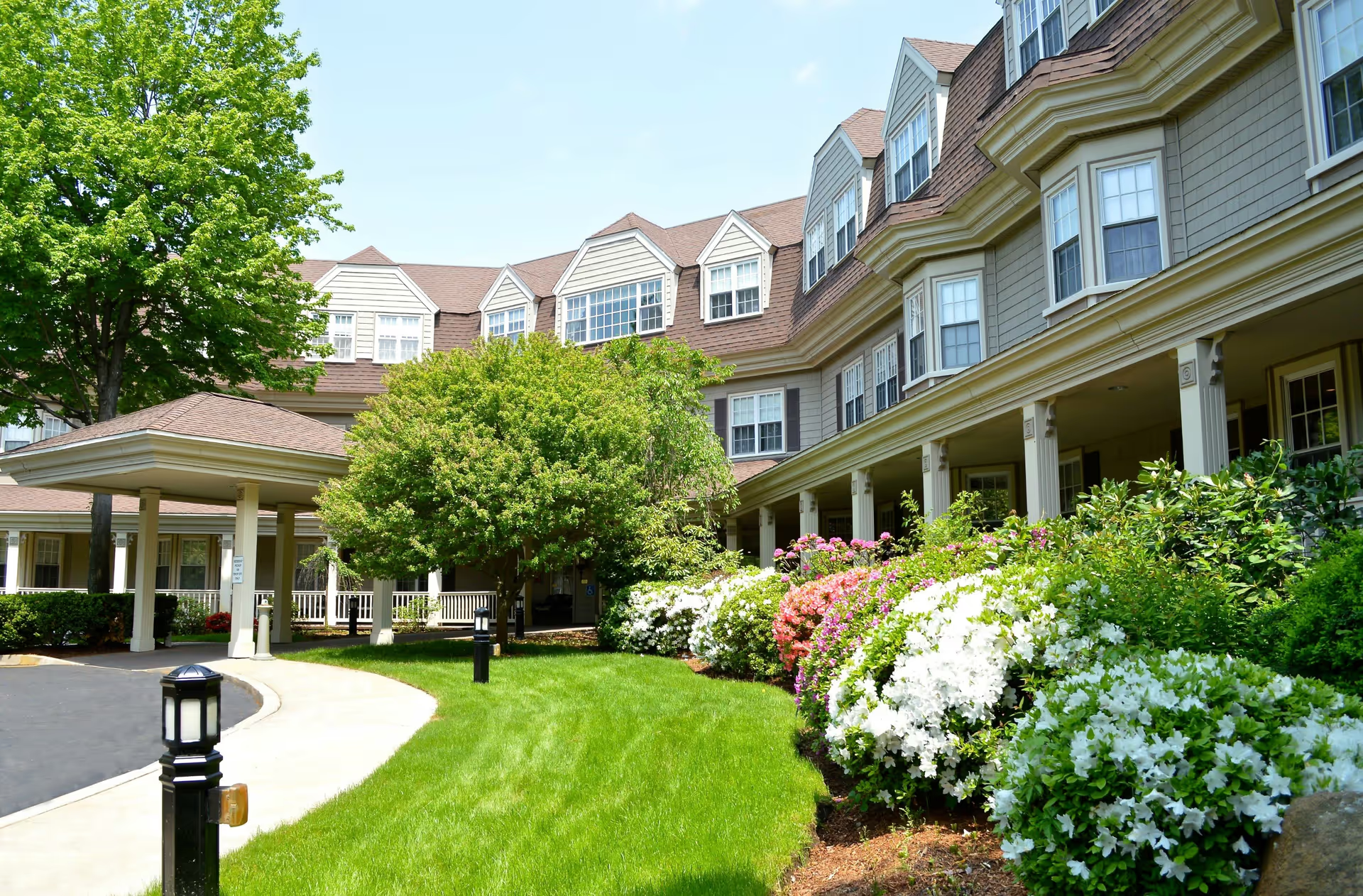
Facilities and sanitation: The physical plant is described as dated in multiple accounts; reviewers noted worn furnishings, older electronics in rooms, and maintenance needs. Cleanliness and sanitation practices were a recurrent area of concern, with mentions of odor issues and uneven housekeeping standards. Conversely, some comments describe noticeably improved cleanliness and maintenance under newer management, suggesting recent targeted improvements in parts of the building.
Management and systems: Commentary on leadership is mixed. Some families credited recent management changes and specific staff (admissions leadership) with measurable improvements in staffing and cleanliness. Others described administrative disorganization, budget-related resource limits, and reliance on temporary staff that contribute to inconsistent care. There are serious, singular allegations in a few reviews about administrative conduct; prospective families may wish to ask facility leadership directly about any regulatory actions, turnover, and quality-improvement initiatives.
Notable patterns and guidance: The dominant pattern is variability — outcomes and experiences appear to depend heavily on unit, shift, and the current management period. Prospective residents and families should plan an in-person tour during mealtime and an activity period, ask about current staffing ratios and agency staffing use, inquire about medication-administration protocols and call-bell response targets, and request documentation of recent quality-improvement efforts and any regulatory findings. Those steps can help assess whether the facility’s strengths (clinical teams, therapy, and certain programming) align with a prospective resident’s needs and whether identified operational concerns have been addressed.