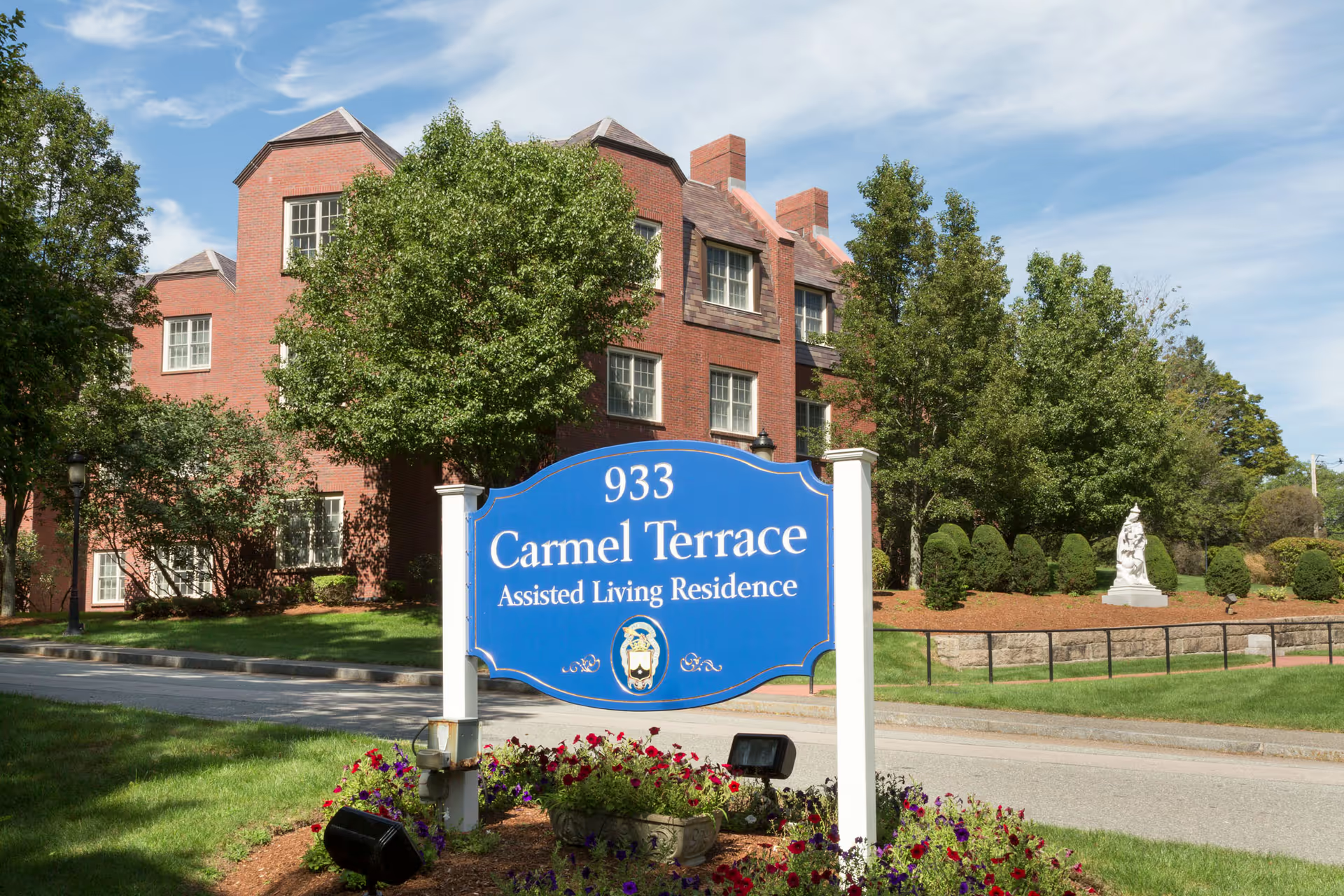
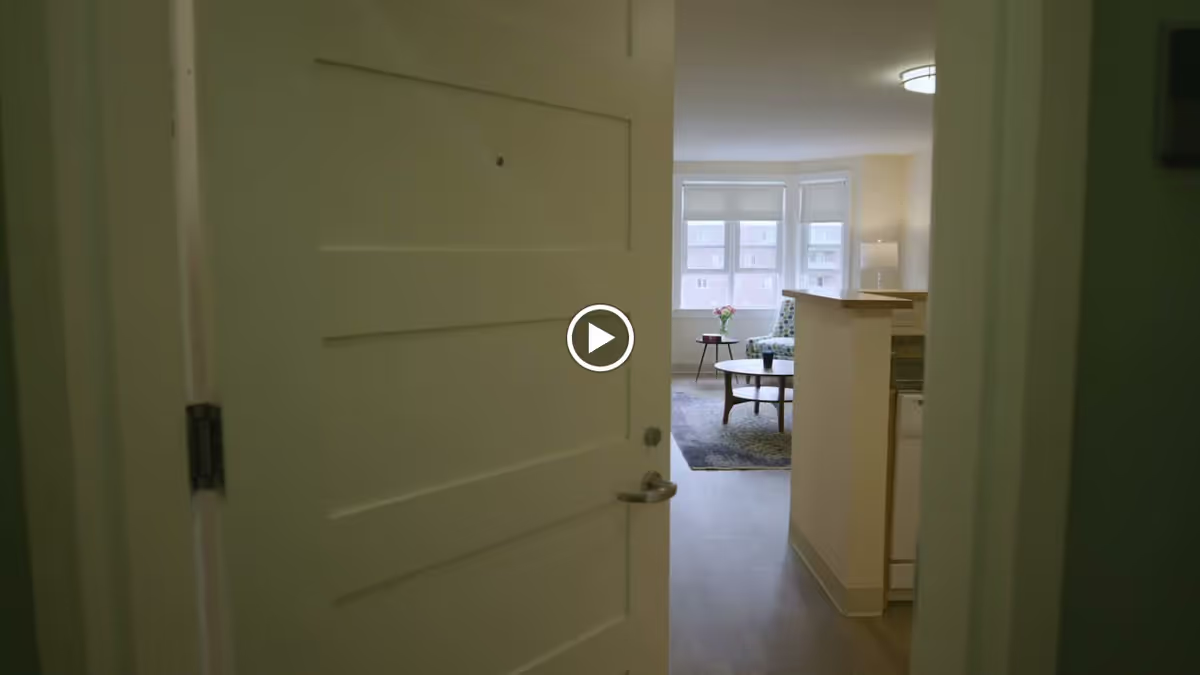
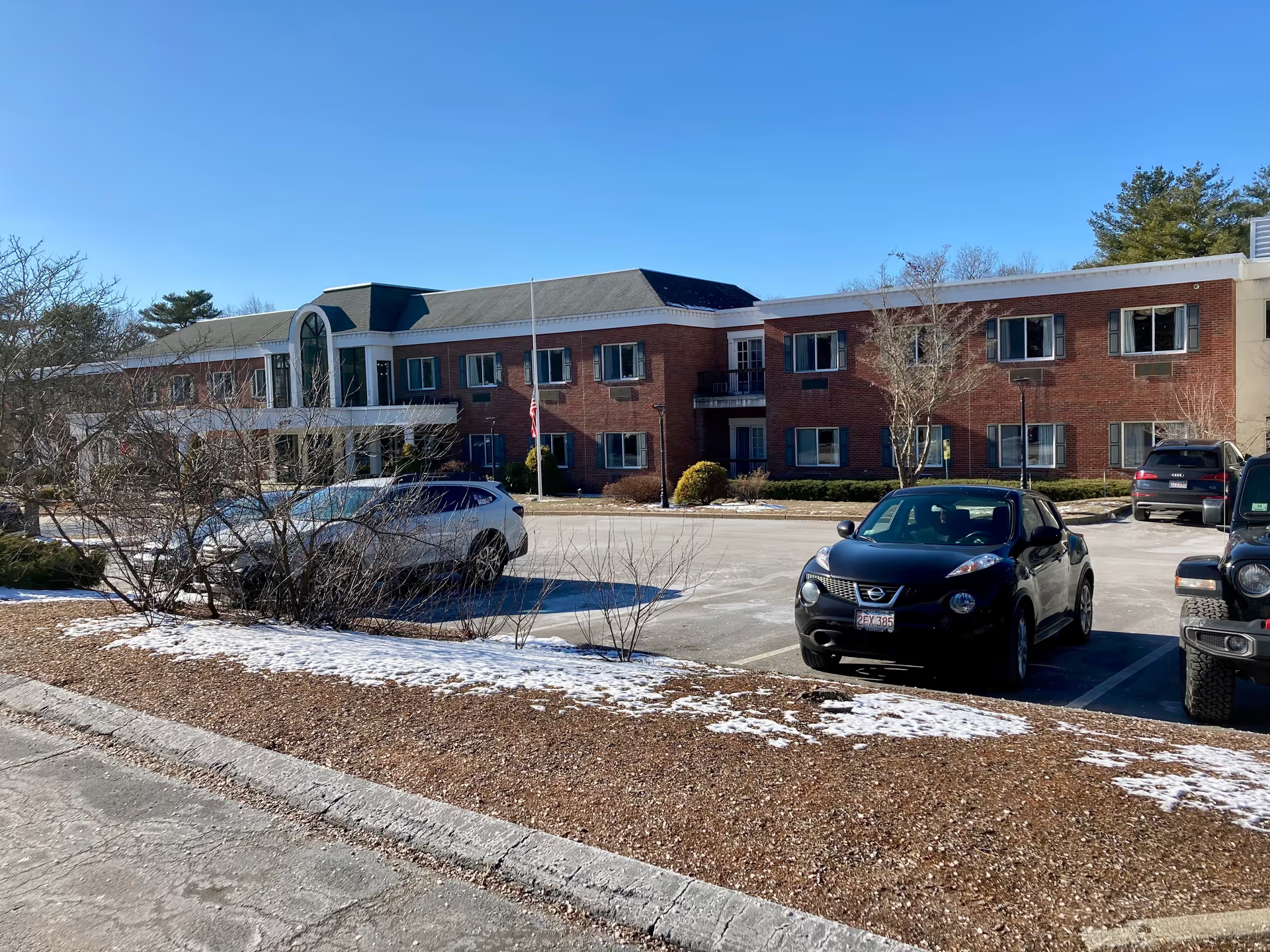
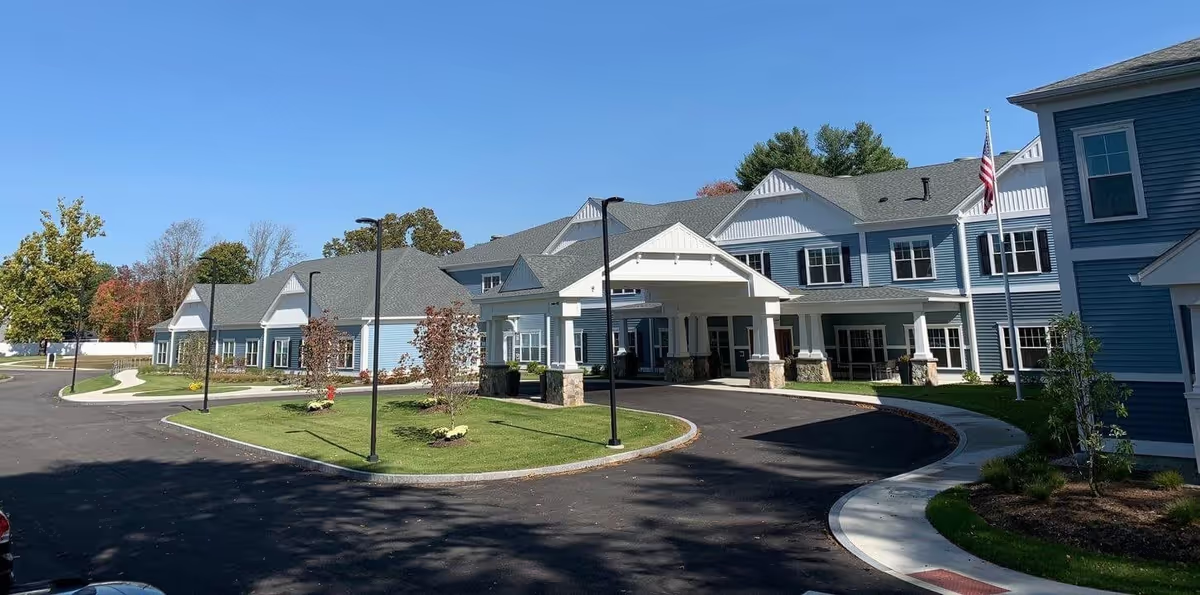
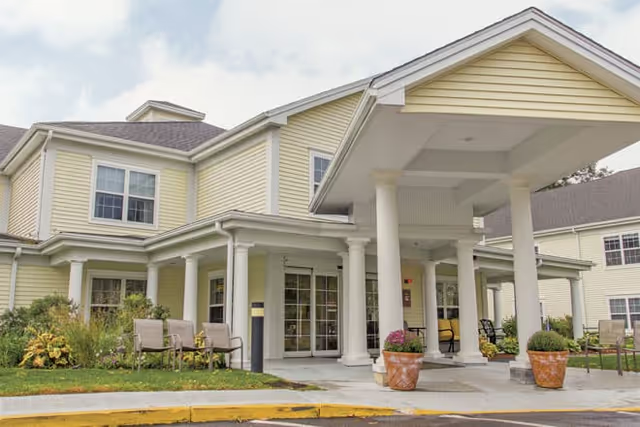
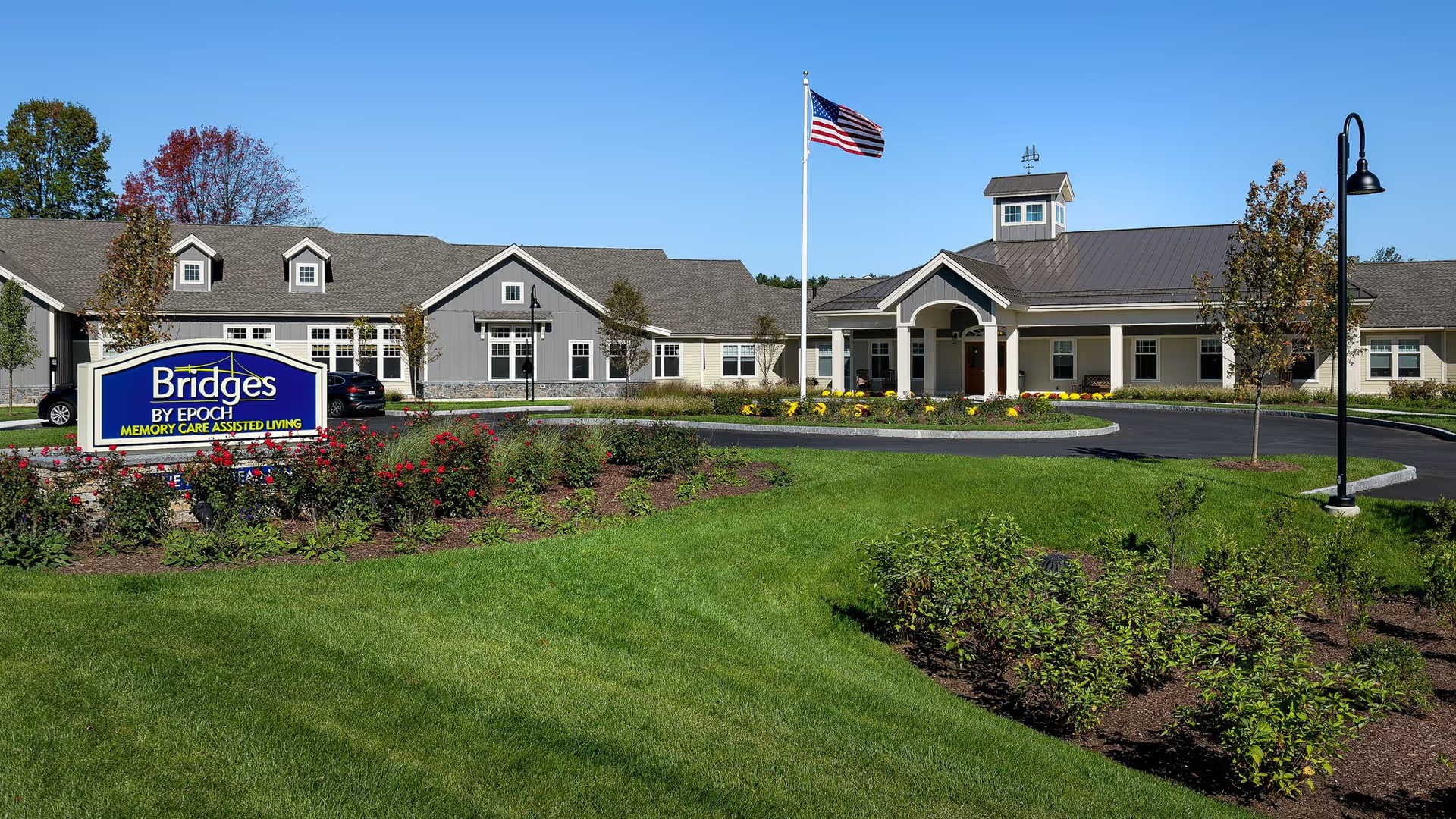
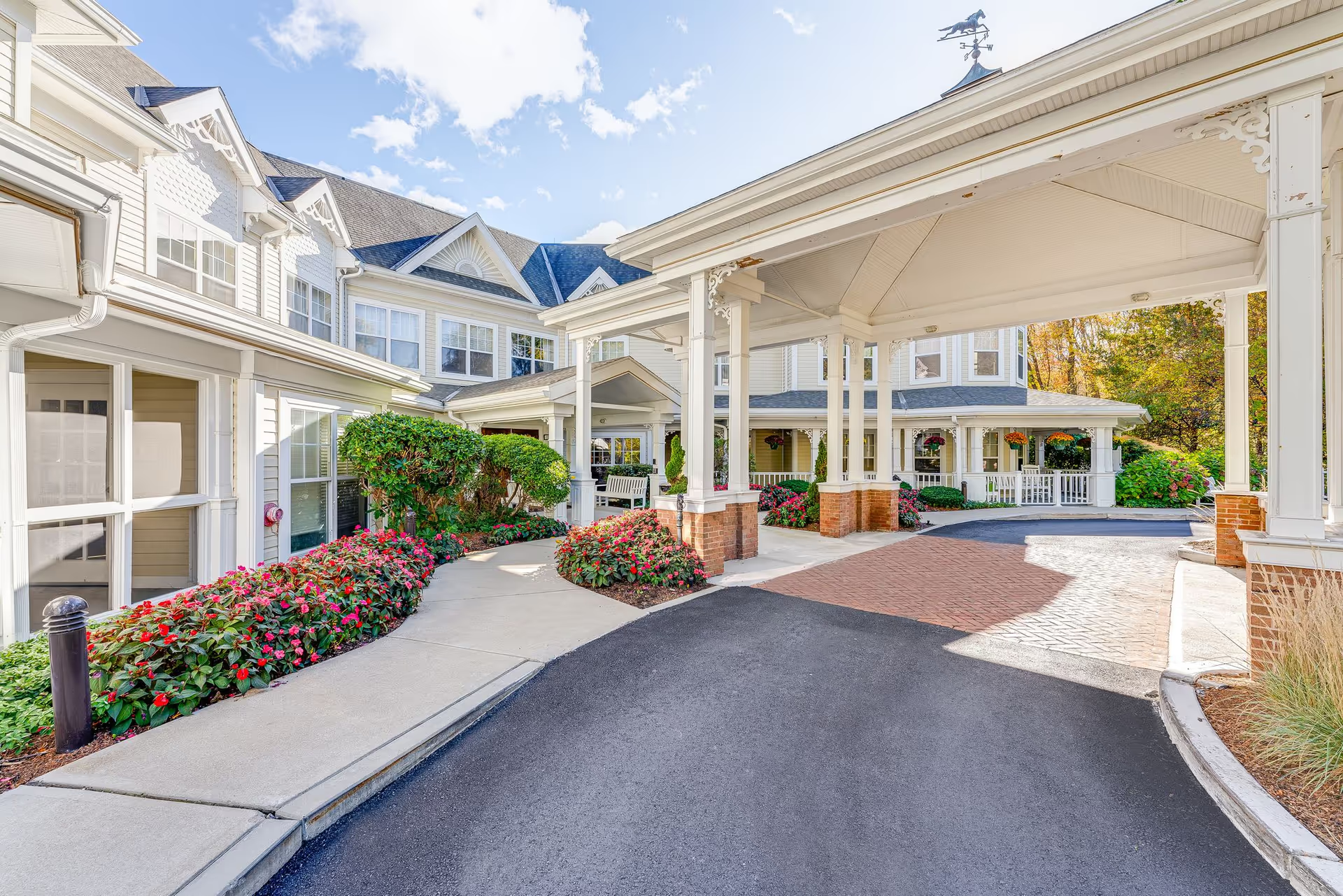
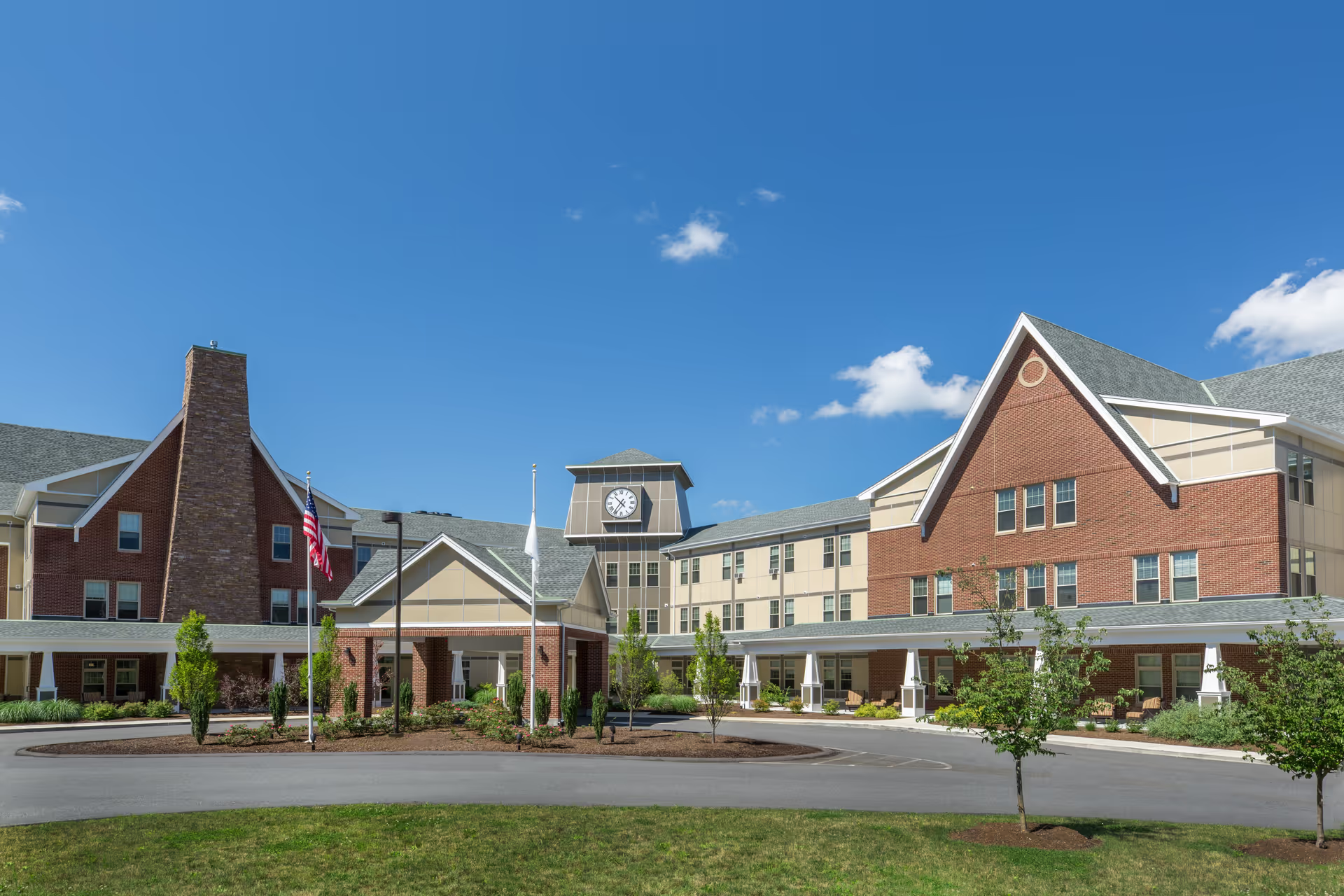
St. Patrick's Manor presents a mixed but clearly defined profile: many families and former residents praise the facility for compassionate caregiving, strong short-term rehabilitation, a lively social program, and attractive grounds and spiritual resources. Strengths that recur across accounts include engaged nursing and CNA teams, robust PT/OT services in the rehab program, private rooms with half-baths, an on-site chapel and interfaith services, bilingual staff availability, and a variety of organized activities (arts and crafts, outings, performances, cookouts and monthly family meetings). The campus environment — gardens, terraces and outdoor dining areas — is consistently described as pleasant and well maintained, contributing to a calm, homelike atmosphere for many long-term residents.
At the same time, there is notable variability in operational performance and family experience. A recurrent operational weakness is inconsistent staffing and turnover, which reviewers link to slower response times, missed nursing tasks, and reduced one-on-one attention during peak periods. Related concerns include gaps in cross-department communication (for example, between admissions, nursing and rehab) that can complicate discharge planning and create frustration around promised services. Cleanliness and linen maintenance are frequently praised at the facility level, but a number of accounts describe issues in specific rooms or units, and there are references to hygiene and incontinence-care concerns that prospective families should verify in person.
Memory-care operations and long-term care units elicit some of the strongest disagreement among families. While some reports describe dignified, attentive memory-care services, others indicate operational weaknesses that make that unit less reliable for residents with advanced needs. Prospective residents and families should treat memory care as a distinct program when assessing fit: ask about staffing ratios, turnover, staff training, and activity plans tailored to cognitive impairment. By contrast, the short-term rehab program receives consistently positive feedback for clinical competence and successful return-to-home outcomes.
Management and communication are another area of mixed impressions. Several accounts commend an accessible director and responsive management, including staff who helped families through end-of-life processes. Conversely, other accounts describe unresponsive admissions, poor interdepartmental communication, and inconsistent enforcement of visitation rules during restrictive periods. These differences suggest leadership performance has fluctuated over time or varies by department; verification of current leadership practices and recent inspection reports is advisable.
Dining and social programming are generally regarded as positives: outdoor lunches, a small pub/grill area, and an active calendar create social opportunities. Opinions on food quality vary, with occasional remarks about mediocre meals. Facility upkeep, grounds, and a homelike décor are frequently noted as assets, though some rooms and buildings are described as dated and would benefit from refurbishment.
For families considering St. Patrick's Manor, recommended steps include touring the specific unit of interest (especially memory care), asking for current staffing ratios and turnover data, observing dining and activity programming, inquiring about laundry and belongings management, and reviewing recent state inspection results and any regulatory complaints. The facility shows clear strengths in rehabilitation, spiritual support, and social programming, but also demonstrates operational variability that merits direct inquiry during a visit.