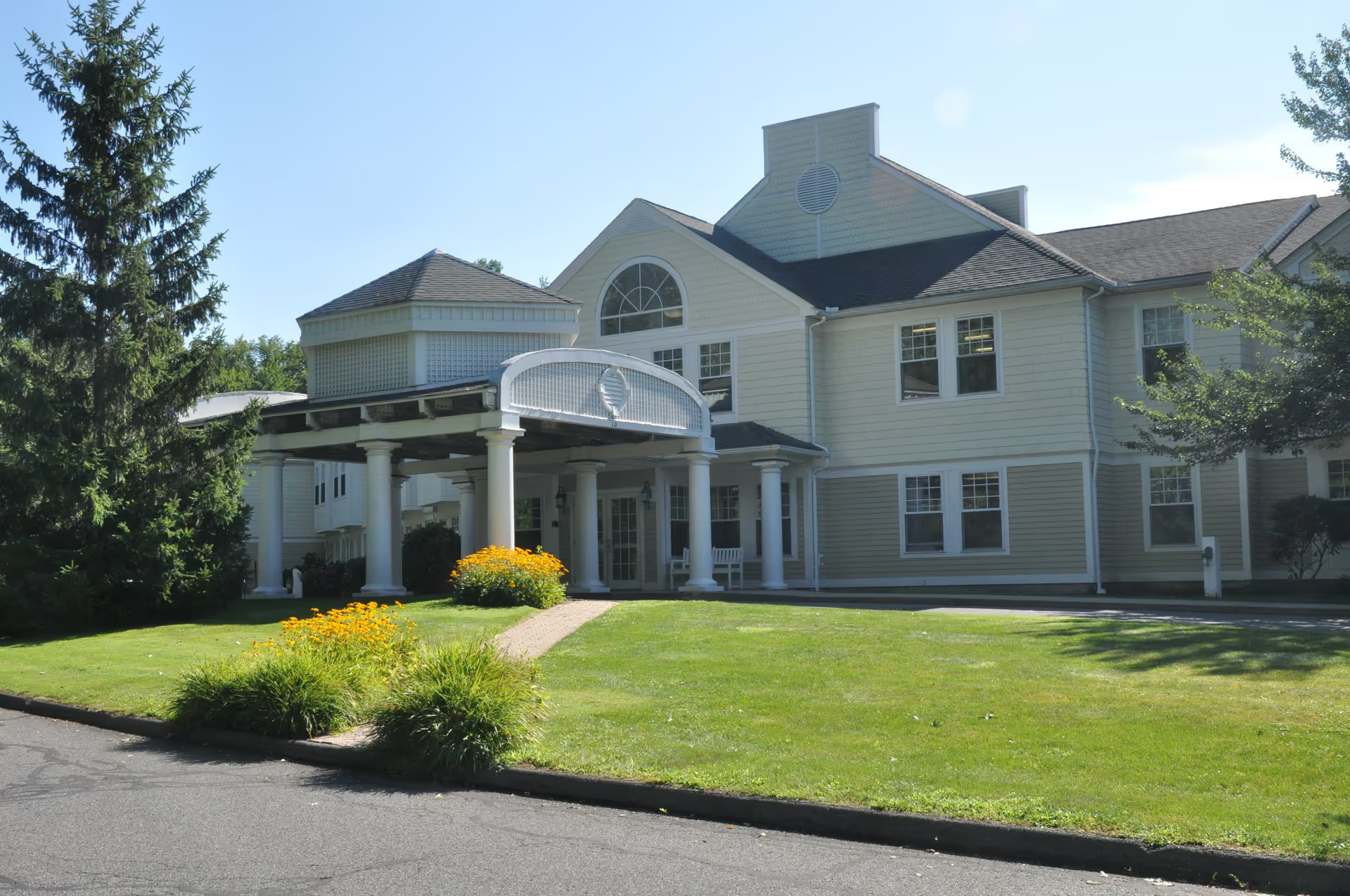
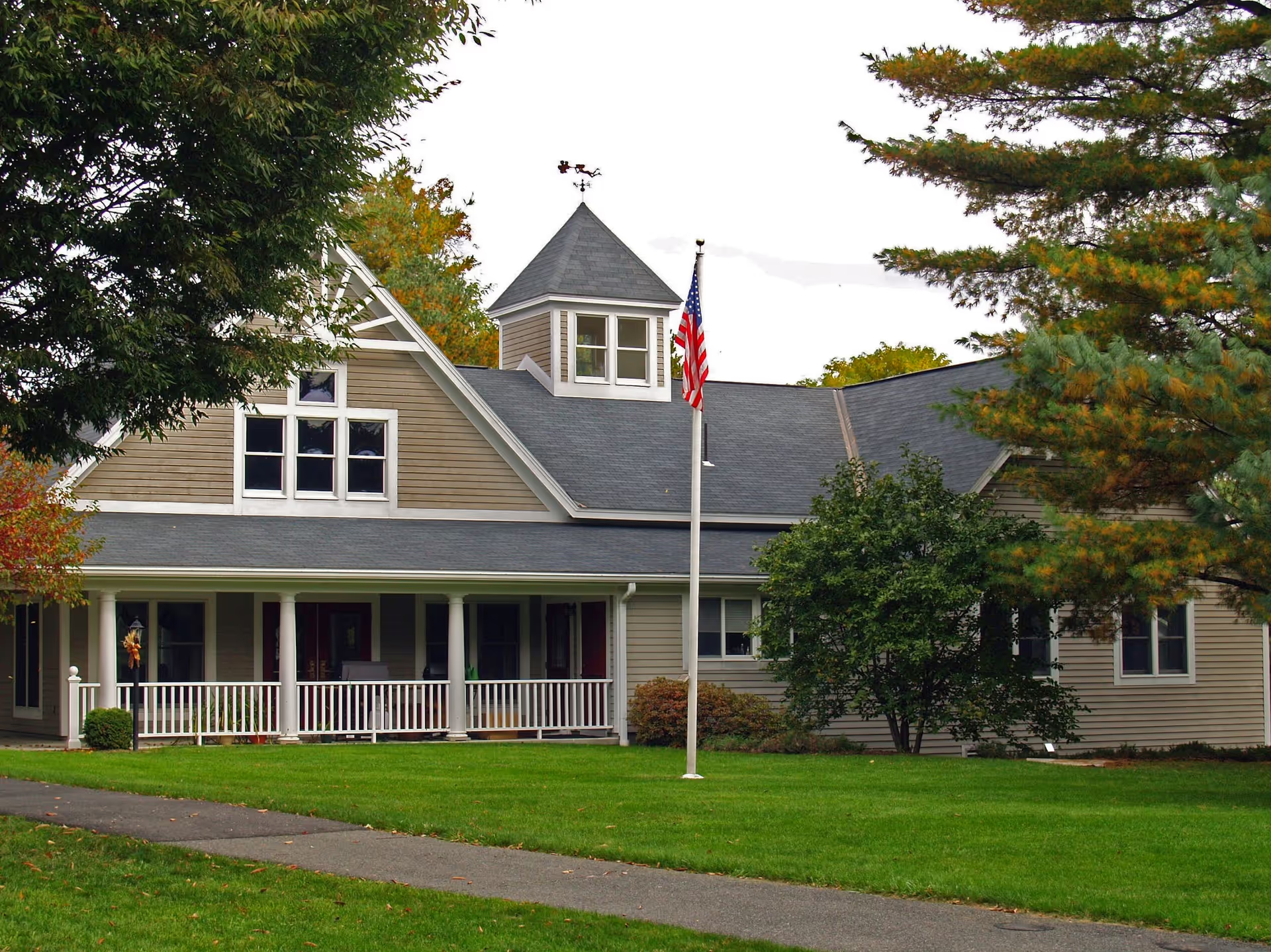
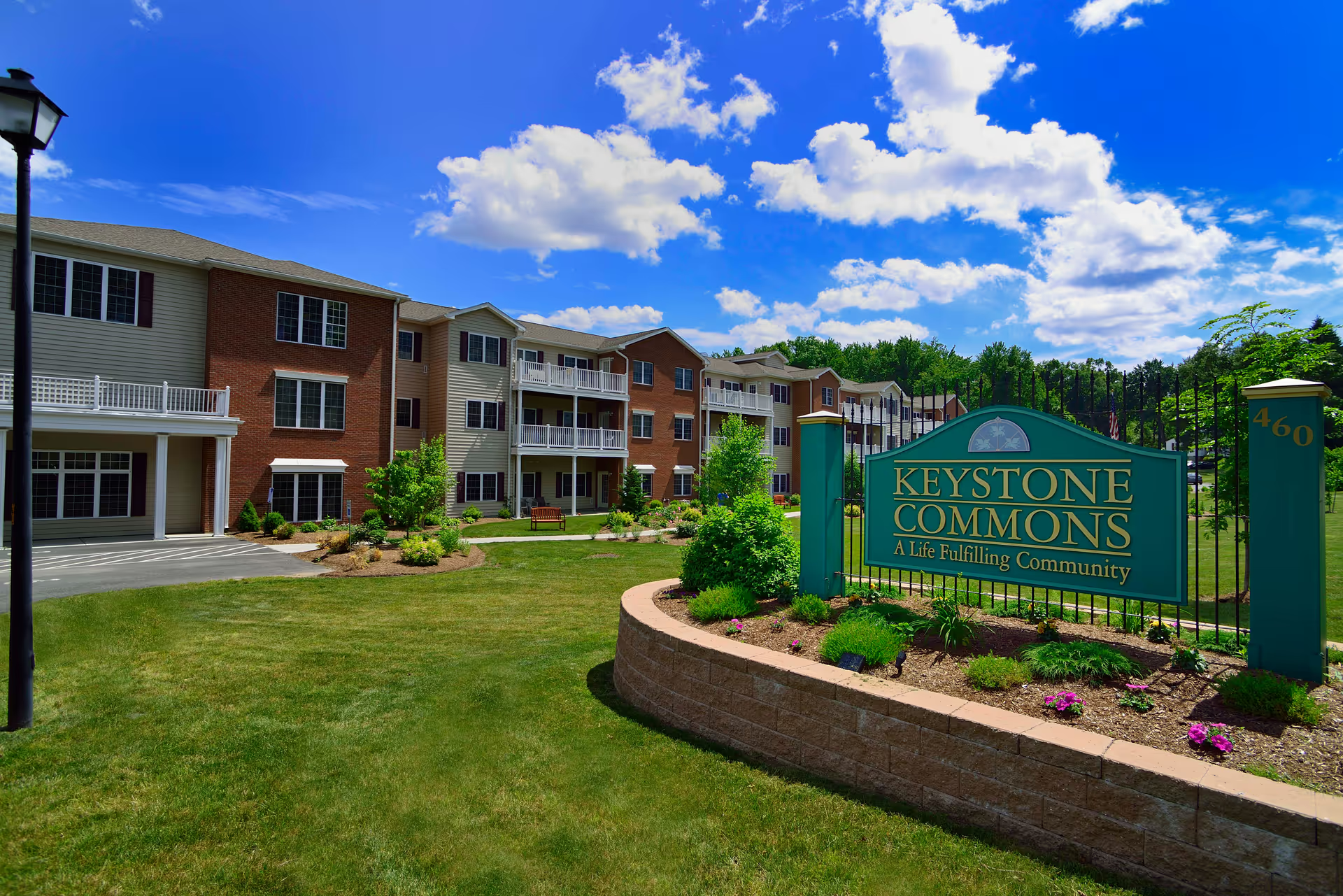
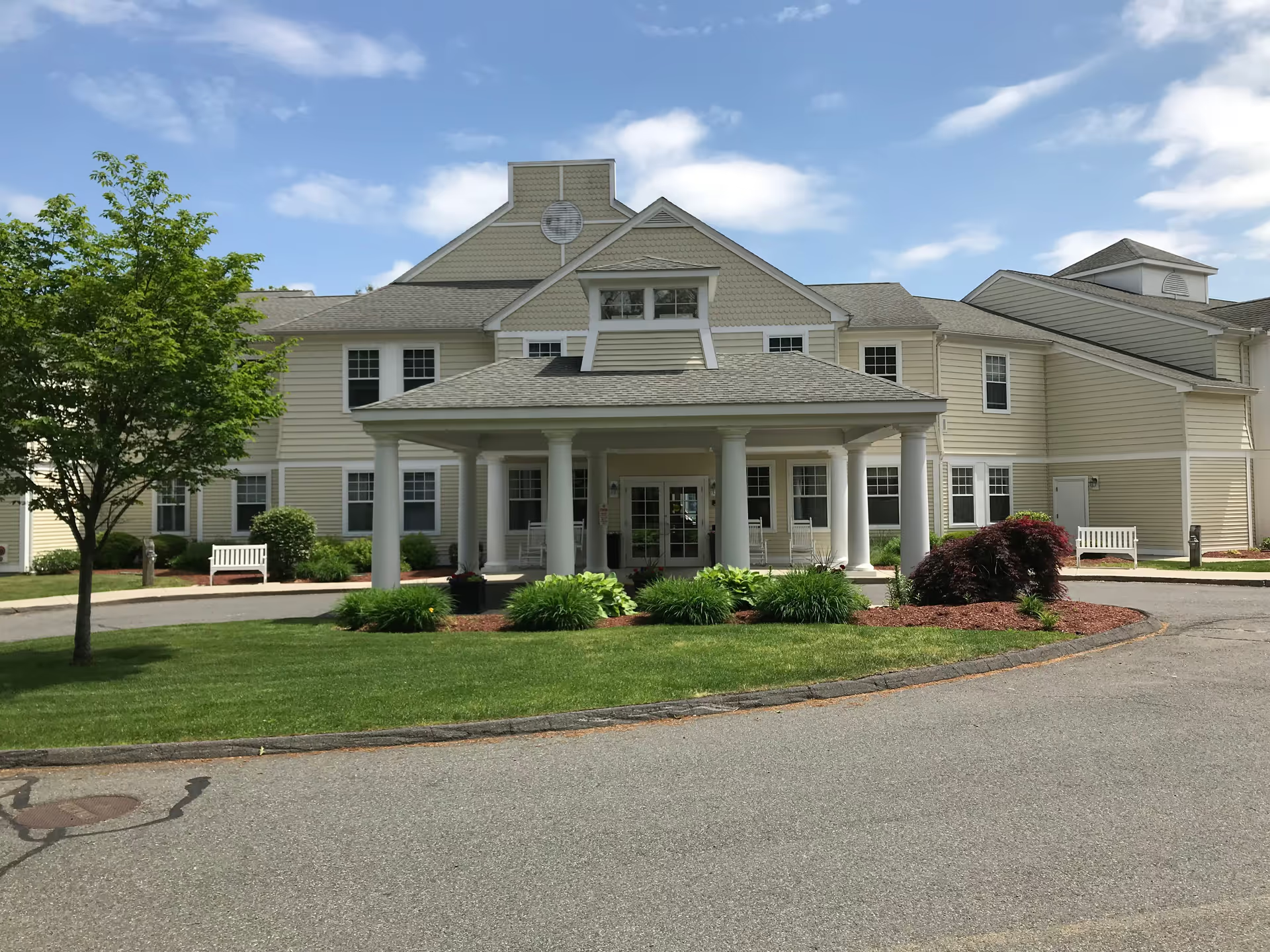
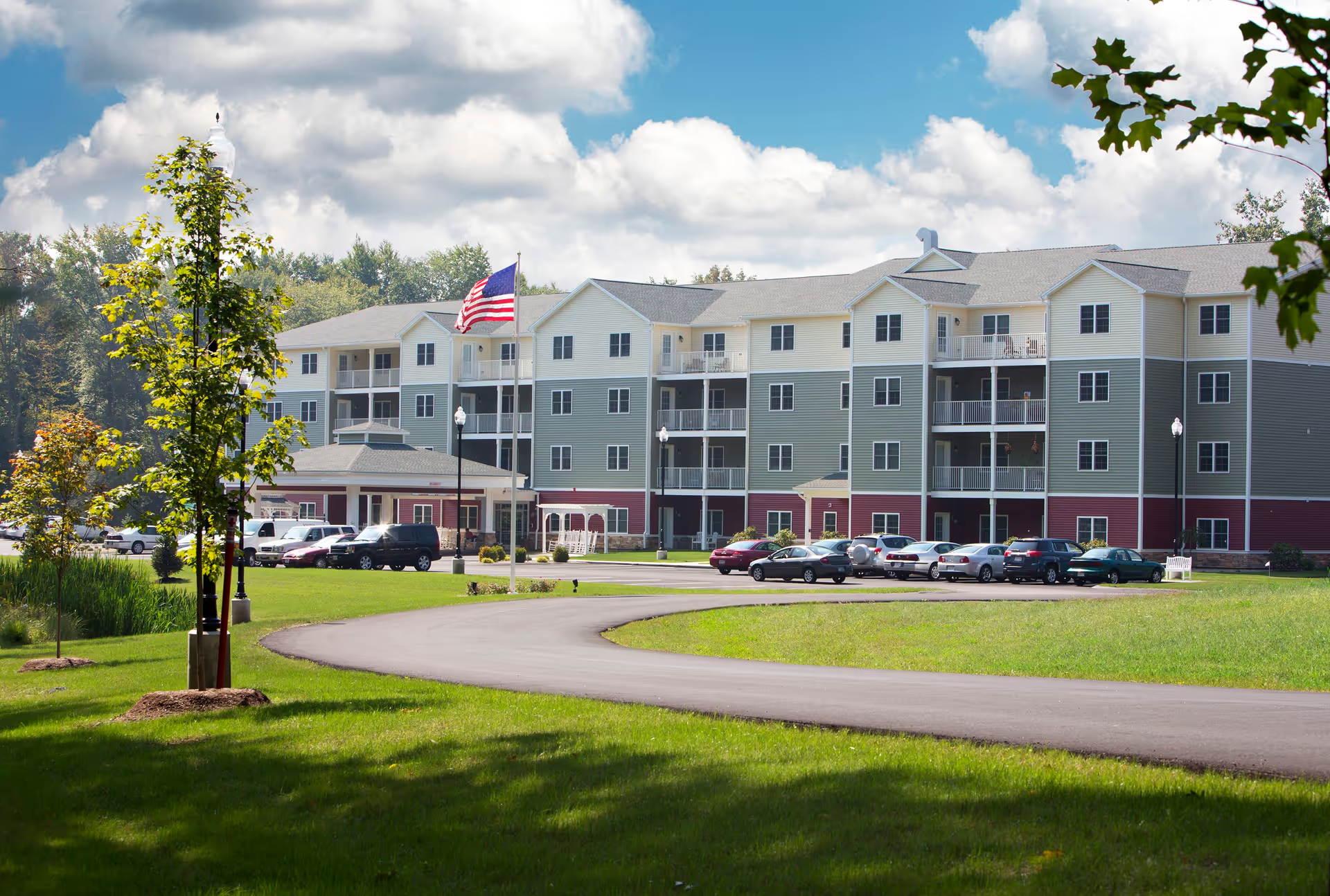
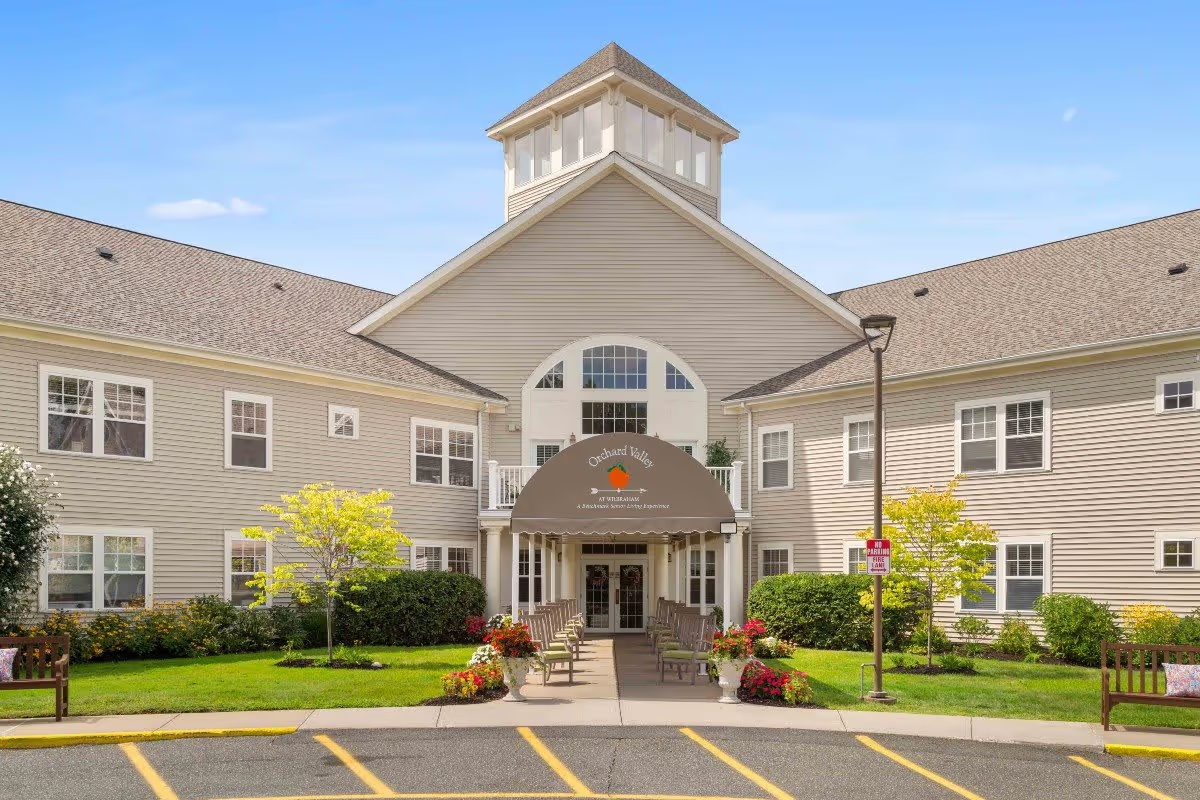
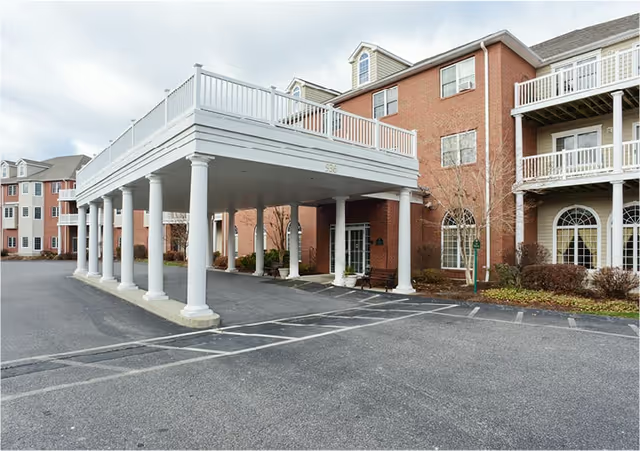
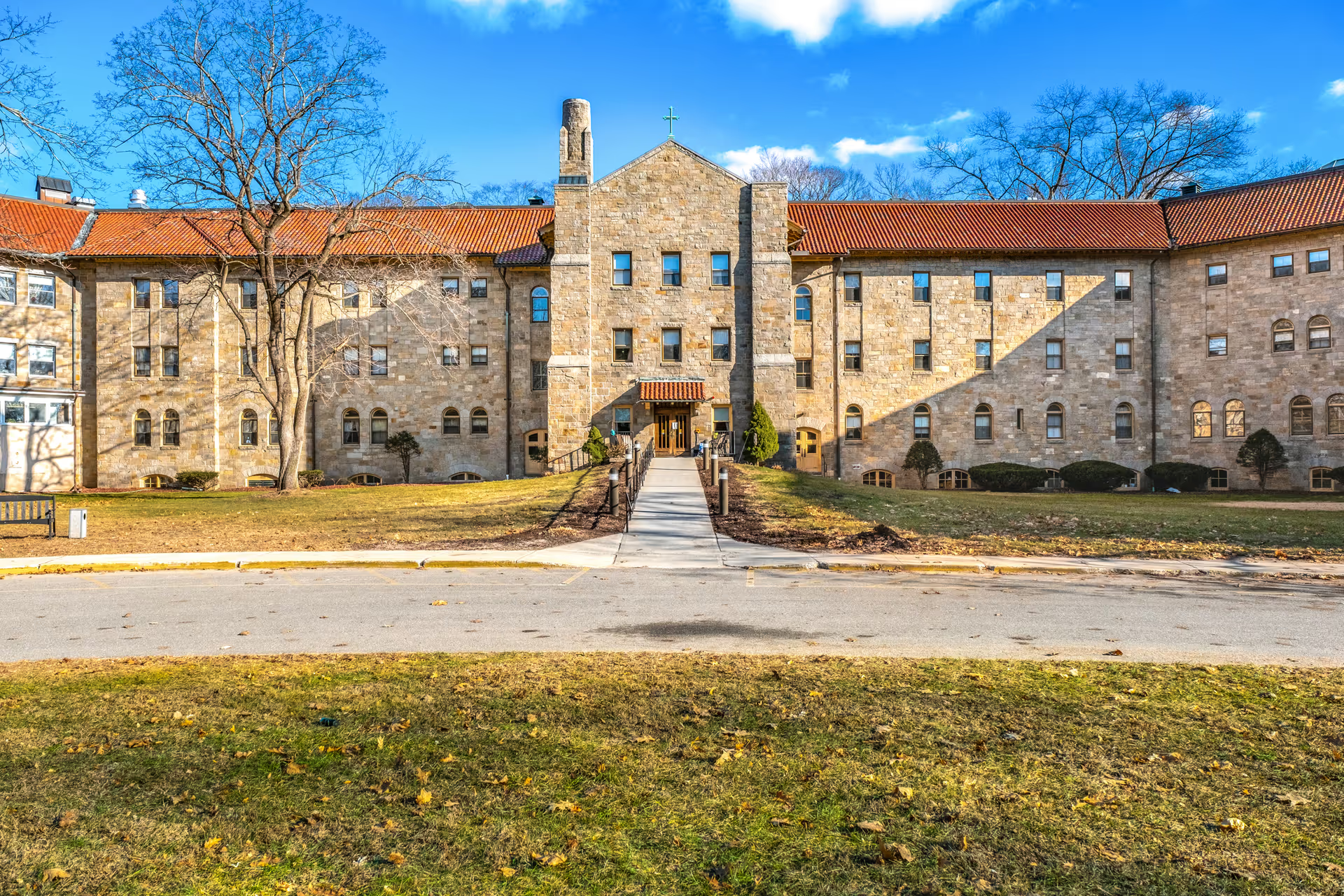
Elaine Center at Hadley elicits a mixed but clearly polarized set of impressions. Many families and residents praise the facility's direct-care staff and therapy teams, noting attentive nursing assistants, effective physical/occupational/speech therapy, and successful short-term rehab outcomes that support discharge. Reviewers highlight an active activities program, musical events, and a dedicated memory-care unit that some families find appropriate and beneficial. Several reviewers also complimented the building's updated areas, private-room options, and the use of remote-communication tools and COVID screening to keep families informed during restricted visitation.
Care quality appears to be uneven across shifts and units. Positive accounts emphasize compassionate, hands-on caregiving, timely medication administration, and individualized attention (including end-of-life companionship). Positive therapy experiences are consistently called out—PT/OT staff receive particular praise for improving mobility and transfer safety. However, other accounts describe delayed responses, lapses in clinical processes (including catheter and medication handling), and concerns about dementia-specific competencies on some units. These divergent accounts suggest that resident experience may depend heavily on staffing assignment, shift, and unit.
Dining and food service receive mixed feedback. Many families report plentiful and accommodating meals, with dietary needs respected at times. At the same time, there are concerns about inconsistent food quality, food-storage and food-safety handling, and variability in menu options. Activities programming is generally seen as a strength; reviewers mention concerts, music, and therapy-linked activities that contribute to resident engagement and mood.
Facility maintenance and sanitation are areas of concern in several accounts. While some areas and rooms are described as clean and modern, other reports indicate inconsistent room and bathroom sanitation, maintenance problems (broken remotes, fixtures, phones), and lapses in laundry and personal-property accountability. Infection-control practices are viewed positively by some (effective screening, cohorting tools) but others describe inconsistent implementation of cohorting and precautions, which raises questions about practice consistency across units.
Management and operational patterns are a frequent source of complaint. Families note variable administrative responsiveness, including delays in returning calls or addressing concerns, inconsistent enforcement of policies, and perceptions of poor transparency around transfers and care decisions. Staffing and compensation dynamics also appear to affect operations: reviewers cite understaffing, pay disparities between permanent and agency/travel staff, and resulting morale and turnover issues. These operational traits help explain the inconsistency between highly positive frontline-care reports and the more severe negative operational experiences.
Taken together, the pattern is one of meaningful strengths in direct clinical care and rehabilitation—especially when well-staffed and led by engaged therapy and nursing personnel—paired with operational weaknesses that produce variability in day-to-day resident experience. Prospective families should verify current staffing ratios, dementia training policies, infection-control procedures, meal-safety practices, laundry and property management processes, and how the facility handles transfers and family communication. Asking for recent sanitation/inspection records and speaking directly with unit-level managers about typical staffing and therapy availability can help set expectations and identify areas where the facility is performing consistently well versus where improvement is needed.