Reviews of Wingate at Haverhill are strongly polarized: many families describe compassionate, experienced caregivers and a clean, well‑maintained facility, while other accounts identify substantive operational and clinical concerns. This pattern suggests meaningful variation between units and shifts rather than uniformly consistent performance across the facility.
Care quality is described as excellent by multiple reviewers for routine and long‑term needs; several accounts praise attentive bedside care, emotional support from aides and nurses, and an on‑site physician who is responsive. At the same time, there are recurring concerns about the sub‑acute/rehabilitation area and suitability for post‑operative or extended medical cases. Some reviews describe clinical incidents and contested discharge decisions that families found worrying. These descriptions point to gaps in rehabilitative clinical competency and in the facility’s capacity to manage higher‑acuity or complex post‑surgical care.
Staff behavior and staffing patterns are central themes. Many reviewers highlight compassionate, professional, and long‑tenured staff who provide emotional support and strong day‑to‑day care. Conversely, other accounts describe periods of understaffing, uneven responsiveness, and instances of discourteous conduct or dismissive communication. The aggregate impression is of generally strong individual caregivers who are, at times, constrained or inconsistent due to staffing variability and shift‑to‑shift differences.
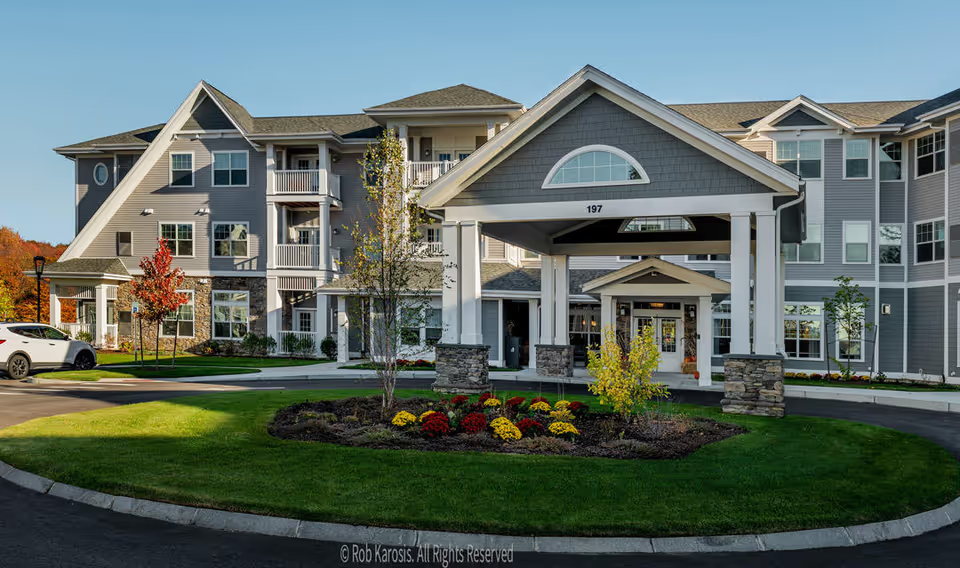
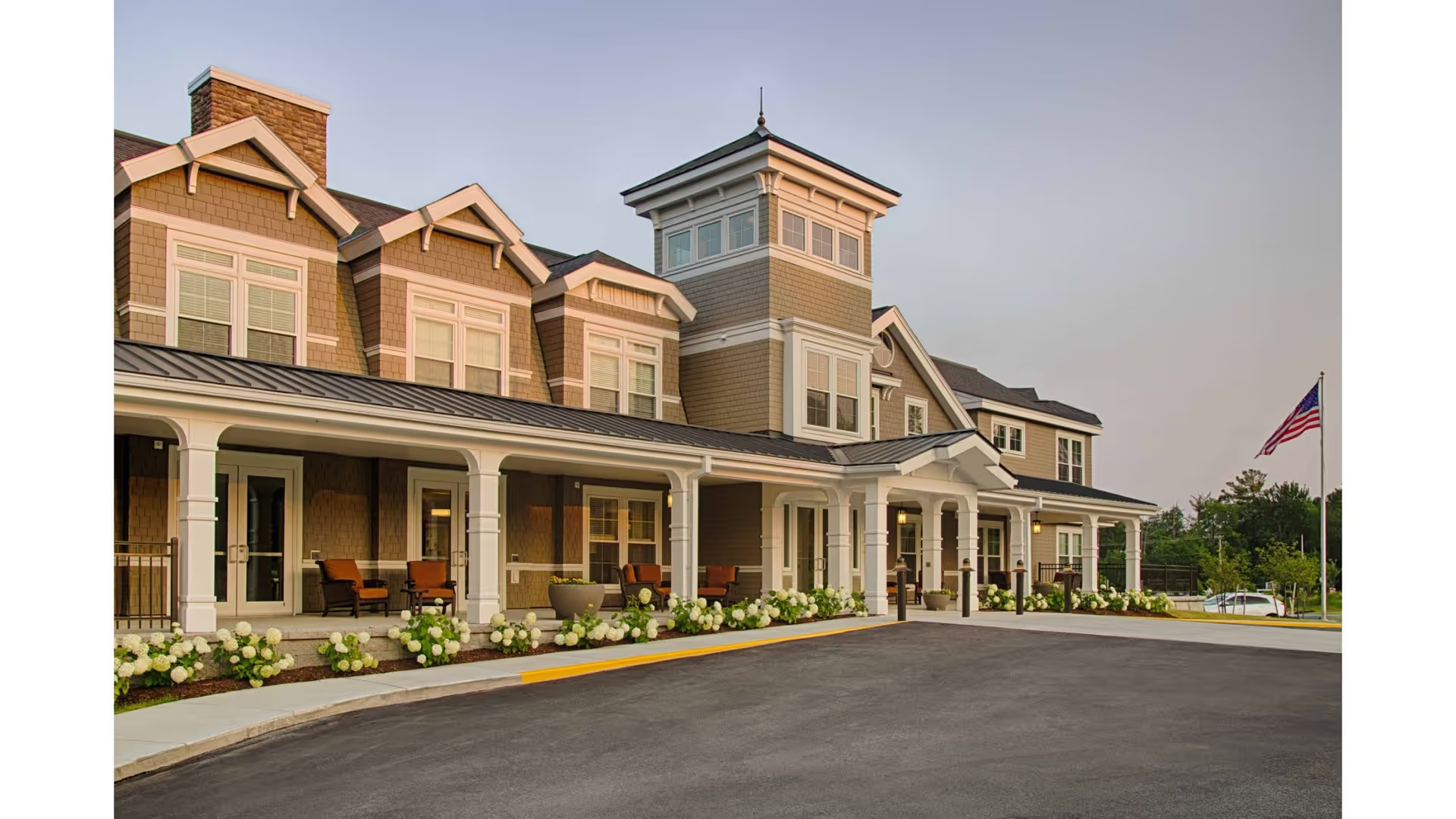
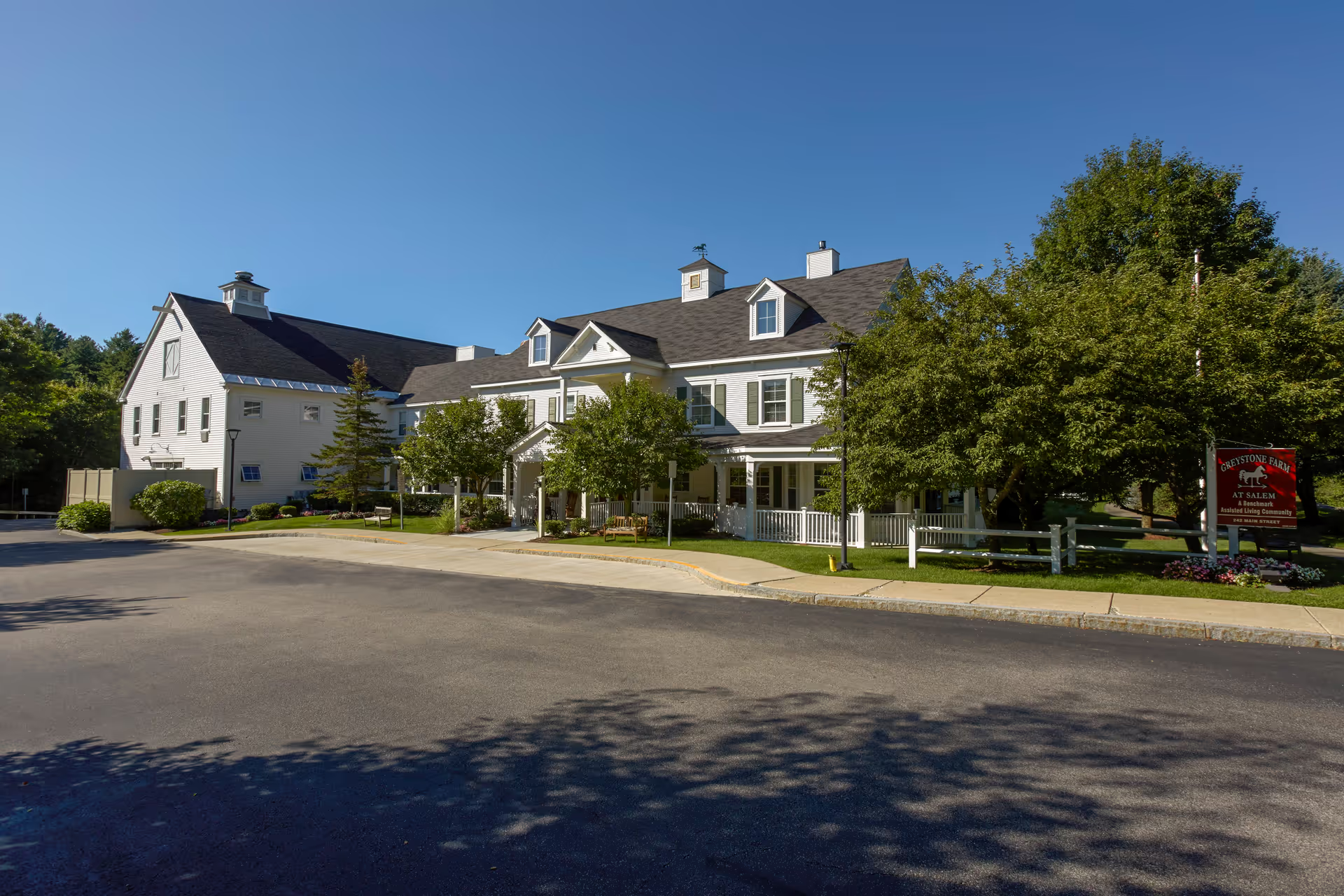
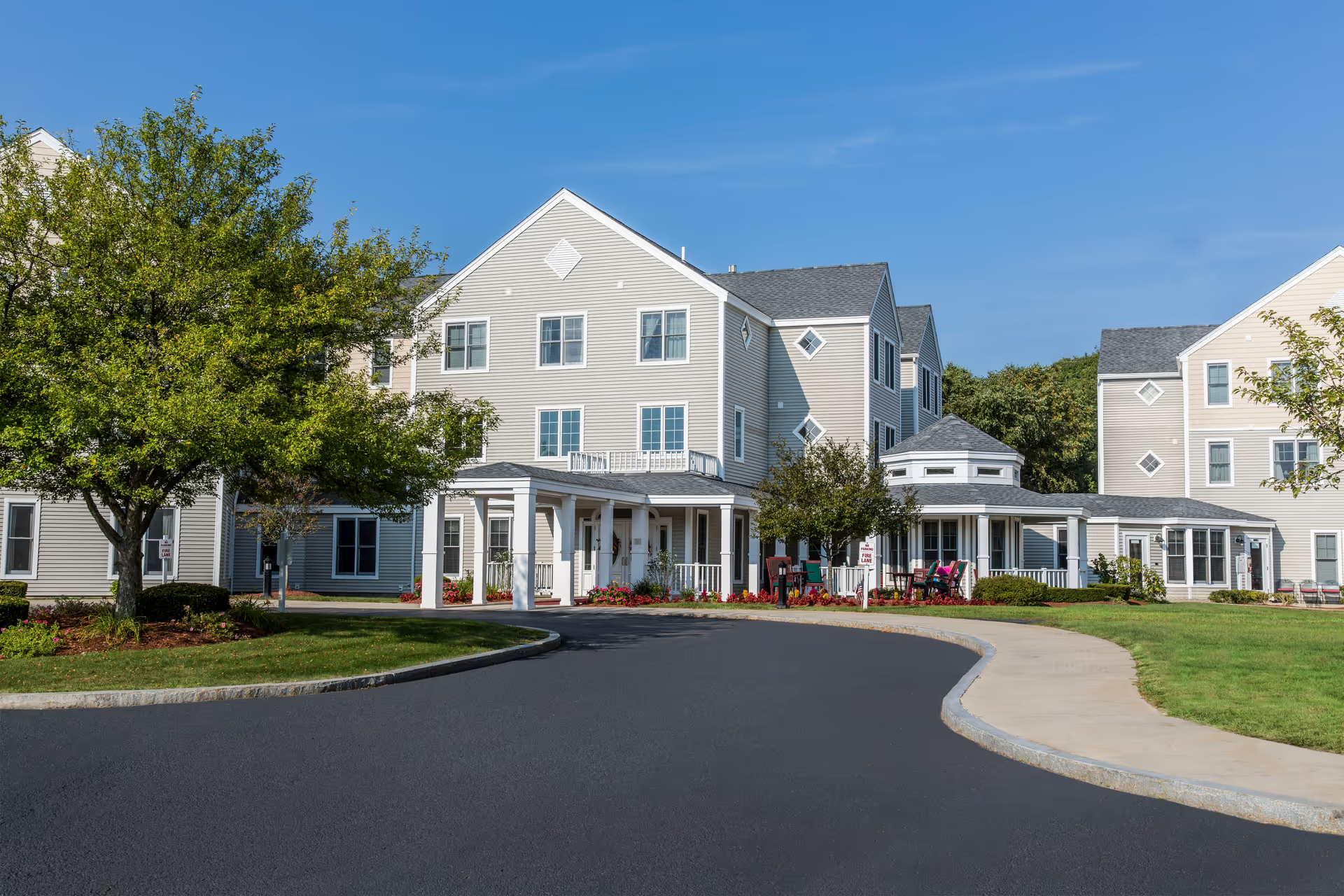
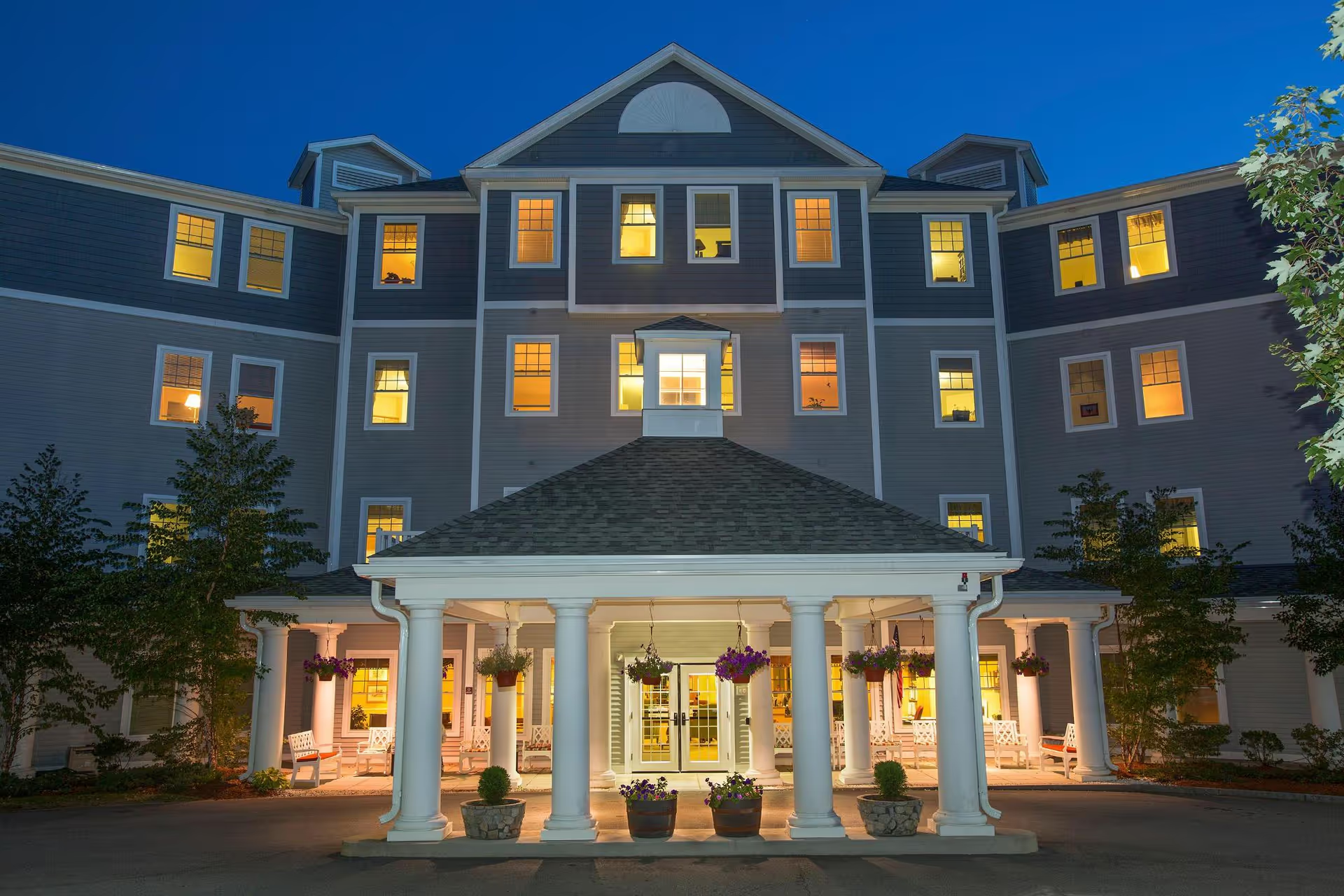
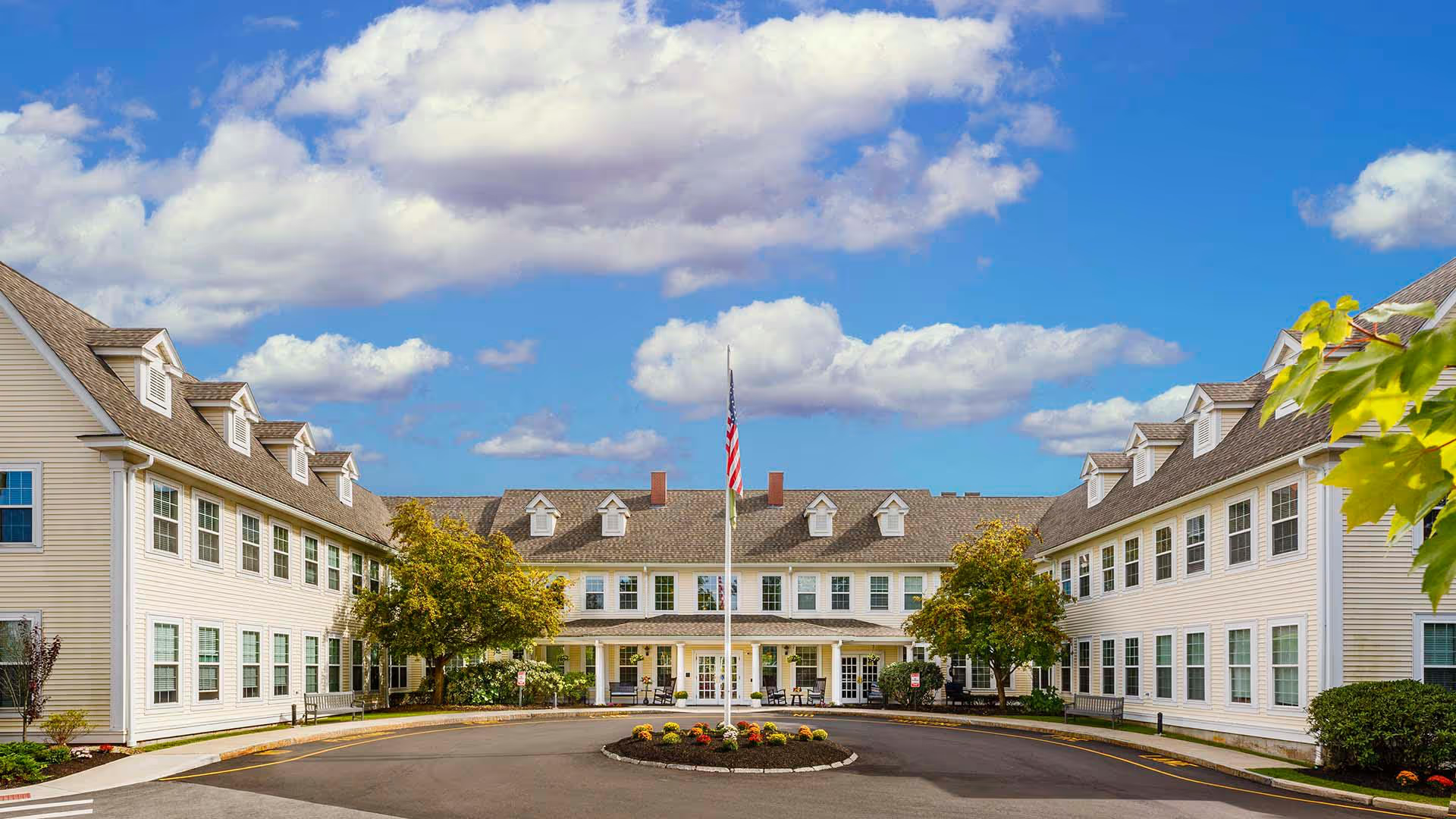
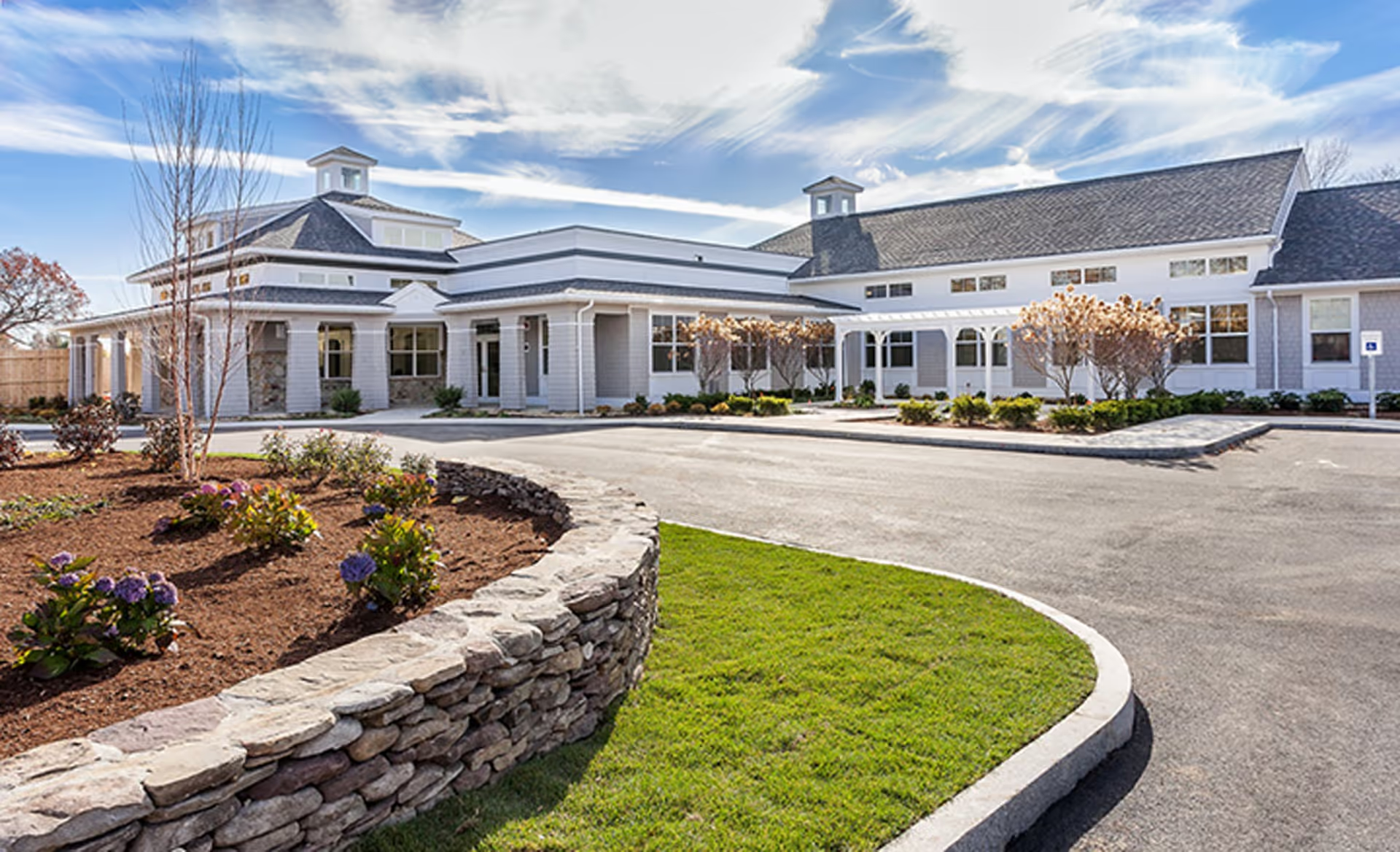
Facilities and daily life receive generally positive marks for cleanliness, upkeep, and an upbeat resident atmosphere. However, dining experiences are described inconsistently — some reviewers commend the food while others characterize dining quality as poor. Common areas and activity spaces were praised for engagement but also flagged as crowded at times, which may reflect capacity or scheduling constraints. COVID‑era stressors were mentioned as influencing staffing and morale during peak periods.
Management and family communication elicit mixed evaluations. Several families praise administration and certain clinical leaders for going above and beyond, while others report difficulty obtaining timely information or feeling that concerns were minimized unless family members were present. This suggests variability in transparency and escalation practices depending on staff and unit.
Taken together, the reviews indicate a facility with notable strengths in compassionate individualized care, experienced staff, and physical upkeep, alongside recurring operational weaknesses — notably inconsistent staffing, variable clinical capability in the rehab/sub‑acute unit, and uneven family communication. Prospective residents and families should consider unit‑level differences, confirm the facility’s ability to meet specific post‑operative or higher‑acuity needs, and ask targeted questions about staffing patterns, clinical oversight in the sub‑acute unit, and protocols for family communication and incident escalation.