Reviews present a mixed picture of clinical and day-to-day operations. Rehabilitation services are a clear strength: physical and occupational therapy teams are repeatedly described as knowledgeable, effective, and instrumental in short-term recovery. Several families highlighted strong therapy outcomes and a supportive rehab environment. CNA/caregiver relationships are often cited positively; many reviewers described specific aides as compassionate and attentive.
At the same time, nursing coverage and responsiveness emerge as recurring concerns. Reviewers describe delayed responses to call bells, waits for assistance with transfers and toileting, and delays in medication administration. These behaviors point to inconsistent staffing levels and gaps in night-shift coverage that affect timely delivery of basic care. In several accounts, communication between nursing staff and families was limited or perceived as dismissive; some families reported difficulty obtaining clear updates about clinical status and pain management.
Dining and activities show contrasting patterns. The activity program is a consistent positive: the facility offers a broad menu of events (music, games, Wii bowling, creative arts, socials) that families and residents find engaging. Food quality and service are variable—some reviewers praised creative meals and good food, while others noted unacceptable timing, missed meals, and failures to honor dietary restrictions. Meal-service reliability and menu consistency appear to be operational weak points.
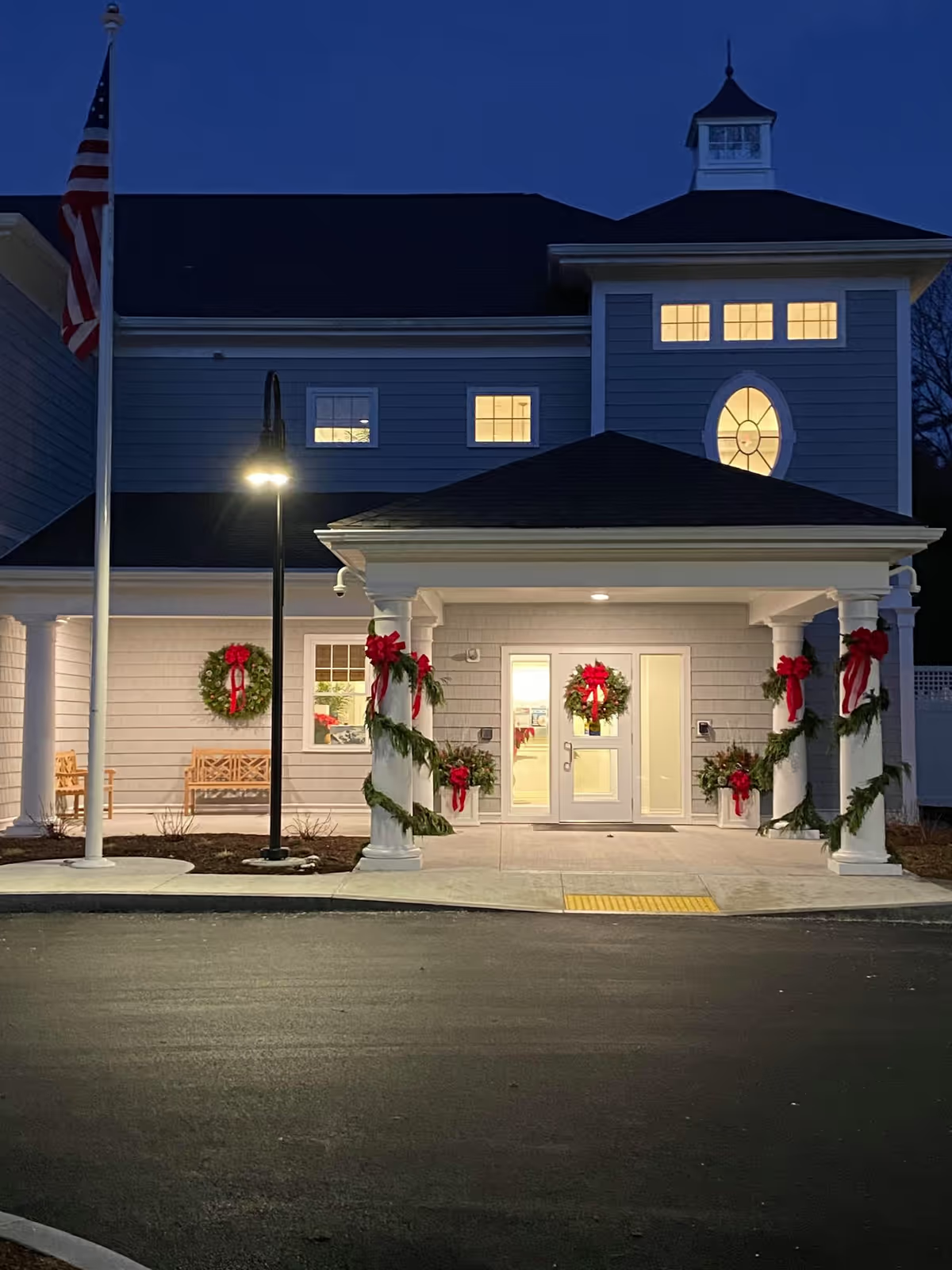
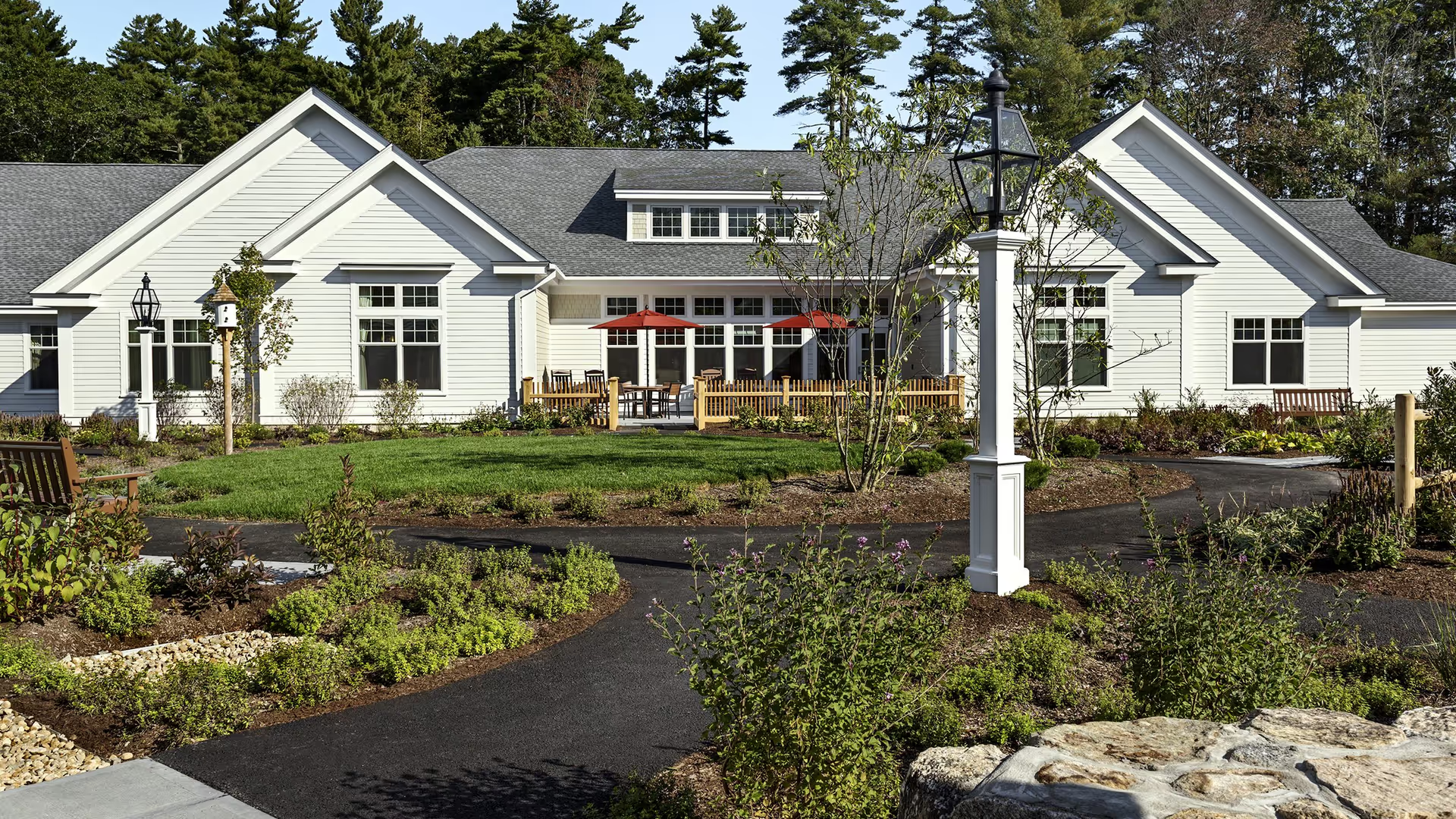
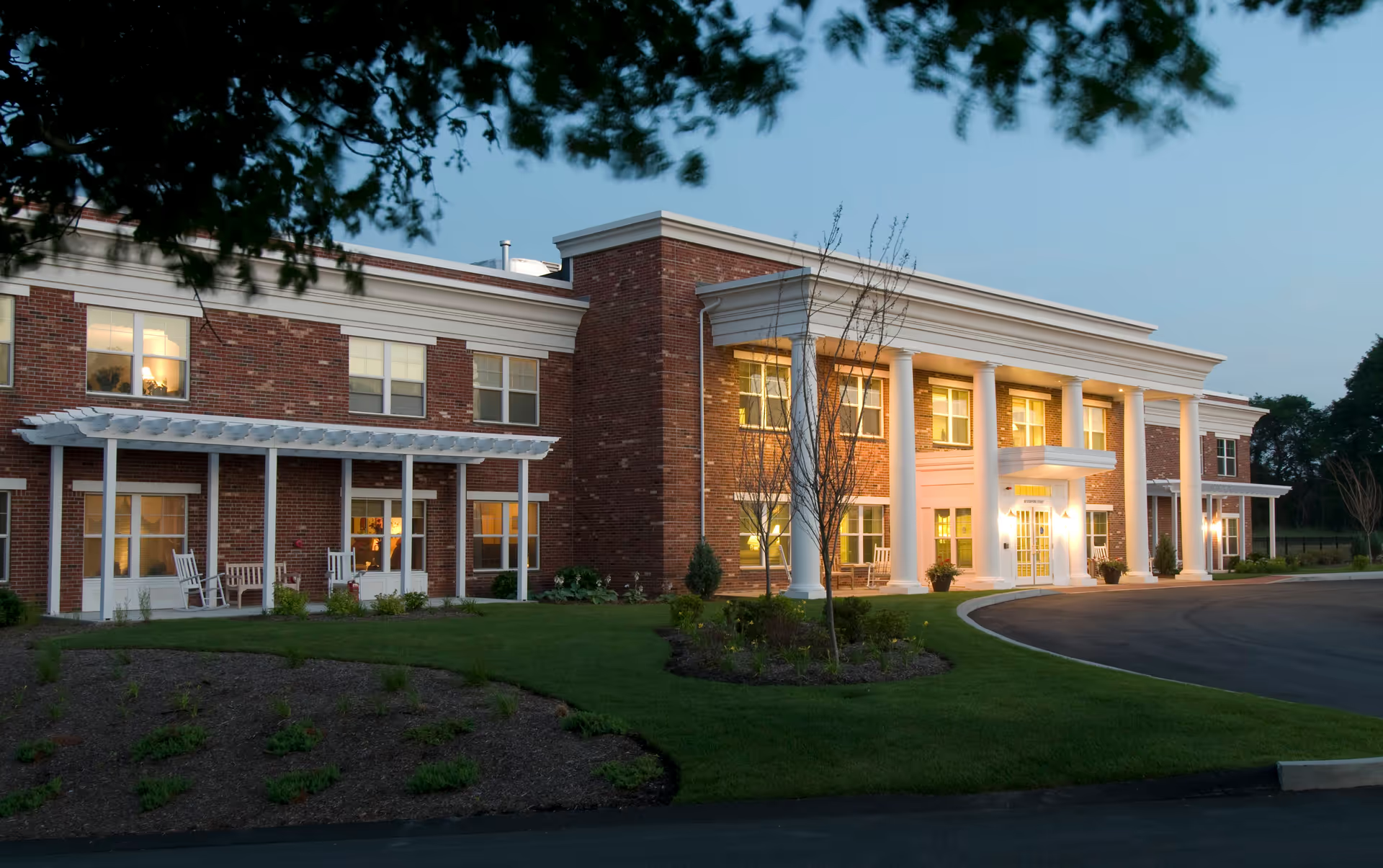
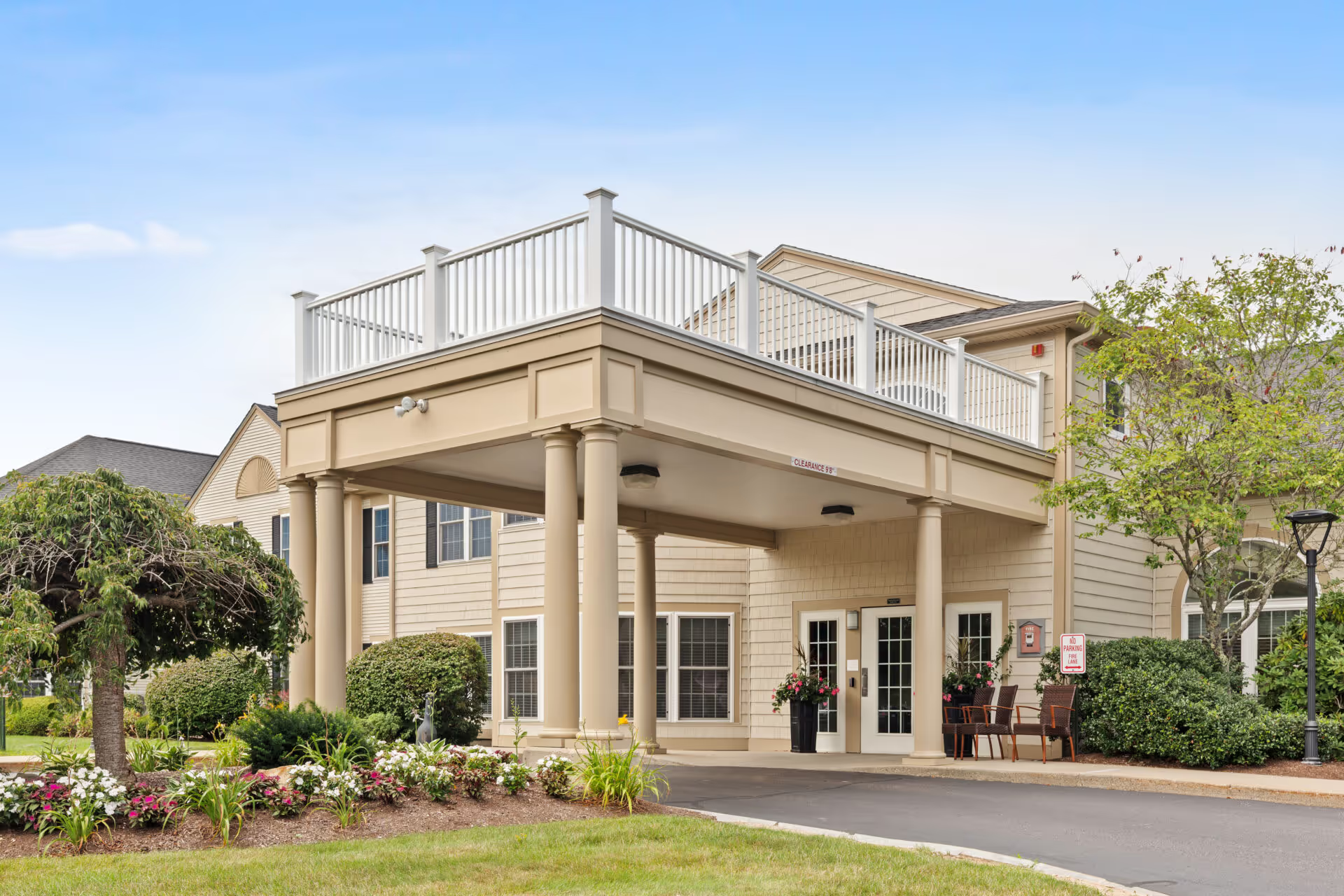
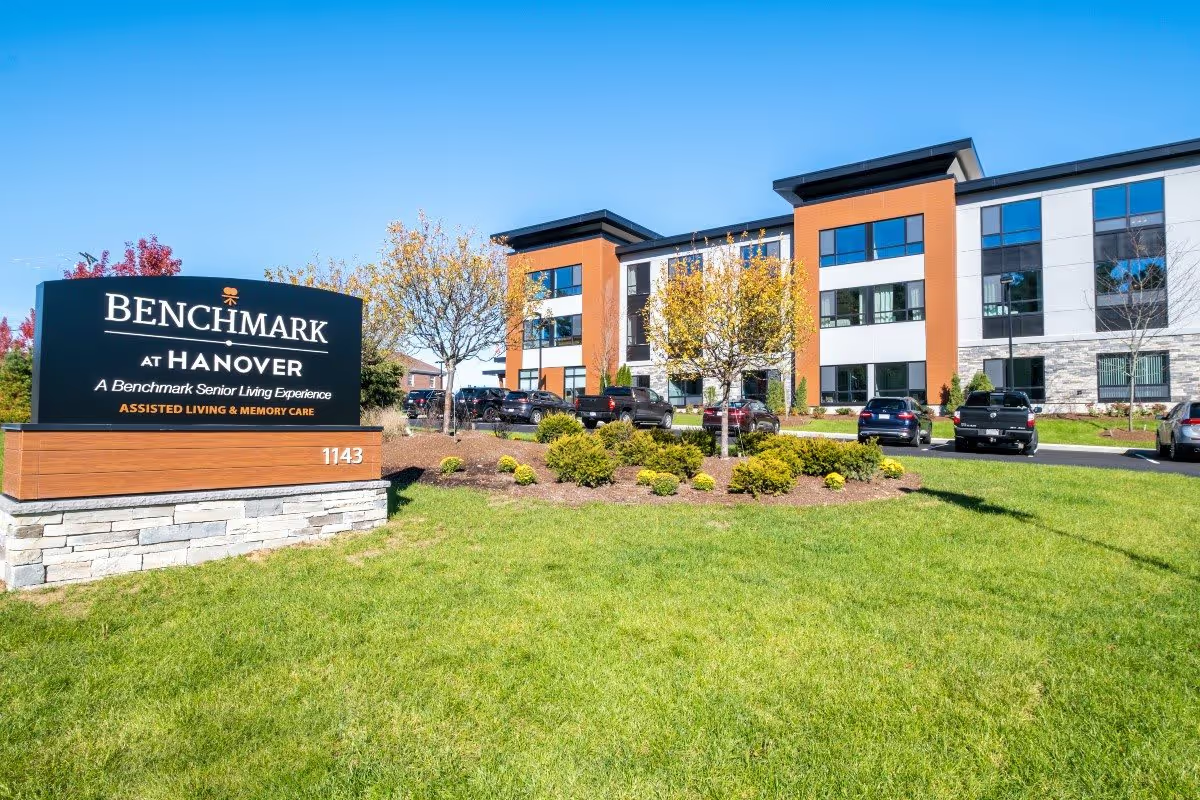
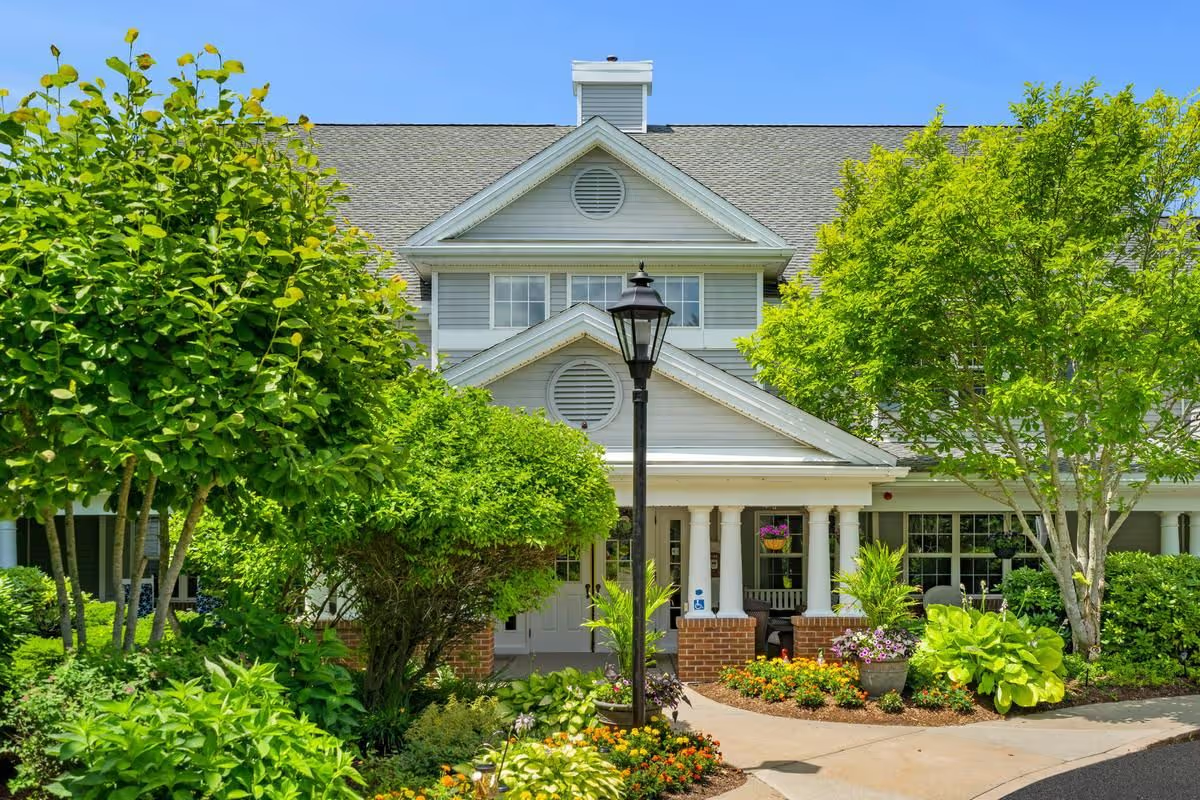
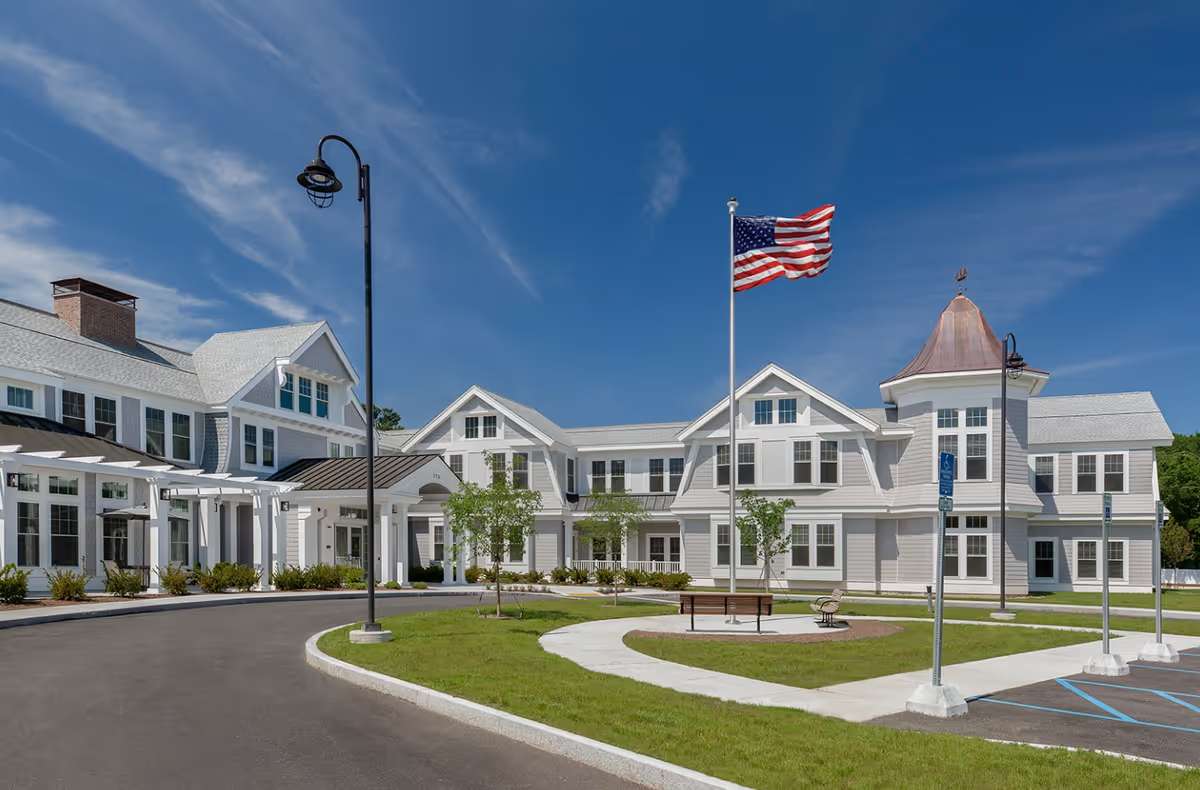
Facility and campus characteristics are similarly mixed. The site, grounds, and some common areas receive praise for being attractive and well maintained; private and adjoining room options and patio access are positives. However, maintenance and sanitation issues are noted in some units, including HVAC or leak problems and shared-bathroom constraints. These maintenance inconsistencies, together with reports of sanitation concerns, suggest uneven facility upkeep across units.
Management and administrative responsiveness vary. Several reviewers singled out individual leaders (for example, admissions and therapy personnel) for strong performance, while others described unhelpful social-work support, poor scheduling practices, and slow managerial follow-through on concerns. A pattern emerges of departments or staff members that perform well (therapy, some CNAs, recreation) alongside operational or leadership gaps that undermine overall consistency.
Safety-related patterns deserve attention. Multiple accounts reference falls, transfers that resulted in hospital transport, and other serious outcomes; these comments point to potential weaknesses in transfer-safety practices, fall prevention, and post-incident communication. Infection-control and wound-care follow-up were also described as inconsistent in some reports, further emphasizing the need for careful clinical oversight.
Overall, the facility demonstrates marked strengths in rehabilitation, activities, and in the compassionate conduct of many caregivers. Those positives coexist with operational challenges: variable nursing responsiveness, inconsistent medication and meal administration, maintenance and sanitation unevenness, and uneven management responsiveness. Prospective residents and families will benefit from confirming staffing ratios, observing nurse call response times and med pass procedures, reviewing dietary accommodation processes, and meeting therapy and unit leadership prior to admission to ensure the level of consistency they expect.