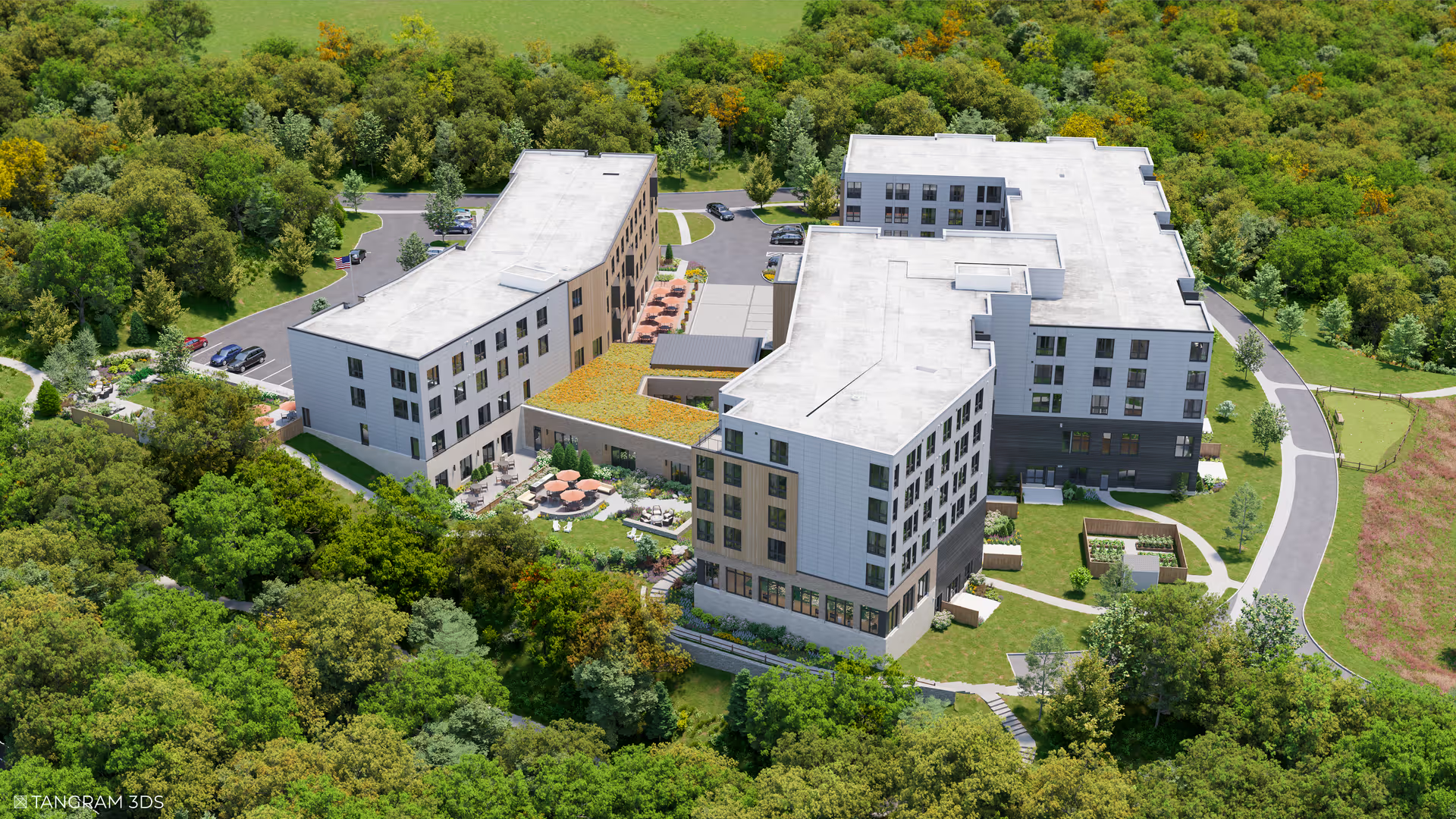
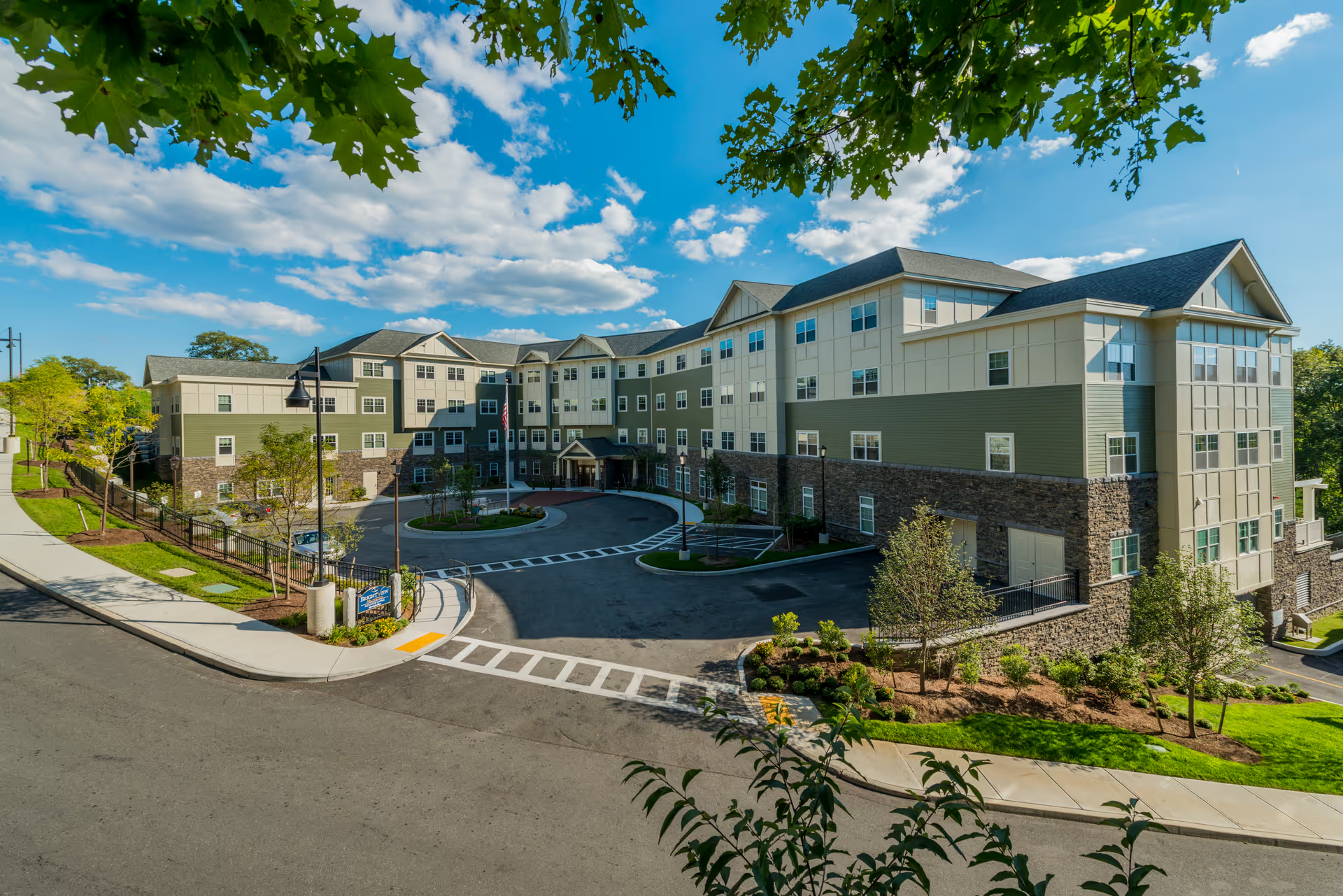
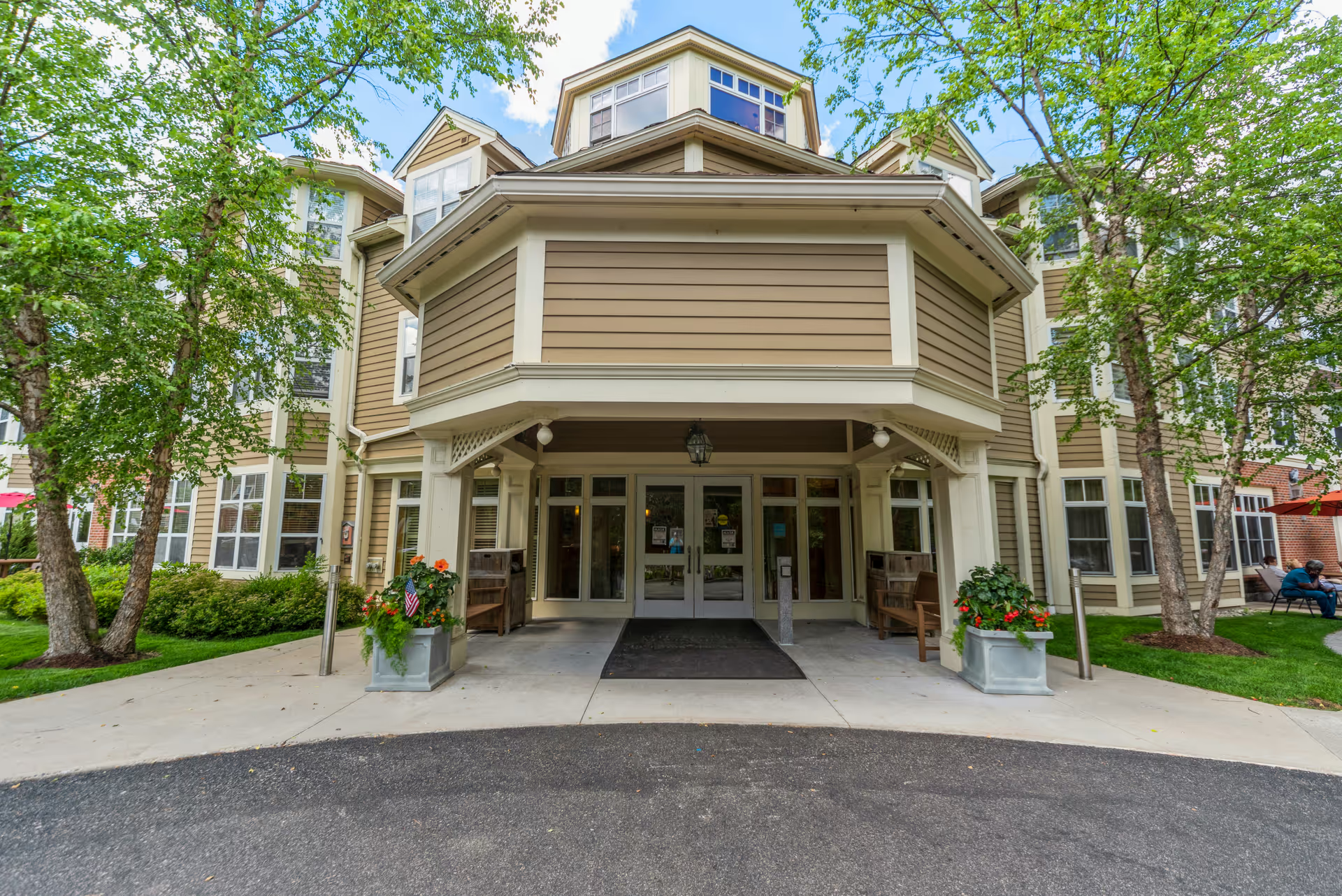
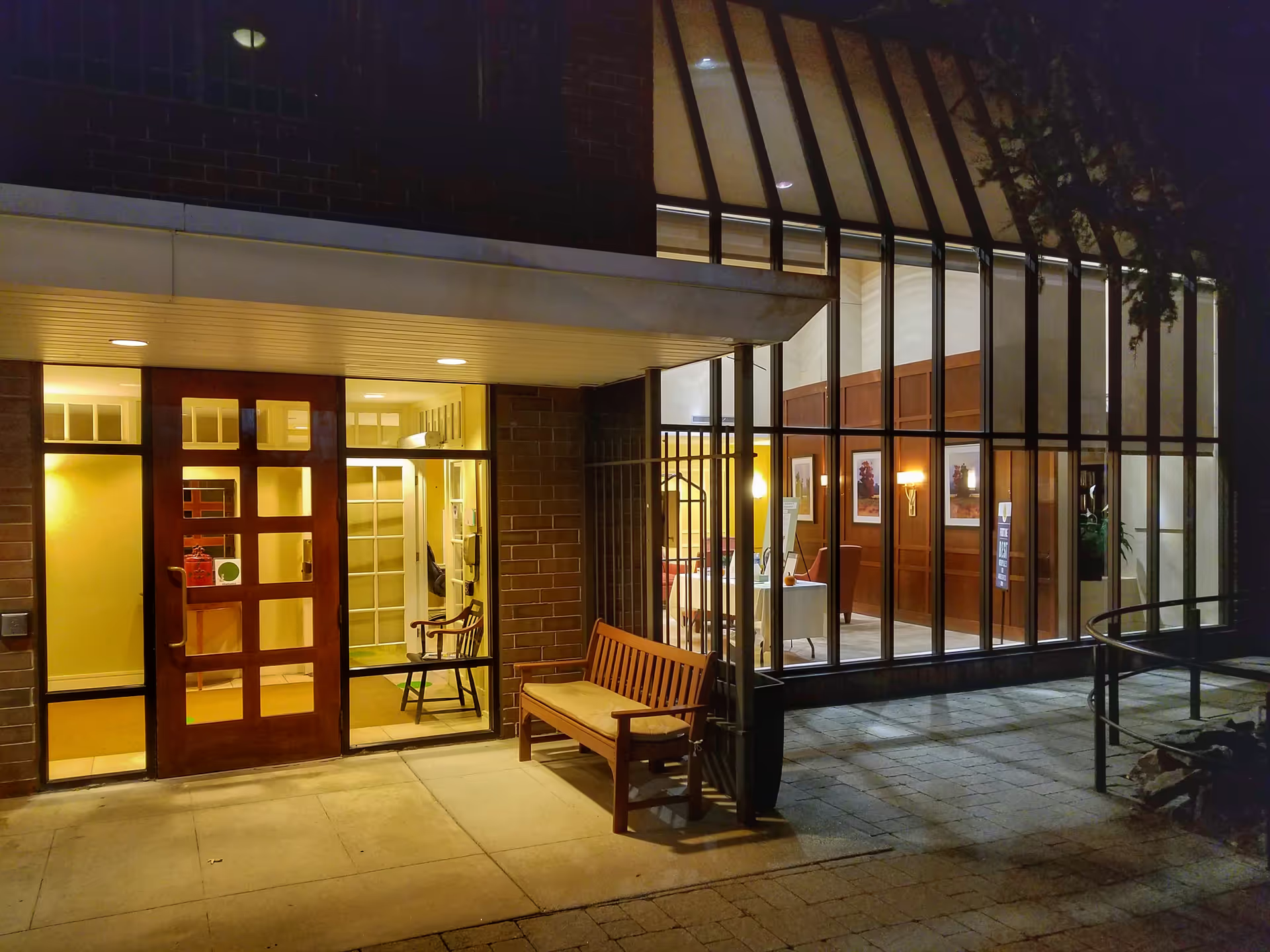
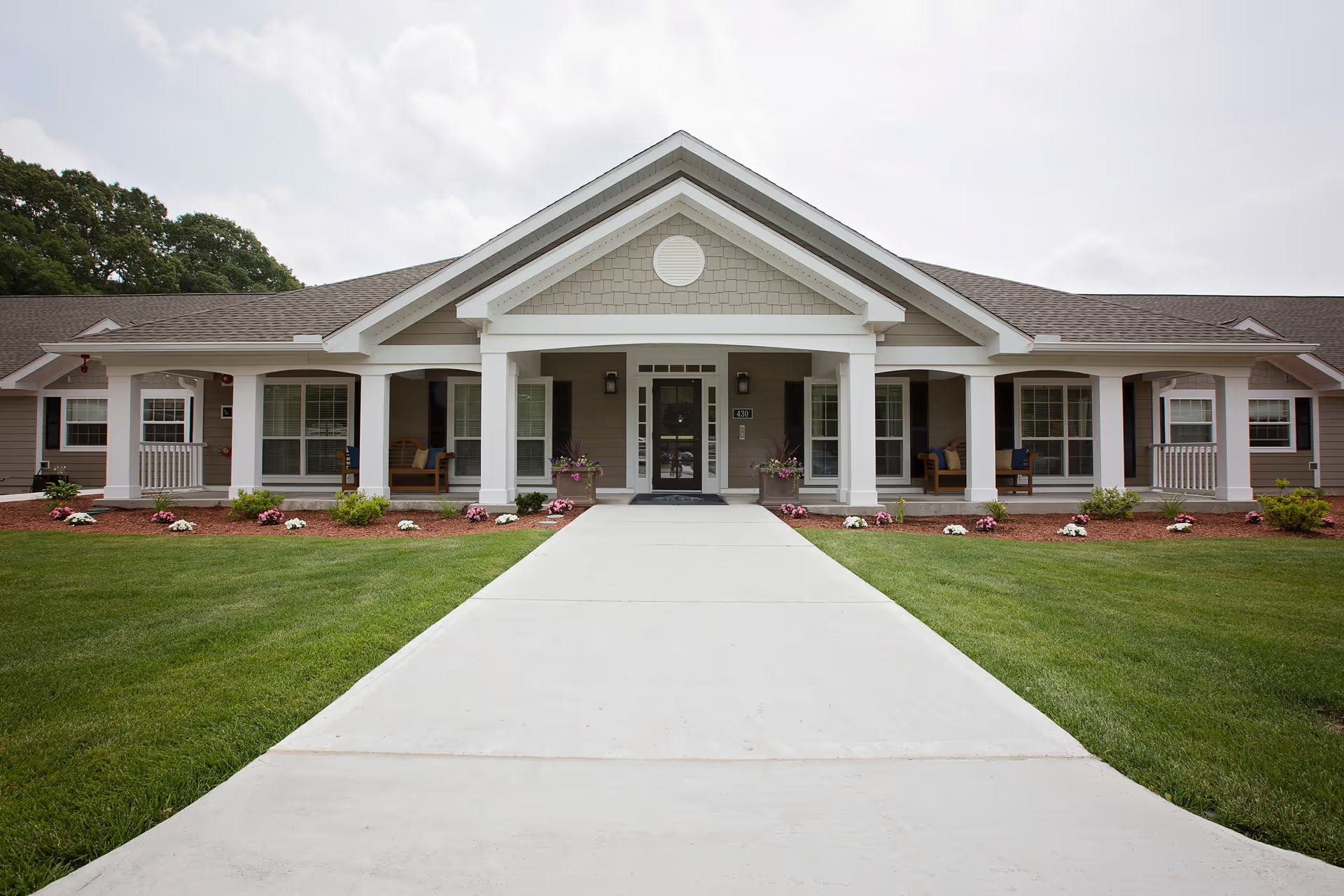
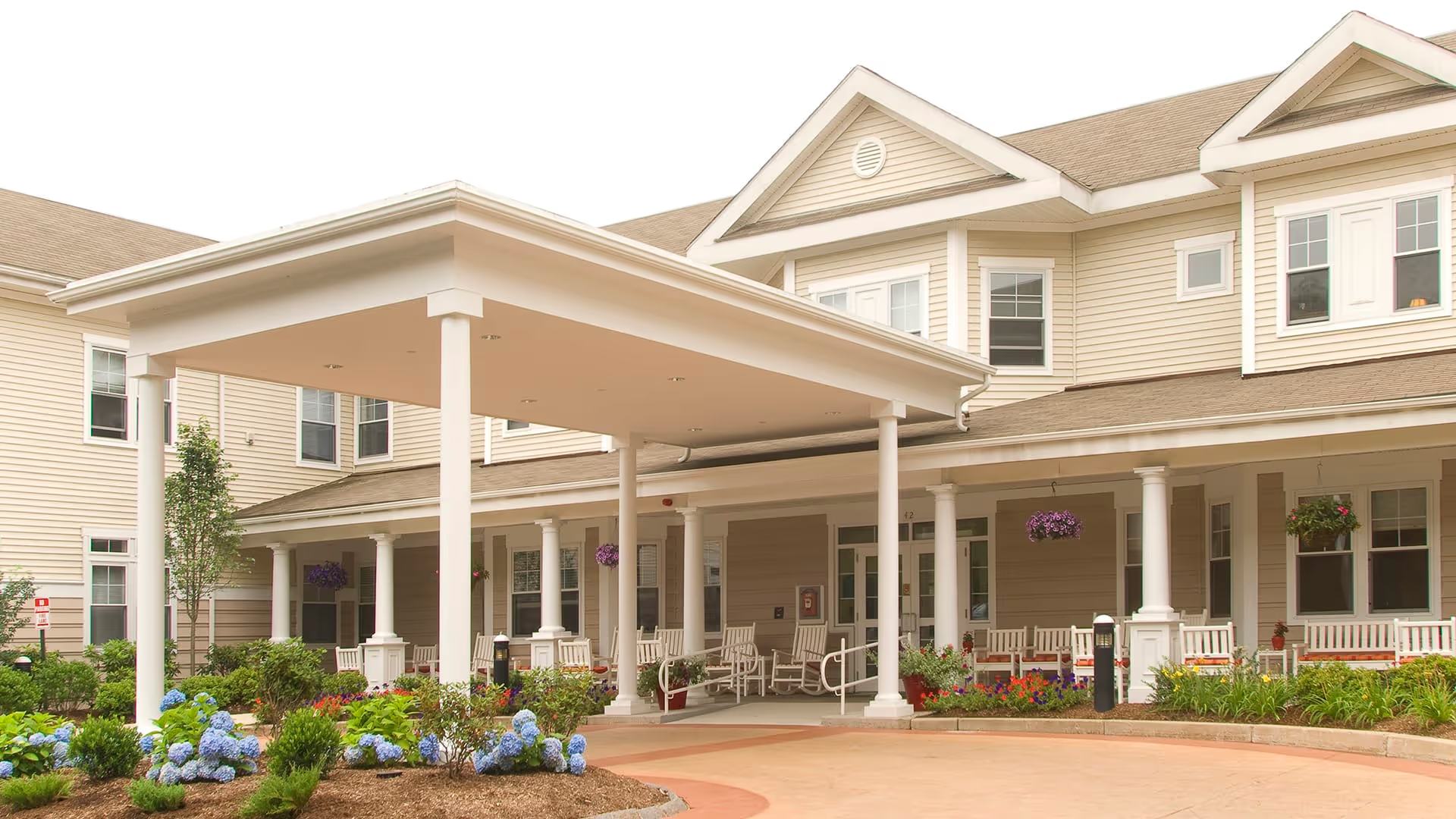
CareOne at Lexington elicits strongly mixed impressions. Many families and patients praise the facility’s rehabilitation services and a number of staff members who provide compassionate, dignity-preserving care; these strengths are especially evident in accounts of effective physical and occupational therapy, attentive CNAs, and supportive social-work/admissions coordination. The facility’s interior is commonly described as clean, bright, and well maintained with spacious private rooms and usable outdoor patio space, and some reviewers highlighted skilled respiratory support and positive end-of-life care.
At the same time, there is a consistent pattern of operational shortcomings that affect clinical reliability and resident comfort. Staffing levels are described as inconsistent, with notable gaps on nights and weekends; this correlates with repeated complaints about slow call-button responses and delays in assistance for toileting, bathing, and medication needs. Several accounts indicate problems with medication administration timing and documentation, and with delayed diagnostics or imaging workflows, which can reduce clinical continuity and elevate family concern.
Dining and activities present a mixed picture. A number of reviewers commend varied, flavorful meal choices and an active engagement program, including a visible activities director. Conversely, others cite cold meals, limited choices for dietary needs (e.g., diabetes), and meal-delivery timing issues. The activities program and therapy services appear to be meaningful strengths when staffing allows them to run consistently.
Facility maintenance and sanitation are another area of divergence. While many note clean common areas and routine housekeeping, there are also reports consistent with sanitation and pest-control concerns and episodic maintenance issues (loose outlets, trim, etc.). These items, along with complaints about inconsistent personal-care schedules and incontinence-care concerns, point to variability in frontline caregiving practices and environmental oversight.
Communication and management practices are similarly variable. Some families highlight responsive leadership, helpful case management, and streamlined admissions; others report poor follow-through on discharge planning, unreturned phone calls, unreliable transfer coordination, and periodic phone-system failures. Language barriers are a recurring practical limitation for non–English-speaking residents and families, and reviewers recommend confirming staff language capabilities when relevant.
In summary, CareOne at Lexington demonstrates clear strengths in rehabilitation therapy, individual staff members’ compassion, and the physical environment, but operational inconsistencies—notably staffing variability, responsiveness to call bells, medication and documentation controls, sanitation oversight, and communication during transitions of care—create risk points for vulnerable residents. Prospective residents and families should weigh the facility’s rehabilitation and therapy offerings and positive staff examples against these operational patterns and ask specific, practical questions about staffing ratios, weekend coverage, call-response metrics, medication management procedures, pest-control measures, and discharge coordination before admission.