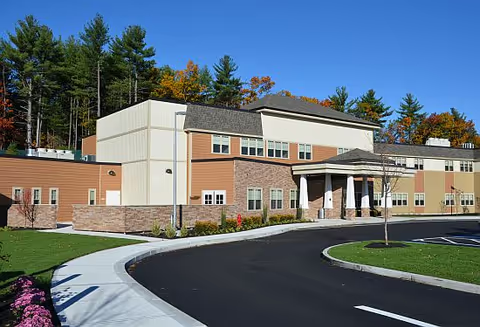
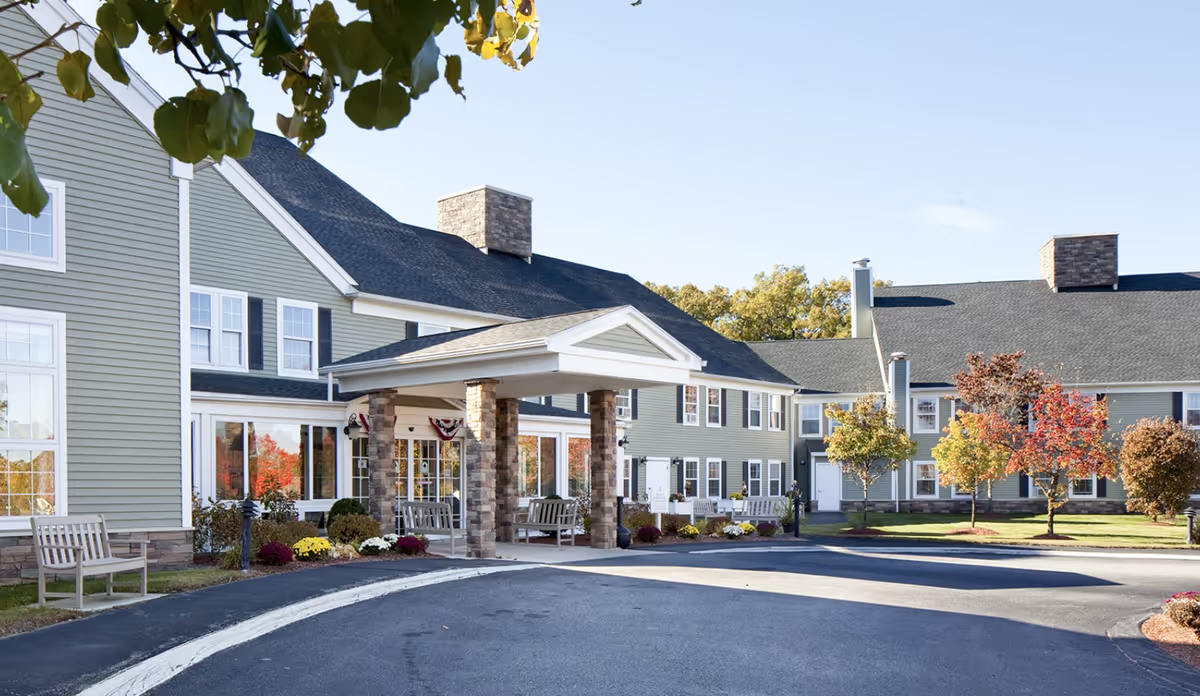
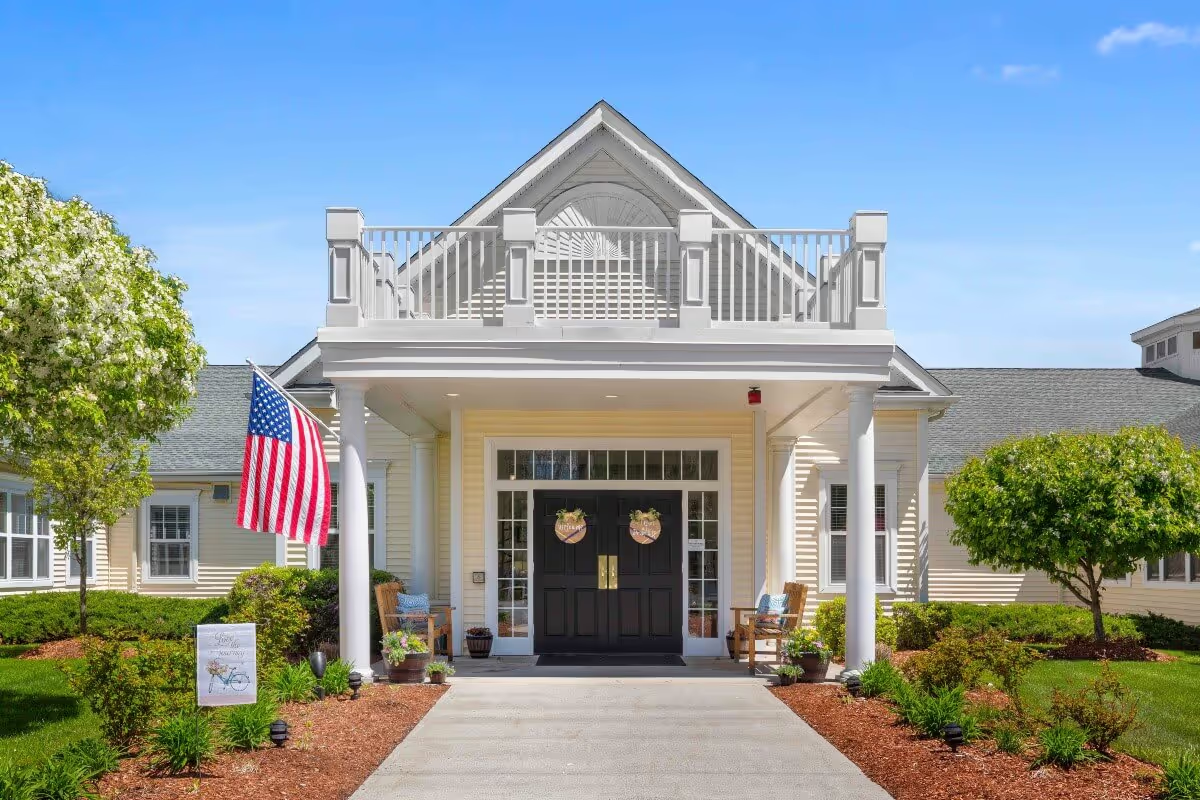
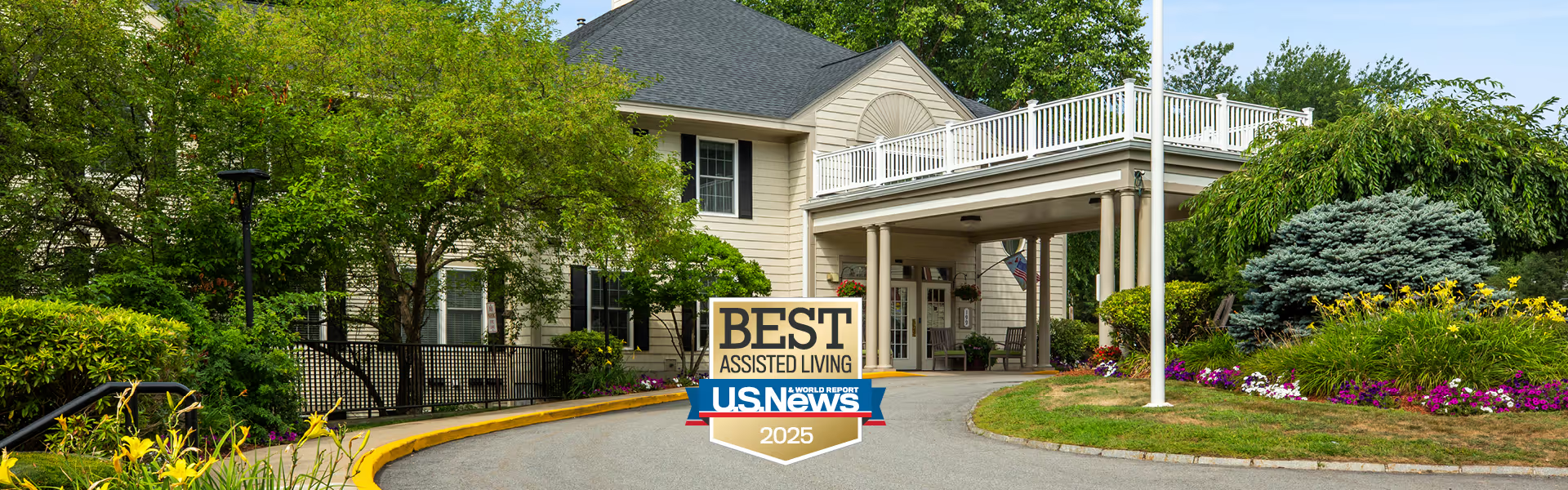
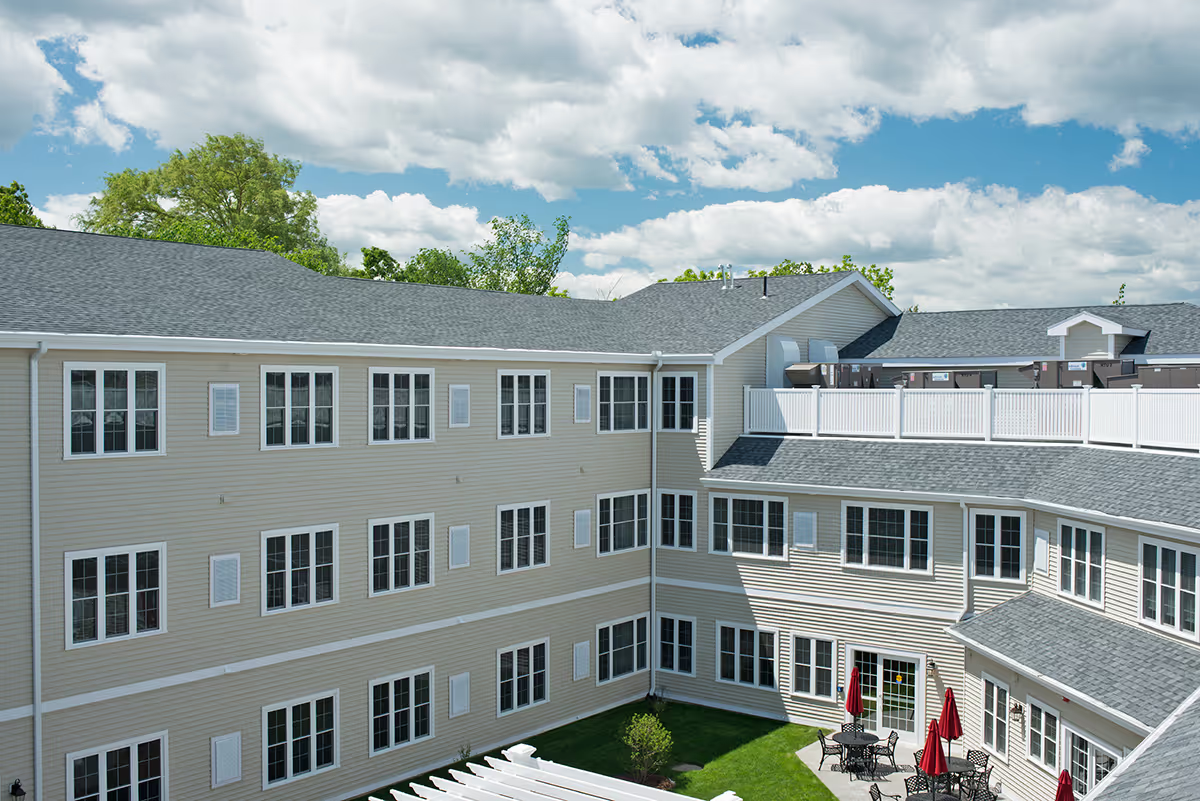
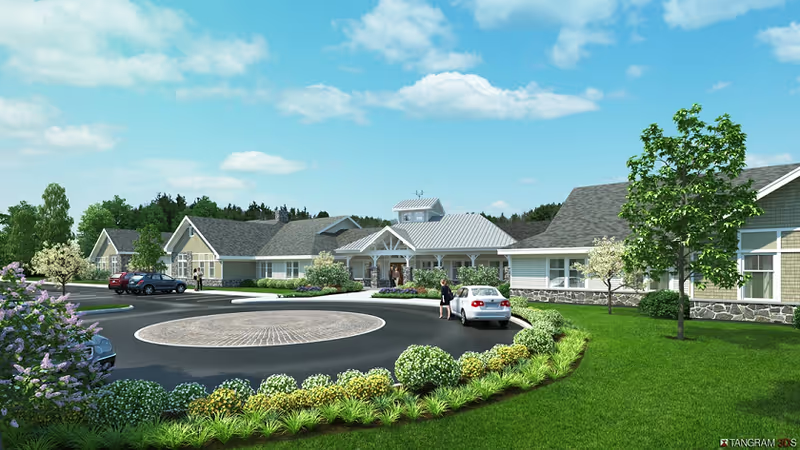
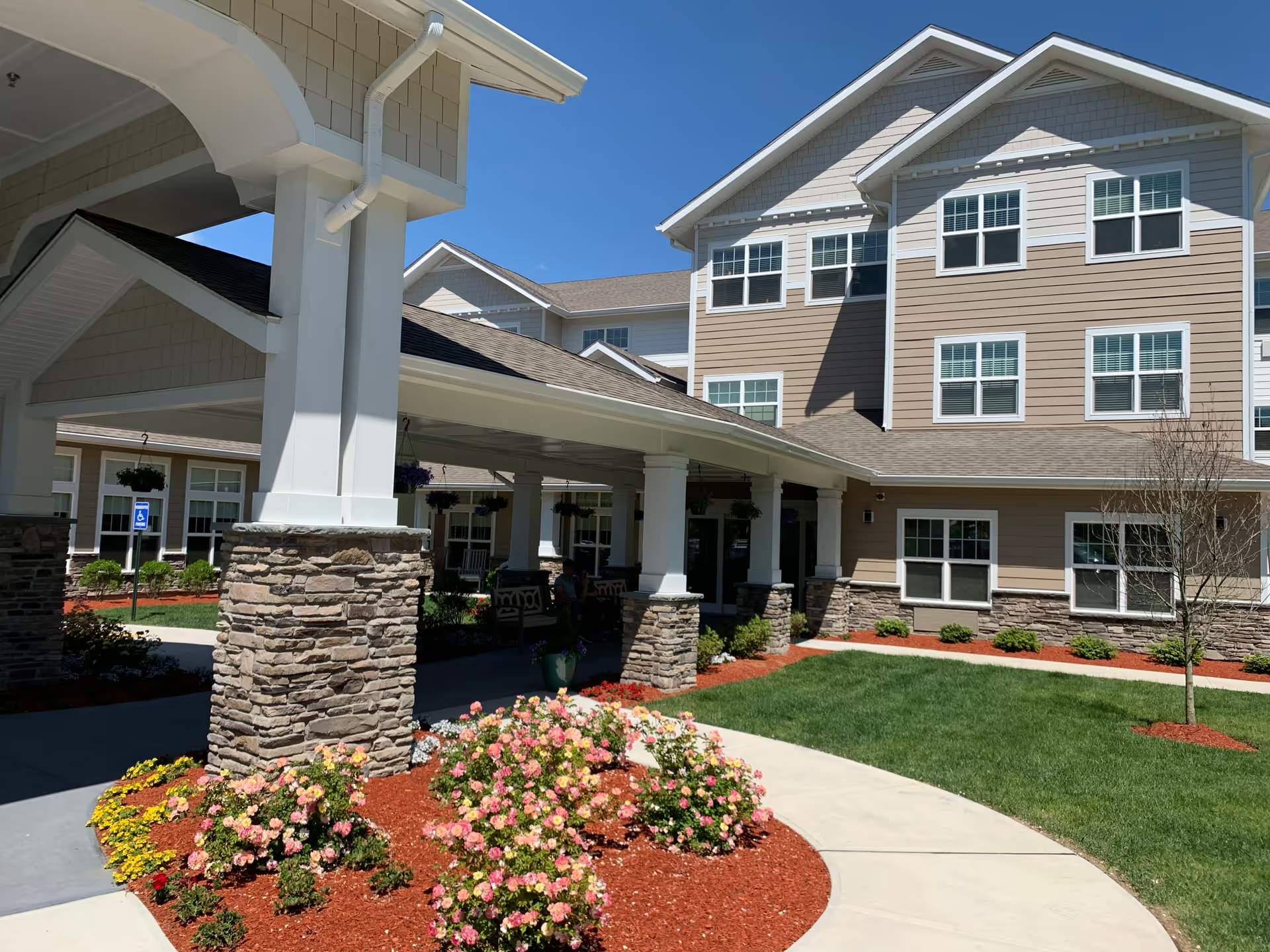
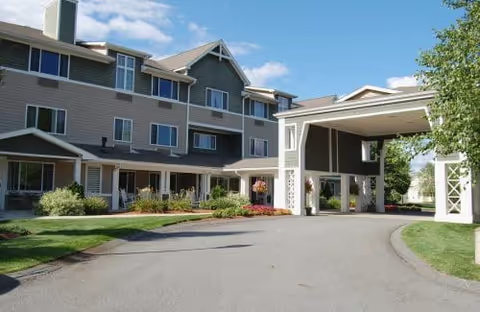
Overall impression: D’Youville Life & Wellness Community is characterized by a compassionate, community‑oriented culture and strong clinical supports. Many families describe experienced, long‑tenure caregivers and a welcoming front desk, with consistent emphasis on communication and family engagement. The campus offers a range of amenities — a chapel, salon, activity and sensory rooms, balconies, courtyard and walking paths — that support spiritual, social and physical wellbeing, and the physical plant is generally described as clean and well maintained.
Care quality and staff: Reviewers frequently highlight attentive, empathetic nursing and caregiving teams, often noting individualized care plans, on‑site medical oversight, and accessible rehabilitation services (physical and occupational therapy). Memory care is a particular strength, with structured programming and an environment that many families found stabilizing. At the same time, there are recurring operational concerns: inconsistent responsiveness to call buttons and alarms, coverage gaps overnight, and variability in staff training and performance. These issues appear as uneven experiences across shifts and units rather than a uniform pattern; they suggest a need for stronger staffing models, clearer role delineation between licensed nurses and care assistants, and ongoing training focused on night coverage and alarm response protocols.
Dining and activities: Dining receives largely positive comments for food quality and dietary accommodations, and kitchen staff are often described as friendly. However, a subset of experiences point to dining management and meal‑service inconsistencies that would benefit from process improvements. Activity offerings are robust in many areas — daily boards, recreational staff involvement, spiritual services, and small‑group opportunities are commonly cited — and the memory unit in particular is seen as active and engaging. Some reviewers from smaller units or during certain periods perceived fewer activity options, indicating variability in program delivery by unit size or staffing availability.
Facilities and management: The campus setting, outdoor spaces, and communal areas are frequently praised for fostering a home‑like, cozy atmosphere that many residents and families appreciate. Leadership and admissions staff receive positive mention for facilitating smooth transitions from hospital to campus and for family outreach. Nevertheless, a few reviewers raised serious operational concerns that management should address: sanitation and room‑cleanliness issues in isolated cases, questions about meal management and kitchen supervision, and allegations of missing resident belongings. There are also mixed reports about rehabilitation outcomes; while some families commend the PT/OT teams, others found therapy less effective than expected. These patterns point toward opportunities for targeted quality‑assurance efforts in housekeeping, inventory controls, meal operations, and therapy continuity.
Bottom line: D’Youville offers many core strengths attractive to prospective residents — experienced, caring staff; strong memory‑care programming; on‑site clinical resources; and a pleasant campus with meaningful activities and spiritual supports. Prospective families should weigh these strengths against operational considerations identified by reviewers: ask specific questions about night staffing and alarm response, clarify role responsibilities between nurses and care assistants, review housekeeping and room‑cleaning procedures, and inquire about property security and inventory controls. A tour that includes conversations with nursing leadership and rehabilitation staff will help assess how current operational practices align with a family’s priorities.