The reviews present a strongly mixed picture. Many families and short-term rehab patients praise the facility for compassionate bedside care, a family-like culture, and strong rehabilitation services. Several reviewers singled out individual staff and the ambassador program—particularly Portuguese-language ambassadors—for improving resident well-being and family communication. Activity programming, community outings, and frequent FaceTime access for families were repeatedly cited as positive features that support engagement and social connection.
Care quality is variable. Positive accounts describe attentive nurses, capable CNAs, and effective therapy teams who deliver measurable rehabilitation gains and supportive end-of-life care. At the same time, other accounts describe operational gaps: slow responses to assistance calls, inconsistent personal-care and bathing schedules, and concerns about medication management and clinical communication. Families described both effective emergency interventions and instances that raised questions about clinical decision-making and follow-up; these contrasting experiences suggest uneven practice patterns between shifts and staff members.
Dining and activities are similarly mixed. Activity staff and special events receive consistent praise for keeping residents engaged and socially connected. Dining earned both positive feedback (enjoyable meals and special brunches) and criticism (limited protein options and occasional unappetizing meals). Prospective families should ask about current menus and therapeutic diet handling during a tour if nutrition is a priority.
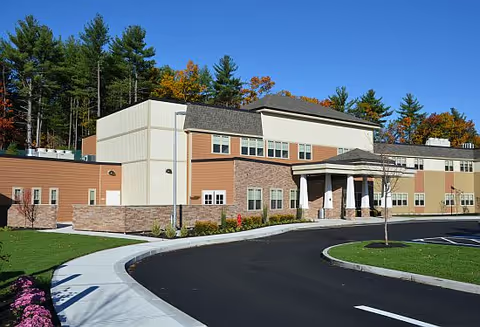
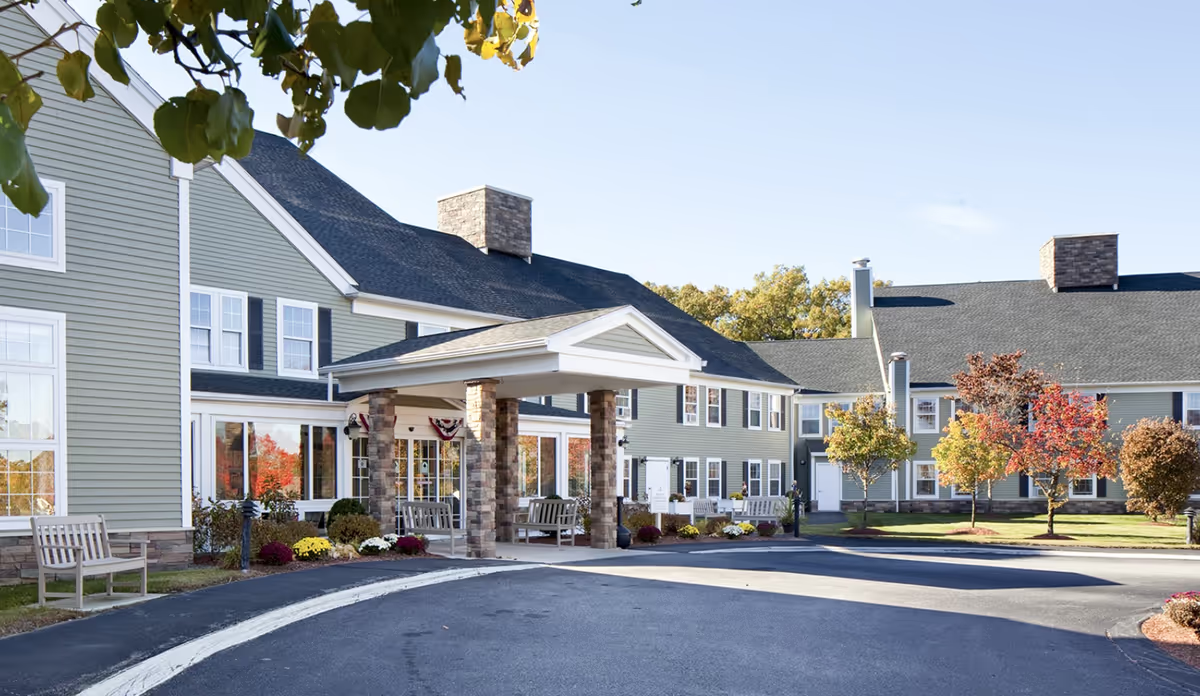
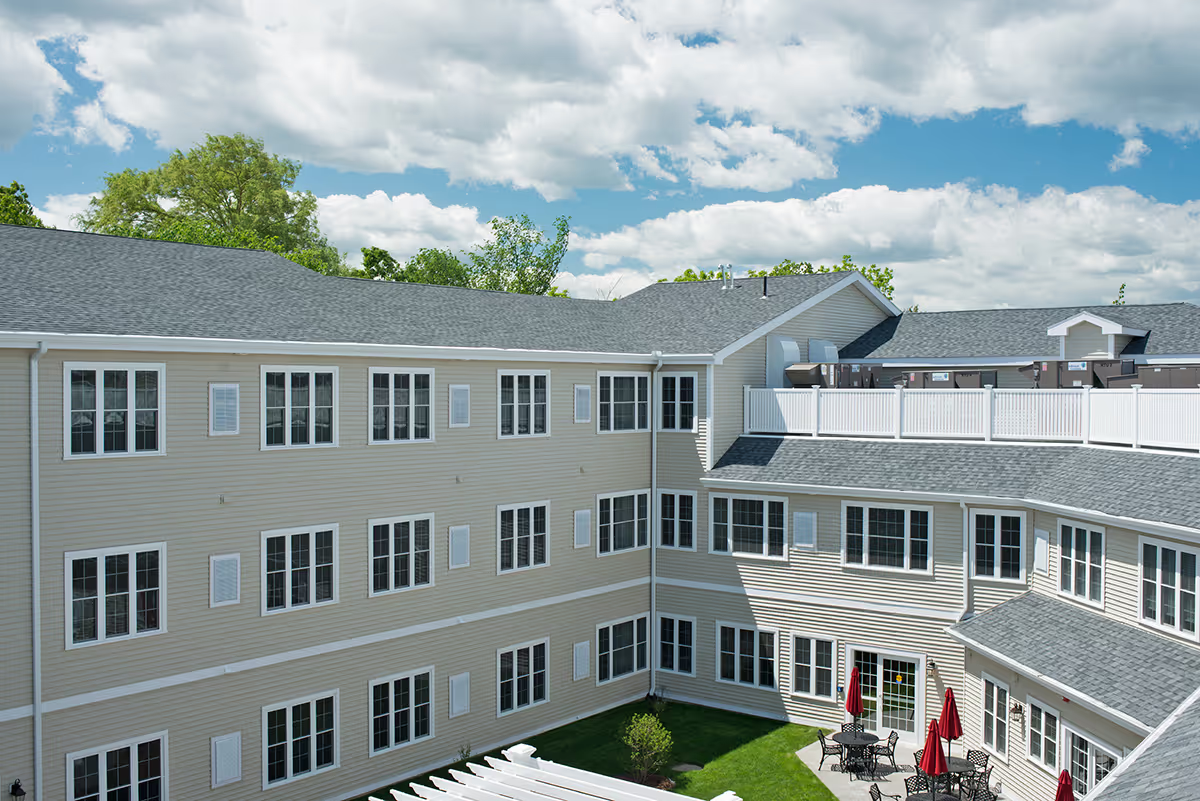
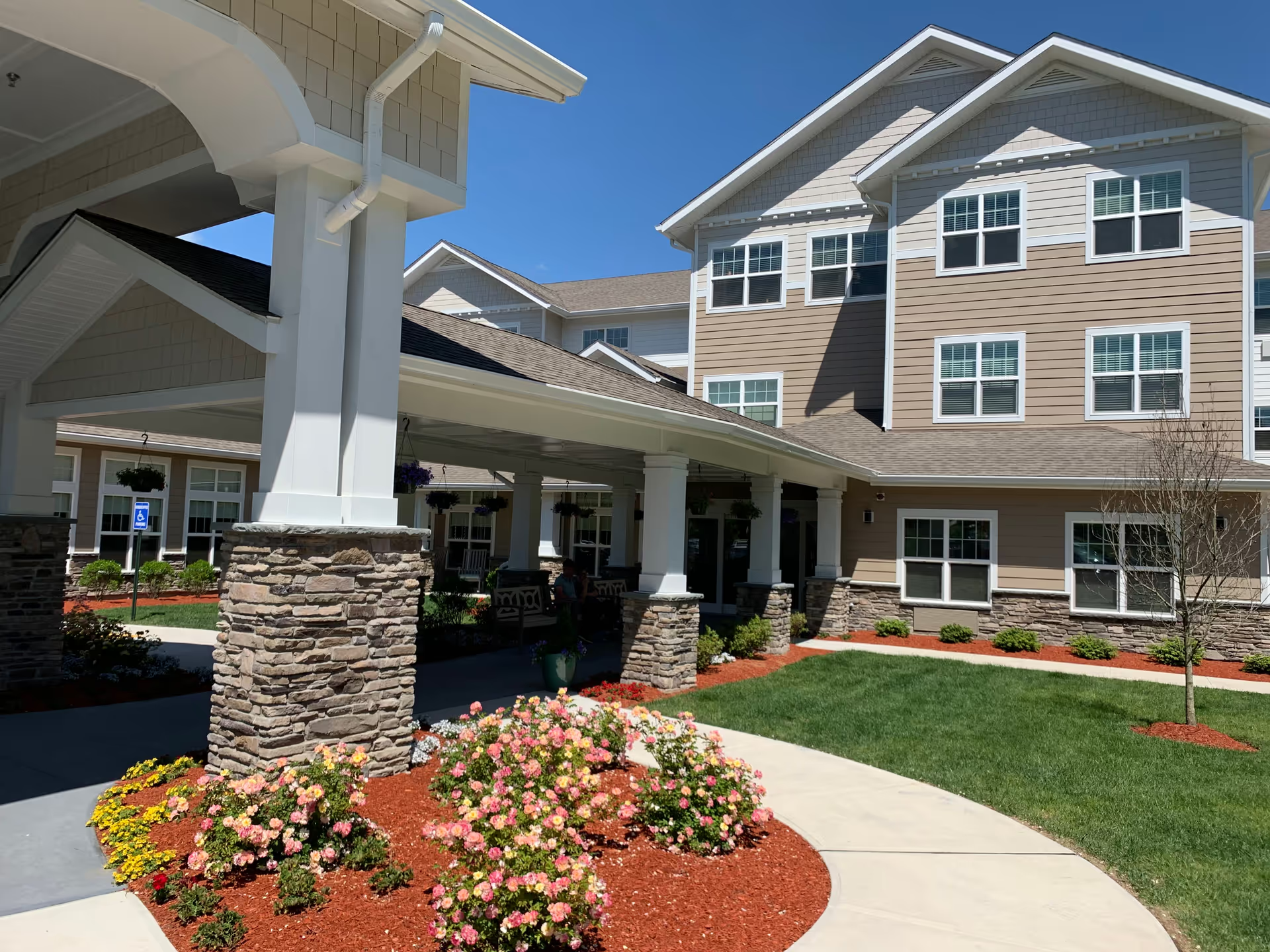
Facilities and environmental management show contrasting signals. Several reviewers appreciated modern common areas, a secure memory-care unit, and helpful maintenance and housekeeping teams. Concurrently, there are recurring sanitation concerns, including odor issues and pest-control shortcomings in some areas. Housekeeping consistency appears uneven across units, with some families reporting timely laundry and cleaning support while others noted lapses.
Management and administration present practical considerations. Call-center responsiveness, phone transfers, and billing/invoicing processes were flagged as problematic by some families. Admission timelines and room allocation appear to be affected by payer source, creating long waiting lists for some applicants. Weekend coverage—particularly for ambassadors and language support—is a recurring gap noted by families who rely on translation and visitor programs.
Overall, the pattern is one of strong interpersonal caregiving and therapy strengths coexisting with operational inconsistencies. Many reviewers found individual staff members and programs to be outstanding, while others encountered significant service gaps that affect daily comfort and safety. For prospective residents and families, an in-person tour, direct questions about staffing ratios and weekend coverage, a review of recent inspection history, and clear arrangements for medication oversight and family communication are recommended to assess whether the facility’s current operational performance meets specific needs.