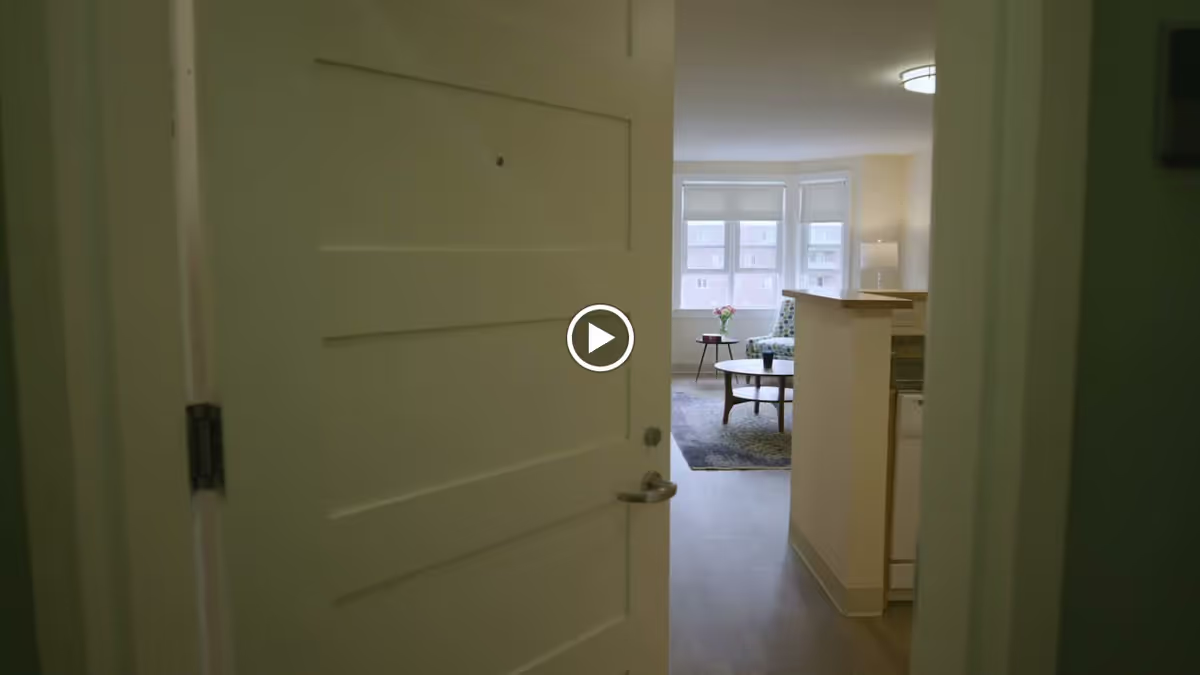
The collection of reviews describes a facility with a notable contrast between strong frontline caregiving and several operational weaknesses. Many families and short-term residents praised individual caregivers, nurses, rehab staff, and the admissions team for compassionate, personalized attention. Positive elements cited repeatedly include private-room options in both rehab and memory-care units, on-floor rehab gyms and equipment, staff familiarity with residents, a warm, family-friendly atmosphere, and active volunteer and activities programming.
Care quality appears variable. Numerous accounts highlight attentive nursing, rehabilitation that helped patients return home, and staff who communicate clearly with families. At the same time, there are repeated concerns about gaps in basic clinical monitoring (for example, routine vital checks and nighttime observations), inconsistent medication administration and pill-count practices, and examples of delays in incontinence-related care. Reviewers also expressed specific concern about supervision levels and safety oversight in the memory-care/dementia unit. These issues suggest that clinical oversight and consistency of direct care can fluctuate across shifts or units.
Rehabilitation services are a clear strength for some residents: reviewers described knowledgeable, encouraging therapists and equipment-rich gyms on each floor. Conversely, other families felt therapy intensity or follow-through was insufficient for their goals, and that some residents spent extended periods isolated in rooms rather than actively engaged in therapy. This indicates variability in therapy scheduling, progression, and communication about goals and discharge planning.
Dining and activities elicit mixed reactions. Activity staff and volunteer programming receive strong praise for creativity and resident engagement; several reviewers described an upbeat social atmosphere with camaraderie among residents. Food quality was described as anywhere from enjoyable to merely passable, with at least one reviewer calling it marginal. Activity levels also vary by resident — while some found the calendar robust, others experienced under-stimulation or limited engagement opportunities.
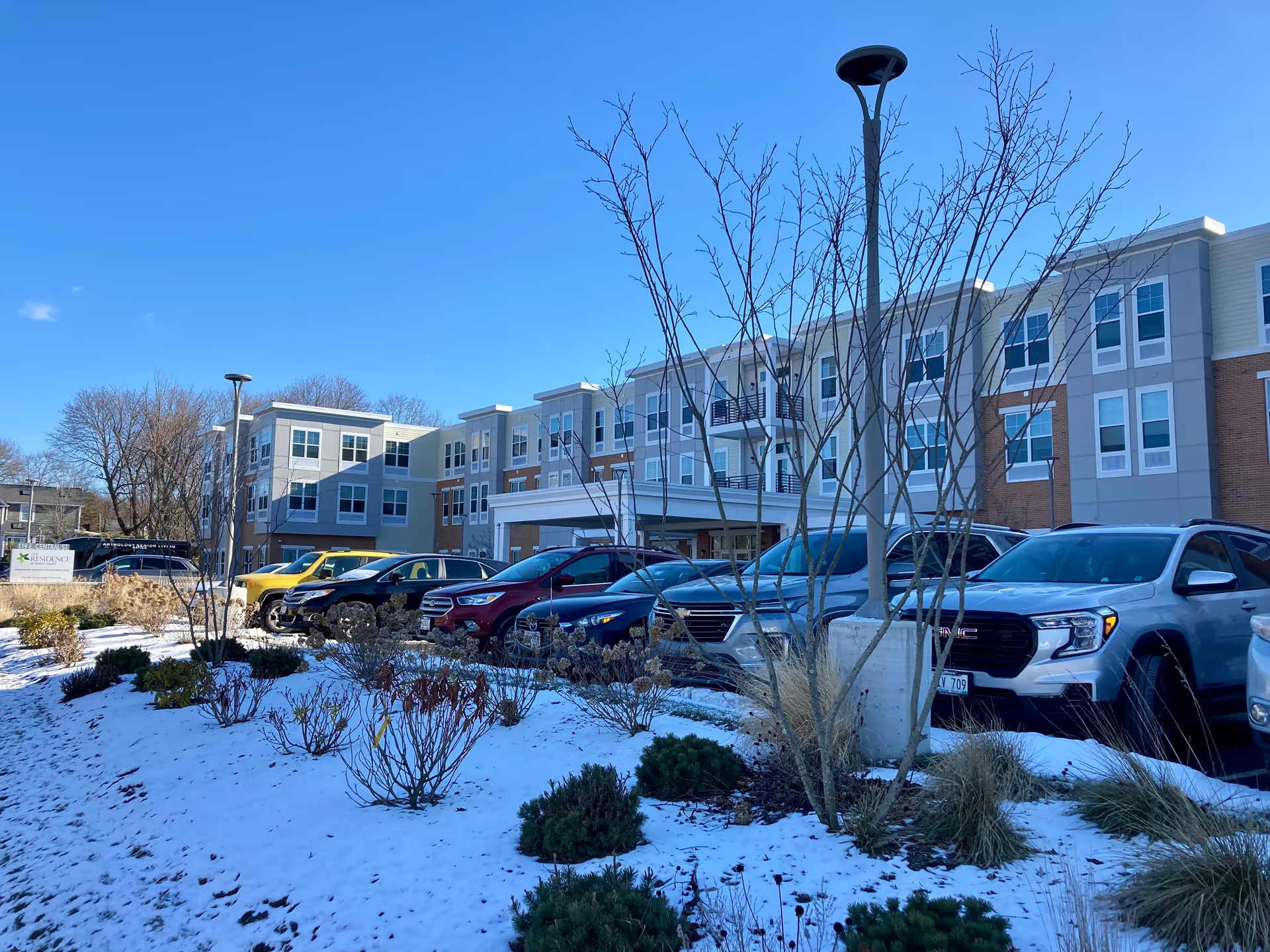
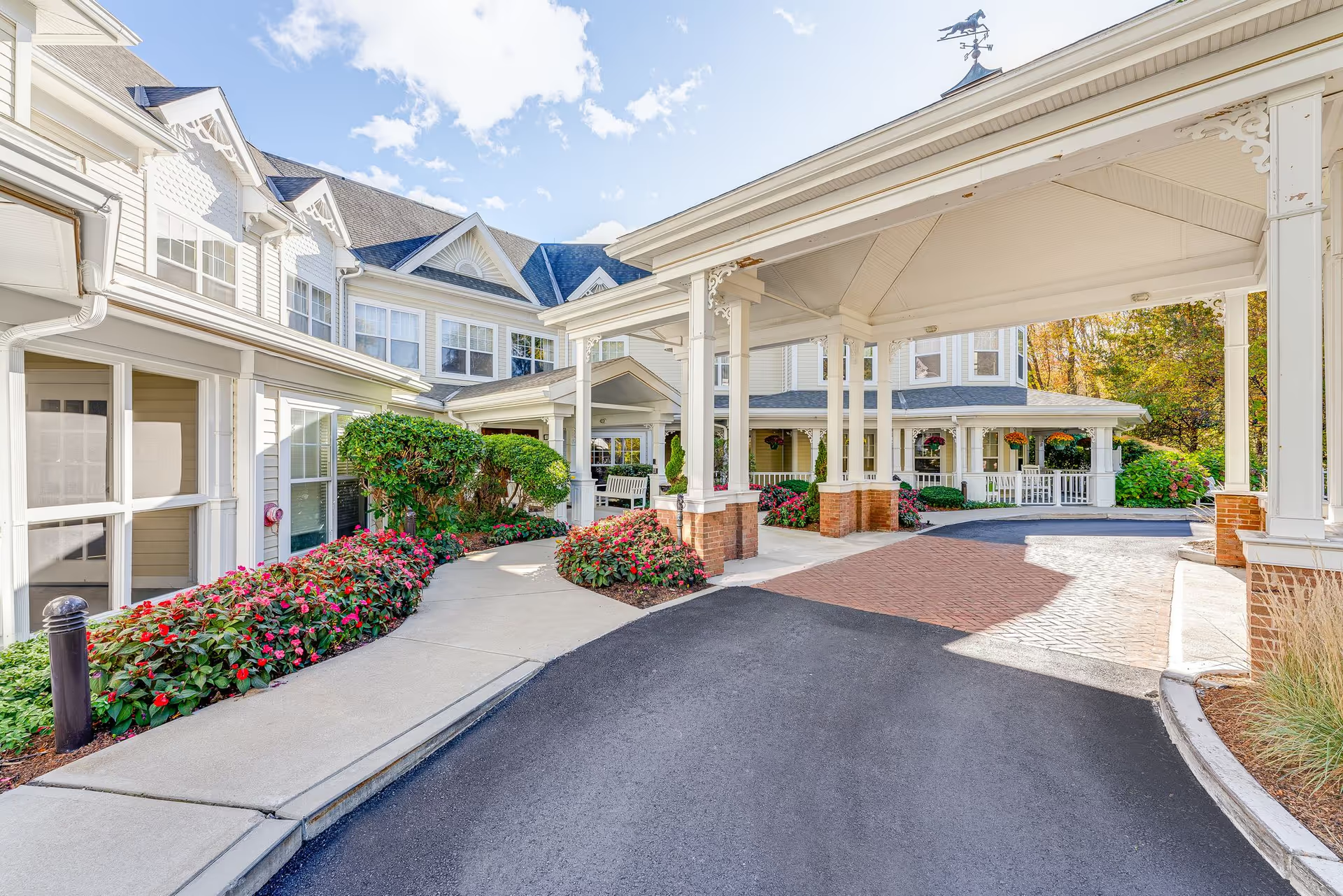
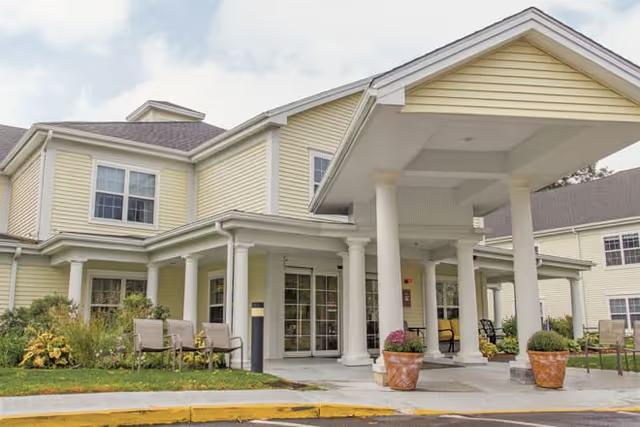
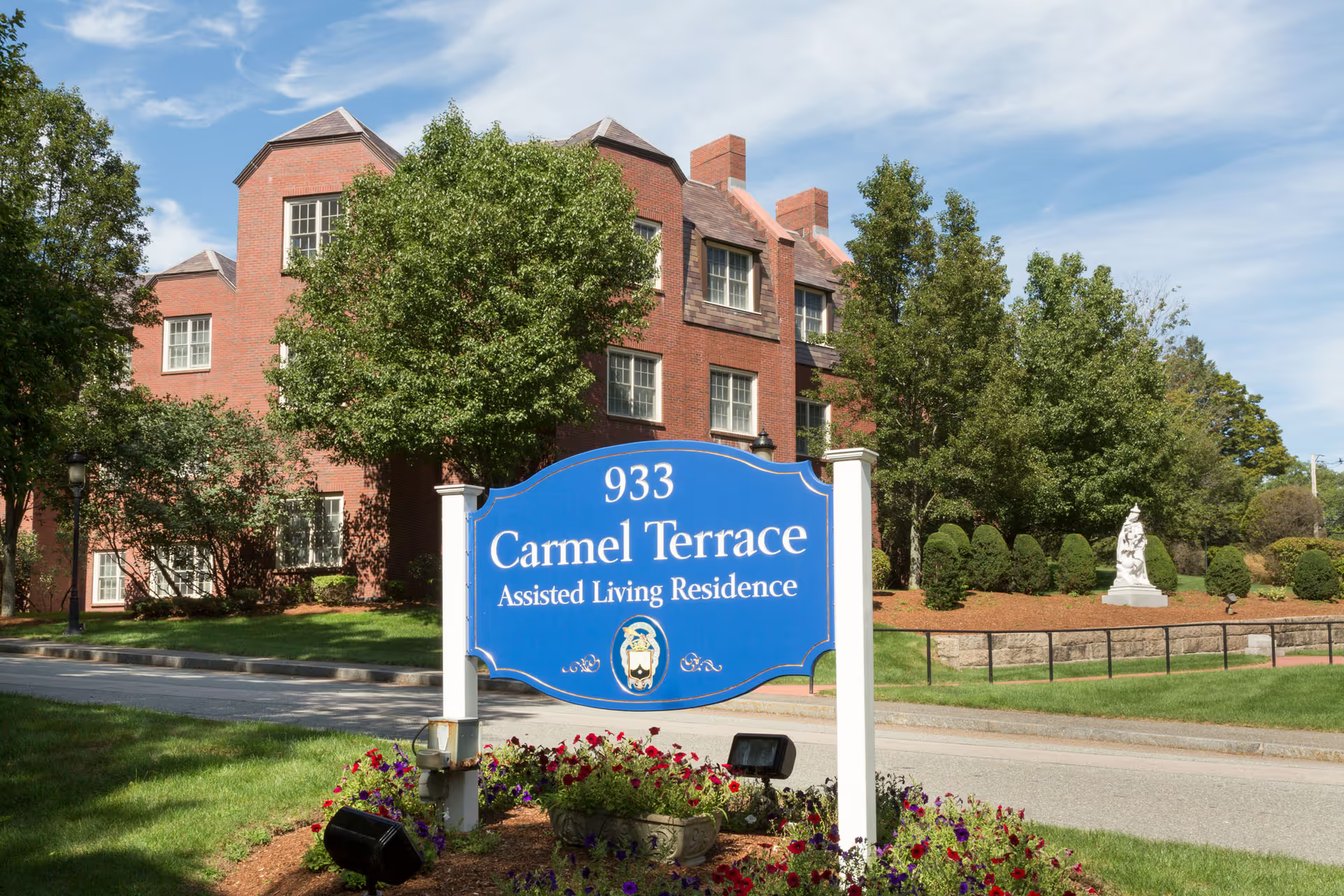
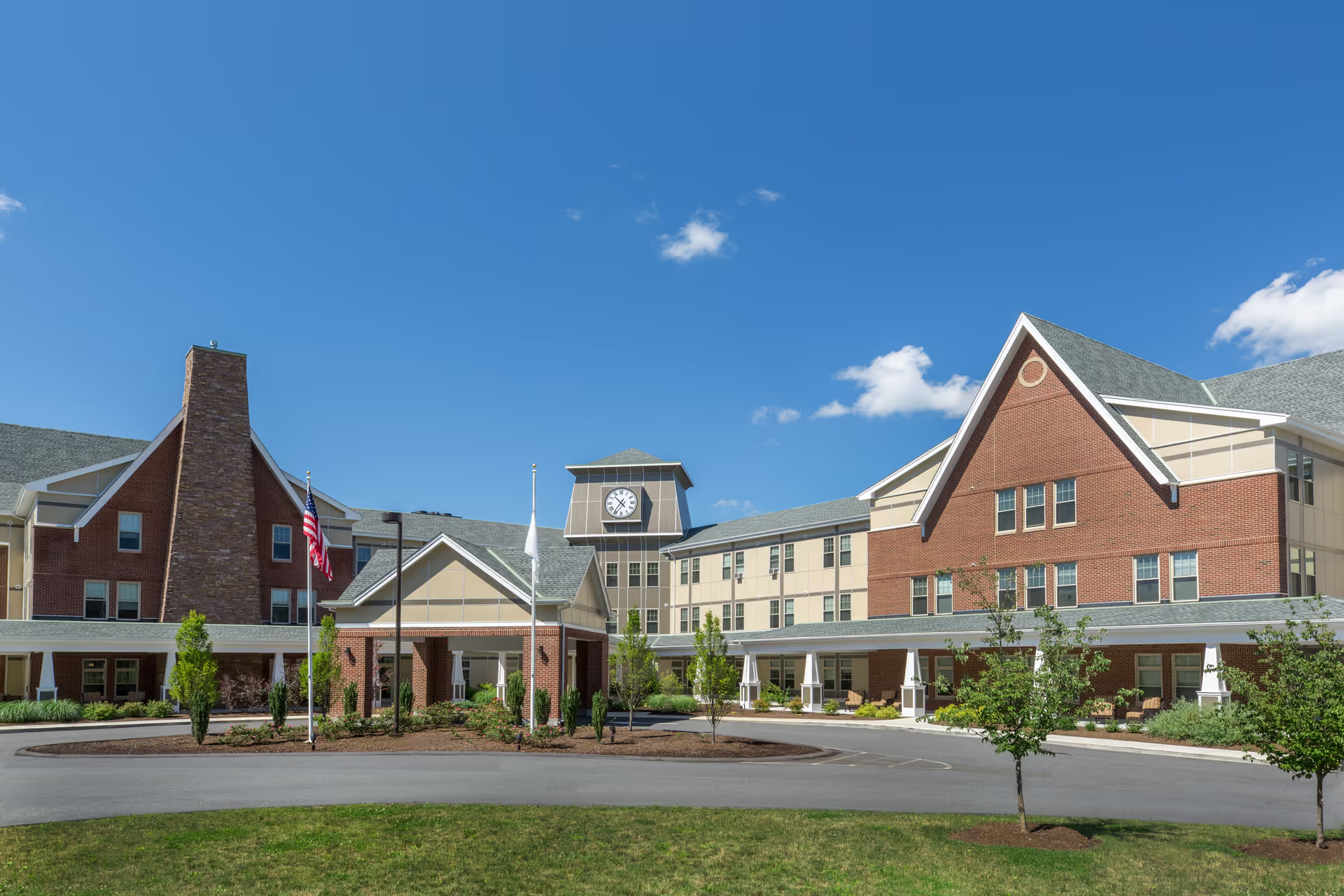
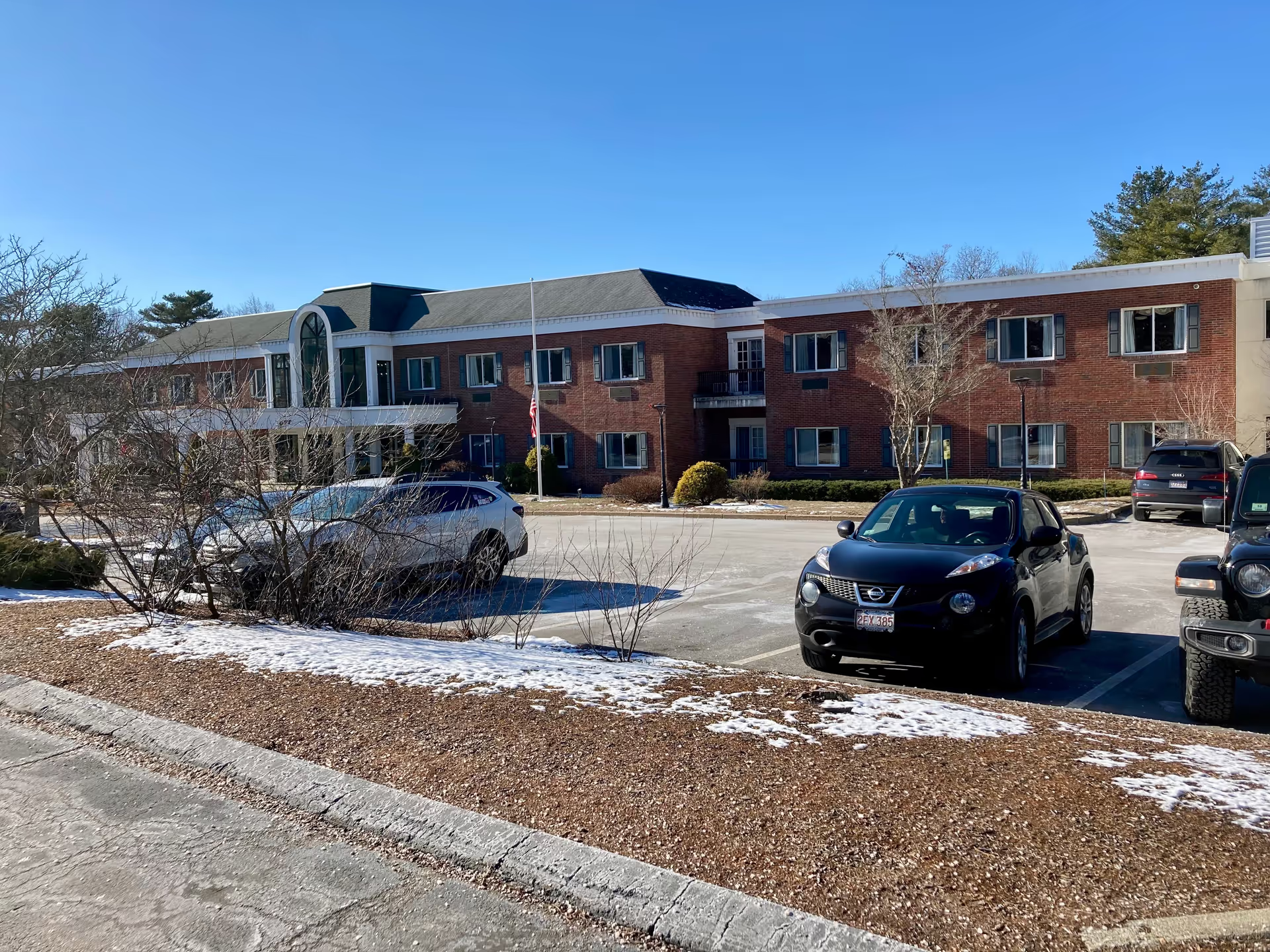
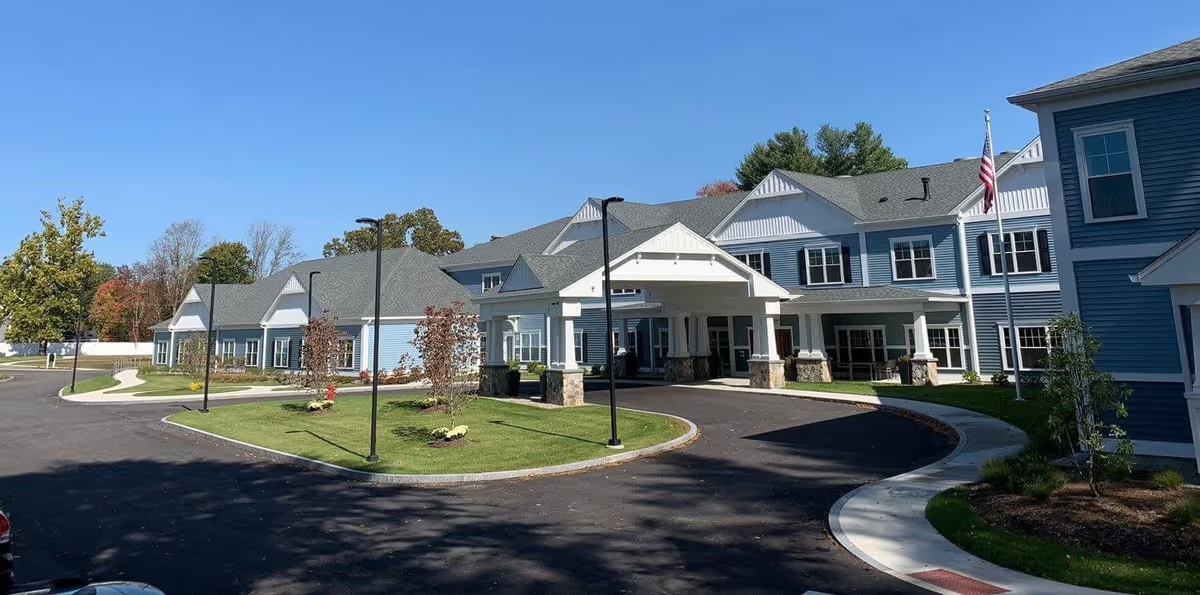
Facility condition and management impressions are similarly mixed. Many reviewers described clean, well-maintained common areas and a hospitable environment; others noted odor and cleanliness issues in some areas, concerns about personal-item handling, and parts of the building appearing run down. Administrative responsiveness and accountability were characterized as supportive and accessible by some visitors, yet uneven by others; several reviews raise questions about consistency in supervisory attention and follow-through on family concerns.
Overall, the Eliot Center appears to deliver high-quality interpersonal care and has operational strengths in short-term rehabilitation, private-room options, and activities programming. However, consistent clinical monitoring, medication controls, memory-care supervision, and facility upkeep are areas prospective families should evaluate closely. Recommended steps for families considering this facility include touring the specific unit of interest, asking for written policies on clinical monitoring and medication management, reviewing typical therapy schedules and expected intensity, inquiring about staffing ratios in memory care, and requesting current housekeeping and maintenance protocols.