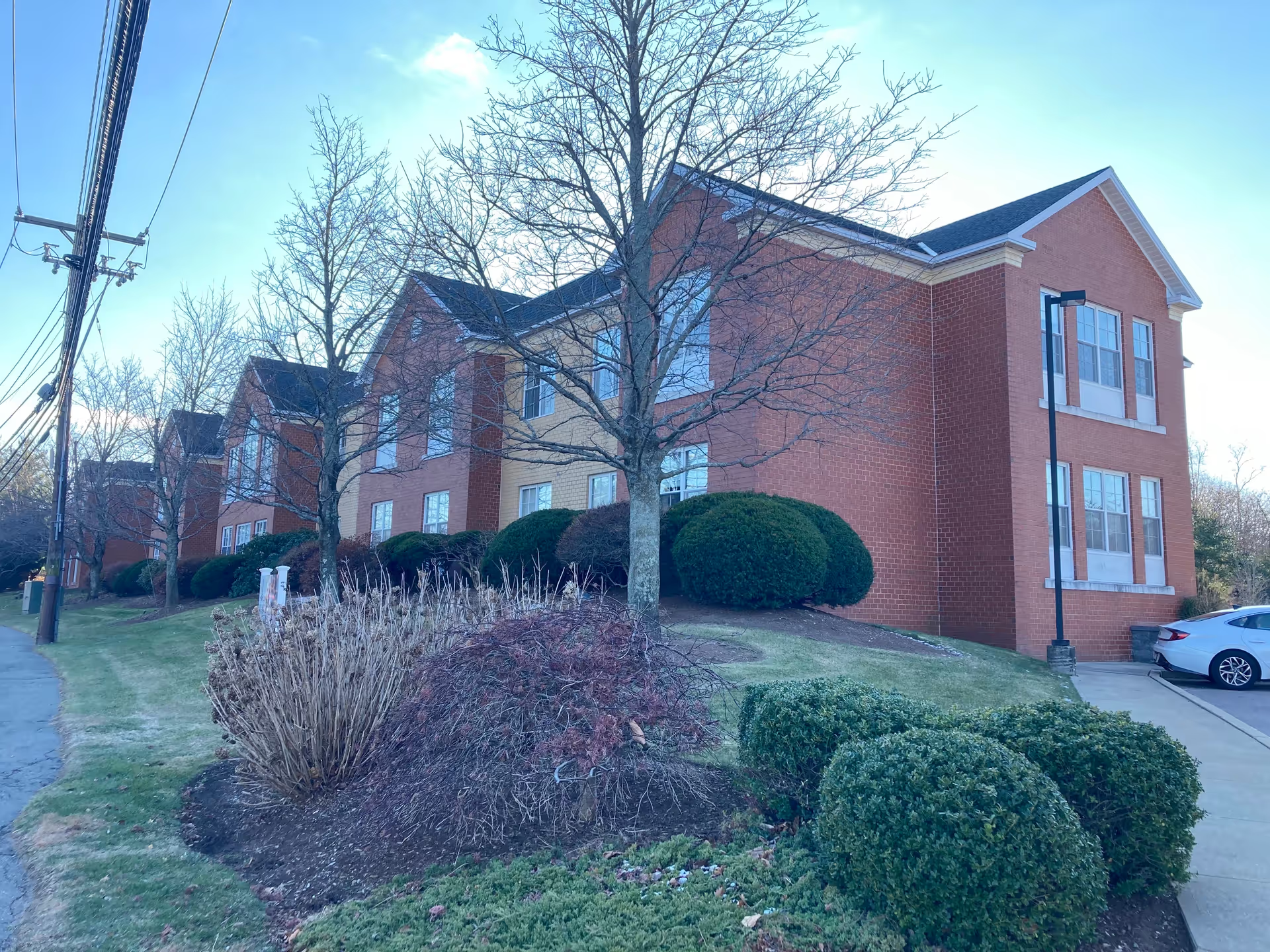
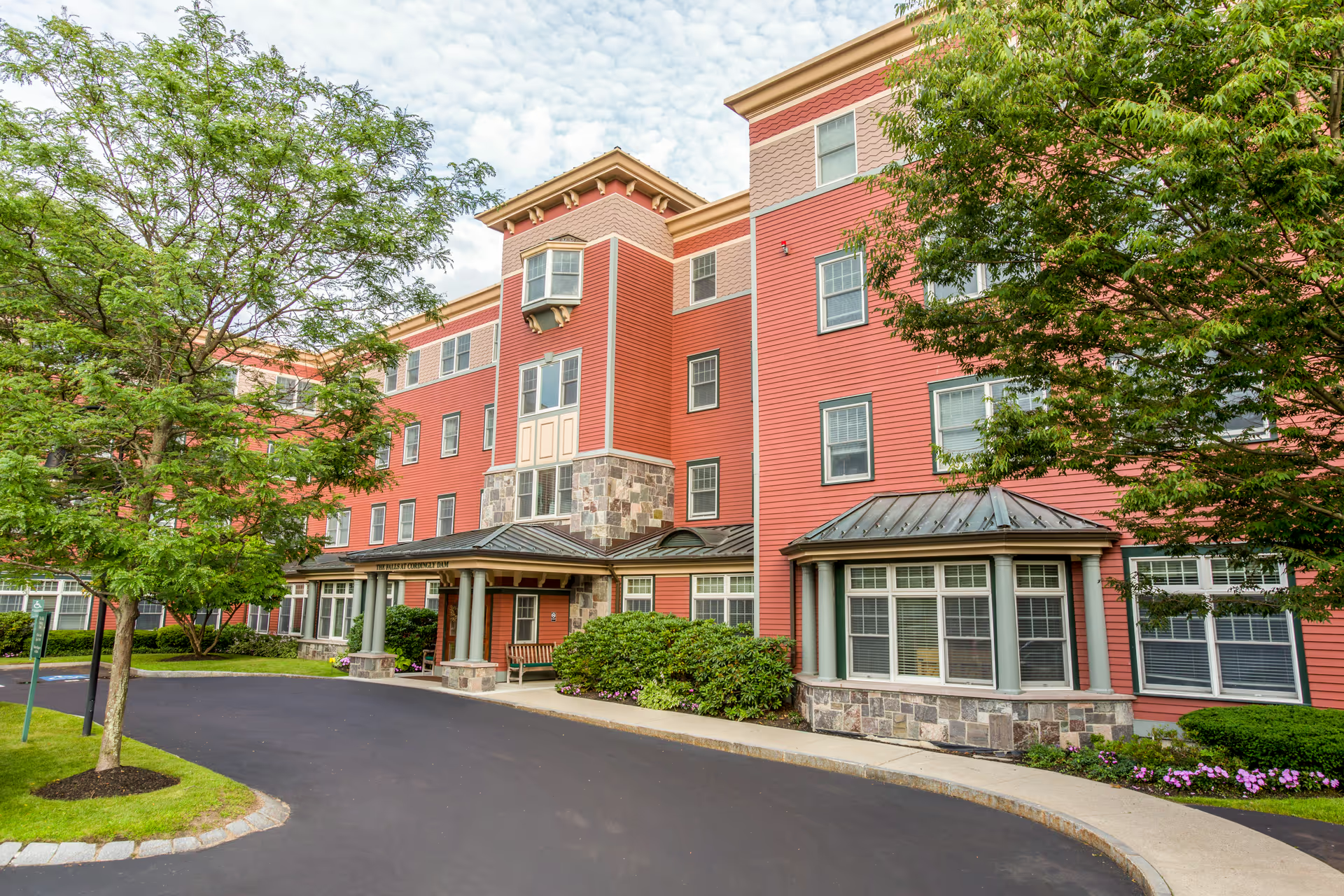
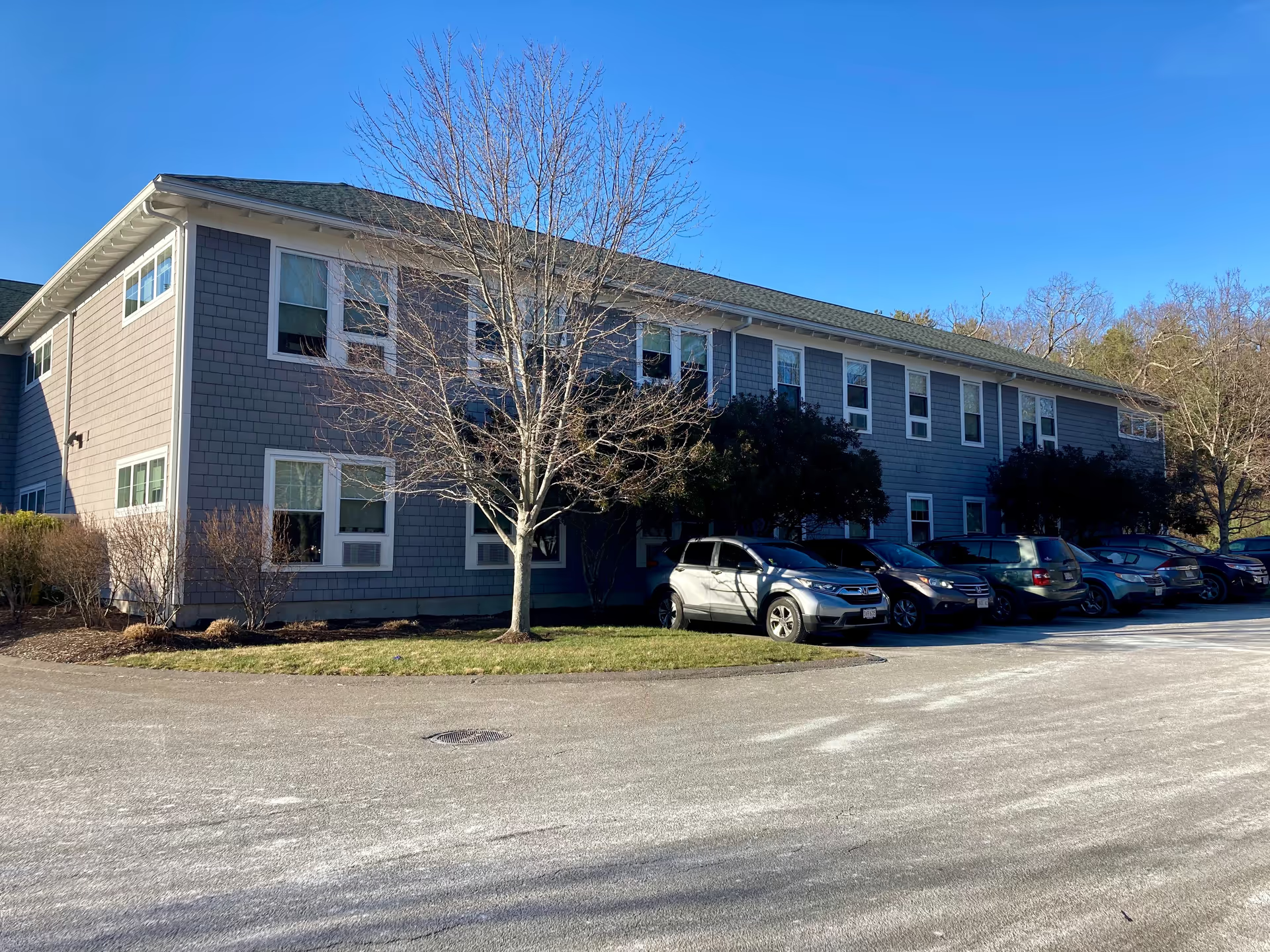
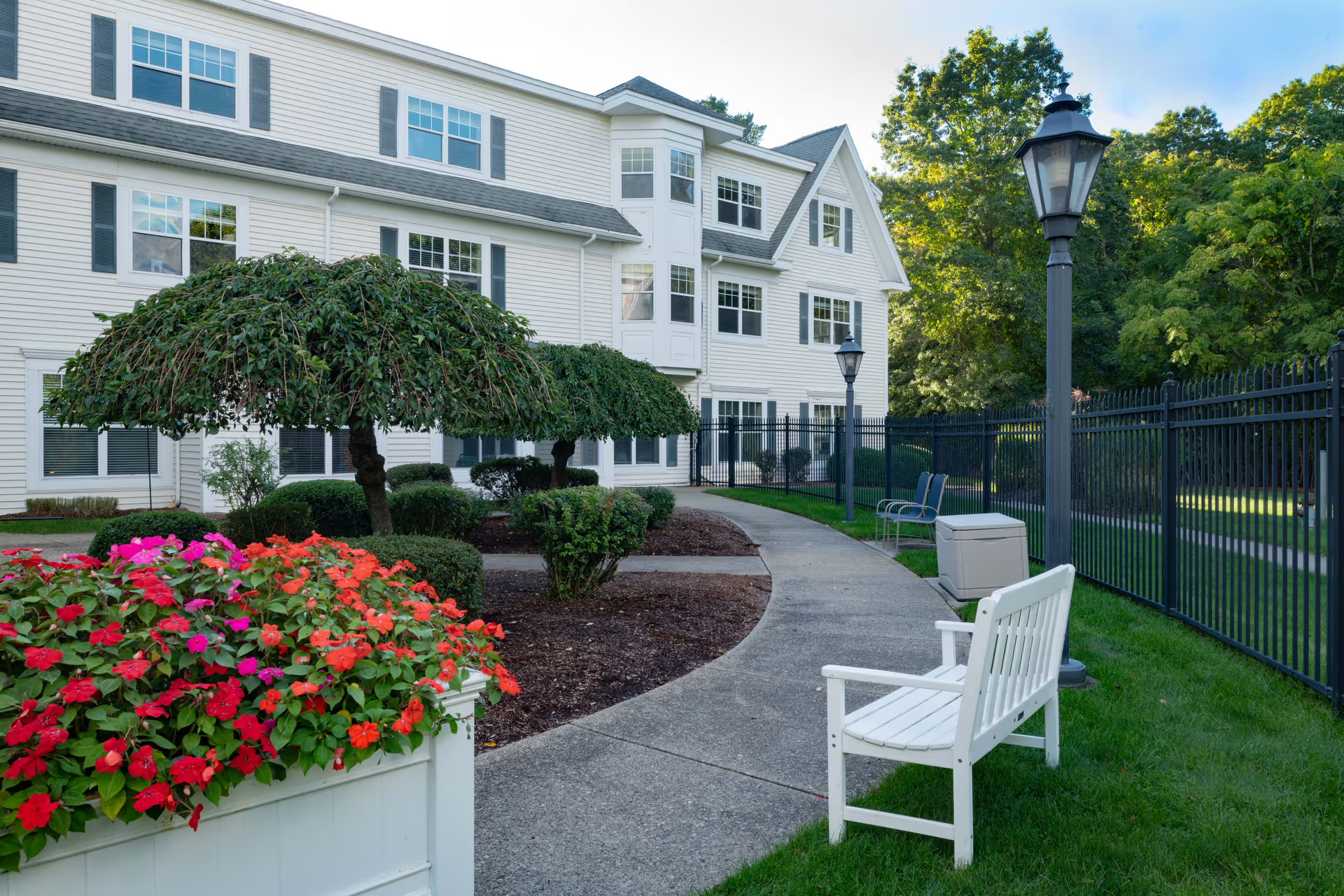
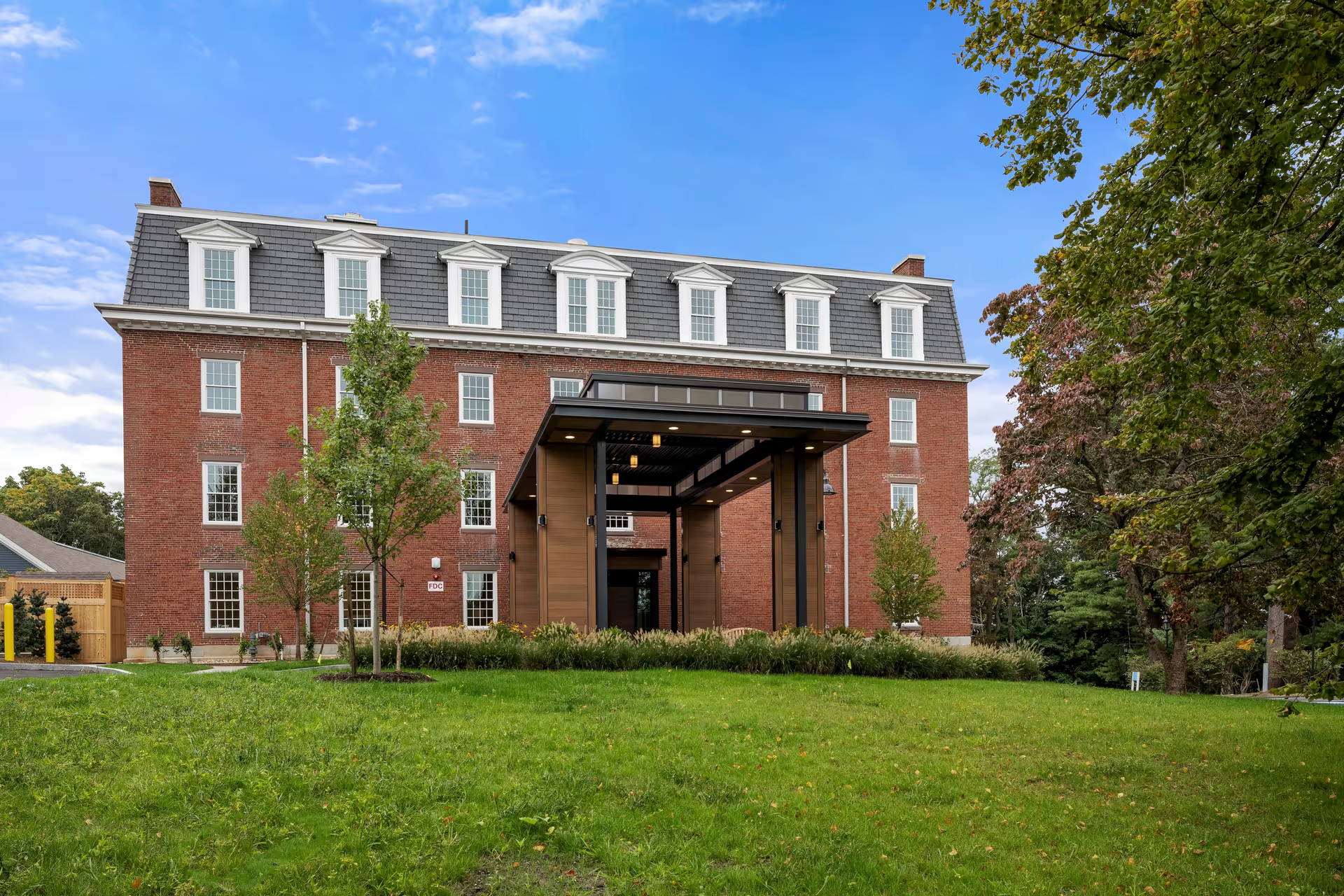
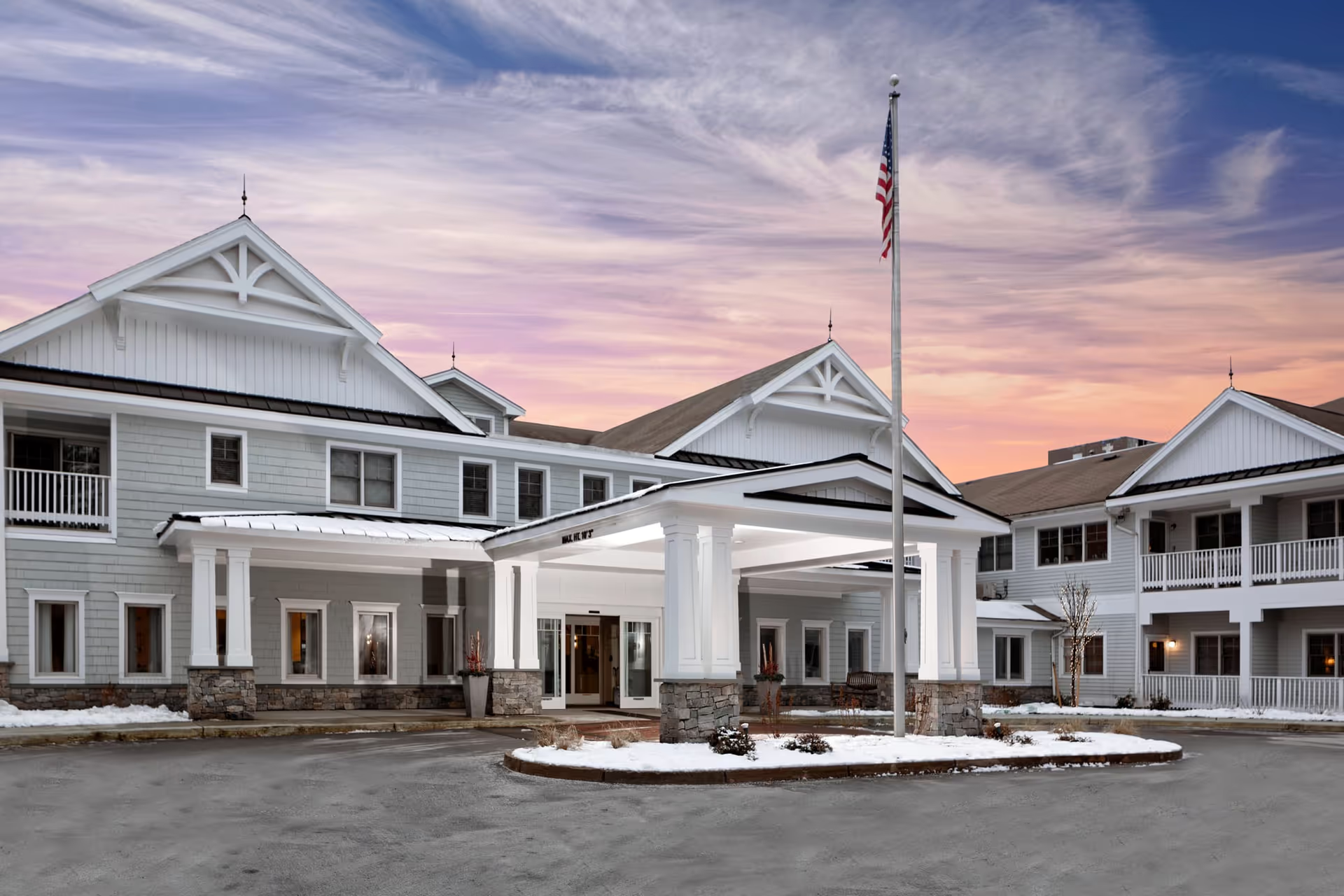
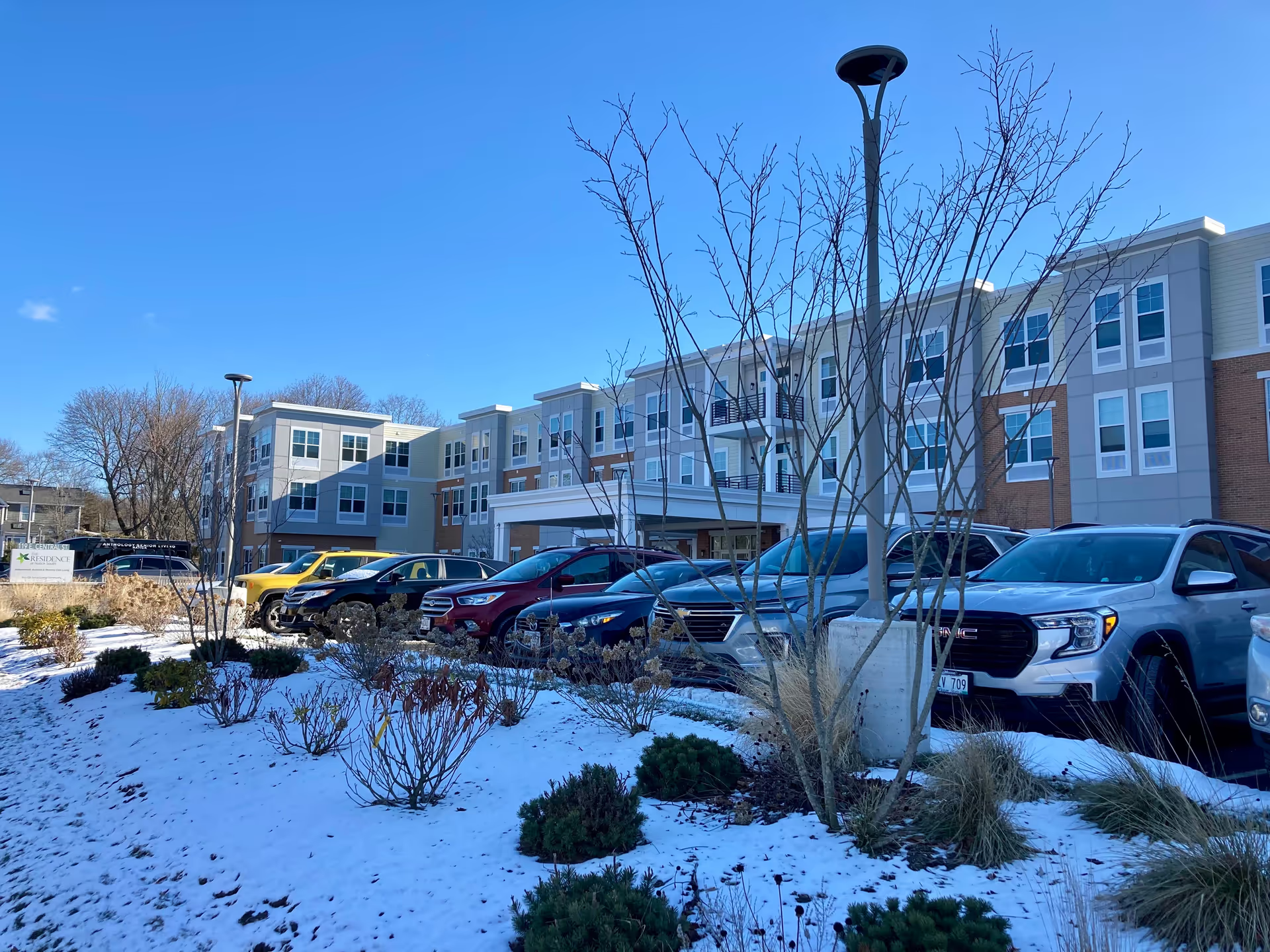
North Hill Retirement Community is presented in many accounts as a well-appointed, activity-rich campus with strong rehabilitation services and a lively resident culture. The physical plant is cited frequently for being modern, bright, and well maintained, with attractive grounds and numerous on-site amenities such as a pool, gym, movie theater, salon, and library. Private apartments with kitchenettes, weekly housekeeping, responsive maintenance, and transportation services are recurring strengths that support a low-chore, community-focused lifestyle.
Clinical and rehabilitative care receives consistent praise: reviewers highlight high-quality physical and occupational therapy, personalized recovery plans, in-apartment therapy options, and attentive nursing and rehab staff during care episodes. The activities and engagement program is described as extensive and varied—swimming, fitness classes, bridge, woodworking, chorus, lectures, arts, and social events—often coordinated around residents' therapy schedules. Many accounts emphasize a supportive community atmosphere and staff members who are compassionate and helpful, particularly on the front line and in therapy/rehab roles.
Dining is another prominent positive. Multiple descriptions point to cook-to-order service, varied menus, tasteful and nutritious meals, and flexible dining options including made-to-order selections and wine service in common dining areas. These features contribute to residents' satisfaction with daily life and recovery nutrition.
However, significant operational issues appear across the commentary. Cost and affordability are a primary concern: the buy-in and ongoing fees are described as high relative to local alternatives, which may limit access for some prospective residents. Several accounts identify limited clinical coverage during off-hours and a lack of on-site social-work presence at night, which combined with perceived gaps between independent living services and skilled nursing can create discontinuities in care. There are also repeated notes about inconsistent admissions communications and some instances of unprofessional conduct or poor responsiveness from certain staff members, which reviewers characterize as concerns about staff conduct and management responsiveness. A subset of reviews raises sanitation and pest-control concerns in dining/kitchen areas and mentions dining-service operational inconsistencies; these are important issues that would merit direct verification during a tour and follow-up with administration.
Overall, the pattern is mixed but leans positive for people who prioritize robust rehabilitation services, abundant programming, and resort-style amenities and dining. Prospective residents and families should weigh the high cost against those service strengths and should ask specific questions about after-hours clinical coverage, the facility’s pest-control and sanitation protocols, admissions communications, and recent steps management has taken to address workplace-culture and staff-conduct issues. A campus visit that includes conversations with clinical leadership and a review of contractual and staffing details will help clarify whether North Hill’s operational practices match the high-quality impressions many residents describe.