Overall impression: Sacred Heart Skilled Nursing & Rehabilitative Care presents as a facility with notable clinical strengths and a number of operational inconsistencies. Families frequently describe high-quality rehabilitative care and strong outcomes — including weight recovery and nutrition-focused plans overseen by a dietician — and they often cite clear communication from staff as contributing to peace of mind. The facility's Alzheimer's/dementia unit is consistently highlighted as a strong element of the program. At the same time, multiple accounts point to variability in day-to-day care delivery and staff conduct, which produces a mixed overall picture for prospective families.
Care and clinical services: Reviewers commonly praised the clinical and rehabilitative teams for effective therapy and nursing interventions that contributed to measurable health improvements for some residents. The presence of dietitian-monitored meals and attention to nutrition are clear strengths, and several families credited staff with clinically meaningful outcomes. However, there are recurring concerns about inconsistent responsiveness from nursing staff, particularly around routine personal care tasks and weekend coverage. These issues manifest operationally as unpredictable attention to bathing schedules, delayed responses to resident needs, and uneven follow-through on basic care tasks.
Staff, culture, and management: Many families describe caregivers as compassionate, personable, and family-oriented; examples include staff attending family events and providing emotional support. Concurrently, there are frequent concerns about staff professionalism and leadership. Specific patterns include reports of disrespectful or unempathetic supervisory behavior, inconsistent conduct from certain nursing staff, and indications of low staff morale. These factors suggest managerial and workplace-culture challenges that may be affecting staff consistency and resident experience.
Dining and activities: Dining receives mixed feedback. Strengths include dietitian-guided menus and, in some instances, generous portioning that supports weight gain and nutritional goals. At the same time reviewers mention inconsistent food quality and occasional skimpy portions, indicating variability in meal preparation or service. The activities program is viewed positively; residents appear to have access to engagement opportunities and families note that loved ones enjoy scheduled events.
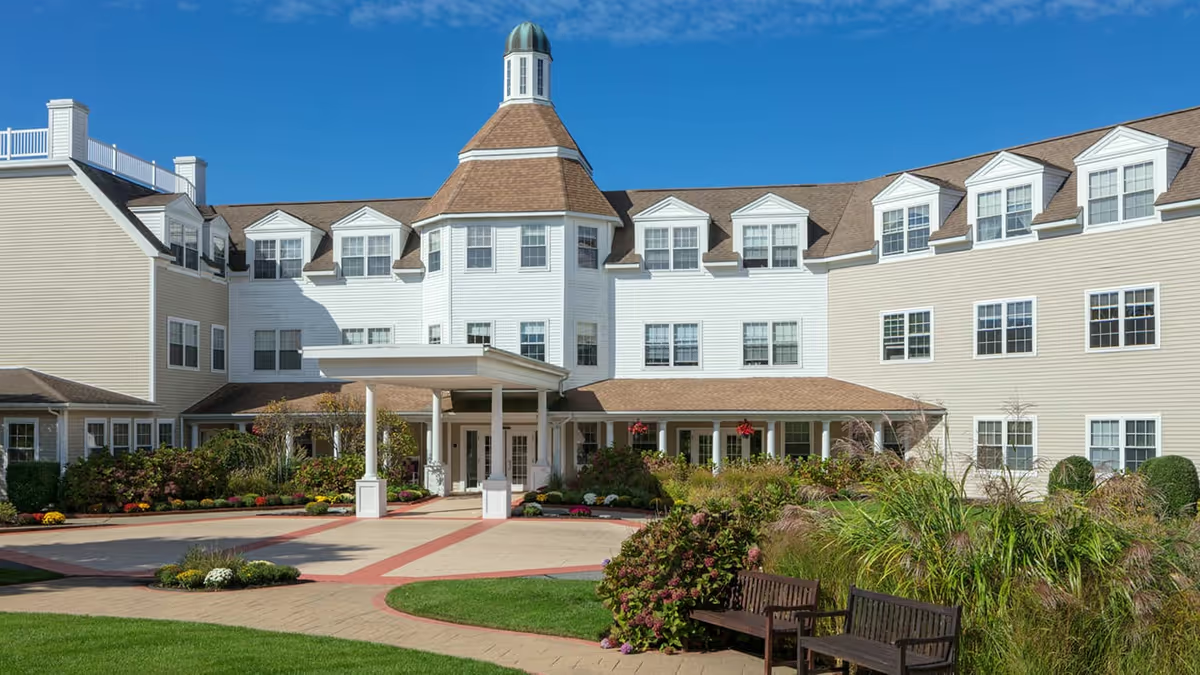
Facilities and cleanliness: The facility is described as generally clean and well-maintained in public areas, and some families praise the overall upkeep. However, the building itself is characterized as older or not modern, and there are specific sanitation and cleanliness concerns reported in resident areas. These issues, together with privacy and room-access control lapses (for example, inadequate separation of rooms or unclear room-access practices), point to operational gaps in environmental management and resident privacy protections.
Notable patterns and recommendations for families: Prospective residents and families should weigh the facility's clear clinical and dementia-care strengths against evidence of variability in daily caregiving, staff professionalism, and management practices. For families considering Sacred Heart, recommended steps include touring the specific unit of interest, asking about weekend staffing and supervisor roles, reviewing bathing and personal-care schedules, discussing privacy and room-access protocols, and clarifying billing relative to expected service consistency. The combination of strong rehabilitative outcomes and concerning variability in routine care suggests that individual unit leadership and staffing levels may substantially influence a resident's experience.