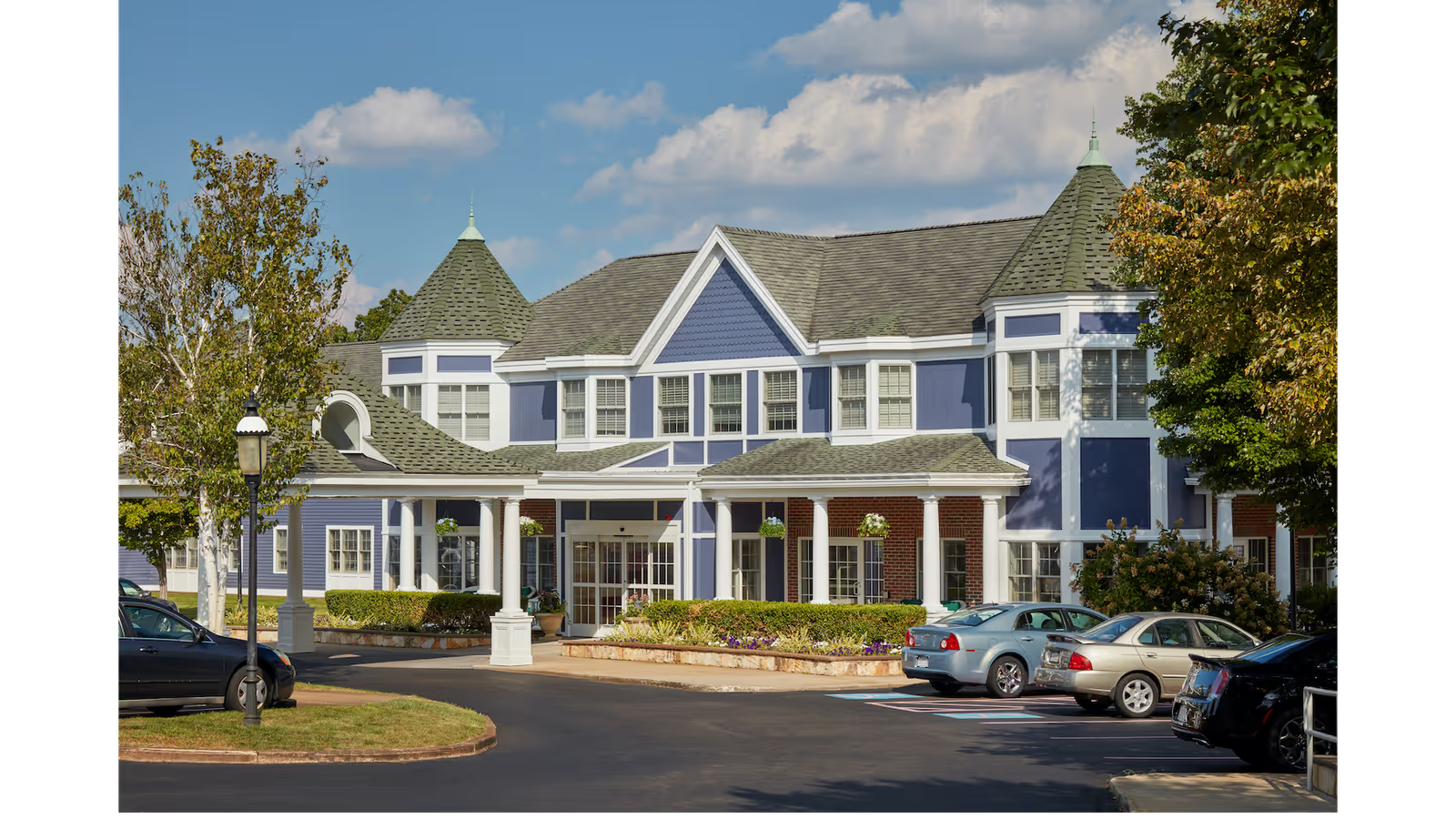
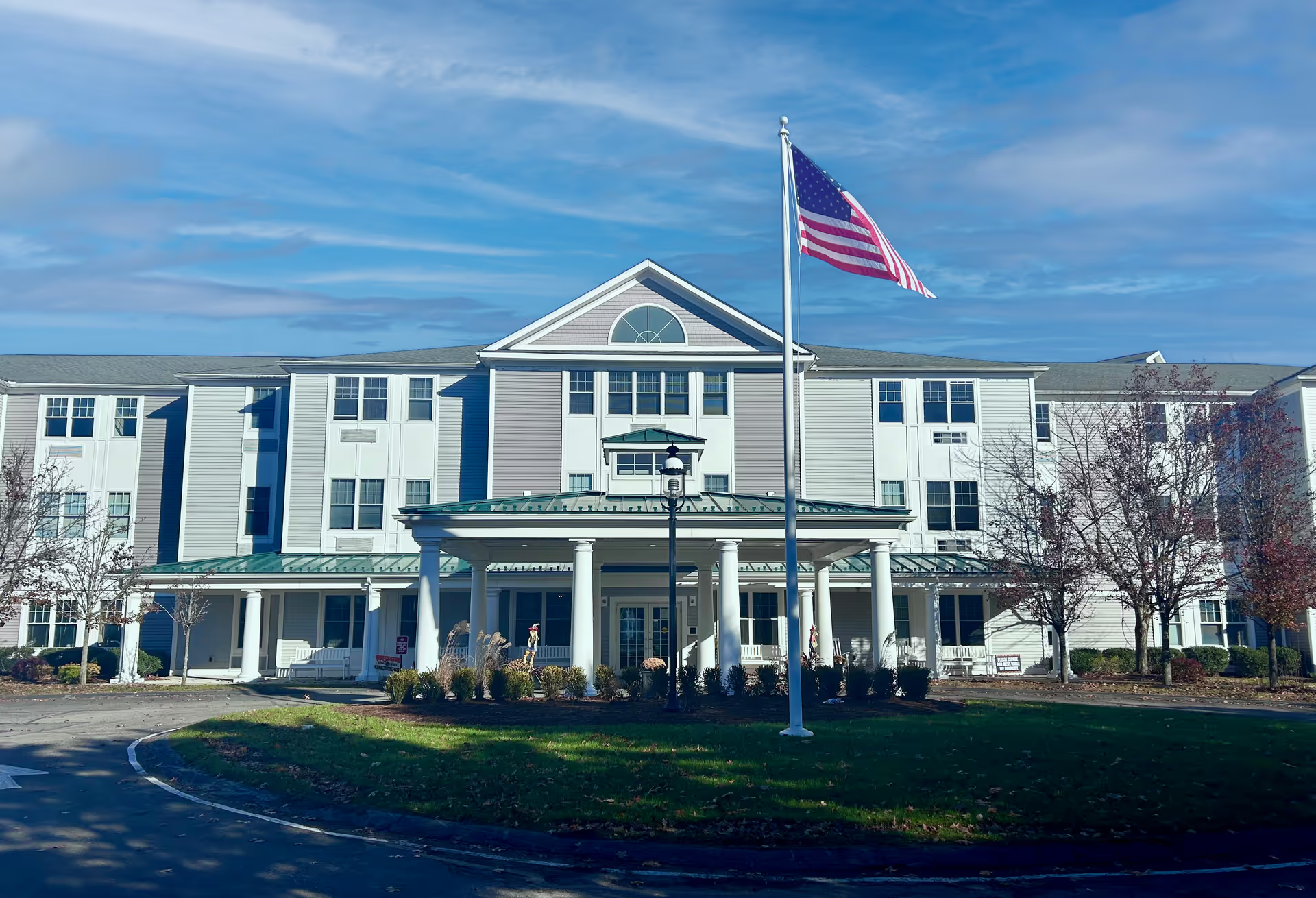
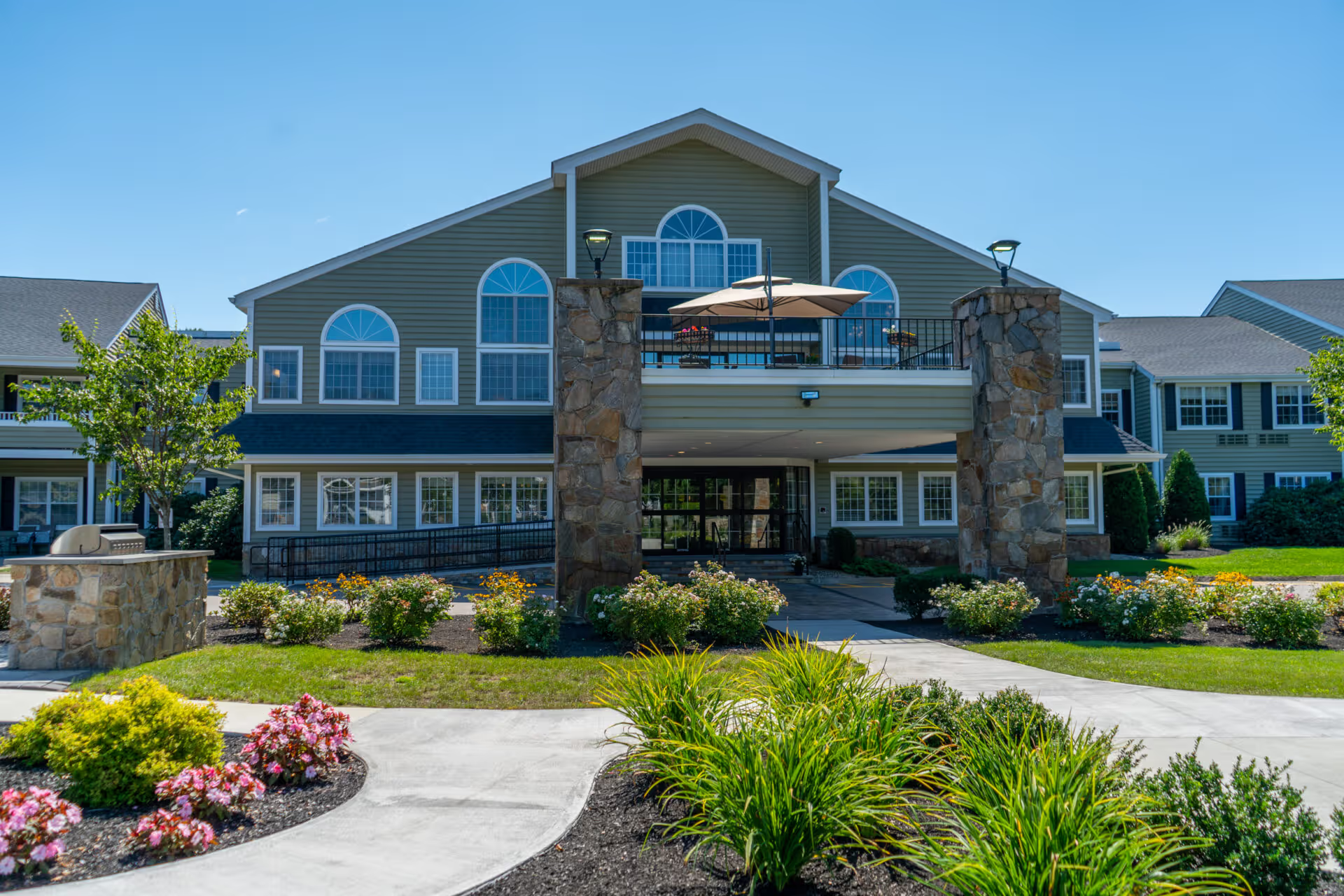
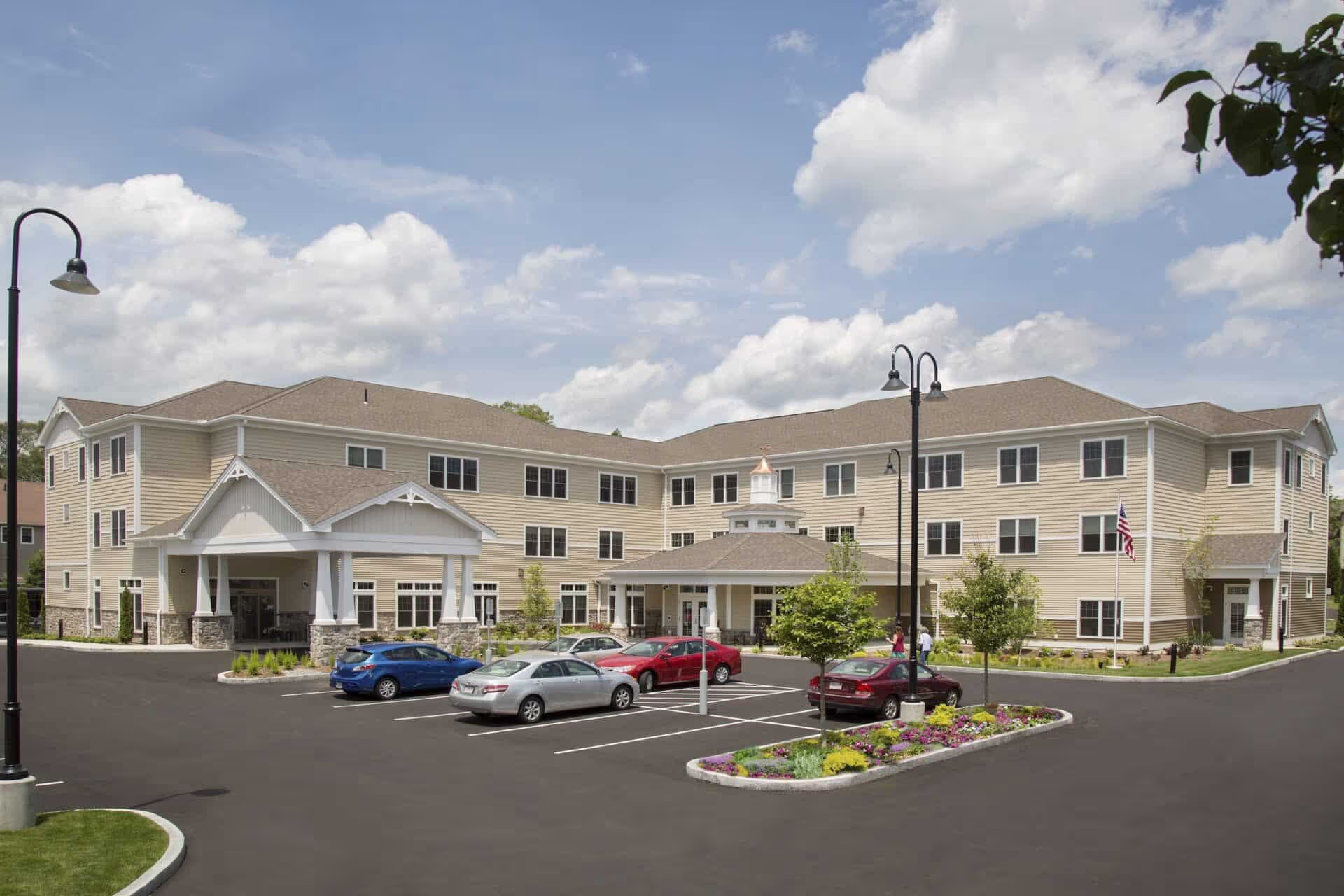
The collected reviews present a highly mixed appraisal of Southeast Rehabilitation & Skilled Care Center. A clear and consistent strength across many accounts is the facility’s rehabilitation program: physical and occupational therapy teams are frequently described as skilled, motivating, and effective in producing measurable recovery. Activities programming, including memory-unit offerings and an ambassador program, is another notable positive, with several staff in those areas cited as engaging and supportive. When the clinical team and care coordination are functioning well, families describe compassionate caregiving, reliable therapy progress, and effective chronic-condition management.
Conversely, reviewers identify multiple operational weaknesses that appear to affect resident safety, comfort, and family confidence. Staffing consistency is a recurrent concern: daytime nursing and select leaders receive praise, while evening and night shifts are described as uneven, with reports of delayed responses to call lights and long waits for assistance. Medication-administration and prescriber-coordination problems are reported as causing delays or errors in treatment. Several accounts point to gaps in fall-prevention practices and safety-alarm use, suggesting systemic weaknesses in transfer and monitoring procedures rather than isolated events.
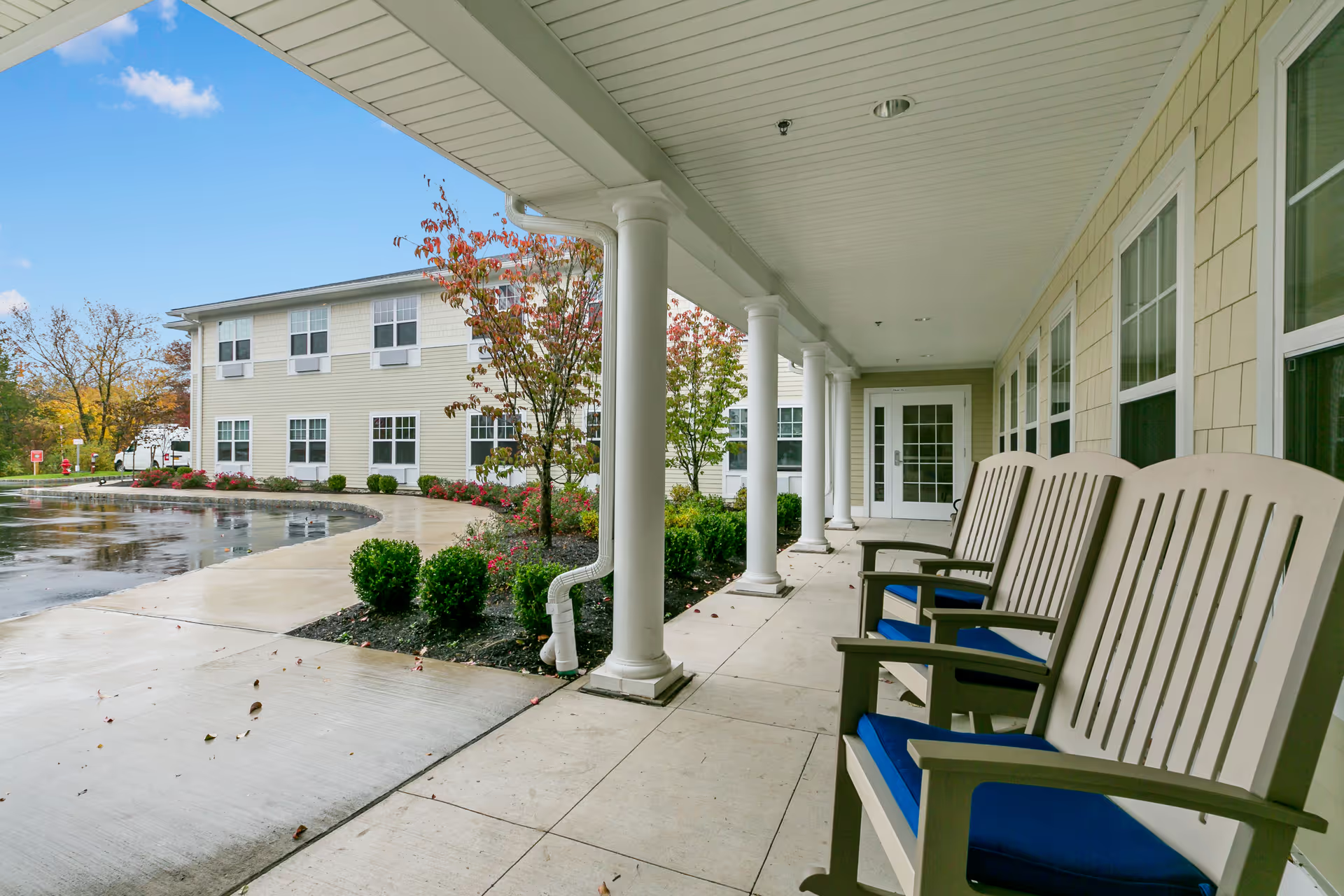
Facility operations and environment generate additional concerns. Cleanliness and sanitation issues are described in numerous reviews, alongside odor concerns in some common areas and pest-control concerns; laundry management and misplaced personal items are also frequent complaints. Dining service is characterized by inconsistent meal quality, tray-delivery errors, and occasional allergy/menu coordination problems. Maintenance shortcomings — worn decor, broken doors, HVAC complaints (including high room temperatures on upper floors) — further contribute to a perception of uneven facility upkeep.
Communication and management practices are another recurring theme. Families report inconsistent documentation, misfiled paperwork, and difficulty obtaining timely responses from administration or the front desk. Several reviewers cite frequent leadership turnover and weak follow-up on complaints, which compounds trust issues. Positive pockets of staff responsiveness are noted (including named admissions and front-desk employees), but these are counterbalanced by accounts of uncoordinated care transitions, scheduling errors, and limited availability of onsite clinical specialists such as a dietitian.
Taken together, the pattern suggests a facility with strong clinical rehabilitation and activity programming capabilities but notable operational and managerial shortcomings that affect day-to-day resident experience. Prospective residents and families should weigh the demonstrated strengths in therapy and engagement against reported weaknesses in staffing consistency, medication processes, sanitation, dining reliability, and safety practices. For an informed decision, visitors should request current staffing ratios by shift, inquire about recent infection-control audits and maintenance logs, review medication-administration protocols, and tour resident areas during different shifts to assess responsiveness and environmental condition firsthand.