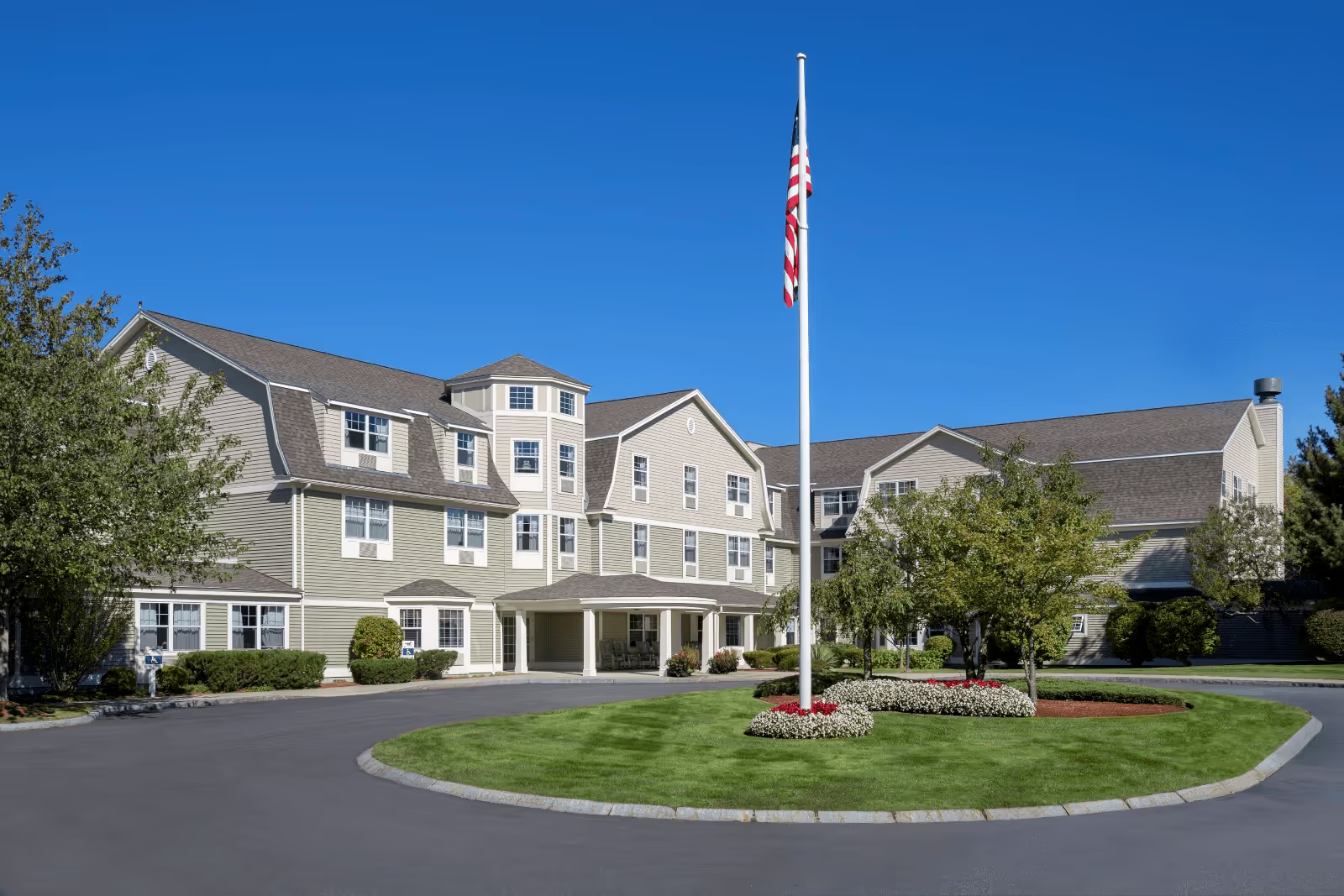
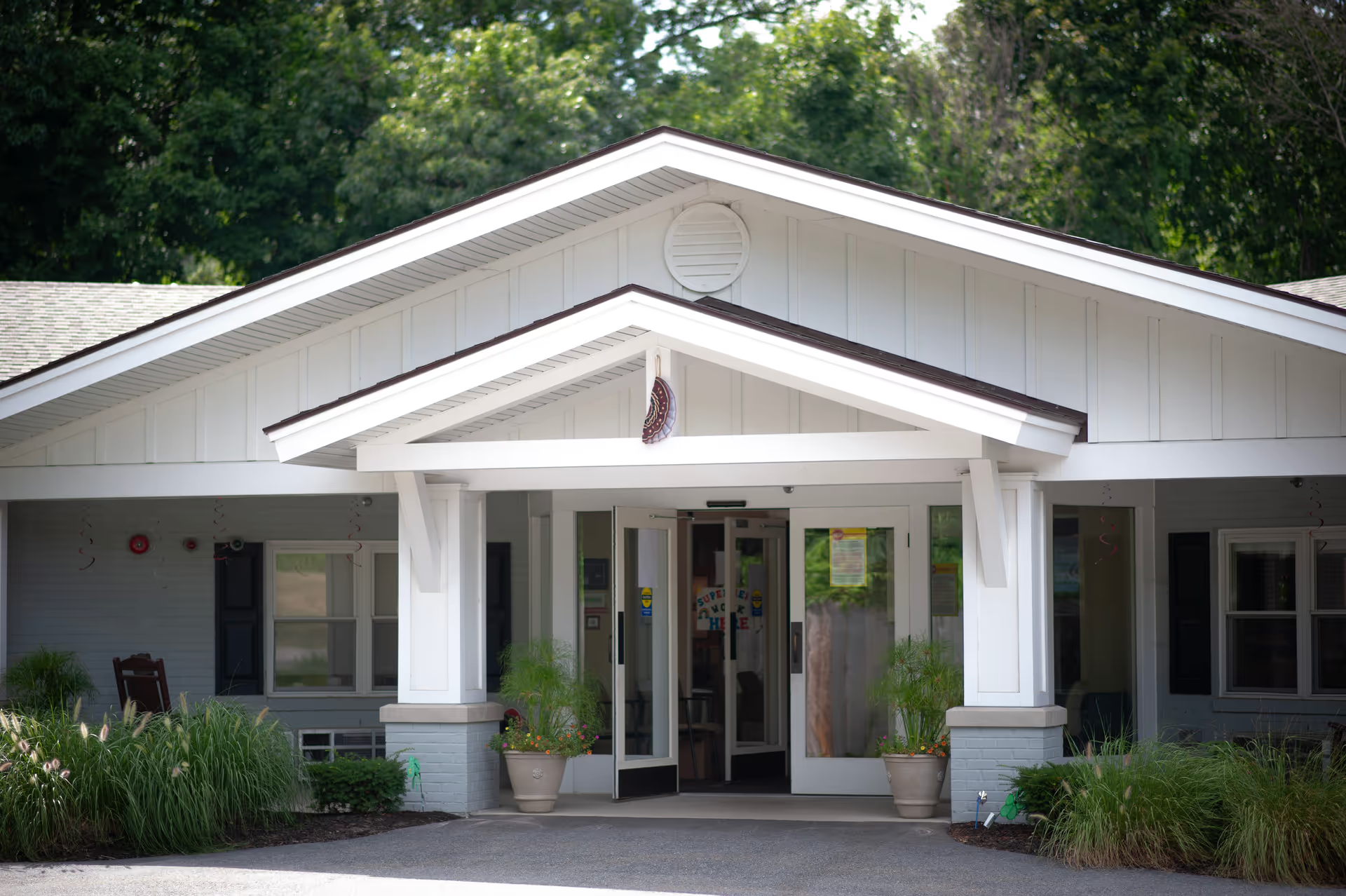
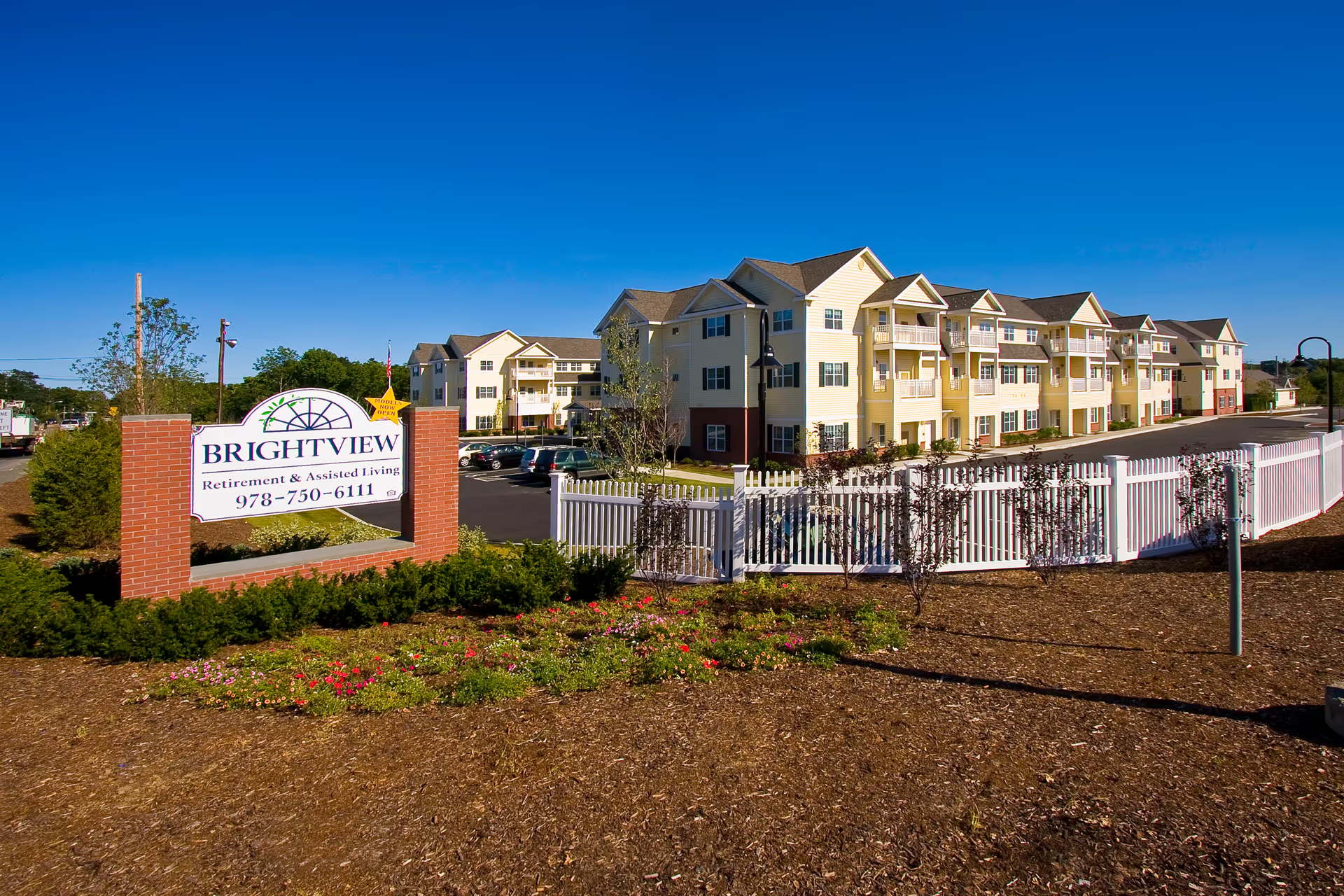
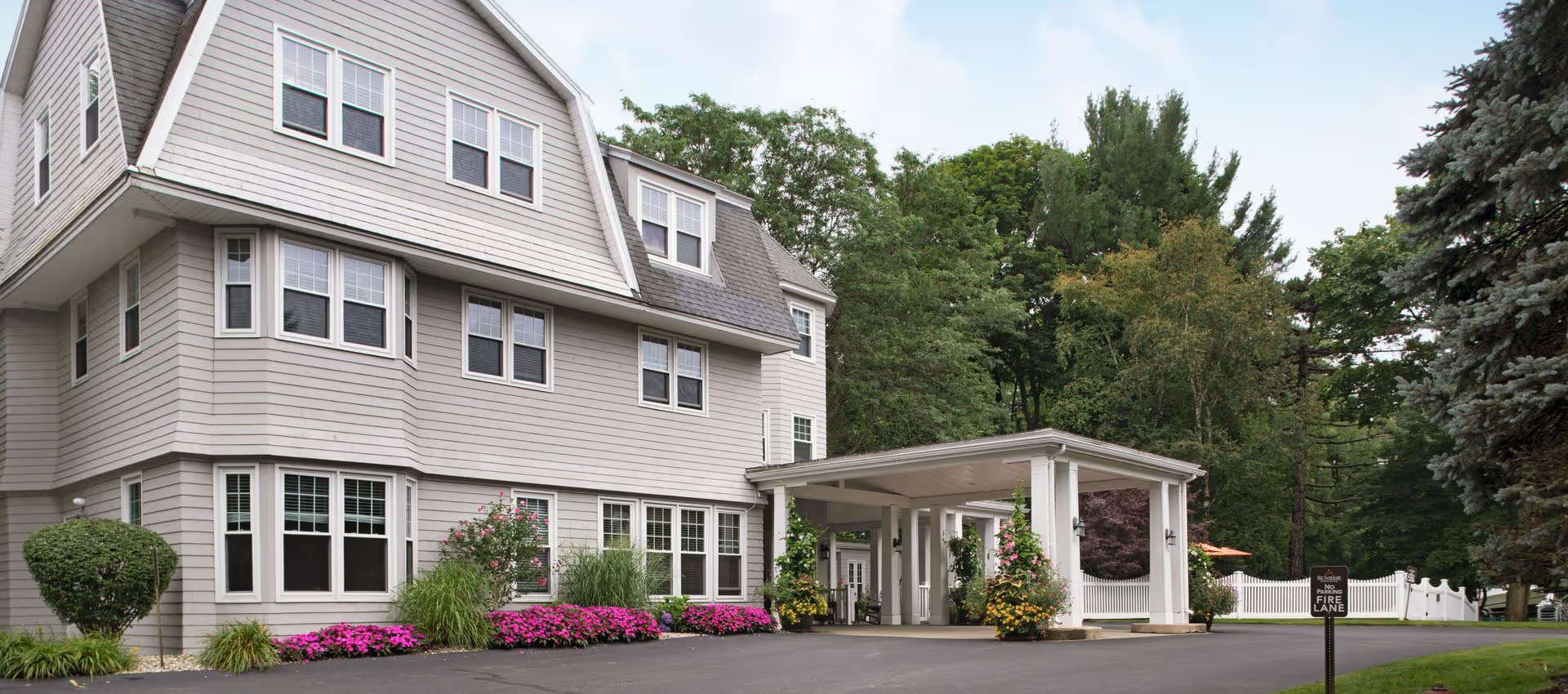
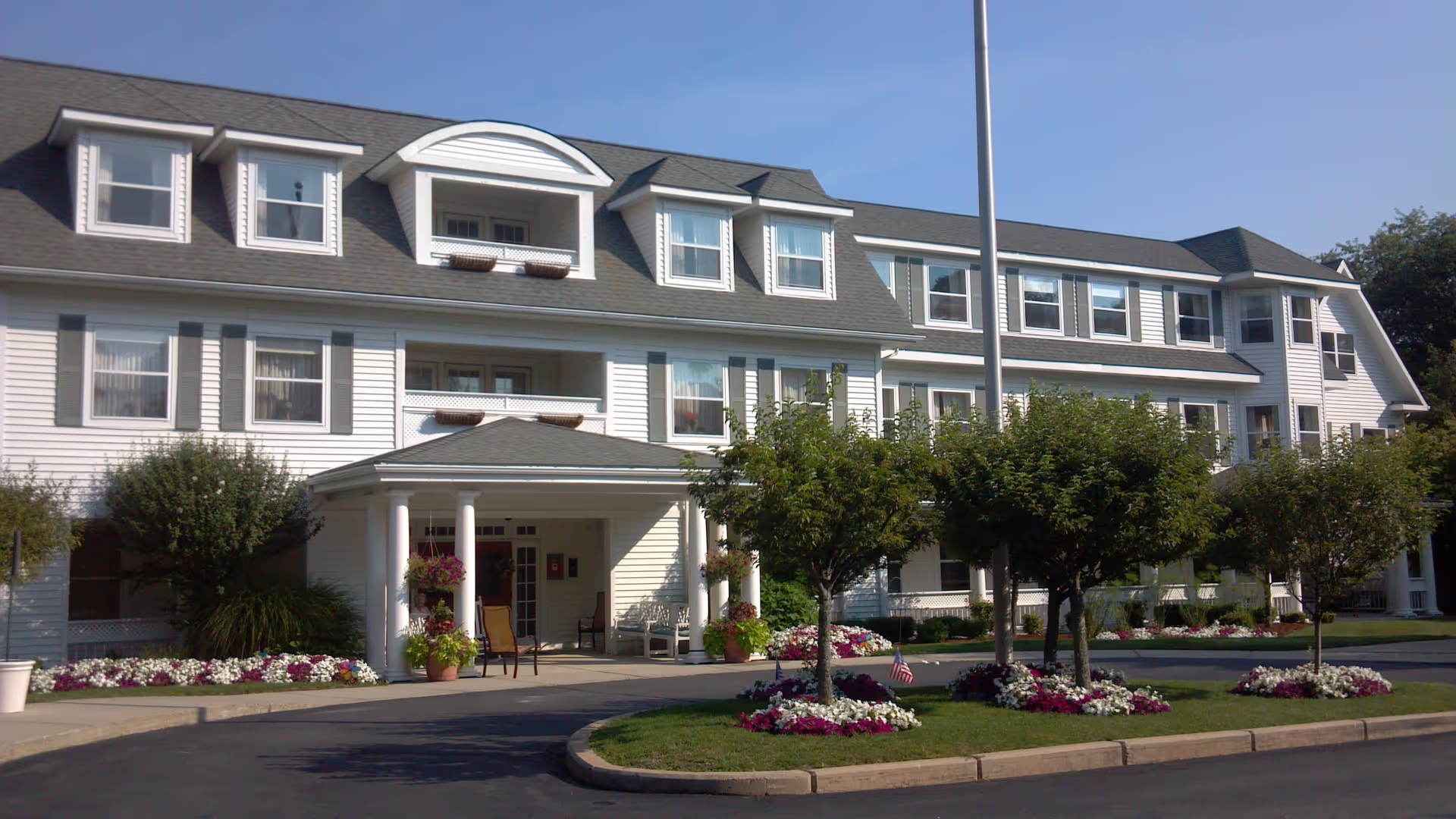
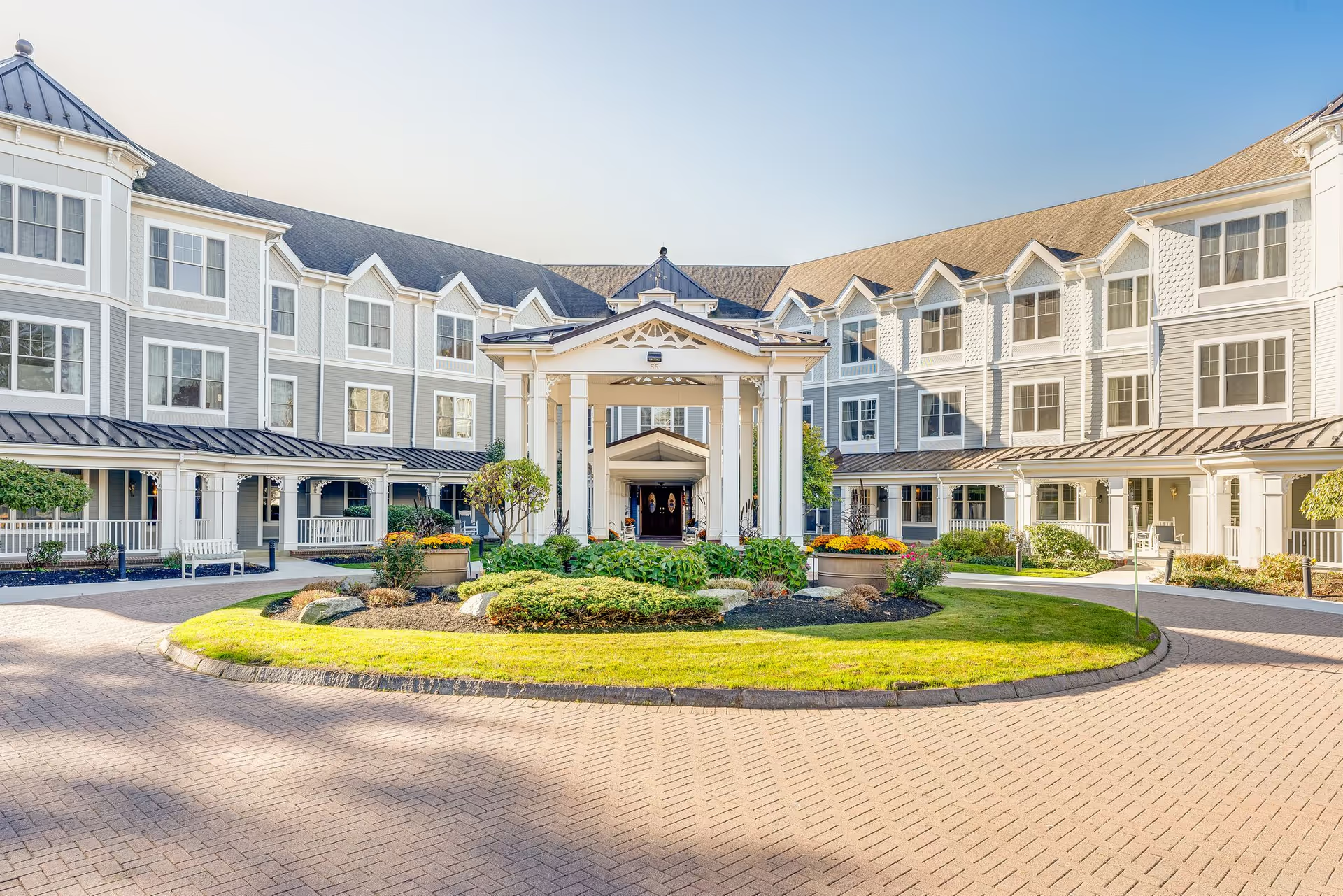
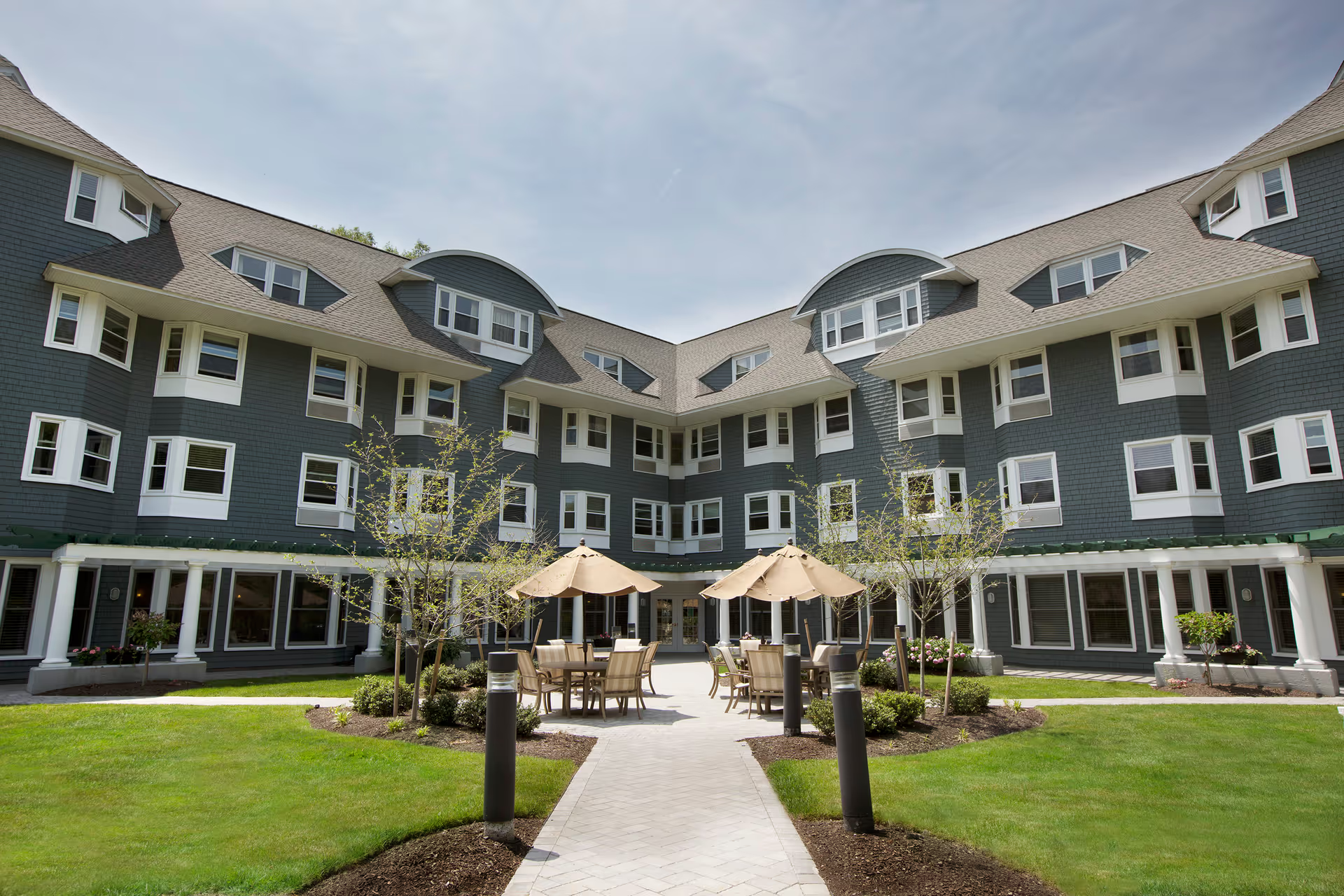
Brooksby Village presents a mixture of notable strengths and recurring operational concerns. On the positive side, the campus is frequently described as secure and attractive: a gated layout with on-site security and emergency medical technicians, well-maintained landscaping, accessible temperature-controlled walkways and benches, and apartment options with generous balconies and open-concept plans. Many residents and families cite an active social life, frequent activities and trips, on-site transportation, and recreational amenities such as a gym and game rooms. Independent-living dining in some venues receives praise for quality and variety, and memory-care programming is described as robust in multiple accounts. Several families expressed that visible safety protocols and pandemic measures provided reassurance and peace of mind.
Care and staff experiences are heterogeneous. Numerous accounts praise individual caregivers and nurses as compassionate and responsive, and some describe life-saving interventions and strong family support. At the same time, there are recurring concerns about staffing levels, compensation-driven turnover, and language barriers that appear to affect daily coordination and clinical communication. Reviews indicate patterns of inconsistent clinical monitoring, delays in responding to changes in condition or ADL (activities of daily living) needs, and variable dementia-care performance depending on unit and shift. There are also specific communication failures around transfers to higher levels of care and hospital moves, pointing to gaps in family notification and case escalation procedures.
Dining, activities, and community life are generally strengths but are not uniformly experienced. Many residents report an engaging program schedule, clubs, and social opportunities that support friendships and an active lifestyle. However, dining quality is described as uneven across venues: while some dining rooms receive high marks, others (notably one named venue) are viewed less favorably. Recreational and amenity features such as the shuttle service, organized trips, and exercise facilities are consistently appreciated.
Facility operations and management show mixed performance. Positive operational notes include clean common areas in many parts of the campus and responsive maintenance in certain instances. Conversely, reviewers commonly describe administrative problems: slow or unclear communication from departments, delays in billing and deposit refunds, and difficulty getting timely answers during service outages. There are also hygiene and pest-control concerns reported in residential areas, and several accounts describe inconsistent maintenance responsiveness. One serious, individual concern involves an allegation regarding a contracted podiatric provider and questions about informed-consent and provider oversight; this points to a need for clearer clinical governance of external providers.
Taken together, the pattern is one of a campus with strong physical amenities, active programming, and instances of very good individualized care, but also with important operational and clinical reliability issues. The most consistent themes prospective residents and families should evaluate in person are staffing levels and language supports, clinical monitoring and escalation protocols, dementia-care staffing and training, dining differences between venues, pest-control and housekeeping procedures, administrative responsiveness (billing and refunds), and oversight of contracted medical providers. Asking for recent inspection reports, staffing ratios by unit, examples of communication protocols for hospital transfers, and written policies on incident response and IT resilience may help clarify whether the facility’s strengths align with a family’s priorities.