The reviews portray a facility with notable strengths alongside recurring operational weaknesses. Therapy and rehabilitation are a consistent strength: physical and occupational therapy teams are repeatedly identified as effective, motivating, and instrumental in measurable recovery. Many families and residents also describe compassionate caregiving, accessible case management and social work support, and coordinated discharge planning that facilitates return home and continuity of supplies and services.
Staffing and staff conduct appear highly variable. Positive accounts highlight attentive nurses, helpful admissions and front-desk staff, and individual CNAs and RNs who provide respectful, patient-centered care. At the same time, other accounts describe inconsistent responsiveness to call bells, delays in basic assistance, and instances of an unsympathetic communication tone. Language barriers and uneven oversight contribute to communication difficulties for some residents and families. These differences often align with particular units or shifts, suggesting variability in training, supervision, or staffing ratios across the building.
Clinical-safety and infection-prevention concerns arise in multiple narratives. Several families describe delayed clinical responses, problems with catheter and wound care, and episodes that required hospital transfer. While there are reports of careful monitoring and coordinated care in many cases, the opposite experiences point to gaps in clinical monitoring and infection-control practices that merit attention during admissions discussions and care-plan reviews.
Dining and nutrition receive mixed assessments. Some reviewers praise home-style, award-winning meals, cookouts, and an engaged dining program. Others report frozen or low-quality meal service, overly salty preparations, inconsistent adherence to prescribed diets, and limited bedside beverage access. The variability suggests that dining experience may depend on timing, unit, or kitchen staffing.
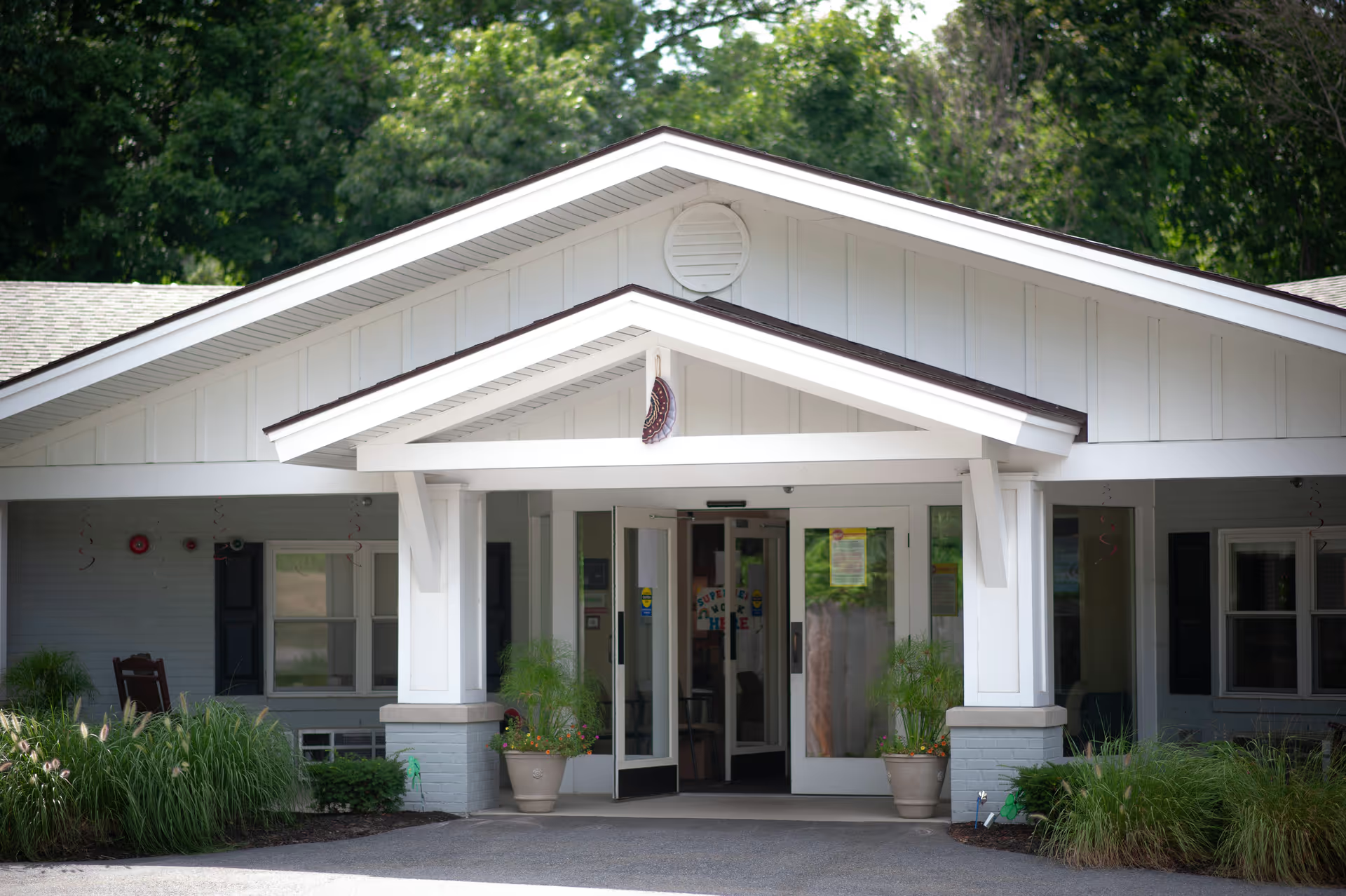
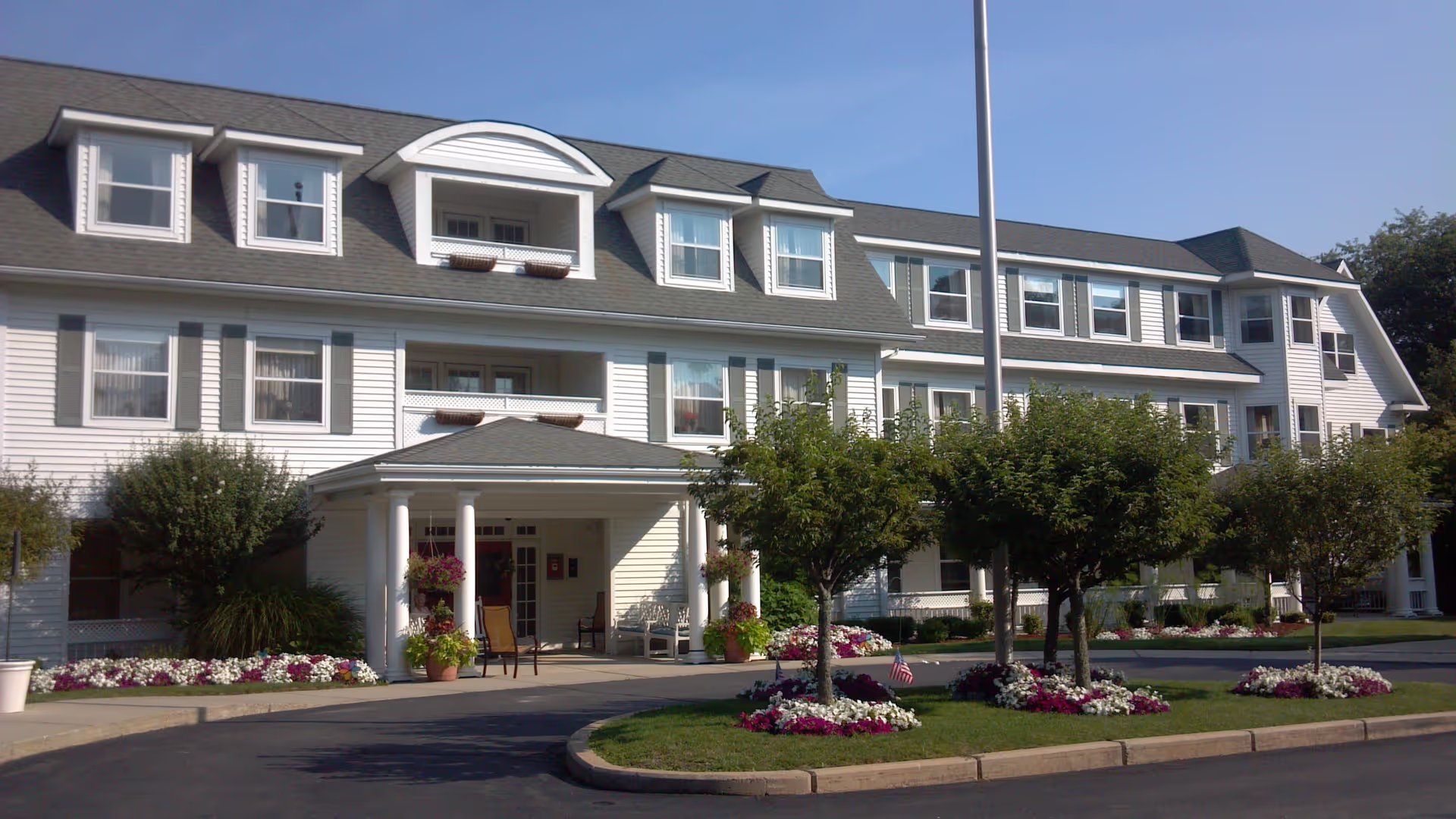
Facilities and environment likewise show contrast. Portions of the center are described as clean, well-maintained, and comfortable; other accounts raise sanitation and pest-control concerns, temperature-control issues (rooms running hot), and inconsistent housekeeping. Communication infrastructure reliability is a recurring administrative issue in several narratives, including prolonged phone outages and unanswered family messages.
Management and organizational oversight appear inconsistent. Positive feedback highlights effective admissions leadership, helpful case managers, and well-coordinated administrative support. Conversely, other accounts describe weak oversight, unprofessional behavior by some administrative staff, and poor follow-through on family communications. The overall pattern is one of uneven performance: strong pockets of care and operational competence exist alongside repeated indications of systemic lapses.
For prospective residents and families: the facility offers tangible strengths in rehabilitation, certain aspects of nursing care, social work/case management, and activities programming. At the same time, the pattern of variability across units, shifts, and service areas suggests prudent due diligence. Recommended steps include touring the specific unit where the resident would be placed (including evenings or weekends if possible), asking for recent inspection/survey results, inquiring about staffing ratios and clinical oversight, reviewing how dietary orders and infection-prevention protocols are enforced, and clarifying communication pathways with assigned case managers and nursing supervisors.