Overall impression: Reviews describe a facility with significant strengths in person-centered caregiving alongside operational inconsistencies that prospective residents and families should evaluate. Many families praise the clinical and front-line team for compassionate caregiving, calm bedside manner, and the ability to manage complex and end-of-life needs. Specific strengths cited include coordinated hospice support (including allowance for a death doula), effective nursing and CNA involvement, successful short-term rehabilitation outcomes, and staff efforts to support independence and make dietary accommodations.
Care and staff: The predominant positive theme is staff competence and compassion. Reviewers highlighted nurses and CNAs who listen, put residents at ease, and respond supportively during difficult clinical situations. At the same time, a recurrent concern is variability in responsiveness and attentiveness; some accounts describe delays in staff response and gaps in follow-through. This pattern suggests that quality may depend on shift, unit, or staffing levels rather than being uniform across the facility.
Dining and activities: Several comments note that the dining team is willing to make accommodations and that residents have opportunities for social interaction and neighborhood engagement. The concierge and reception area receive positive mention for being welcoming and helpful. Activity-level detail is limited in the reviews provided, but socialization among residents and friendly common-area interaction were noted as positives.
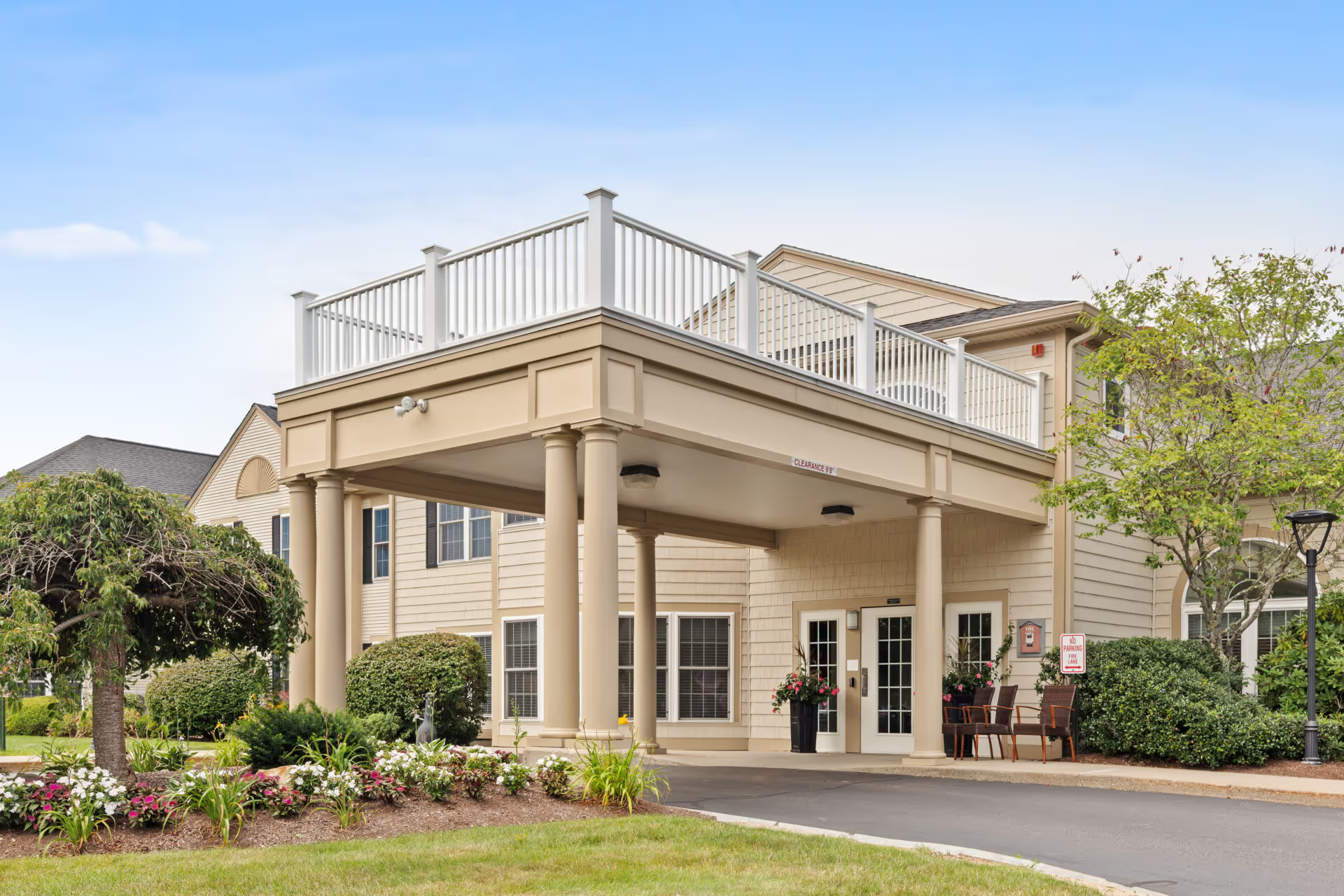
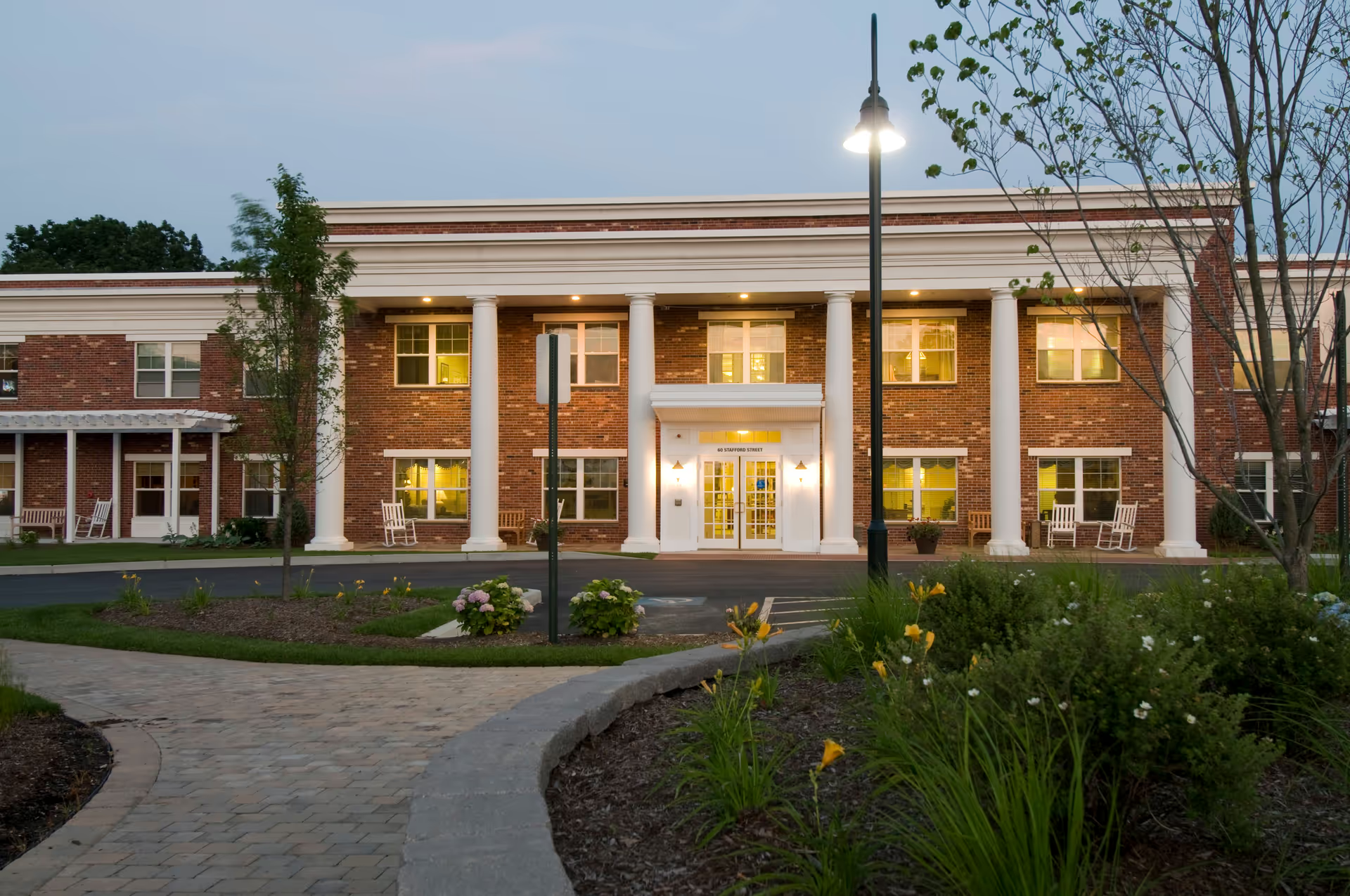
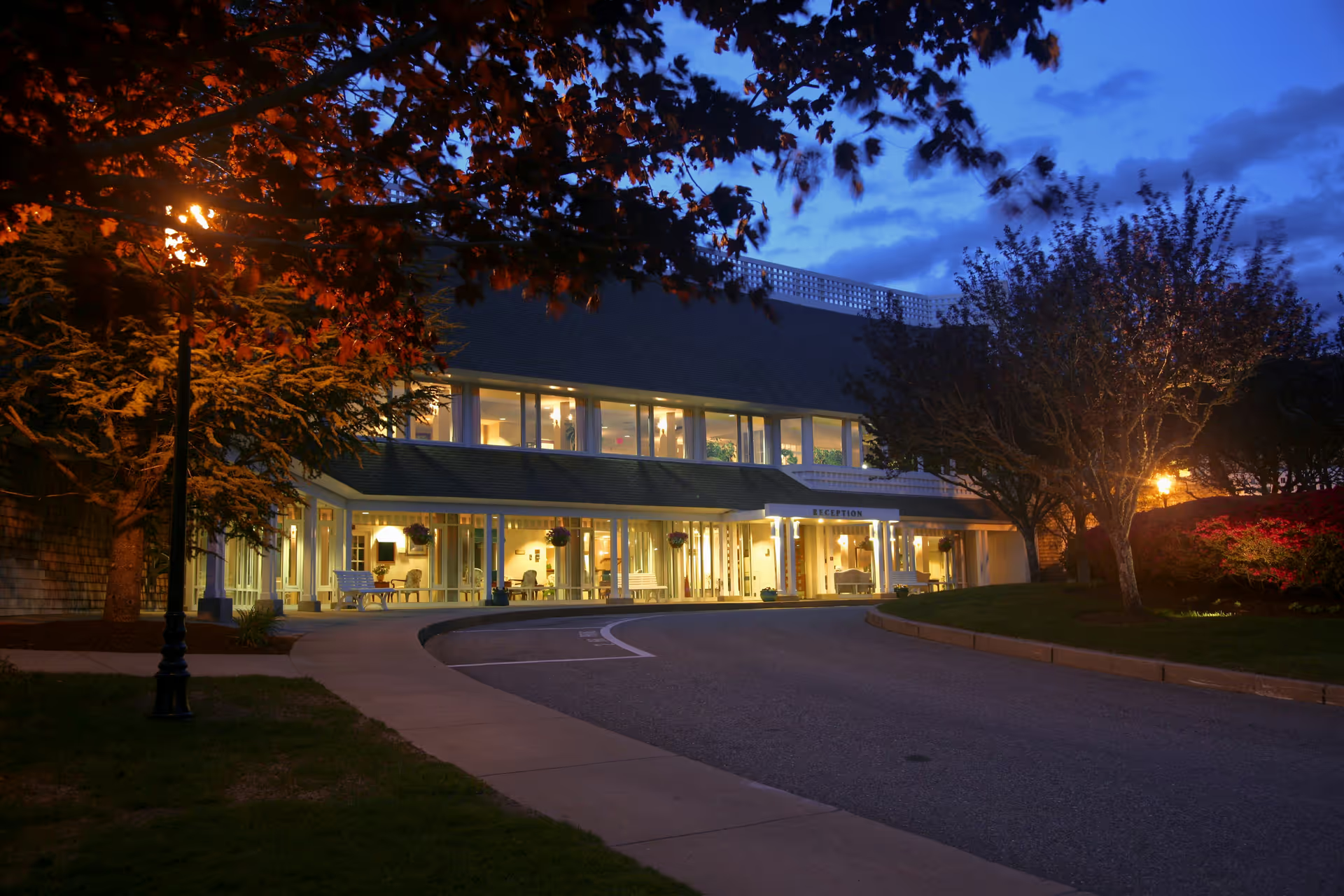
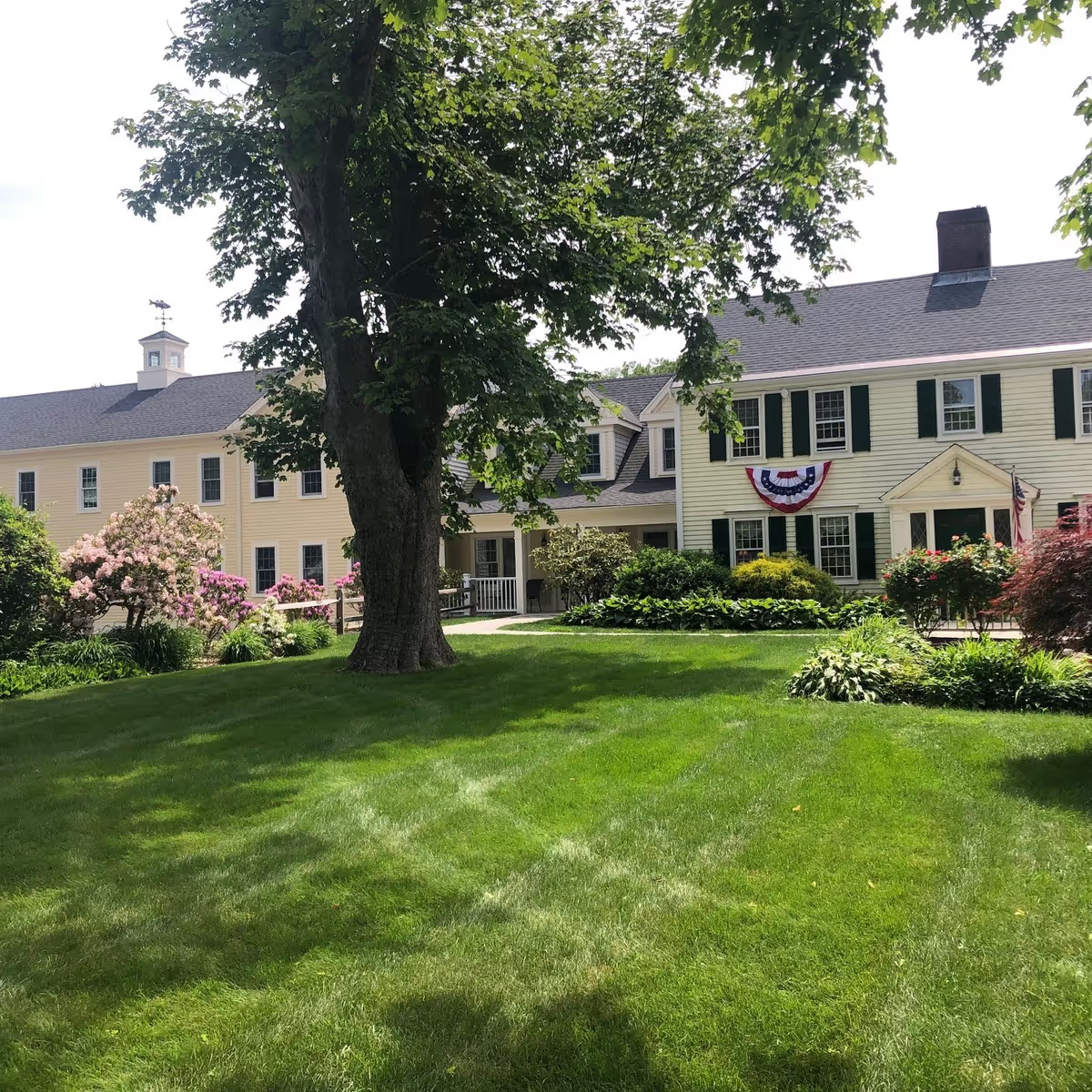
Facilities and cleanliness: Multiple reviews describe clean, well-maintained interior spaces and a generally welcoming environment. However, at least one review raised sanitation concerns and indicated an unsanitary condition; this creates a mixed picture and points to potential inconsistency in housekeeping or environmental maintenance practices. Prospective visitors should assess housekeeping schedules and inspect common and private spaces during a tour.
Management and communication: Strengths in clinical coordination (especially around hospice and rehab) are balanced by reported communication shortfalls. There are cited instances of delayed or absent family notification and perceived lapses in incident response; these imply gaps in processes for timely family communication and escalation. Visitation was described as restrictive during infection-control periods, including window visits, which reflects pandemic-era policies but also highlights the facility’s limited flexibility at certain times.
Notable patterns and recommendations: The overall pattern is one of strong individual caregiver performance combined with uneven operational consistency. Families considering this community should verify current staffing ratios, ask about housekeeping and infection-control protocols, review the facility’s family-notification procedures, and speak with the rehab and hospice coordinators about care pathways. An in-person tour during multiple times of day (across different shifts) and conversations with administrative staff about incident-response and communication policies will help clarify whether the facility’s strengths are reliably delivered for a particular resident.