Overall impression: The reviews present a facility with many operational strengths alongside several recurring operational concerns. The dominant theme is consistently positive clinical and rehabilitative care: families and patients repeatedly describe compassionate, attentive nurses and CNAs, and a therapy department that provides skilled, personalized rehabilitation. Case managers and social‑services staff are frequently cited for coordination of appointments, insurance navigation, and calming family stress during transitions. Multiple comments describe staff who went beyond expectations, helped with logistics, and created a warm, family‑like atmosphere for residents.
Care quality and clinical patterns: Clinical care is frequently praised—skilled nursing, effective therapy, and strong end‑of‑life/hospice support are recurring strengths. At the same time, some reviews point to operational gaps in clinical oversight, specifically around wound care, infection monitoring, and fluid management. Those items are presented as discrete adverse outcomes (hospitalization, wound complications) and suggest the facility may have inconsistent performance in certain complex clinical scenarios. Prospective families should inquire about wound‑care protocols, infection prevention practices, and daily clinical monitoring routines.
Staff, culture, and communication: Staff dedication and compassionate interactions are prominent positives; individual caregivers and managers are named for supportive, clear communication and advocacy. Conversely, the facility also shows signs of uneven management culture. Reviews include allegations of poor supervisory conduct, morale problems among kitchen staff, and concerns about restrictive policies and limits on family inquiry. Communication quality appears variable—many families describe clear, timely updates, while others report opaque or delayed responses. These patterns point to uneven supervisory oversight and differential experiences depending on unit, staff shift, or case manager assignment.
Dining, activities, and daily life: Dining receives mostly favorable commentary—varied menus, attentive meal delivery, and helpful dietary staff are frequently noted. However, there are operational concerns about continuity (unexpected staff call‑ins, difficulty obtaining specific diet accommodations, dissatisfaction with some menu choices). Socially, the facility tends to provide a welcoming reception and opportunities for residents to form friendships; explicit descriptions of activities are limited, but the social tone is described as warm in many accounts.
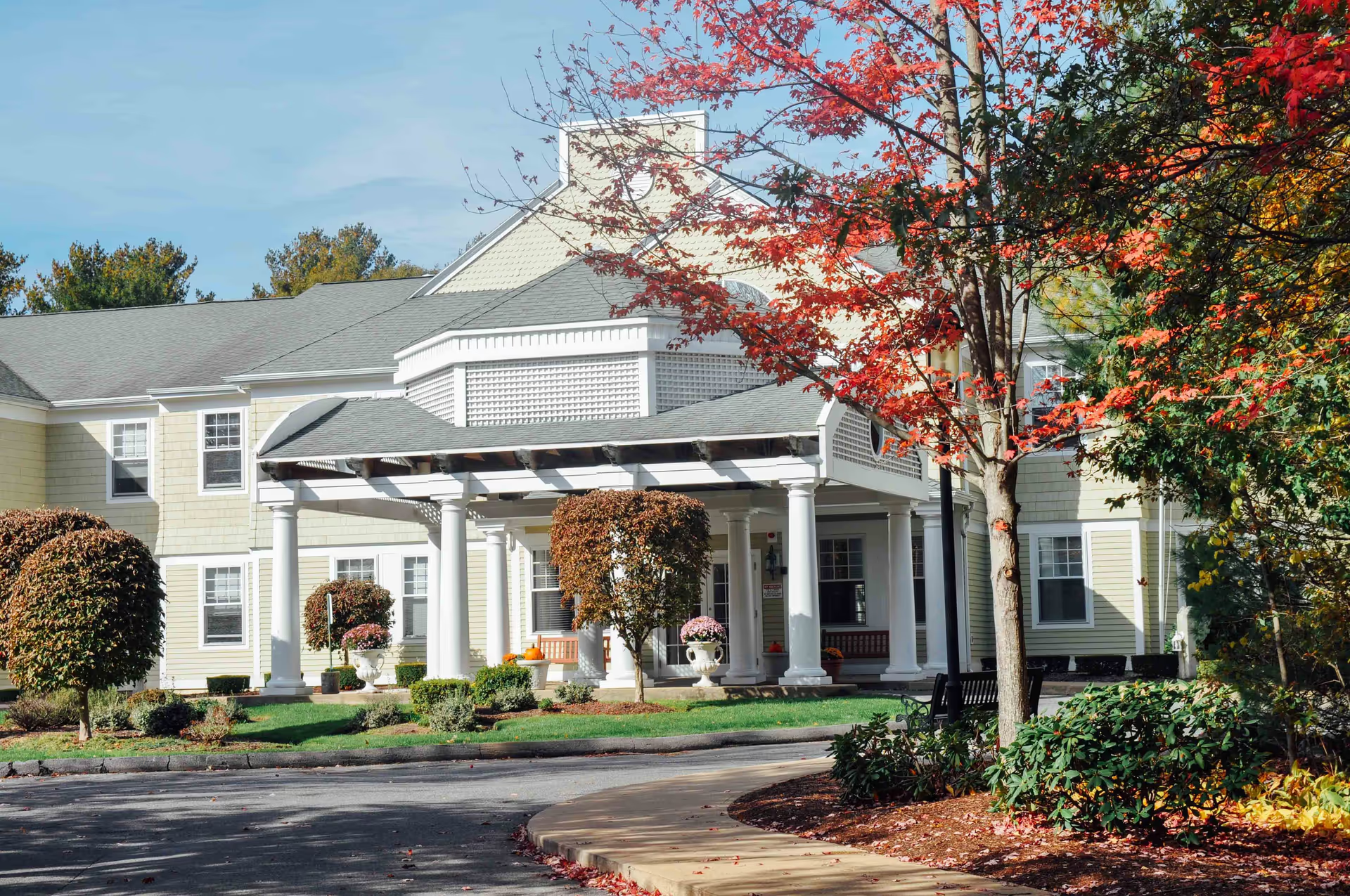
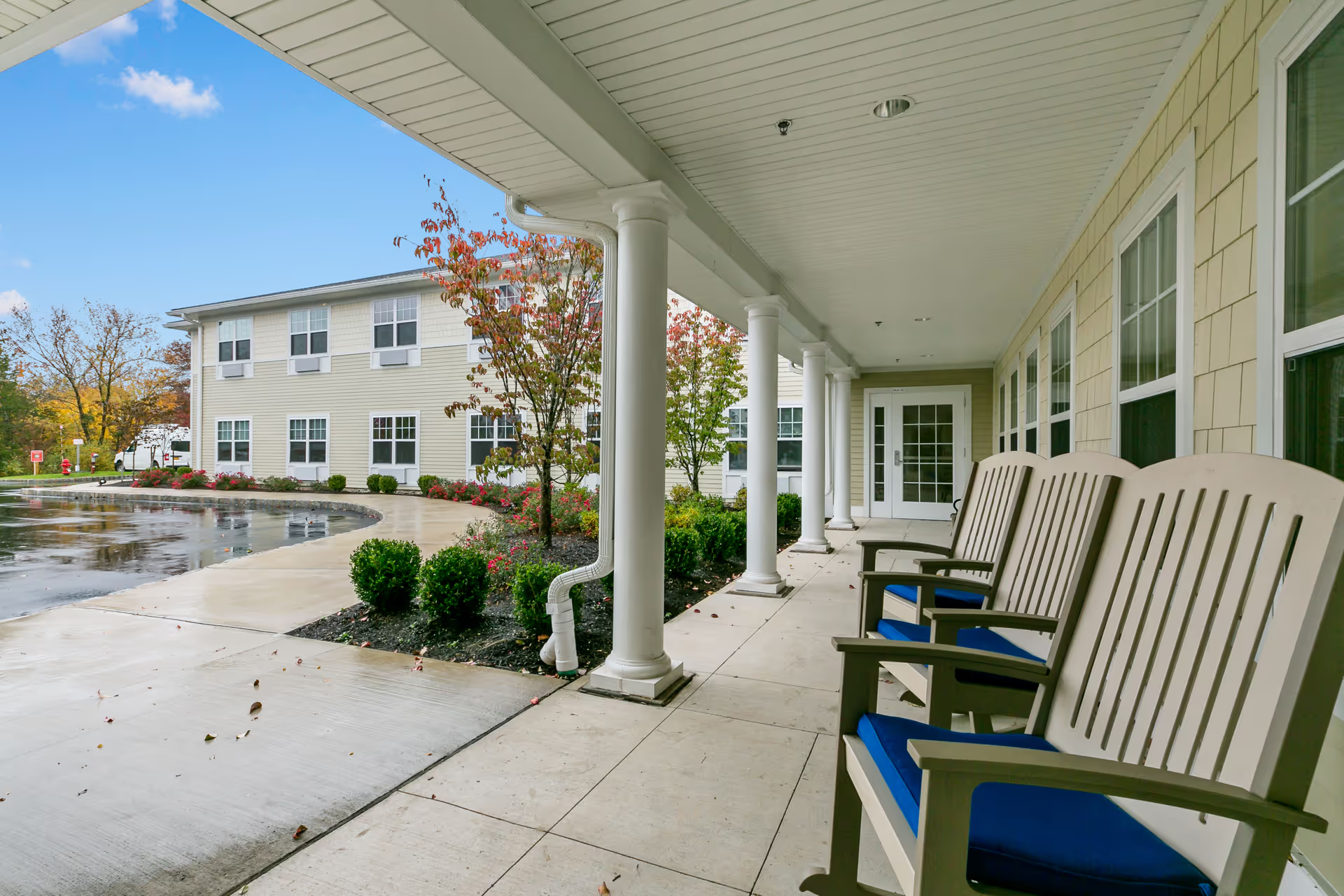
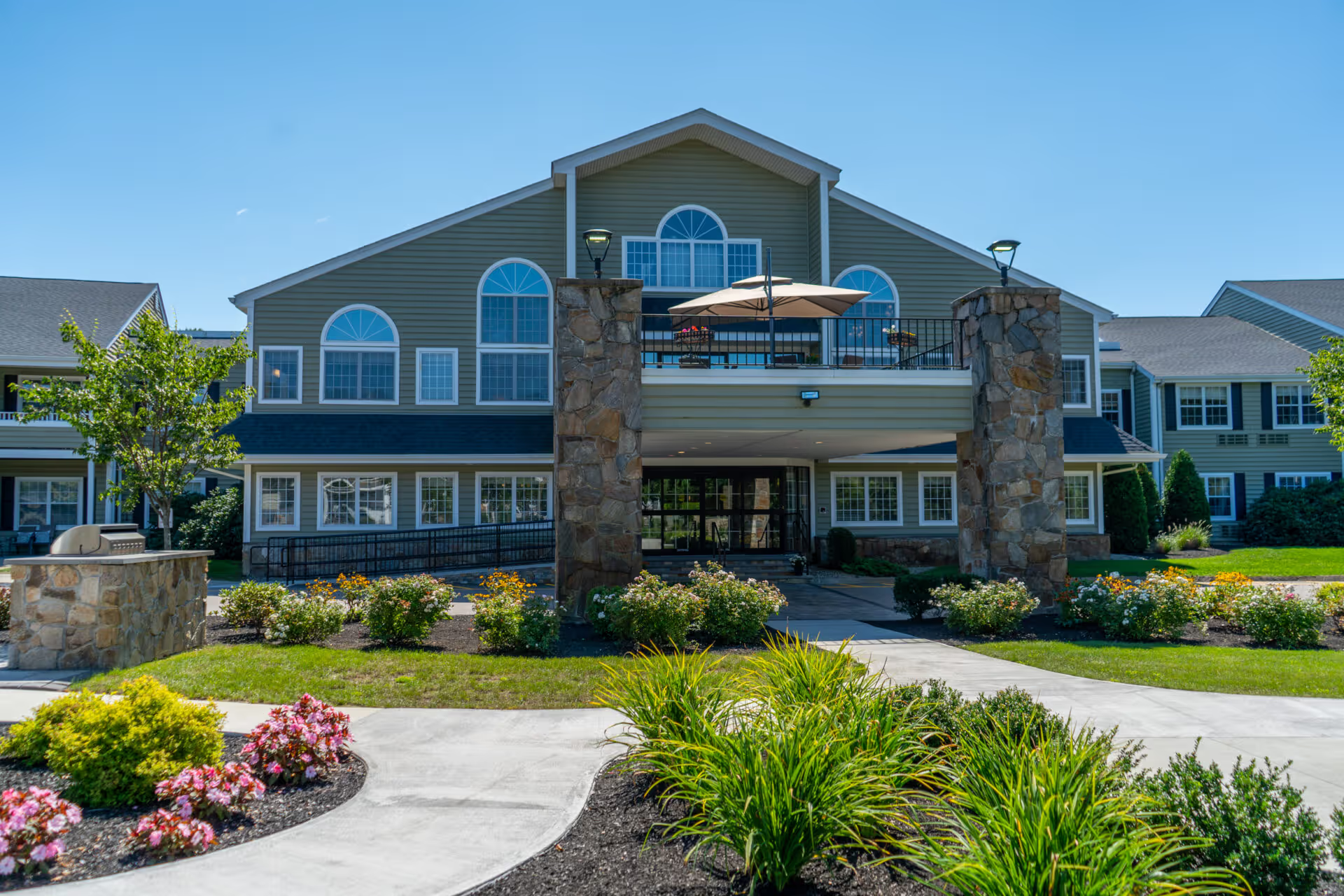
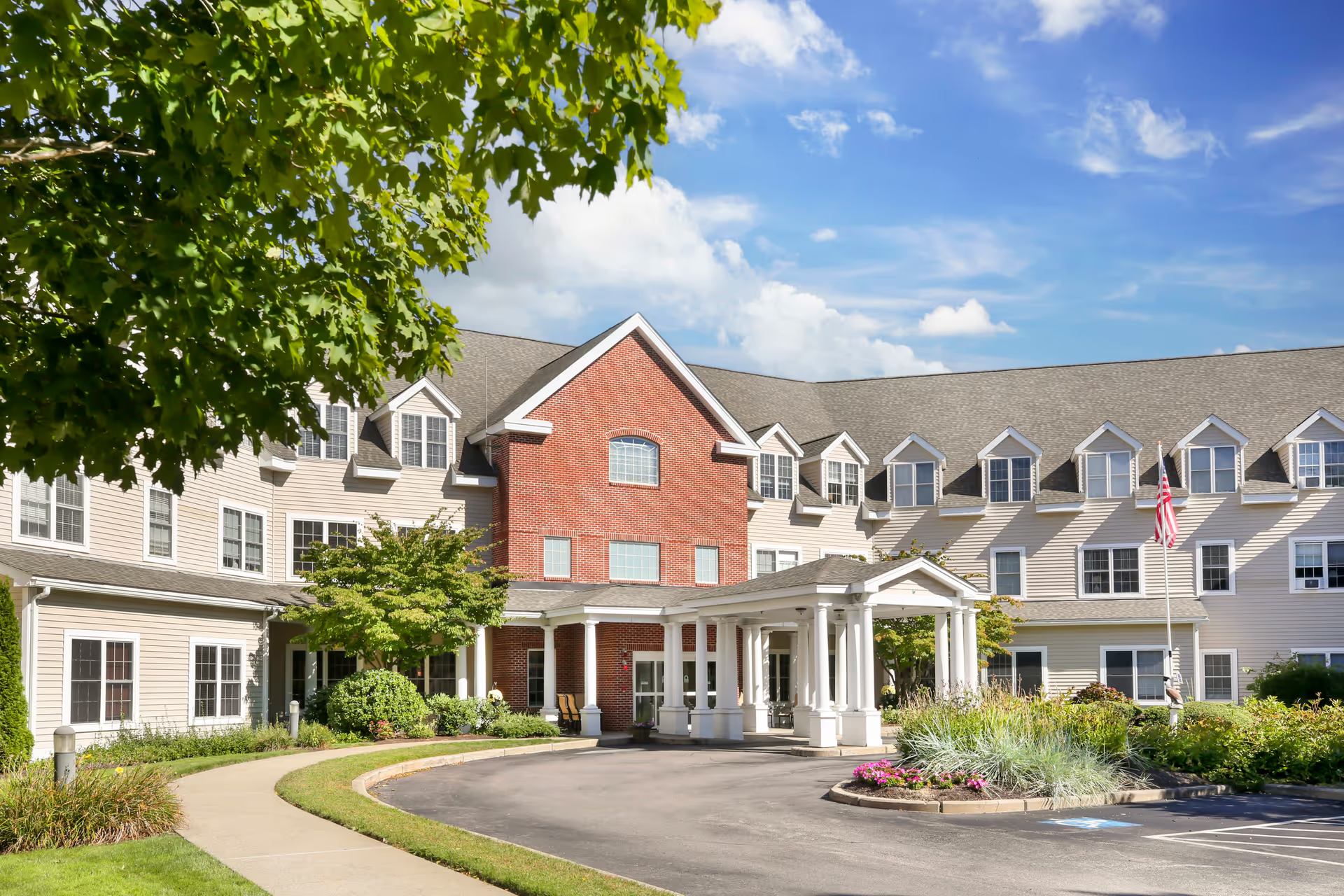
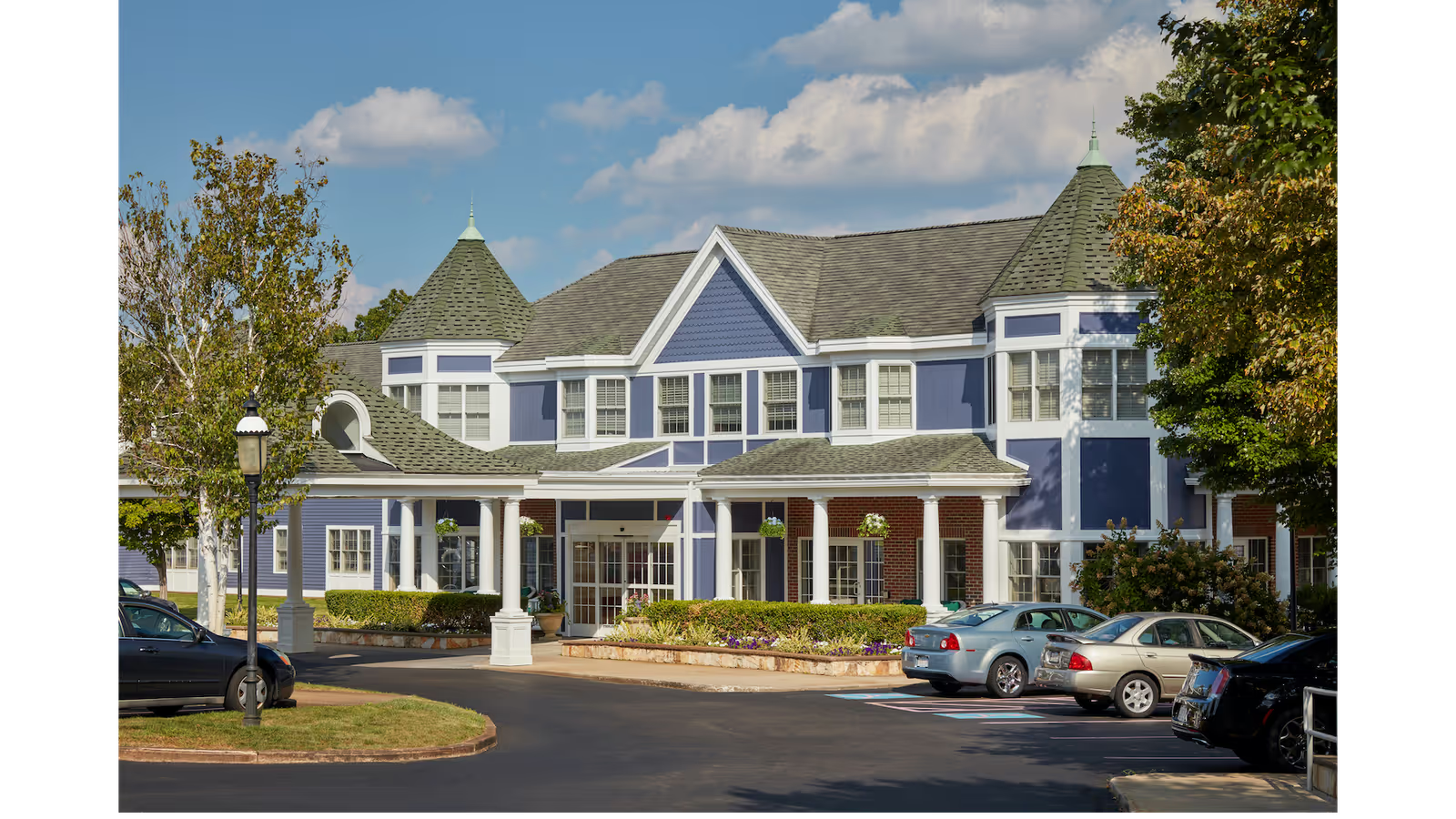
Facilities and logistics: Physical facilities are described as clean, orderly, and up‑to‑date in numerous reviews, with housekeeping and sanitation practices praised. A minority of comments cite comfort and maintenance issues such as temperature control or an appearance mismatch to expectations. Transportation and EMS/transport coordination are highlighted as reliable supports for care transitions.
Notable patterns and recommendations: Strengths lie in bedside interpersonal care, rehabilitation, case management, and facility cleanliness. Recurrent operational weaknesses include inconsistent management culture and conduct, variable family transparency, intermittent staffing or scheduling disruptions, and gaps in clinical oversight for certain complex medical needs. There are also concerns regarding restrictive policies affecting resident autonomy and family access that prospective families should clarify.
For prospective residents and families: talk with the facility about clinical oversight for wounds and fluid management, staffing ratios and turnover, dietary accommodation processes, visitation and outing policies, and how complaints or conduct concerns are escalated and resolved. Also ask to meet the therapy team and the assigned case manager so you can assess communication style and consistency prior to admission.