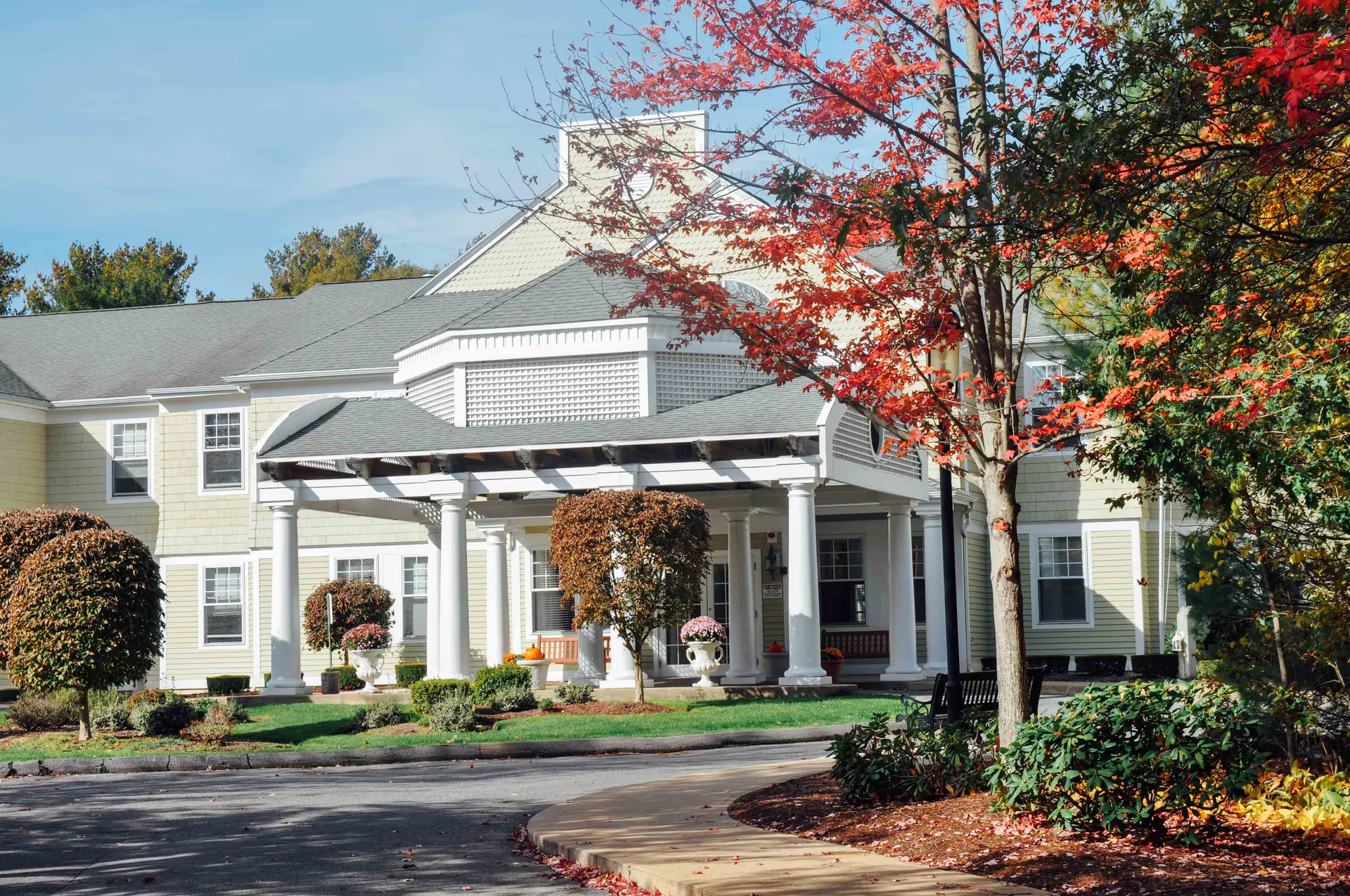
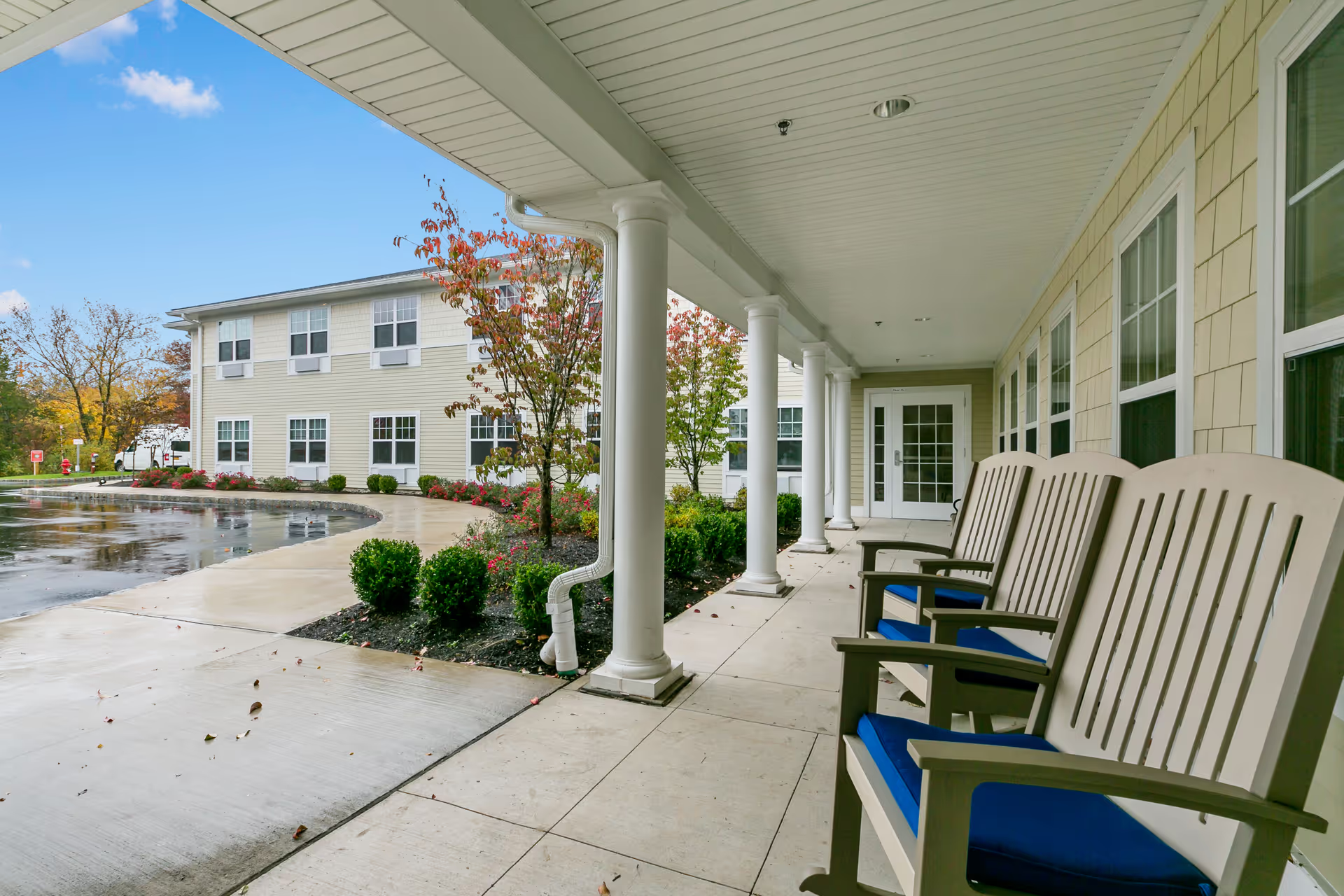
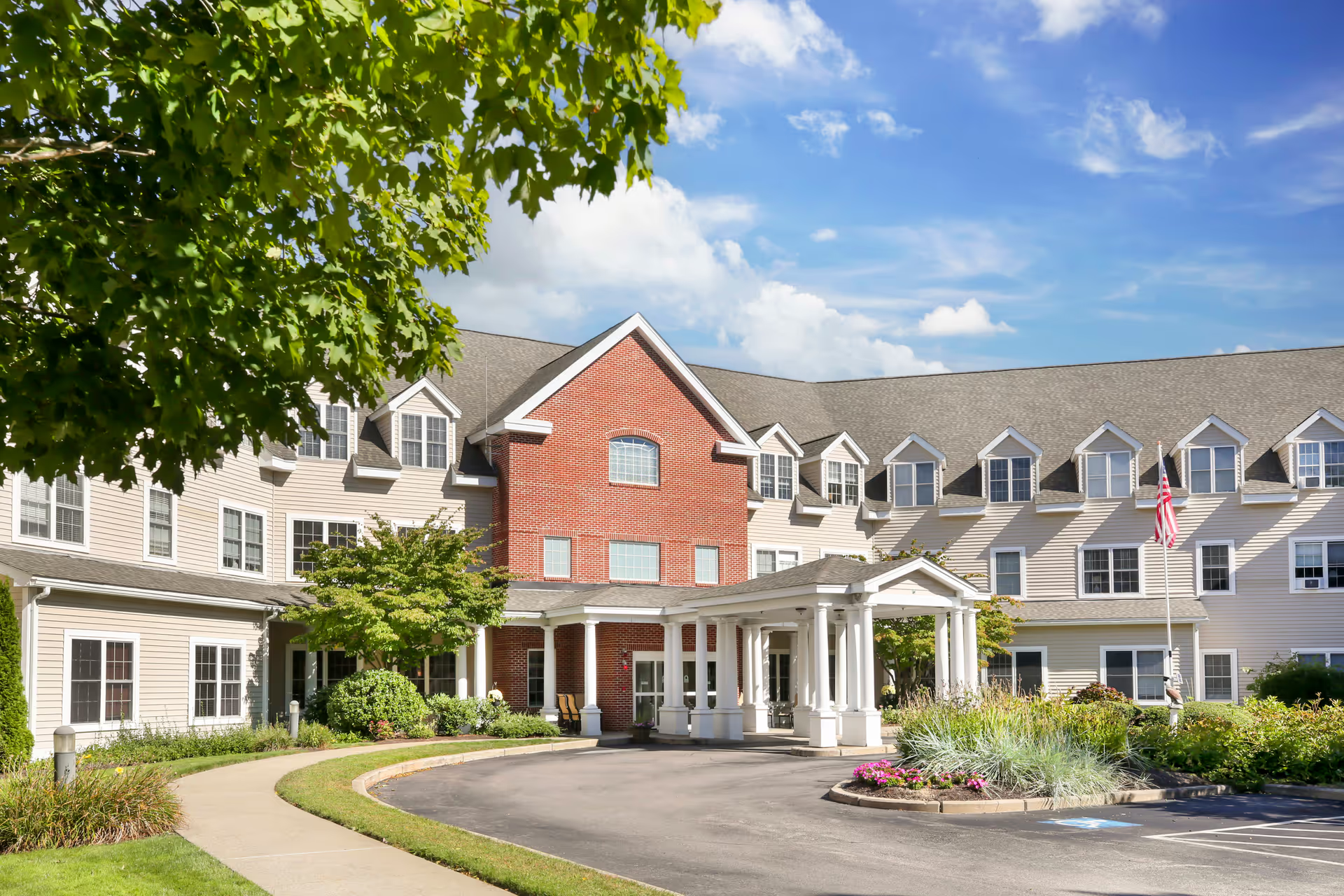
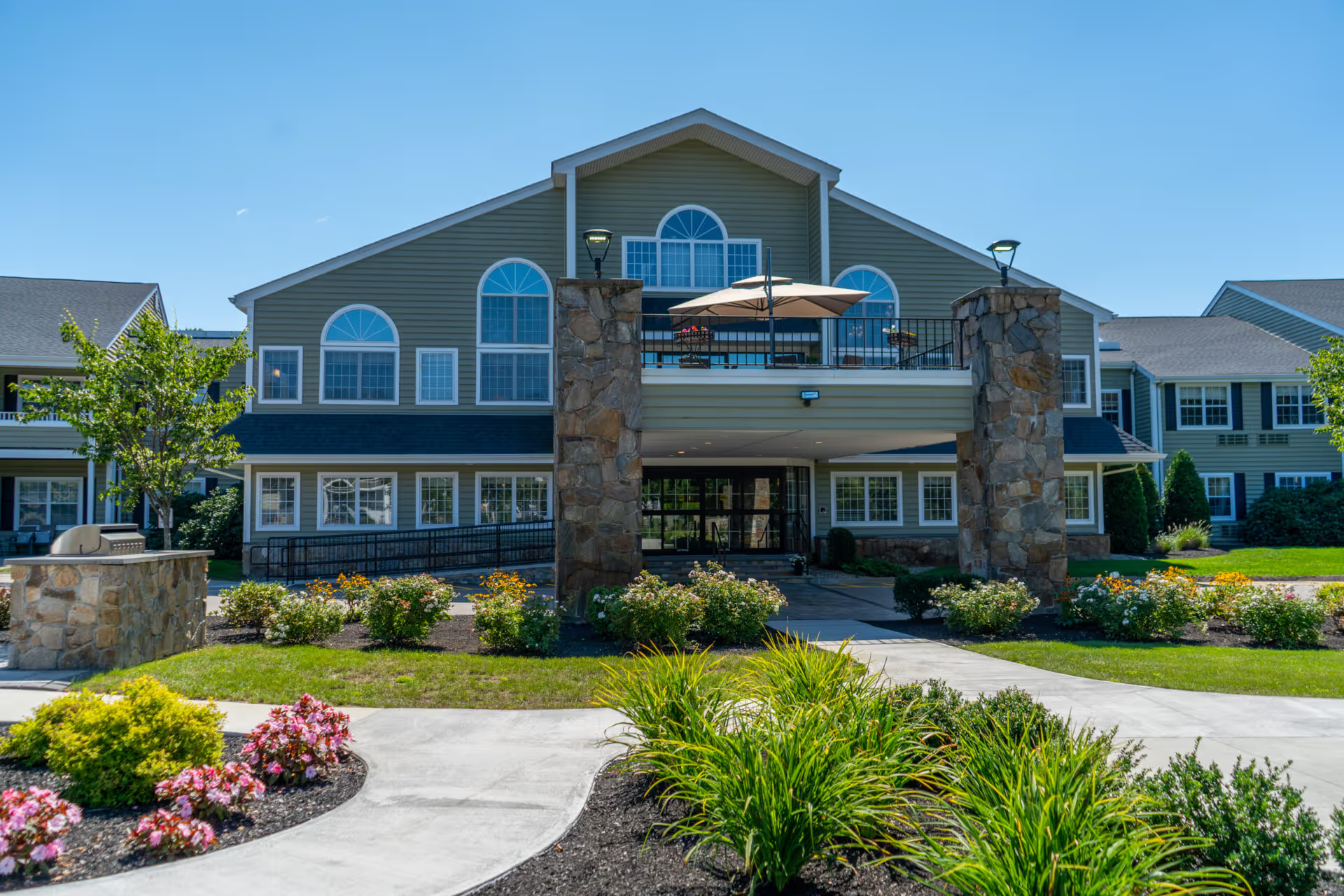
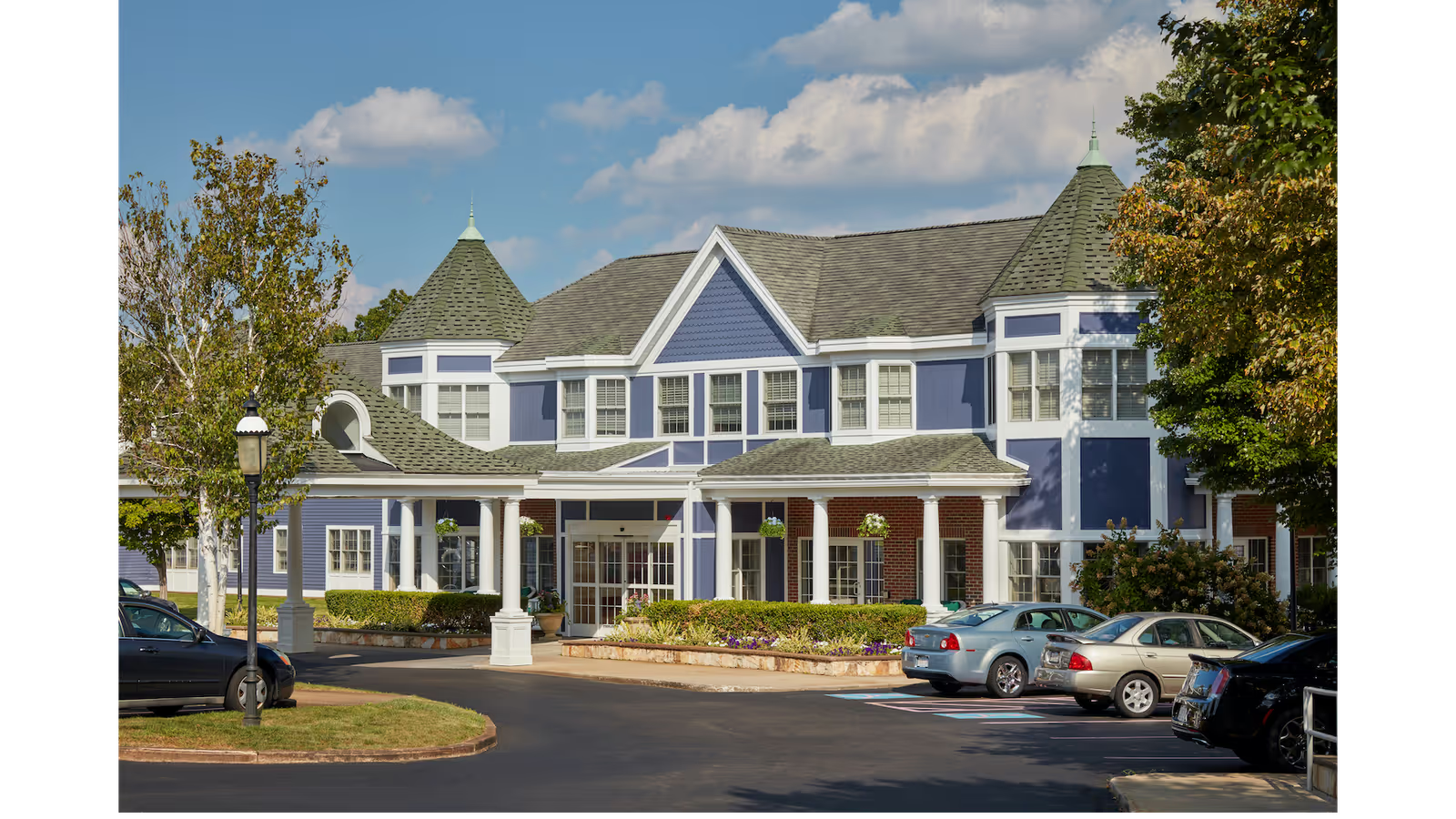
Longmeadow of Taunton elicits a wide range of experiences from families and residents. Strengths most consistently described include a clean, well-maintained physical environment and a strong rehabilitation program: occupational and physical therapy staff are often characterized as professional, motivated, and effective, with documented functional improvements for many patients. Nursing and CNA care receives frequent positive mention for attentiveness and familiarity with residents, and medication administration is described as reliable in many accounts. Dining services are generally viewed favorably — meals are described as ample, fresh (notably salads), and responsive to special requests, and the dining environment supports social interaction. The activities program is another consistent positive, with proactive activity directors who keep residents engaged and socially connected. Families also note comfortable, well-appointed rooms with in-room climate control and convenient nourishment stations, and that tours can be conducted without advance appointments.
At the same time, a number of reviews point to operational weaknesses and variability in experience. Several accounts describe delays in responding to acute clinical needs and inconsistency in personal-care delivery, which reviewers associated with staffing levels and shift coverage. Concerns about skin integrity and weight monitoring appear in some reports, indicating gaps in pressure-area care and nutritional oversight for specific residents. Communication weaknesses recur in admissions and family coordination — examples include incorrect contact information, missed calls, and poorly coordinated handoffs — producing avoidable distress for families during transitions.
Reviewer remarks also highlight variability in staff professionalism and team dynamics. While many families praise compassionate front-line caregivers and supportive social-work assistance, others describe abrasive communication styles or leadership behavior that they perceived as prioritizing financial considerations over resident-centered care. These management-related concerns are described as uneven, with some families finding administrators responsive and helpful and others reporting poor coordination or dismissive interactions. Operational details such as laundry organization and the regularity of certain therapies or activities were also reported as inconsistent for some residents.
For prospective residents and families, the pattern that emerges is one of pronounced variability: the facility offers notable clinical and rehabilitative strengths and a clean, comfortable environment, but outcomes appear sensitive to staffing patterns, individual caregiver teams, and specific managerial interactions. Families prioritizing intensive rehab, engaging activities, and a well-kept environment may find Longmeadow meets their needs; those most concerned about consistent personal-care routines, communication during admission and care transitions, or close oversight of skin and nutrition issues should raise these topics explicitly during tours and care-planning discussions, request recent staffing and therapy schedules, and identify a point of contact for timely updates.