Overall impression: Reviews convey a mixed but coherent picture. Many accounts praise the frontline caregivers—nurses and aides are frequently described as compassionate, experienced, and willing to go beyond routine duties to support residents and families. The facility is commonly characterized as clean and well maintained, with an active social environment and respectful, family‑oriented resident interactions.
Care and staff: Care quality appears to be a major strength at the point of contact. Reviewers emphasize compassionate hands‑on care, long‑tenured caregivers, and staff who provide emotional support during difficult episodes. At the same time, several comments point to uneven professionalism and responsiveness across shifts or teams. That pattern suggests reliable, high‑quality care from some staff members alongside lapses in consistency that prospective families should explore when touring the community.
Dining and activities: There is limited direct information about dining quality in these summaries. Activities and social life are described positively: the community is said to provide a social, engaging environment that contributes to residents' well‑being. Prospective residents should request current activity calendars and sample menus to confirm fit and consistency.
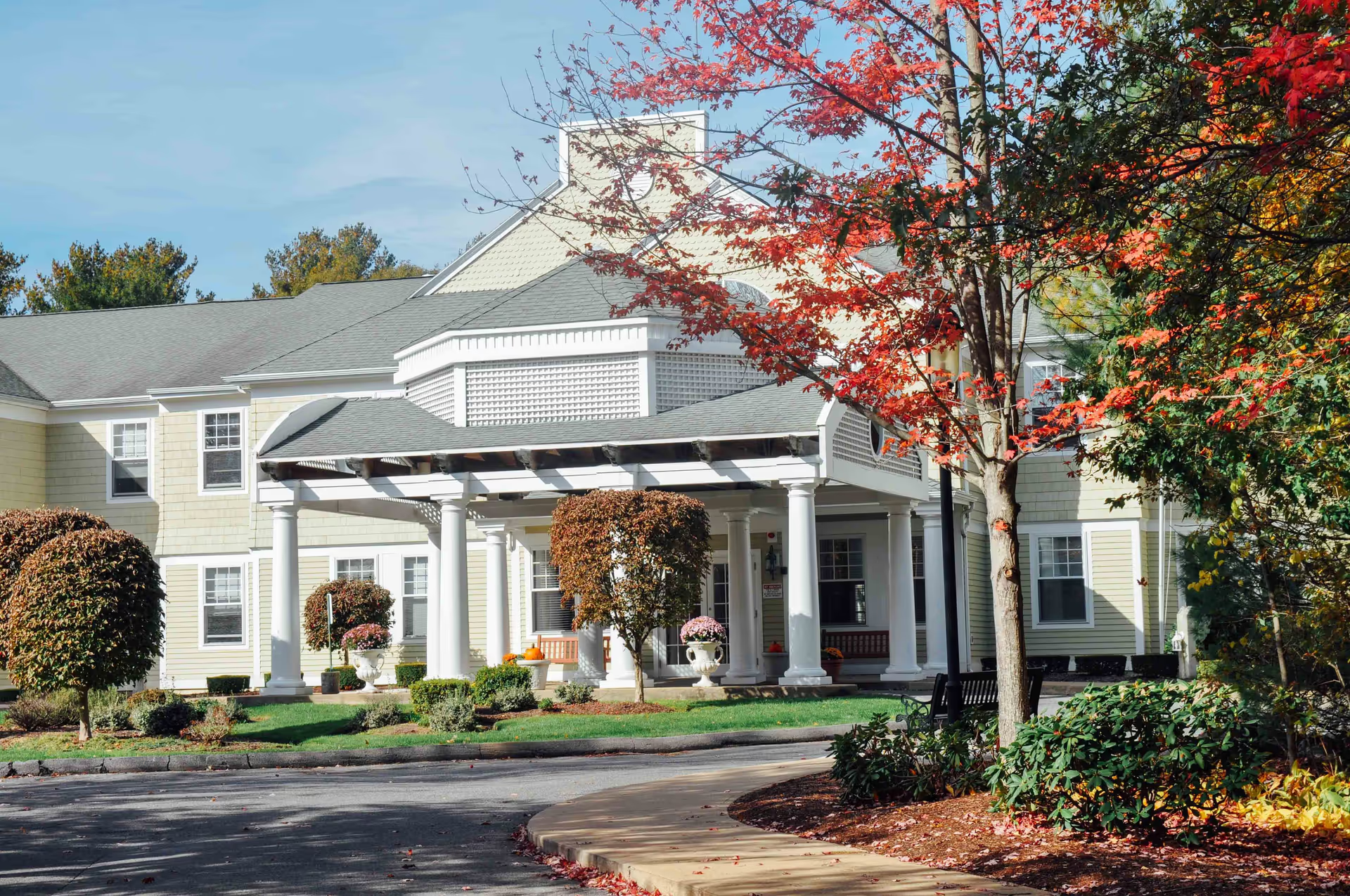
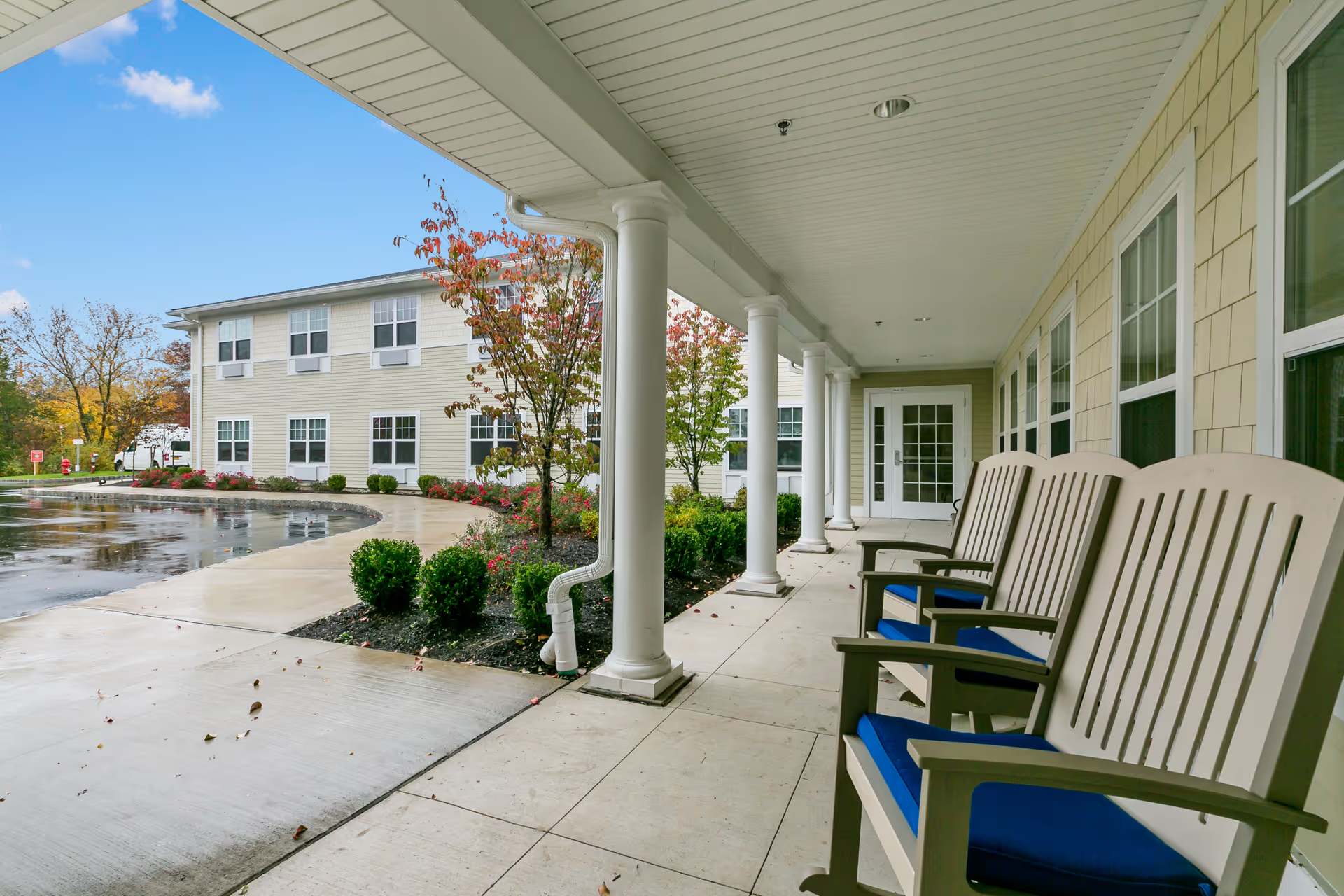
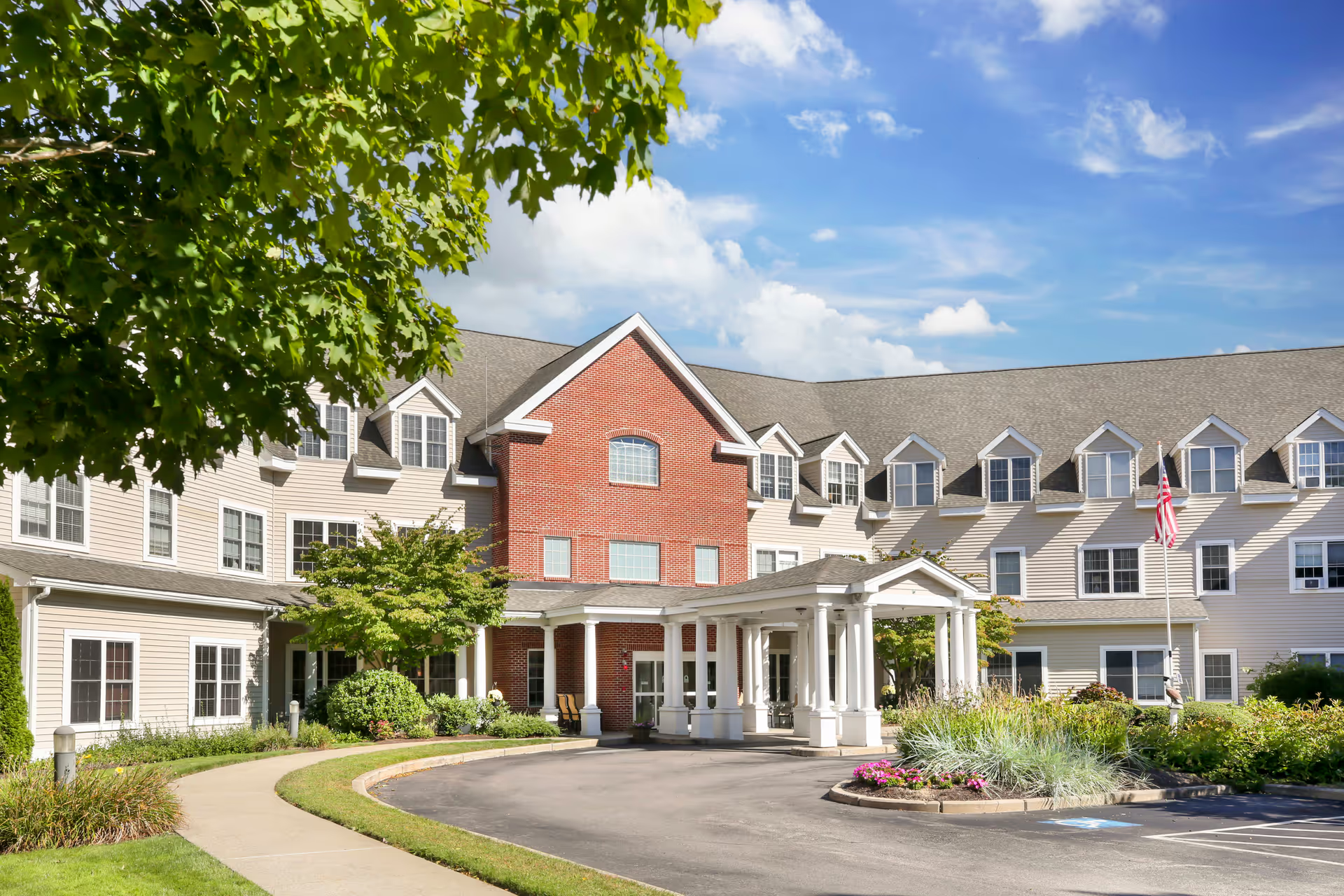
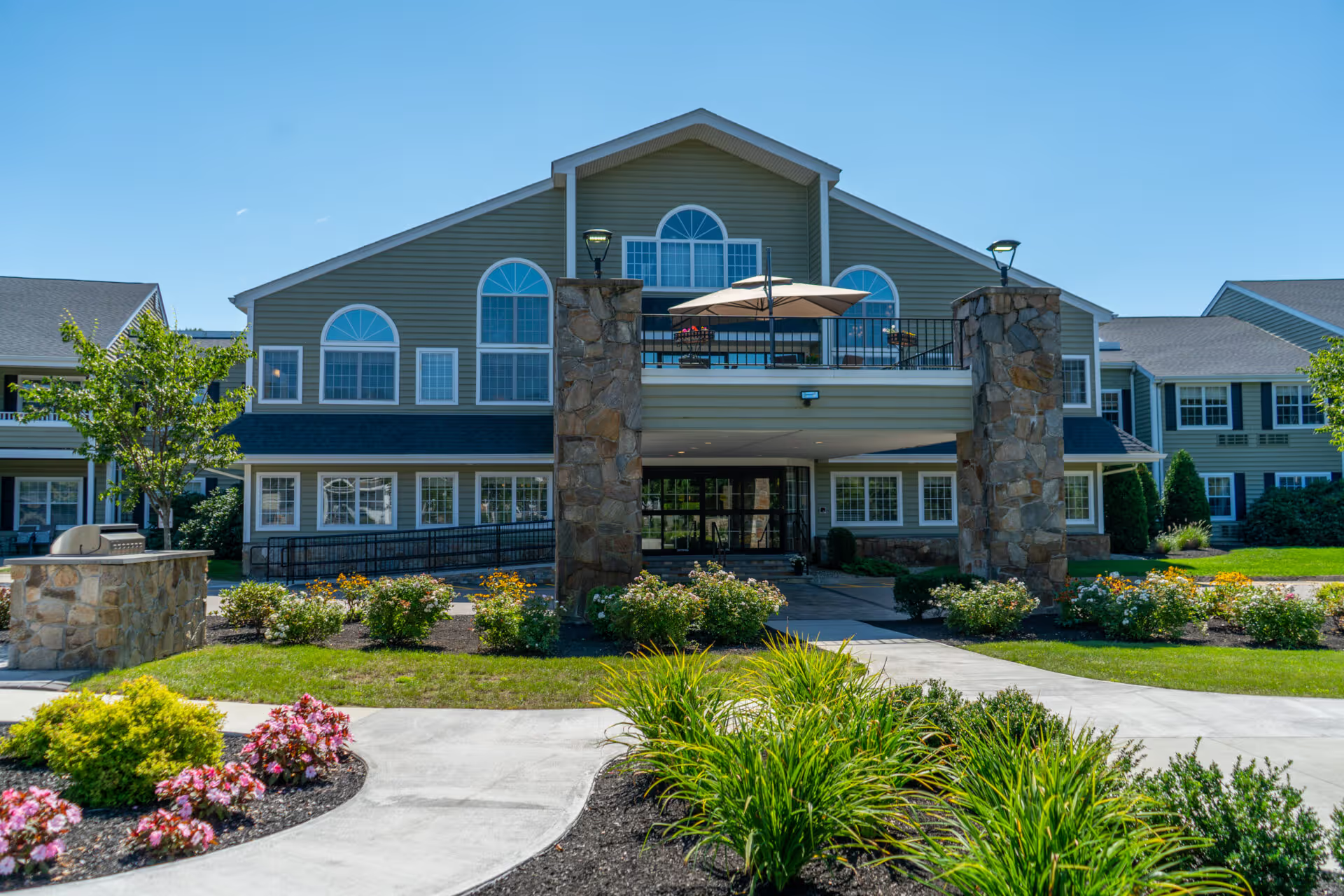
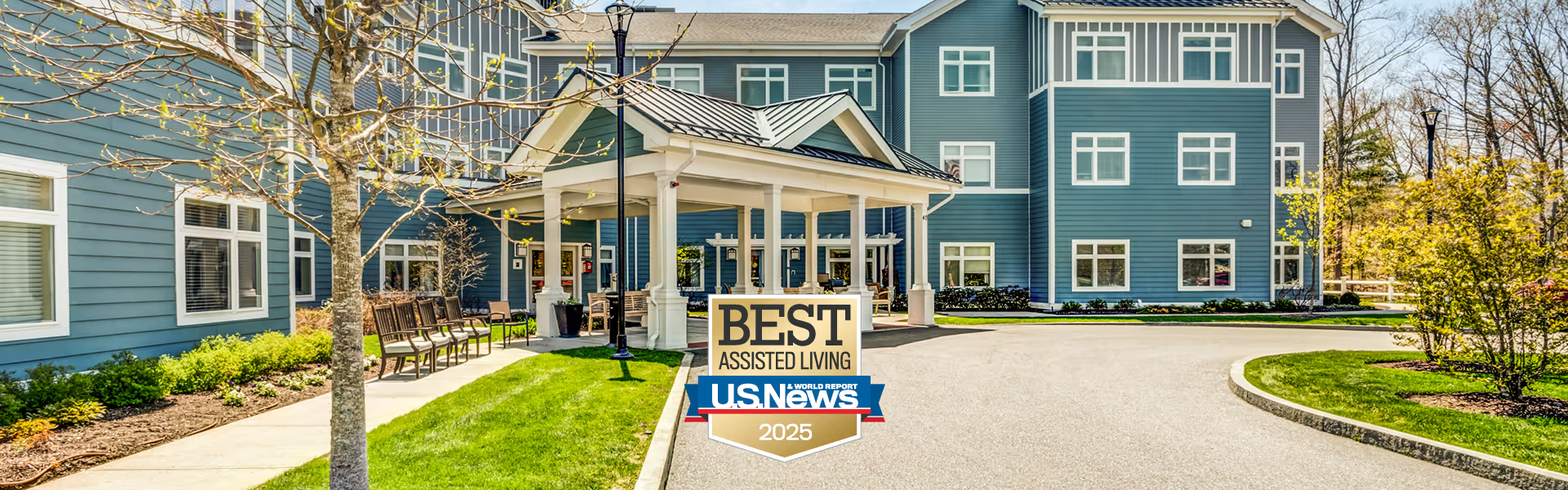
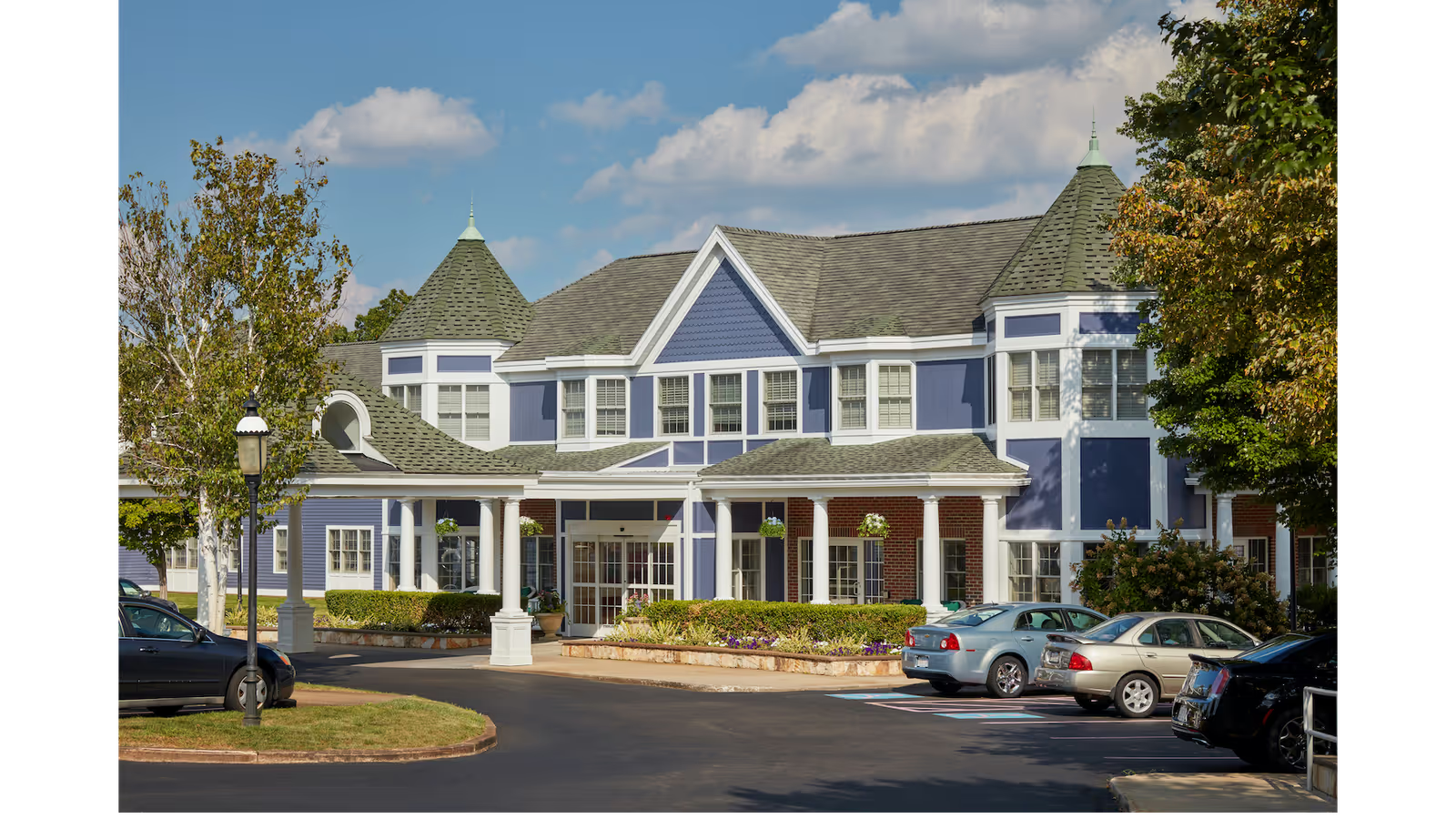
Facilities and cleanliness: The facility is repeatedly described as very clean and well maintained. These observations imply effective housekeeping and an orderly physical environment. If specific accessibility or building‑condition concerns are important, visitors should inspect rooms, common areas, and outdoor paths during a visit.
Management and policies: The most consistent concerns relate to management and operational oversight. Reviewers express perceptions that leadership emphasizes budgetary considerations and does not always provide consistent support to frontline staff. There are also notes about unclear or inconsistently applied visitation/property rules and uneven enforcement of policies. These are facility‑level governance issues—not individual caregiver performance—that can affect resident experience and family interactions.
Notable patterns and recommendations: The dominant pattern is a clear distinction between praised frontline caregiving and criticized managerial oversight. Families who value hands‑on compassion and a social, well‑kept setting will likely find strengths here, but they should probe staffing stability, supervisory practices, and facility policies during a visit. Recommended questions include inquiries about staffing ratios, staff turnover, training and supervision procedures, policy enforcement (including visitor/property rules), and how management addresses family concerns. Direct observation of multiple shifts and conversations with both care staff and administrators will help clarify whether the facility’s positive caregiving culture is consistently supported by leadership.