Experiences at the facility vary substantially. Reviews refer to it under the names Wingate, Vantage Health and Rehab of Wilbraham, and Hampden Post Acute, and several describe changes following a transition in ownership. Some recent accounts praise improvements and renovations, while other accounts—across different periods—describe serious concerns. The range of impressions suggests that care and conditions may differ by unit, shift, and time; families should assess current operations directly.
Positive accounts highlight warm, attentive staff, respectful interactions, and helpful support from nursing, therapy, social work, reception, and administration. Families and former patients describe gains in walking and strength through physical and occupational therapy, and some report that staff helped coordinate insurance matters, home-care services, and discharge plans. Long-term care and end-of-life experiences are also described positively. Other accounts, however, describe staffing shortages, delayed responses to requests, inconsistent personal care, and concerns about staff tone and professionalism. Several families say their questions or complaints did not receive timely follow-up.
Clinical care is another area of mixed feedback. Some families describe capable nursing care and effective rehabilitation, while others raise concerns about delayed assessment of symptoms, pain management, medication handling, dementia-related support, and safety monitoring. Families also describe transportation and appointment-coordination problems. Some accounts raise serious concerns following a resident's death, including perceived delays in responding to care needs or monitoring fall risks; the reviews alone cannot establish the causes of those outcomes. One family raised an allegation involving physical restraint and a medication-list omission during a transfer. These accounts warrant direct questions about clinical escalation procedures, medication checks, fall prevention, and how family concerns are documented and resolved.
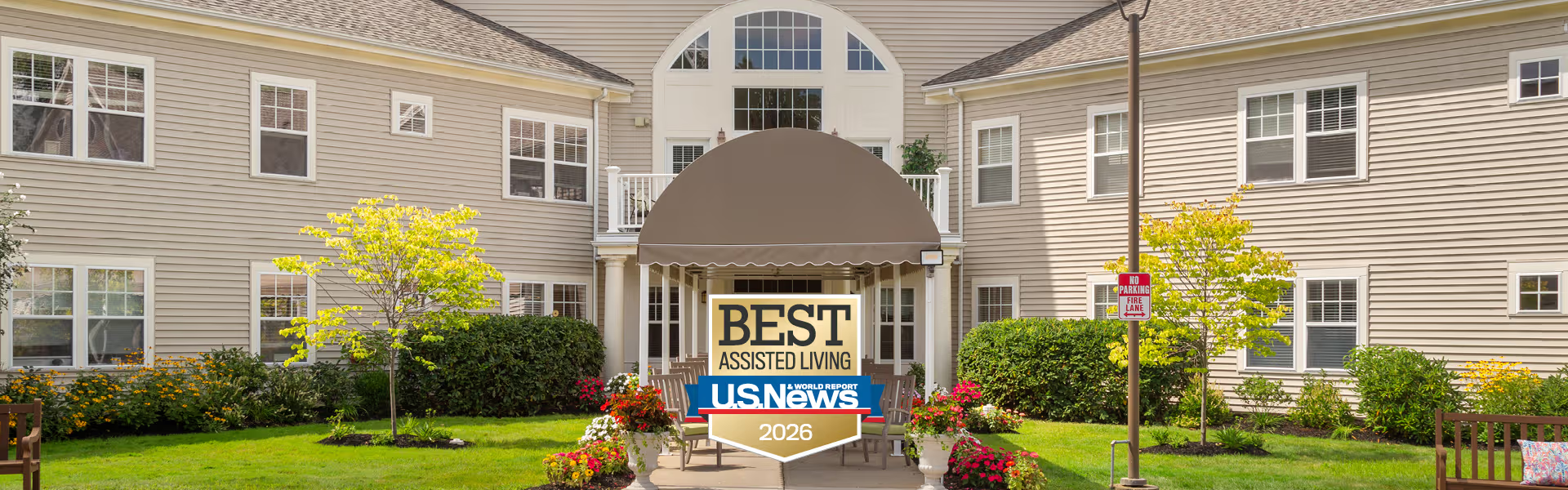
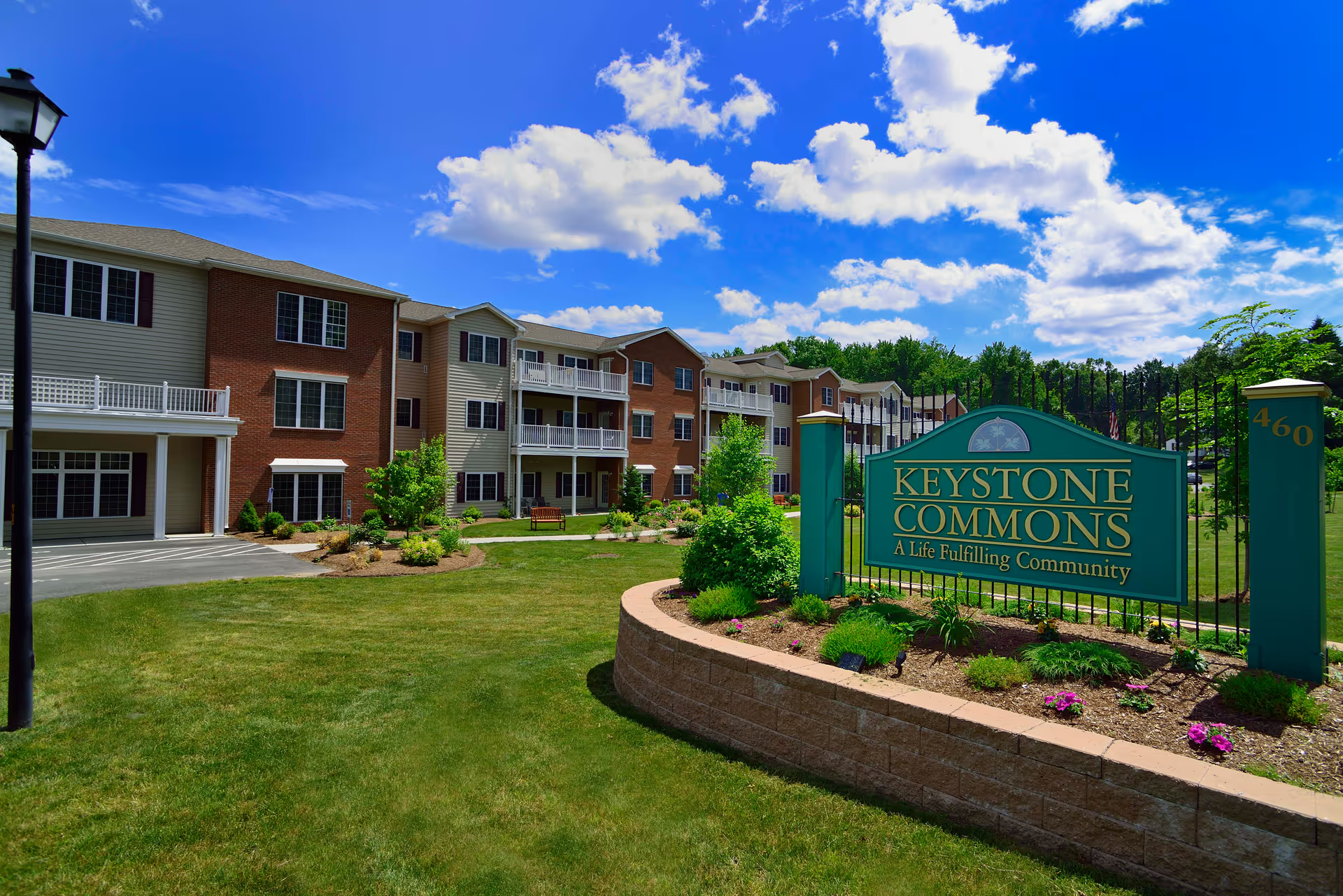
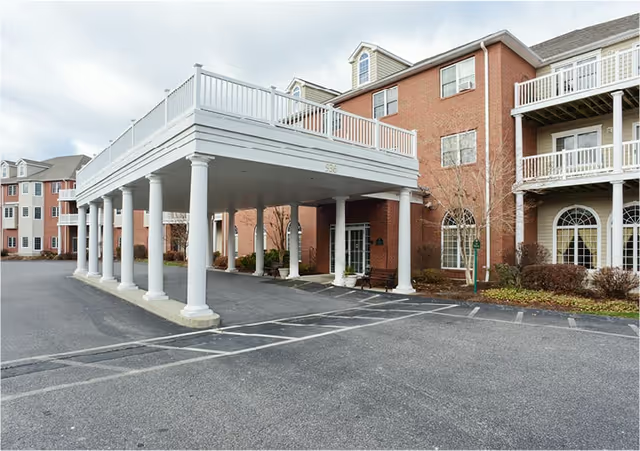
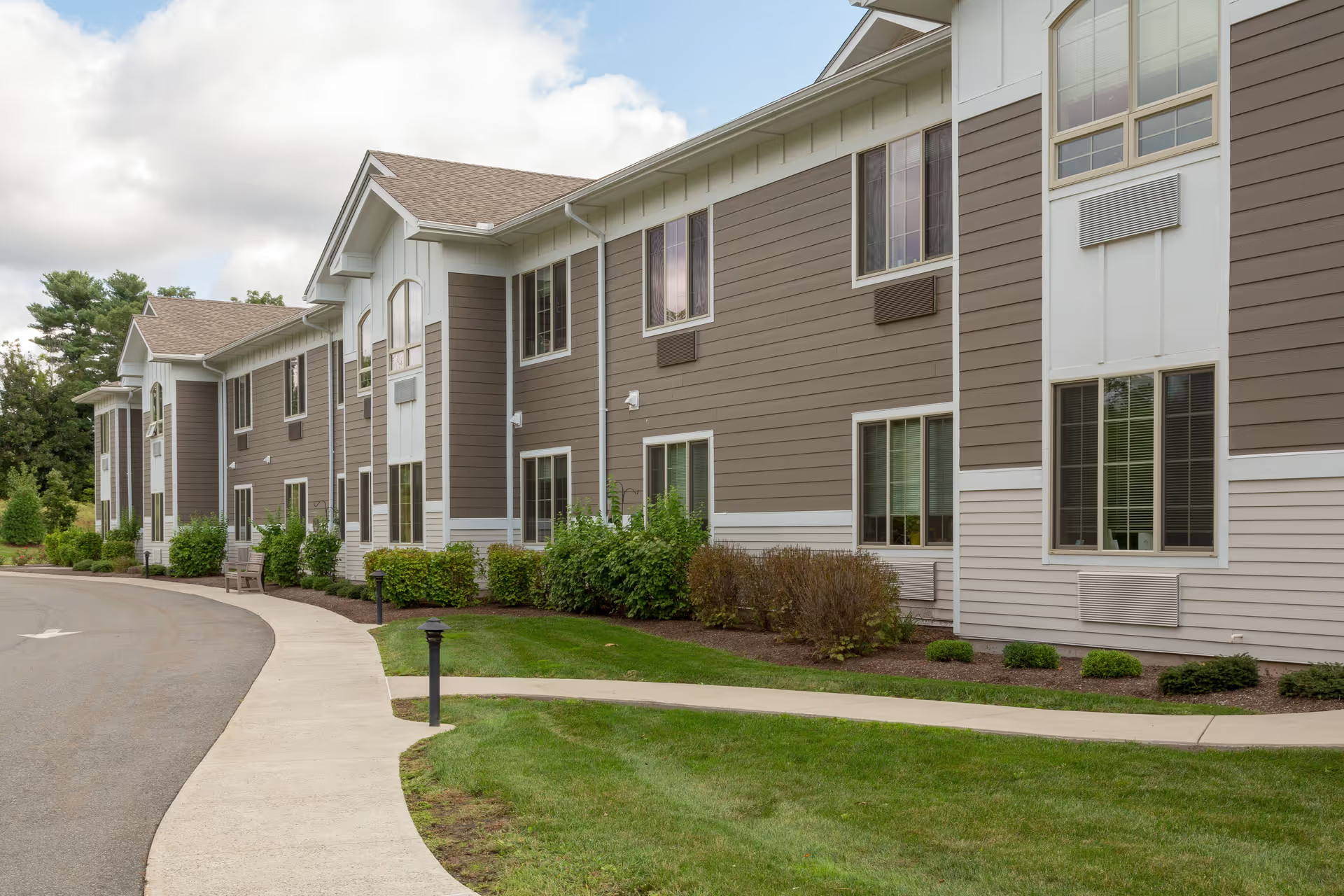
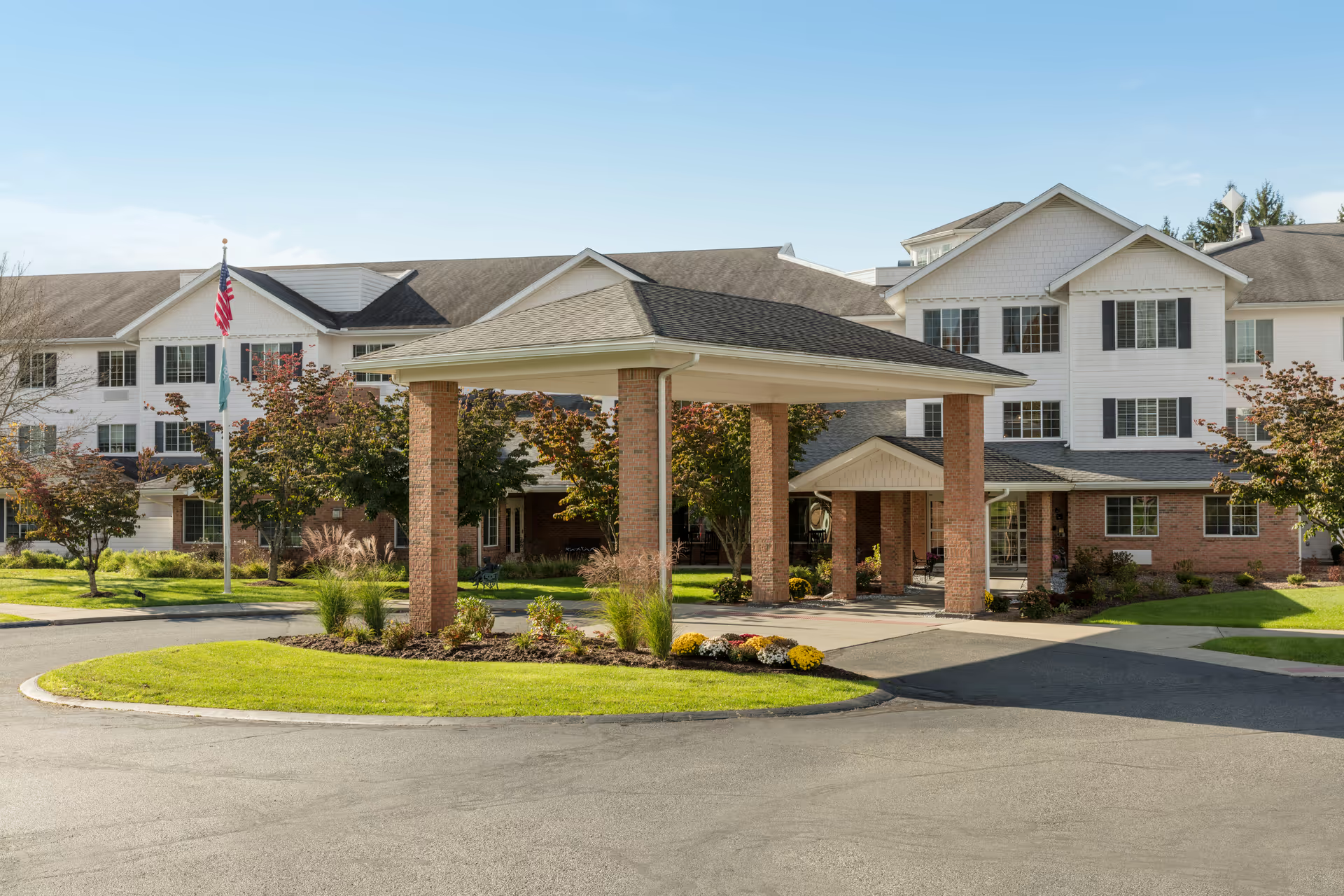
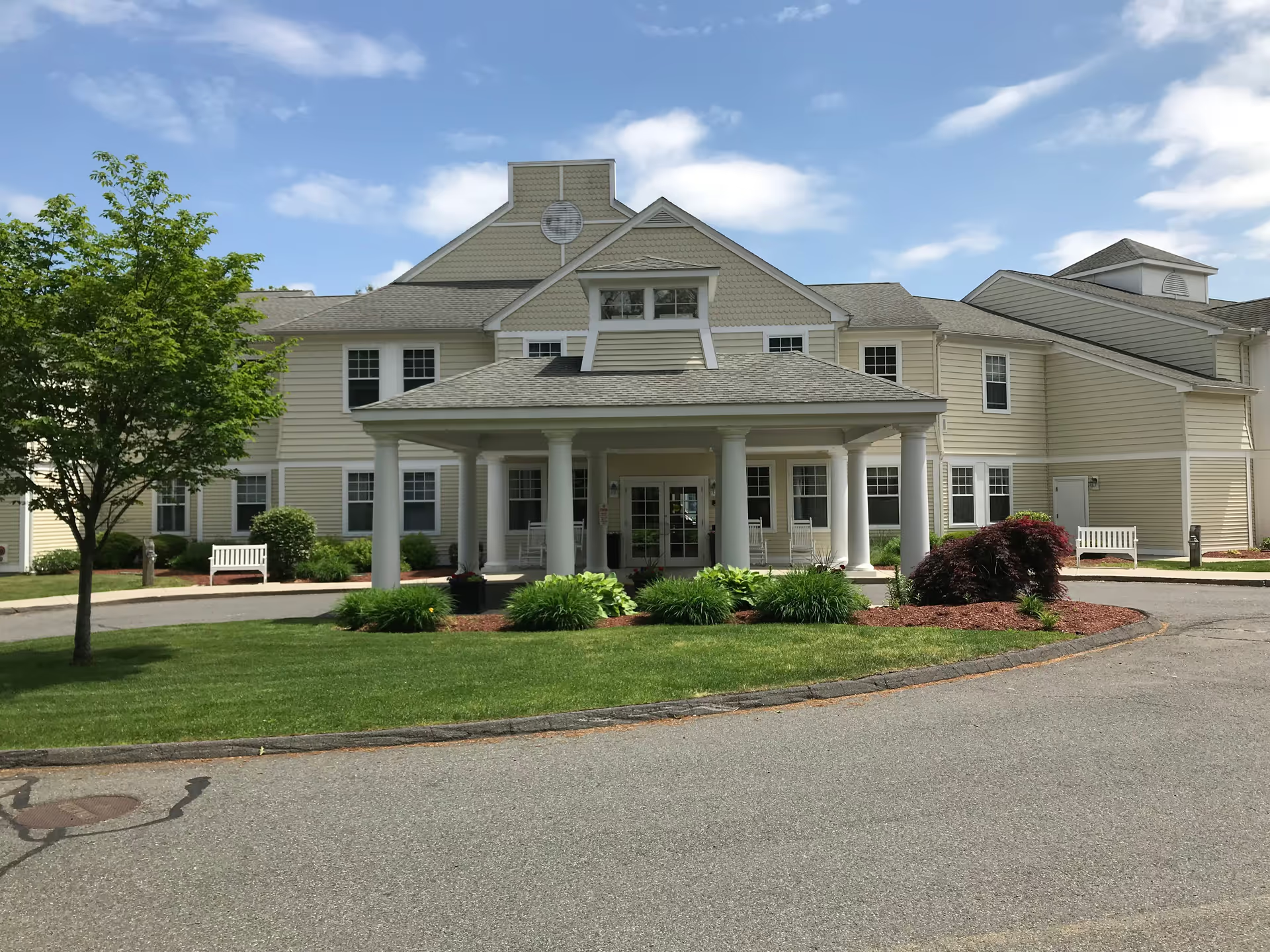
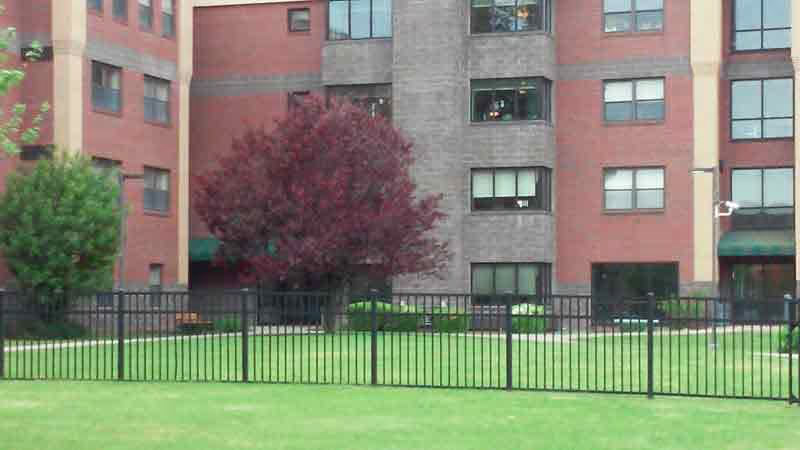
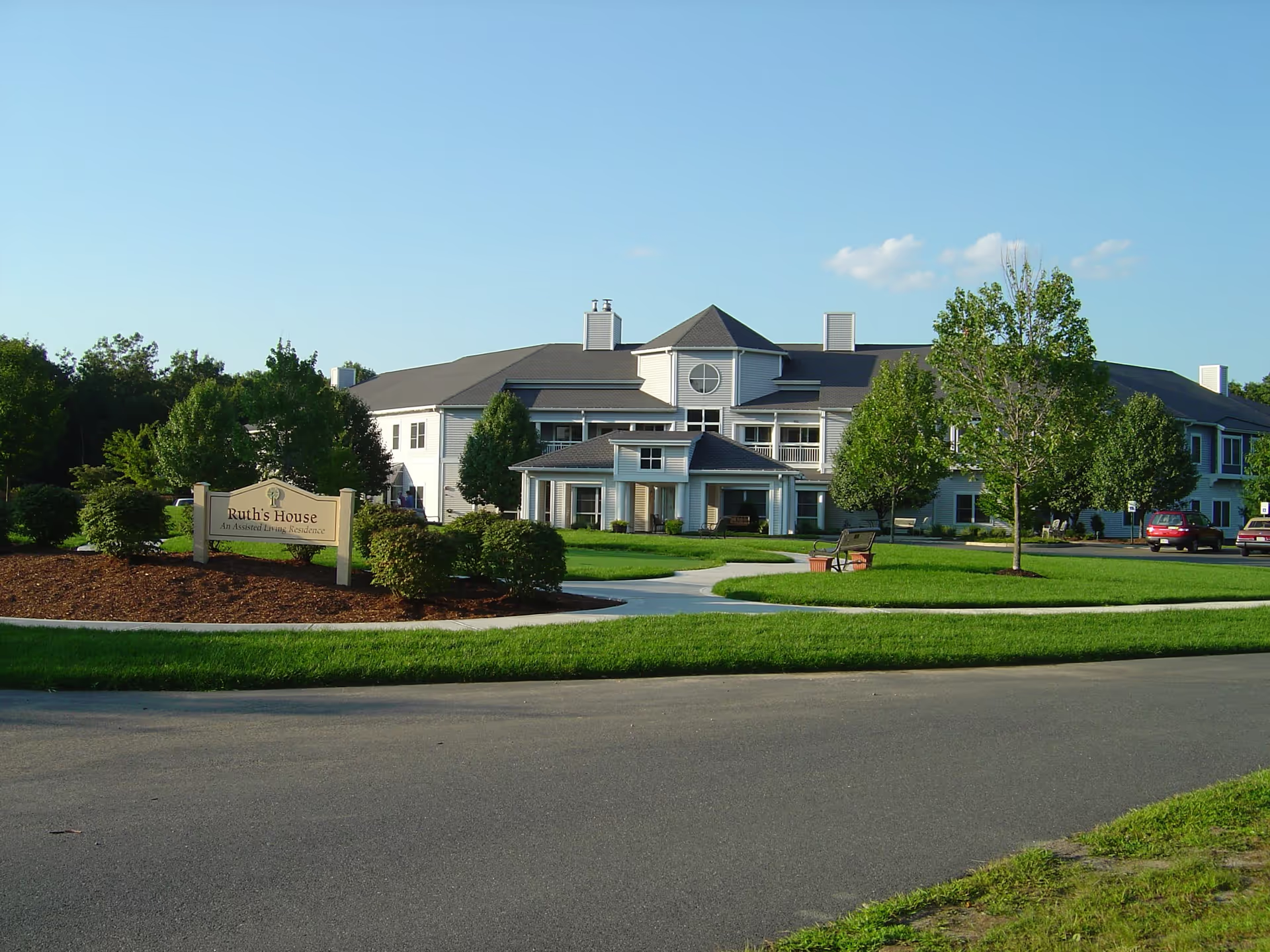
Dining feedback is inconsistent: some residents and families describe meals as flavorful or satisfactory, while others cite cold food, incomplete trays, or limited quality. Activities receive little detailed discussion, though one account questions program coordination and resident engagement. Facility observations also differ. Some visitors describe clean rooms and common areas, and recent accounts note renovations and a pleasant garden setting; others describe odor and sanitation concerns, restroom-maintenance problems, and aging or poorly maintained interiors. The exterior, parking, and some building features are also described as worn.
Management and communication are praised in some accounts for accessibility, responsiveness, and practical family support, while other families describe unreturned calls or unresolved concerns. One reviewer cited low public quality and staffing ratings, though the review set does not establish whether those ratings are current or applicable. Prospective residents and families may wish to tour the relevant unit, observe staffing and cleanliness at different times, ask about call-light response and clinical follow-up procedures, and confirm how therapy, transportation, meals, and family communication are handled.