Overall impression: Reviews describe a facility with a strong core of compassionate, professional staff and an active rehabilitative program, juxtaposed with operational weaknesses that have led to serious clinical and service gaps for some residents. Families praise individual caregivers, therapists, and the administrator for professionalism, responsiveness, and a home-like atmosphere. At the same time, multiple operational issues recur across reviews and have affected clinical outcomes and family confidence.
Care quality and clinical issues: Clinical experiences are mixed. Several accounts reference advanced pressure-related wounds and wound infections (including organisms identified in clinical culture) and concerns about the effectiveness and timeliness of wound care and pain control. There are also mentions of elevated laboratory values and hospital or hospice transitions following acute events. Positive accounts highlight skilled therapy teams and successful rehabilitative outcomes; negative accounts emphasize inconsistent medication administration, delays in addressing pain or clinical changes, and gaps in monitoring that contributed to emergency transfers.
Staff and management: Staff are a clear strength in many narratives — described as kind, attentive, and professional, with some families noting strong leadership from administration. Volunteer engagement, particularly from student volunteers, is seen as a valued supplement to care. However, operational leadership appears constrained by resource issues: understaffing and funding limitations are suggested as root causes of delayed responses, missed care tasks, and inconsistent training or oversight in clinical processes.
Dining and daily operations: Dining experiences vary. Positive feedback notes accommodating, home-like dining; negative feedback cites limited menu options, missed meals, and inconsistent meal-service continuity. Housekeeping and room-level sanitation are described positively by some but flagged as problematic by others, with cleanliness concerns and water-access or aide-response issues affecting resident comfort and safety in certain instances.
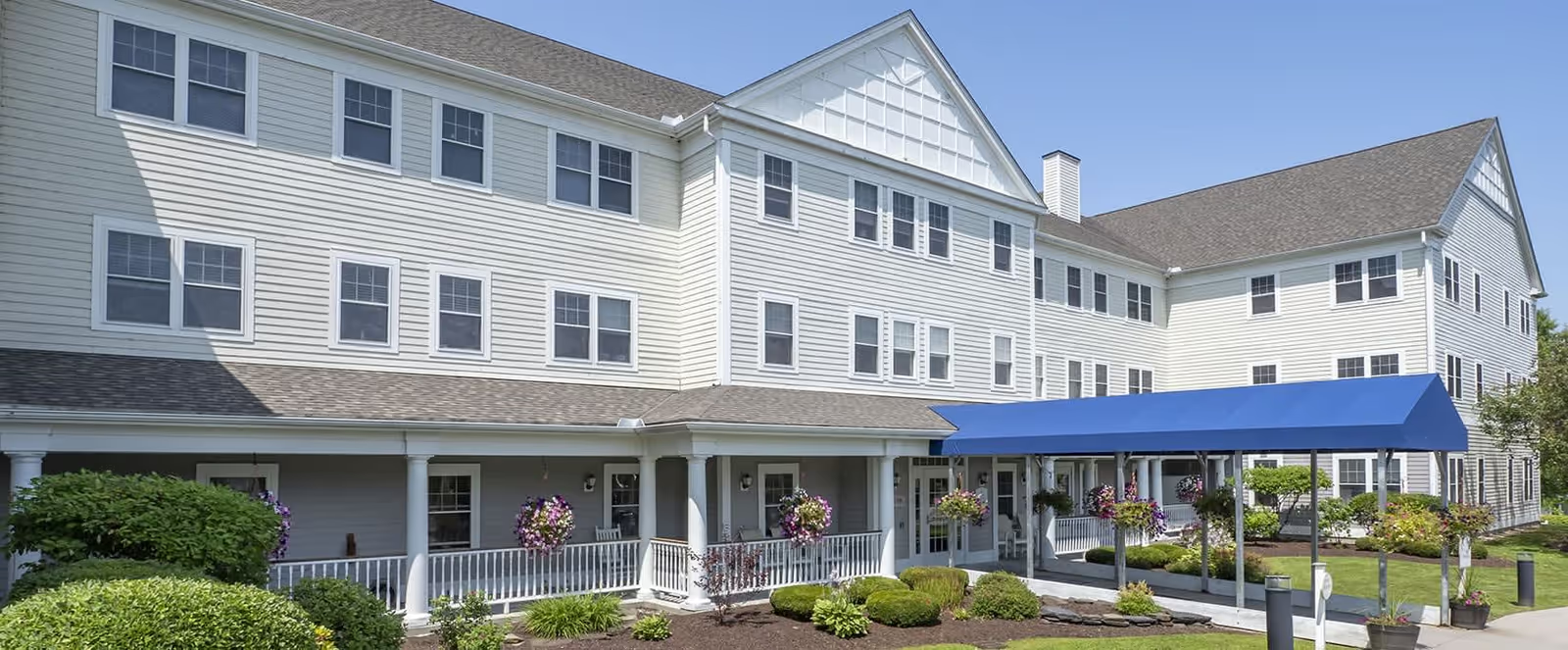
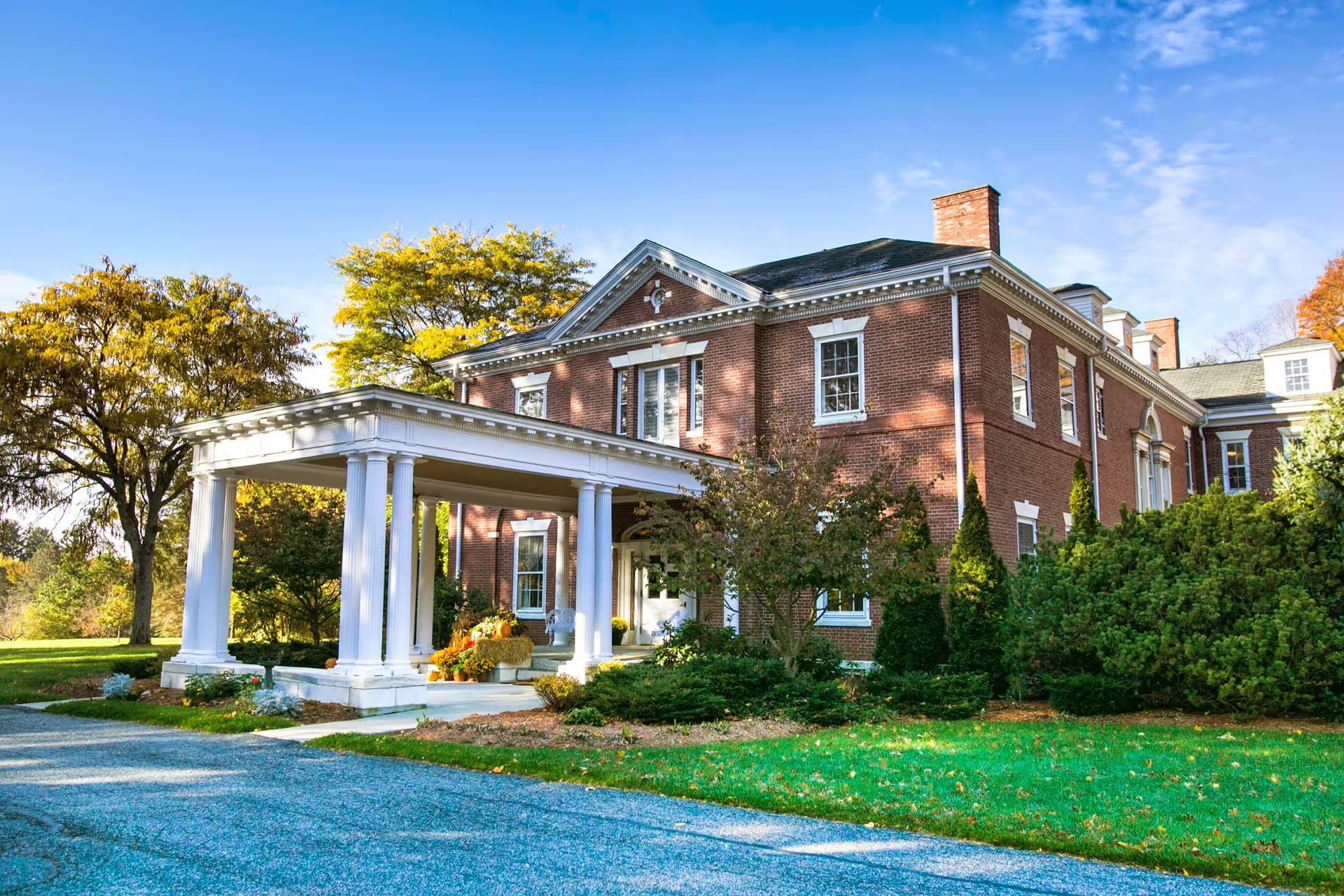
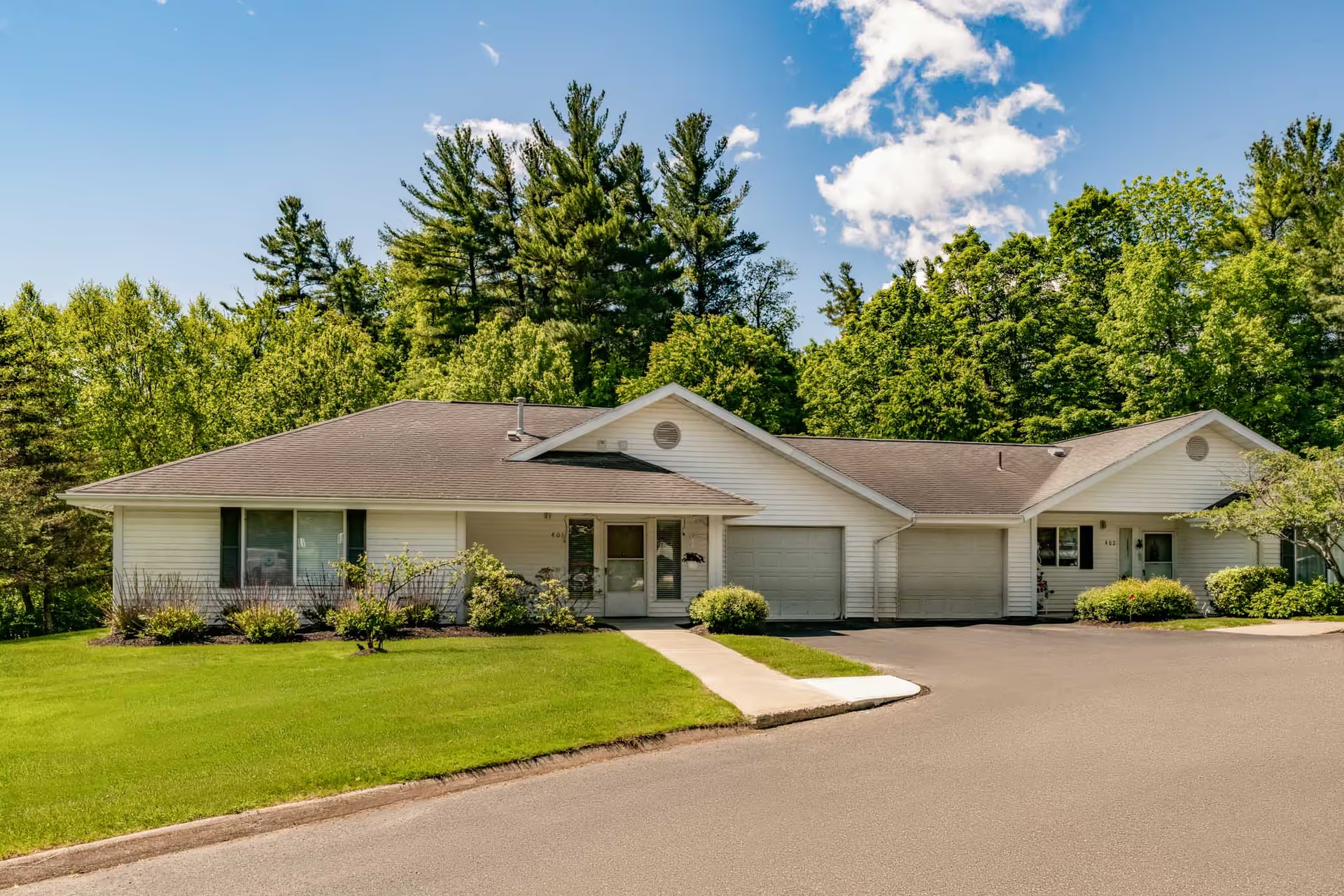
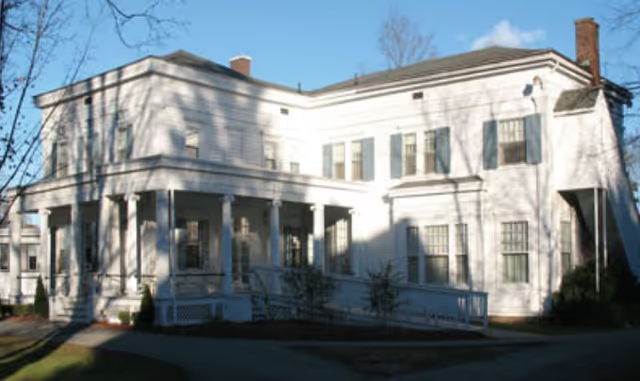
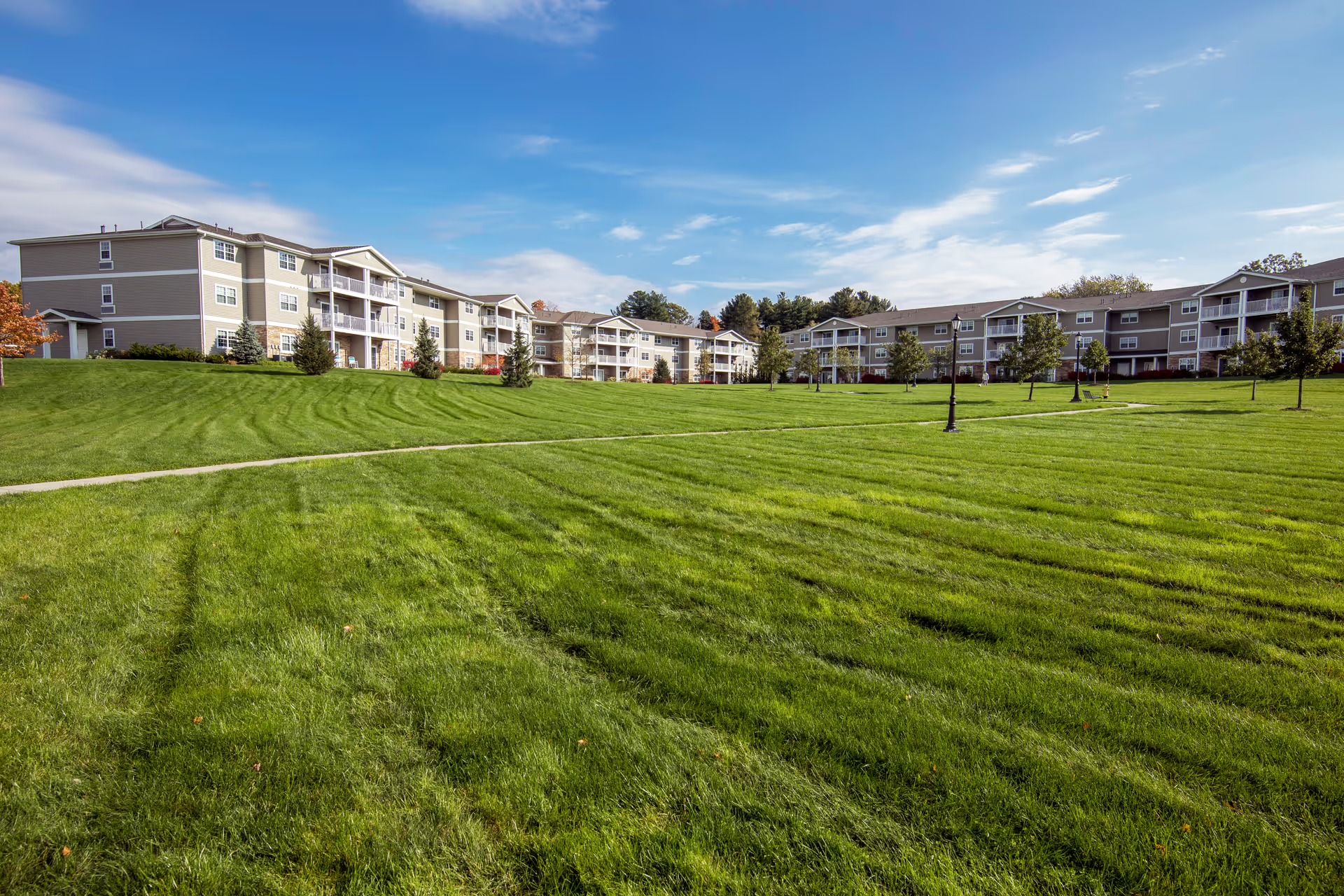
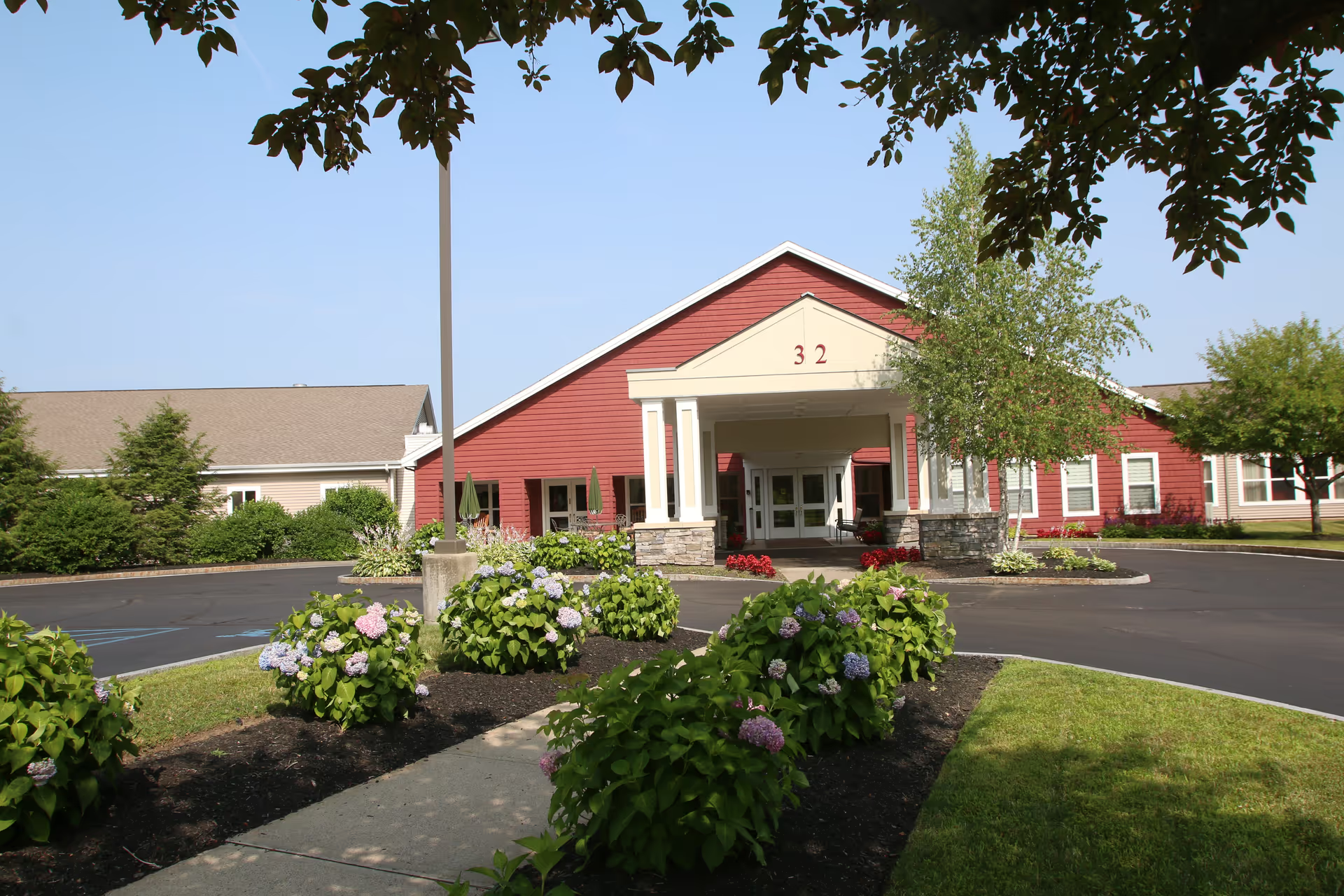
Activities and environment: The facility's activities program and social offerings receive favorable comments; residents are described as engaged and content in multiple reports. Physical accommodations and the overall atmosphere are frequently characterized as homelike and comfortable, contributing to resident satisfaction when clinical needs are met.
Notable patterns and family considerations: The narrative across reviews is polarized — many families praise staff and therapy outcomes, while others report operational failures that had significant consequences. Common threads are understaffing, inconsistent clinical protocols (medication administration, pain management, wound care), communication breakdowns during transfers, and meal-service reliability. Prospective families should inquire about current staffing ratios, wound-care capabilities, infection-control practices, medication-administration policies, fall-prevention protocols, meal-service consistency, and recent inspection or quality reports to assess whether the operational concerns have been addressed.
In sum: Williamstown Commons appears to offer strong interpersonal care and capable rehabilitation services for many residents, supported by engaged staff and volunteers. However, persistent operational weaknesses — particularly around staffing, clinical monitoring, infection and wound management, and communication during transitions — have resulted in variable experiences and, in some cases, serious clinical escalations. The facility may be a good fit when its clinical systems are verified and adequate staffing is confirmed; families should perform targeted due diligence on the operational areas noted above before making decisions.