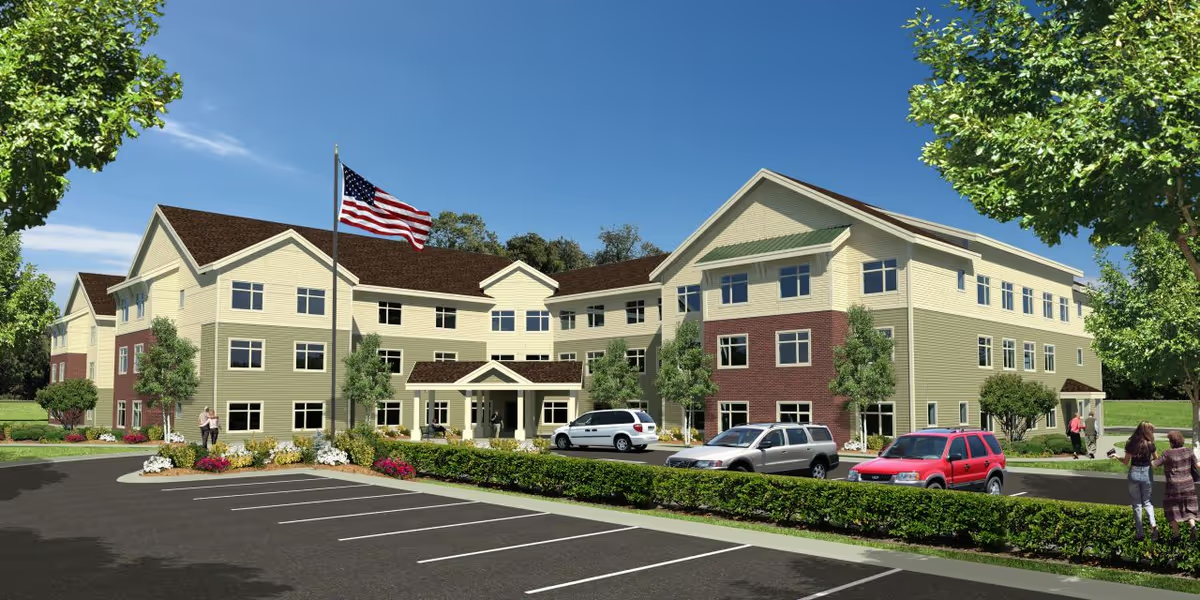
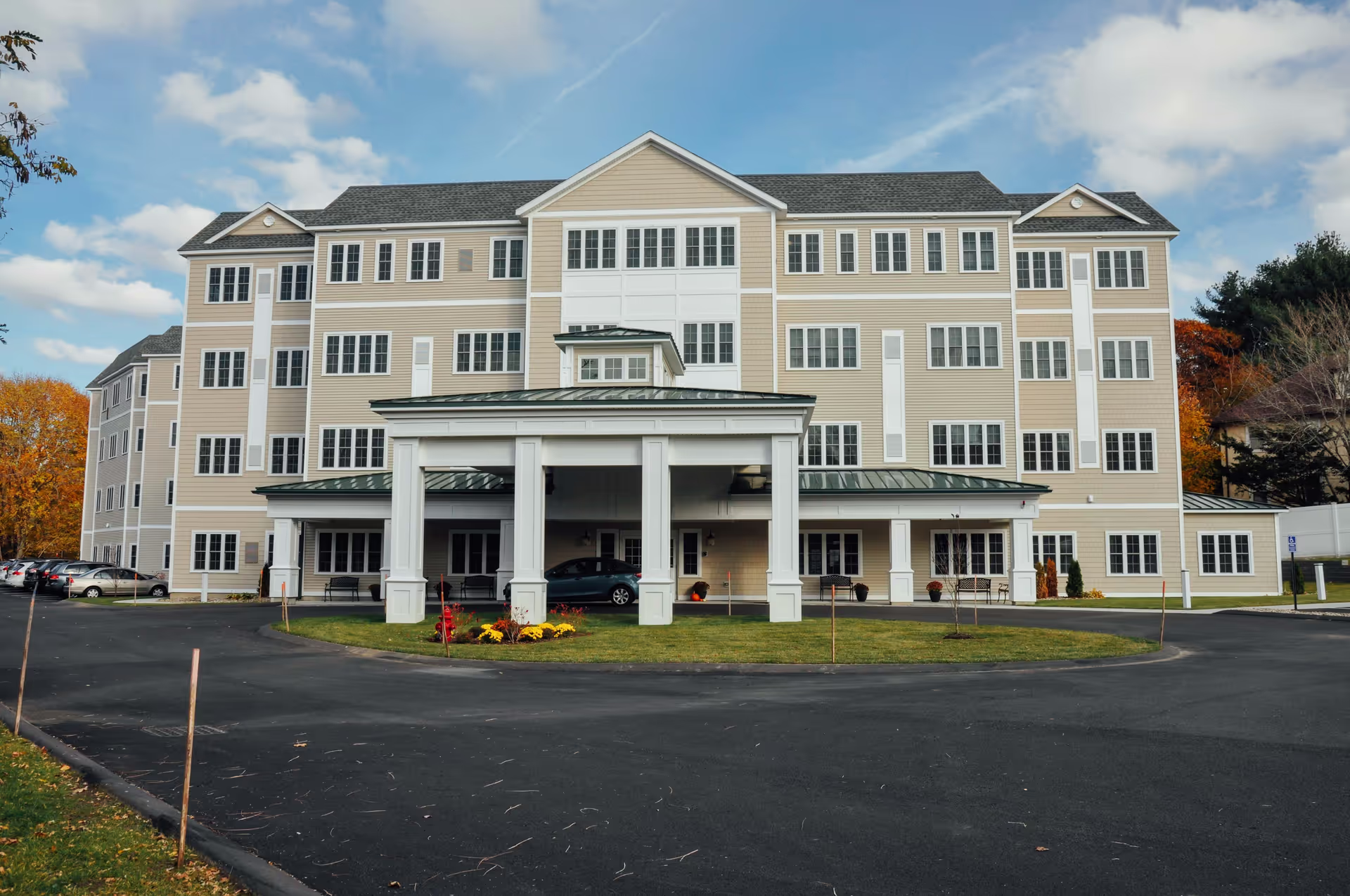
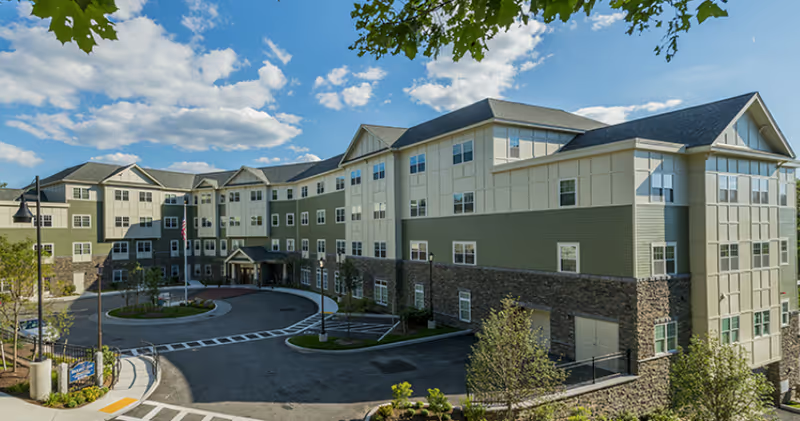
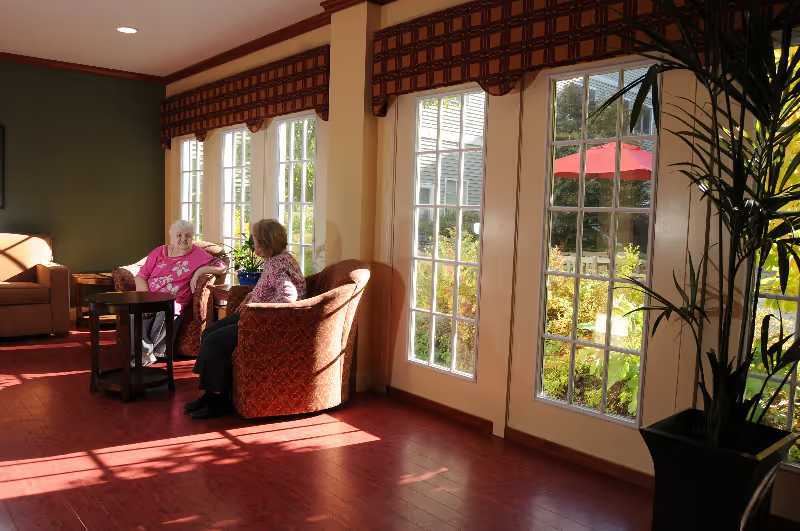
Feedback for Aberjona Rehabilitation & Nursing Center is mixed, with a clear pattern: the facility’s rehabilitation services, dining, and several individual staff members receive consistent praise, while nursing responsiveness, staffing levels, and communication are recurrent concerns. Many families and residents describe strong therapy programs (PT/OT) that deliver measurable functional improvements and enable discharge home. Admissions, some case managers, and dietary staff are frequently noted as helpful and attentive. The building, communal spaces, and some units are described as clean and well maintained, and the activities program and on-site amenities contribute positively to resident quality of life.
Care quality shows divergence depending on unit, shift, and staff on duty. Positive accounts emphasize compassionate nurses, skilled aides, and rapid clinical oversight that prevented rehospitalization and managed pain effectively. Conversely, multiple accounts identify slow or inconsistent responses to care needs (delays answering call lights, delayed medication administration, and long waits for toileting or mobility assistance). A number of families reported significant safety- and comfort-related incidents; these have led to concerns about monitoring, documentation, and timely clinical intervention in some cases.
Staffing and staff conduct emerge as central factors shaping experience. There are repeated references to standout staff members and unit managers who are accessible, communicative, and proactive. At the same time, reports describe understaffing, especially overnight and on weekends, which correlates with longer response times and decreased supervision. Communication gaps appear between disciplines and across shifts — examples include unclear updates to families, language barriers with some aides, and inconsistent handoffs. These operational gaps also extend to administrative coverage, with limited weekend phone or leadership availability cited as a problem.
Dining, activities, and facilities are commonly cited strengths. Many residents and families praised the quality and variety of meals, the attentiveness of dietary staff, pleasant dining areas, and a range of activities and therapeutic options. Physical spaces are often described as comfortable and clean, though there are intermittent comments about small shared rooms or dated décor in some areas. Therapy continuity is generally a strength for rehabilitation outcomes, but some reviews cite variability in therapist assignment and frequency during a stay.
Management responsiveness is uneven: some families describe administrators and social workers who addressed concerns promptly and provided good post-discharge planning, while others encountered unresponsive management, phone-line problems, and difficulties obtaining clear explanations about clinical interventions or insurance processes. Infection-control and PPE adherence were singled out as an area needing attention in some accounts, as were sanitation and incontinence-care practices in specific units. A small number of reports describe serious safety events and hospital readmissions; these raise family concerns about oversight and escalation processes.
For families considering this facility, key questions to ask include current staffing ratios by shift, average call-light response times, language-support resources, infection-control protocols, medication-administration safeguards, weekend administrative coverage, and the specific therapy schedule expected for the resident. The facility demonstrates clear strengths in rehabilitation, therapy-led recovery, dining, and individual staff members who provide exemplary care. However, prospective residents and families should evaluate how the facility’s staffing, communication, and clinical-monitoring practices align with the resident’s safety and clinical needs before admission.