Overall impression: Reviews describe a facility with a mix of clear strengths and recurring operational weaknesses. Many families praised individual caregivers — including nurses, CNAs, and therapists — for compassion, technical skill and continuity of care. At the same time, a number of operational patterns generated significant family concern: inconsistent staffing, delayed clinical responses, medication and discharge-management problems, and variable food and cleanliness experiences.
Care and clinical responsiveness: Clinical care experiences appear uneven. Several accounts describe timely recognition of acute issues and prompt hospital referral; others describe delayed response to call buttons, slow emergency intervention, inconsistent medication administration, and gaps in post-discharge coordination (notably anticoagulation/Coumadin handoffs and inter-facility paperwork). Therapy services are generally praised when delivered by dedicated therapists, but some families felt therapy lacked appropriate progress or goal alignment. A few reviews raised concerns following a resident’s death and about end-of-life communication, indicating opportunities for improved family notification and care coordination during transitions.
Staff and conduct: Staff performance is cited as highly variable. Positive reports emphasize compassionate, attentive nurses, excellent CNAs, and helpful social-services and administrative personnel. Negative reports point to inattentive or rushed staff (particularly at night), inconsistent interpersonal communication, and isolated incidents of poor conduct or rough handling. Reviewers also noted occasions when staff worked while ill or did not follow masking practices; this suggests inconsistent infection-control adherence and screening procedures.
Dining, activities, and therapy: Dining impressions are polarized — some reviewers praised the food and food services, while others described cold or poorly managed meals and dietary management that did not account well for diabetes or other restrictions. Activity programming includes meaningful special events noted as uplifting, but several families observed limited routine activities overall. Therapy quality was frequently cited as a strength when delivered by specific clinicians; however, the effectiveness and intensity of rehabilitation varied between stays.
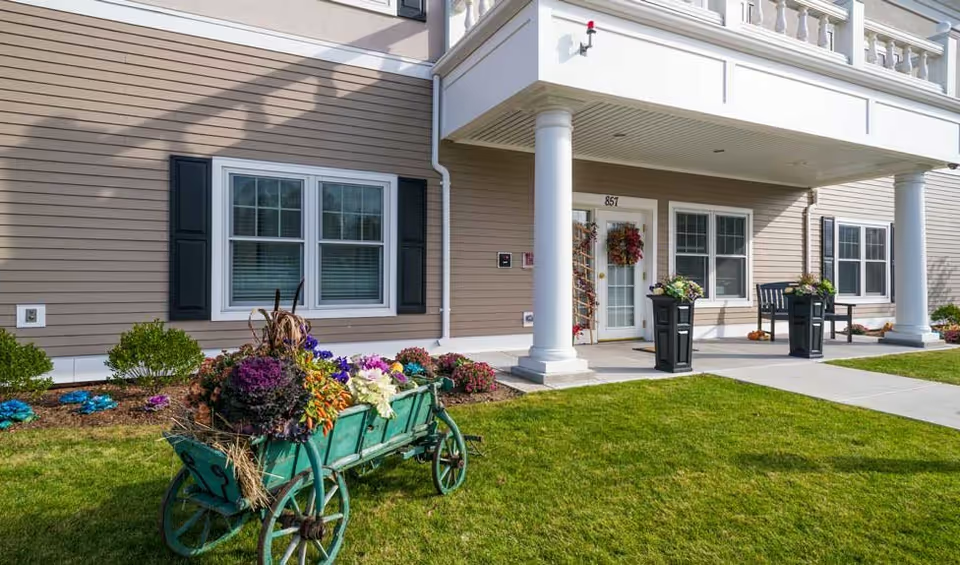
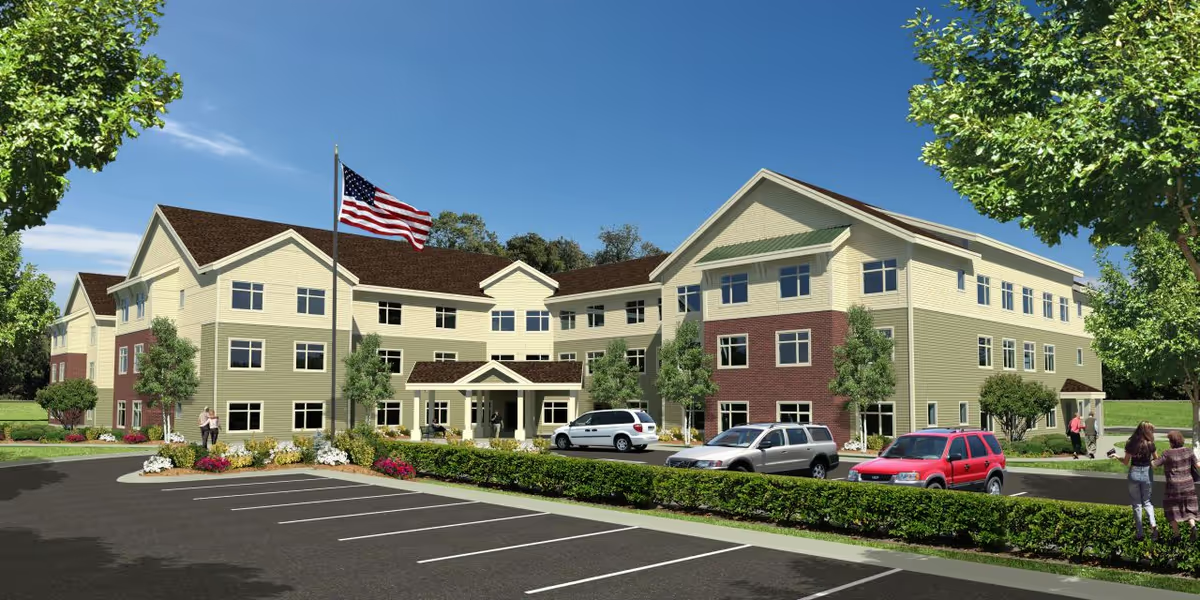
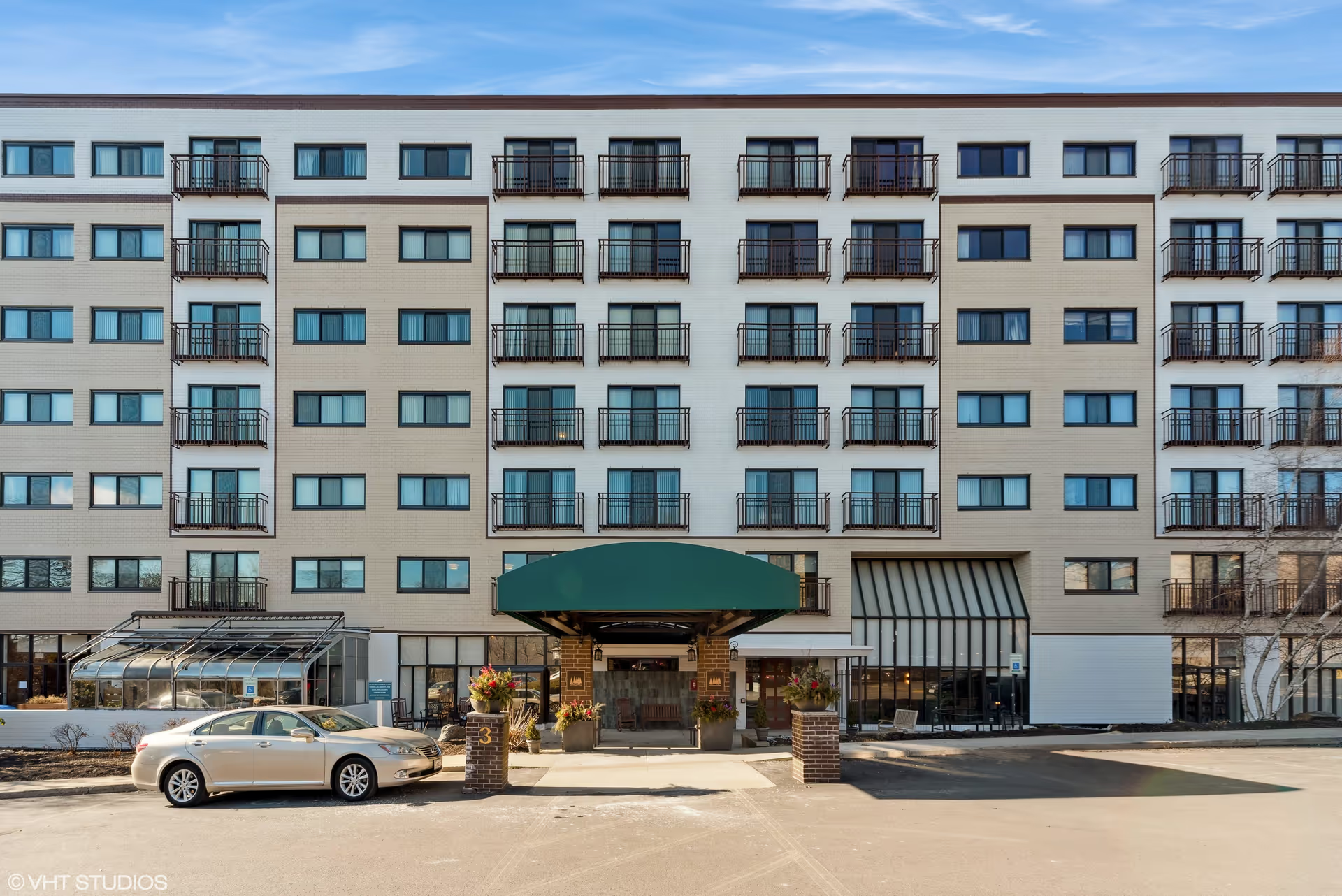
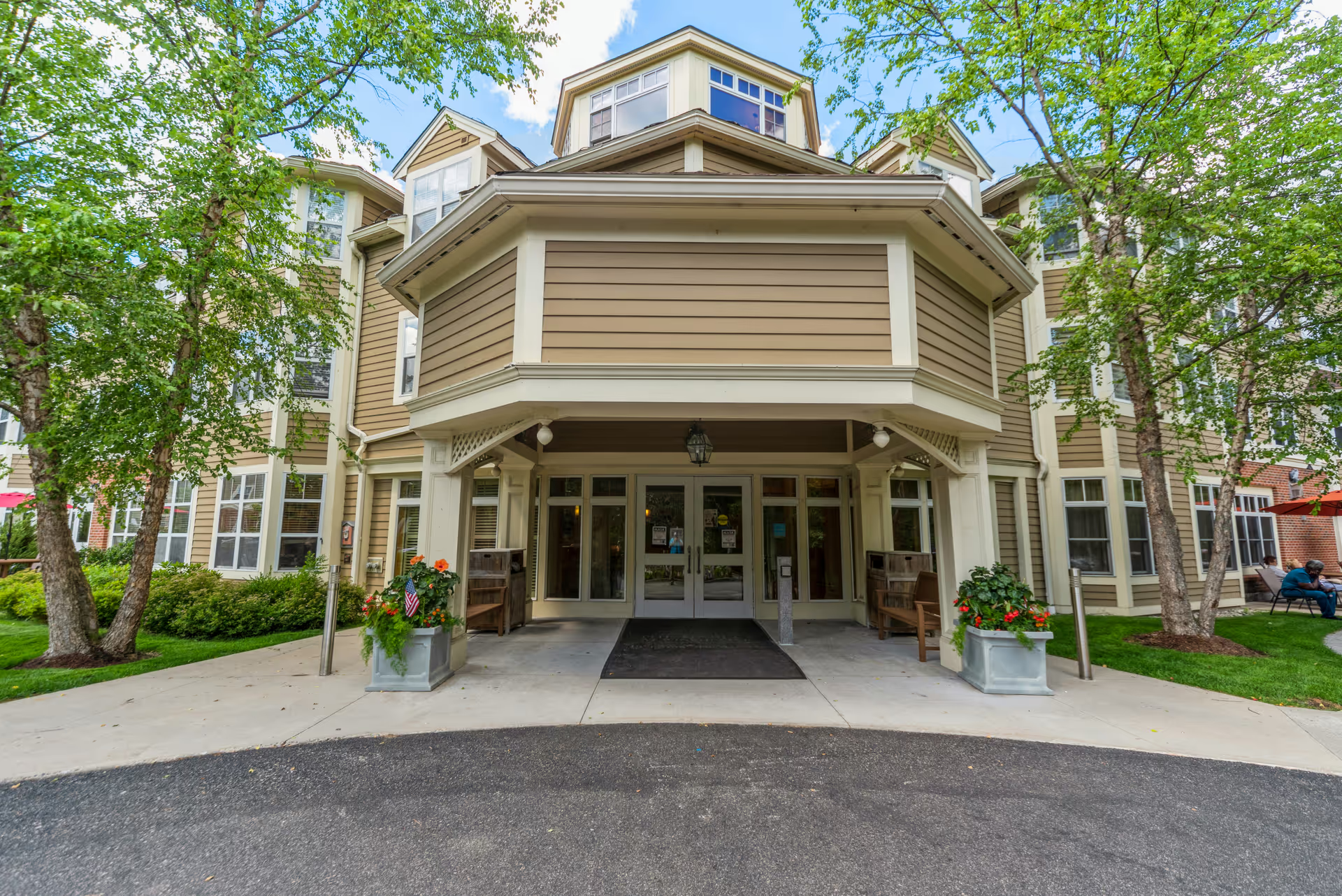
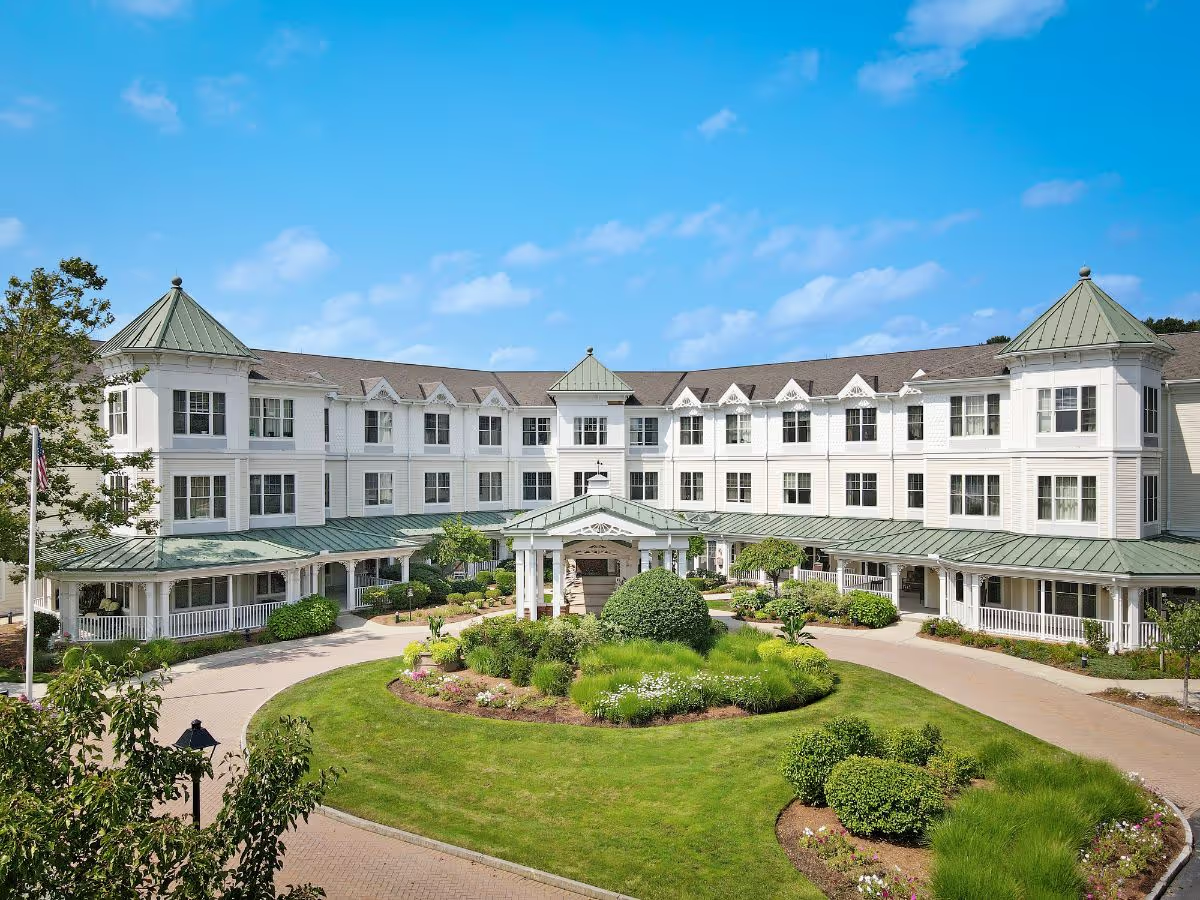
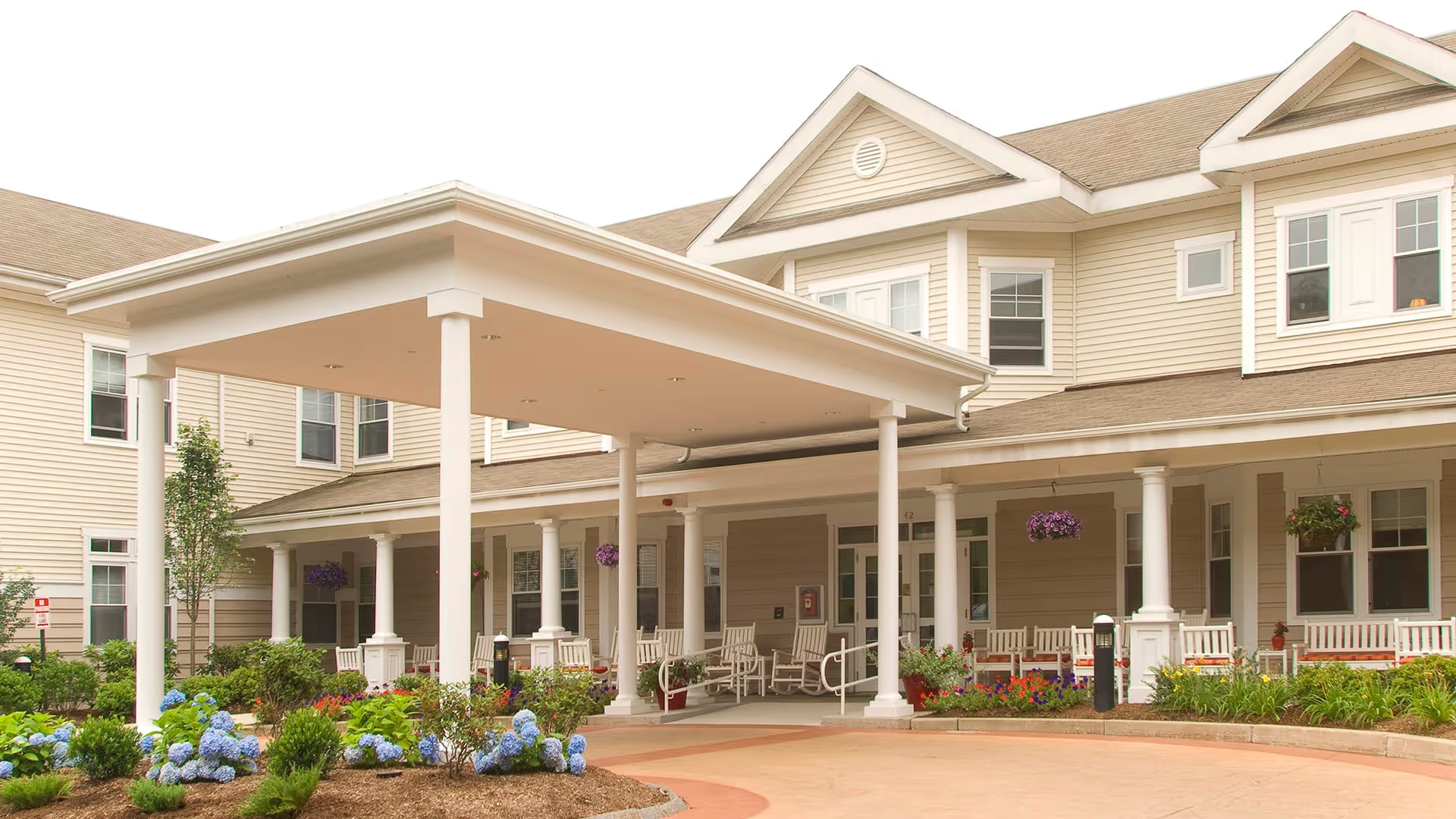
Facilities and operations: Physical features receive mixed feedback. Positive notes include updated rooms, private en-suite options, a welcoming building, and clean public areas. Criticisms include sanitation and pest-control concerns in some areas, limited outdoor space, and insufficient visitor parking. Operational issues were repeatedly mentioned: slow intake/orientation processes, delayed paperwork between the facility and external providers, inconsistent enforcement of facility rules, and lapses in belongings handling or inventory procedures.
Management and communication: Families highlighted strengths in individual administrators and social-services staff but also described uneven leadership responsiveness — delayed notifications (including after a resident death), slow administrative follow-up, and confusing discharge instructions. Financial concerns were expressed by some families who perceived care driven by length of stay rather than clinical goals. Overall, reviewers suggest the facility can deliver high-quality care when appropriately staffed and supervised, but recurring systems issues (staffing, communication, medication reconciliation, infection control, and food/dietary consistency) merit attention for families considering admission.