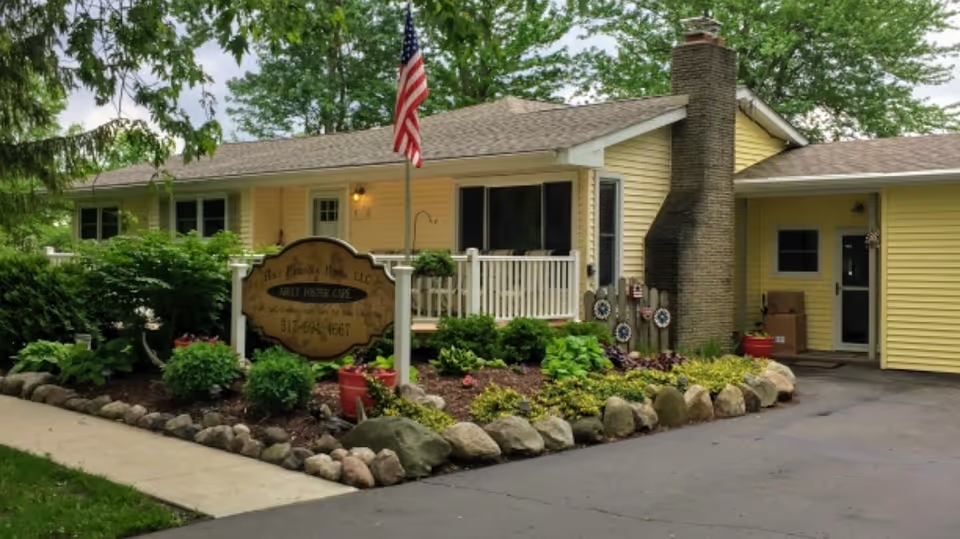
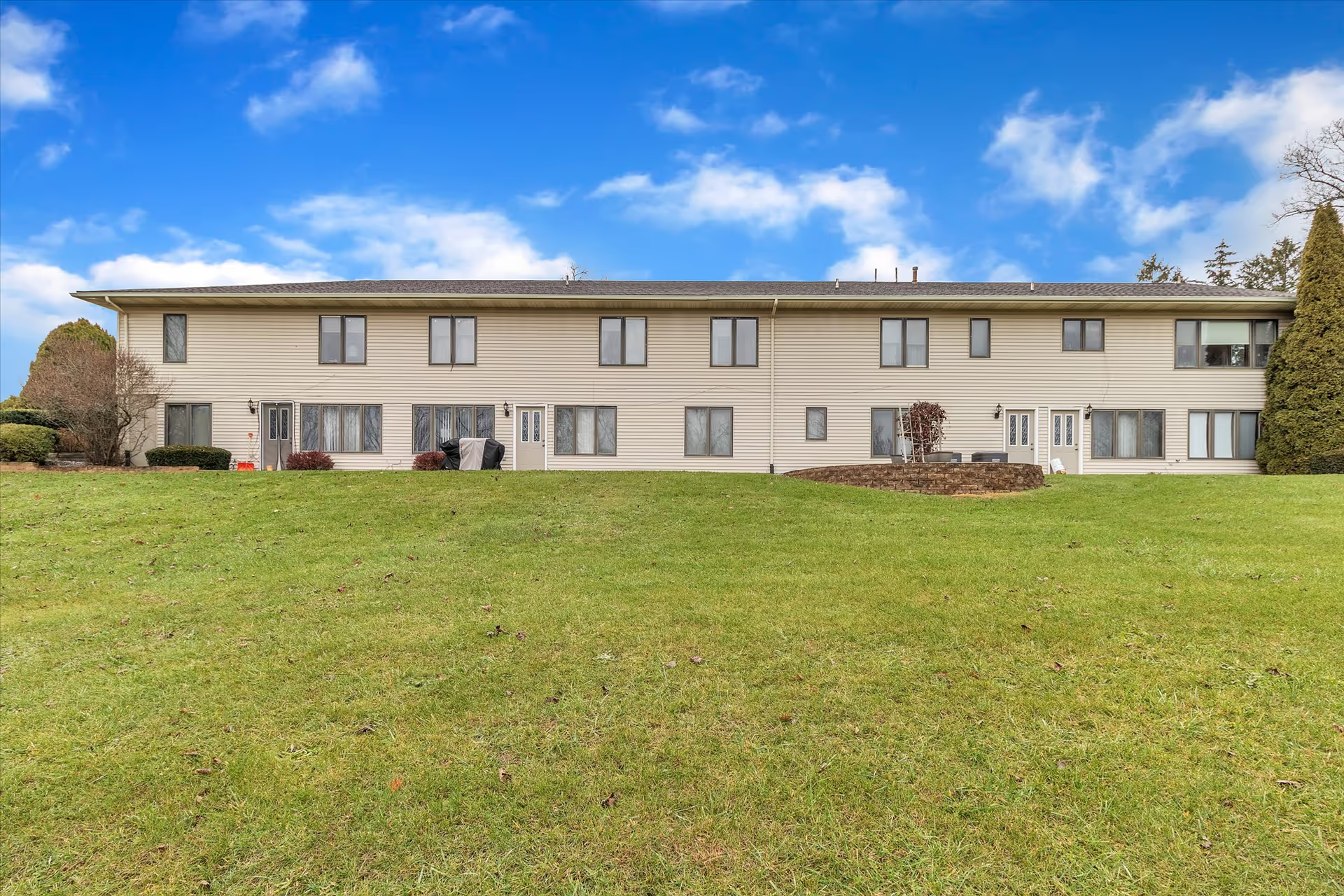
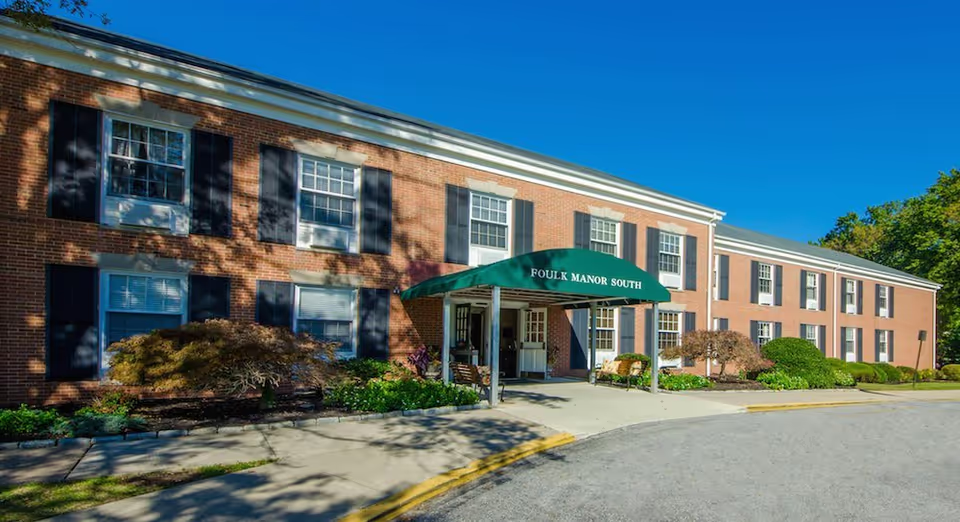
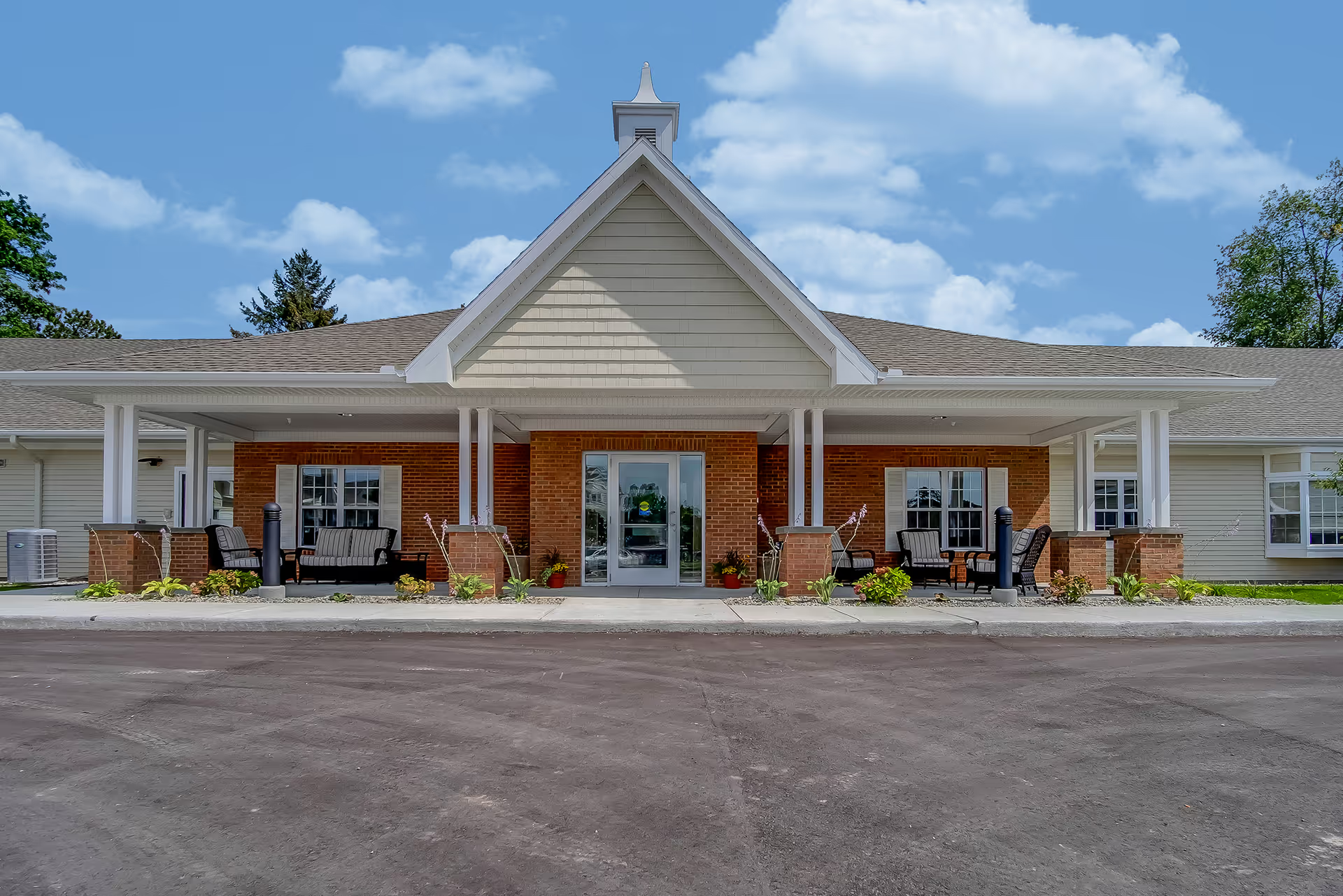
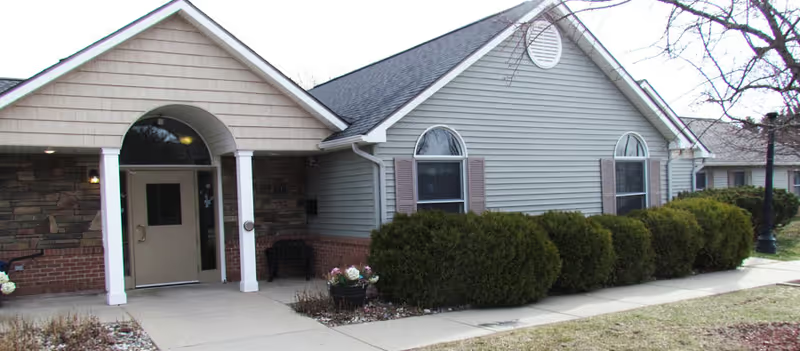
The reviews describe a facility with clear strengths in direct resident care and therapy but with recurring operational weaknesses that affect reliability and family confidence. Many accounts praise individual nurses, CNAs and therapy staff for compassion, clinical skill and continuity of care; rehabilitation programming, gym access and daily activities (including religious services) are frequently cited as positive contributors to residents’ quality of life. Several comments also note a well-maintained exterior, comfortable rooms in parts of the building, and an accessible social-services contact that families find helpful.
At the same time, a consistent pattern emerges around staffing and operational reliability. Reviewers describe inconsistent staffing levels — particularly nights and weekends — with resultant delays in attending to residents, delayed bathing and linen changes, and slow call-light response. These staffing gaps are linked to broader concerns about clinical oversight: missed or delayed medication administration, pharmacy coordination lapses at admissions, and delayed escalation to higher-level care in some cases. Families described sanitation concerns and odor issues during off-shifts, which compounds perceptions of uneven care quality.
Dining and nutrition appear uneven. Multiple accounts mention cold meals, incomplete trays and scheduling constraints such as limited meal-service windows. Conversely, other reviewers describe palatable meals and adequate dietary service when kitchen staffing is present. Activity programming is a relative strength: the facility offers structured activities, communal dining spaces, and therapy-centered rehabilitative services that receive positive feedback from many families.
Management, communication and safety practices are recurring areas of concern. Reviewers report difficulty getting timely responses from administration, inconsistent enforcement of visitor-access rules, and occasional privacy or records-security issues. There are also serious, isolated allegations — including financial misconduct and pressure related to medication consent — that some families intend to escalate to regulatory bodies. Infection-control practices and staff attitudes toward vaccination/masking were mentioned as inconsistent by a subset of reviewers.
In summary, Dimondale Nursing & Rehab Center demonstrates clear strengths in its direct-care and therapy teams and in activity programming, which support positive rehab and quality-of-life outcomes for many residents. However, persistent operational issues — uneven staffing, lapses in timely care and clinical oversight, inconsistent dining service, sanitation concerns during certain shifts, and management/communication weaknesses — create variability in the overall experience. Families considering this facility should weigh the strong therapy and activity offerings against the documented operational risks, ask specific questions about staffing by shift, medication and admission protocols, sanitation practices, and how the administration addresses complaints and privacy/security concerns.