Marycrest Manor presents a mixed but clear pattern: rehabilitation and therapy services are consistently highlighted as a facility strength, while nursing responsiveness and clinical follow-up emerge as recurring areas of concern. Many families praised the physical and occupational therapy teams, noting patient progress, encouraging staff, and good coordination with physicians. Reviewers also described individualized meal planning, dietitian involvement, and diabetes-friendly meal options that supported recovery and independence.
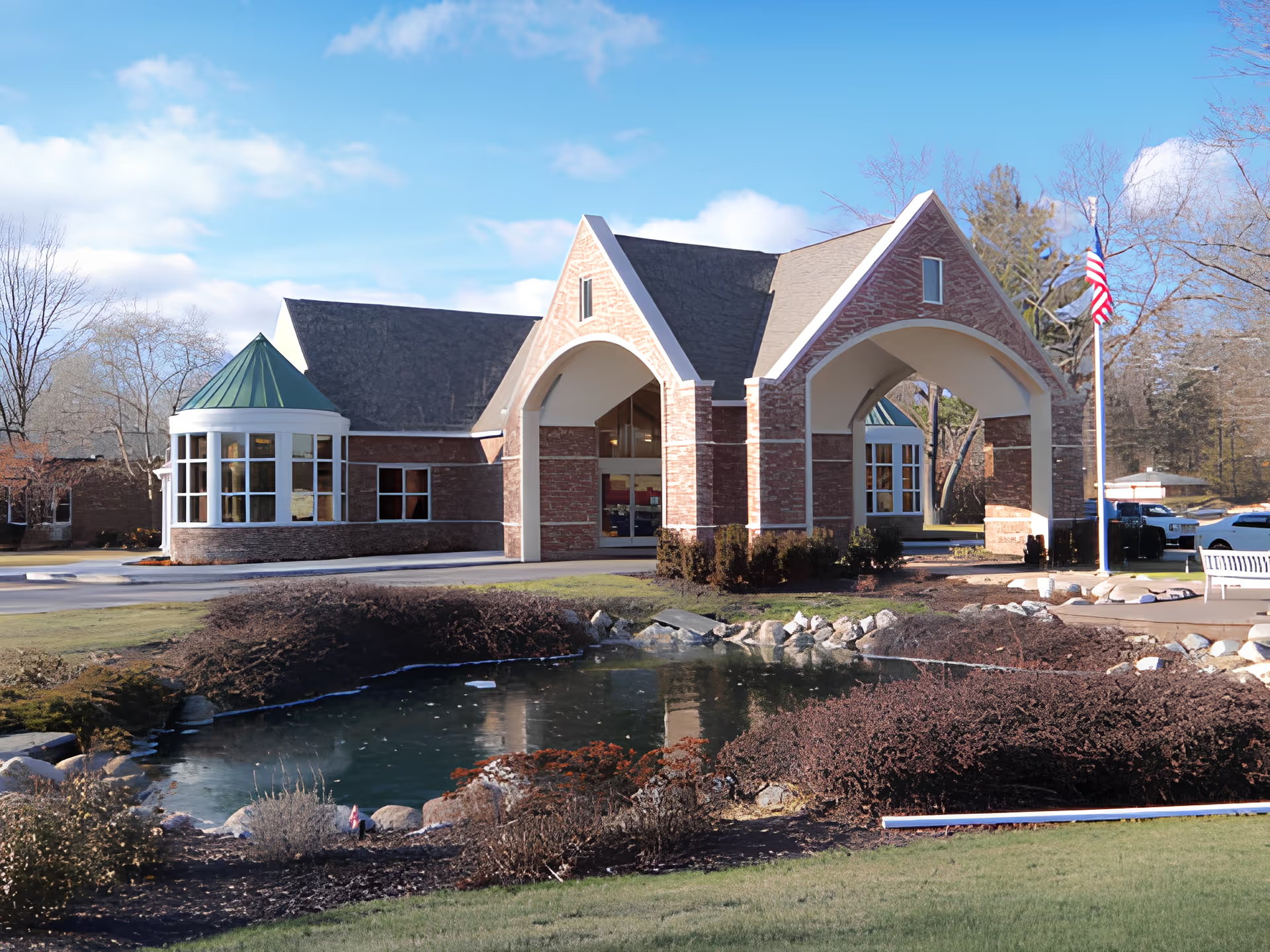
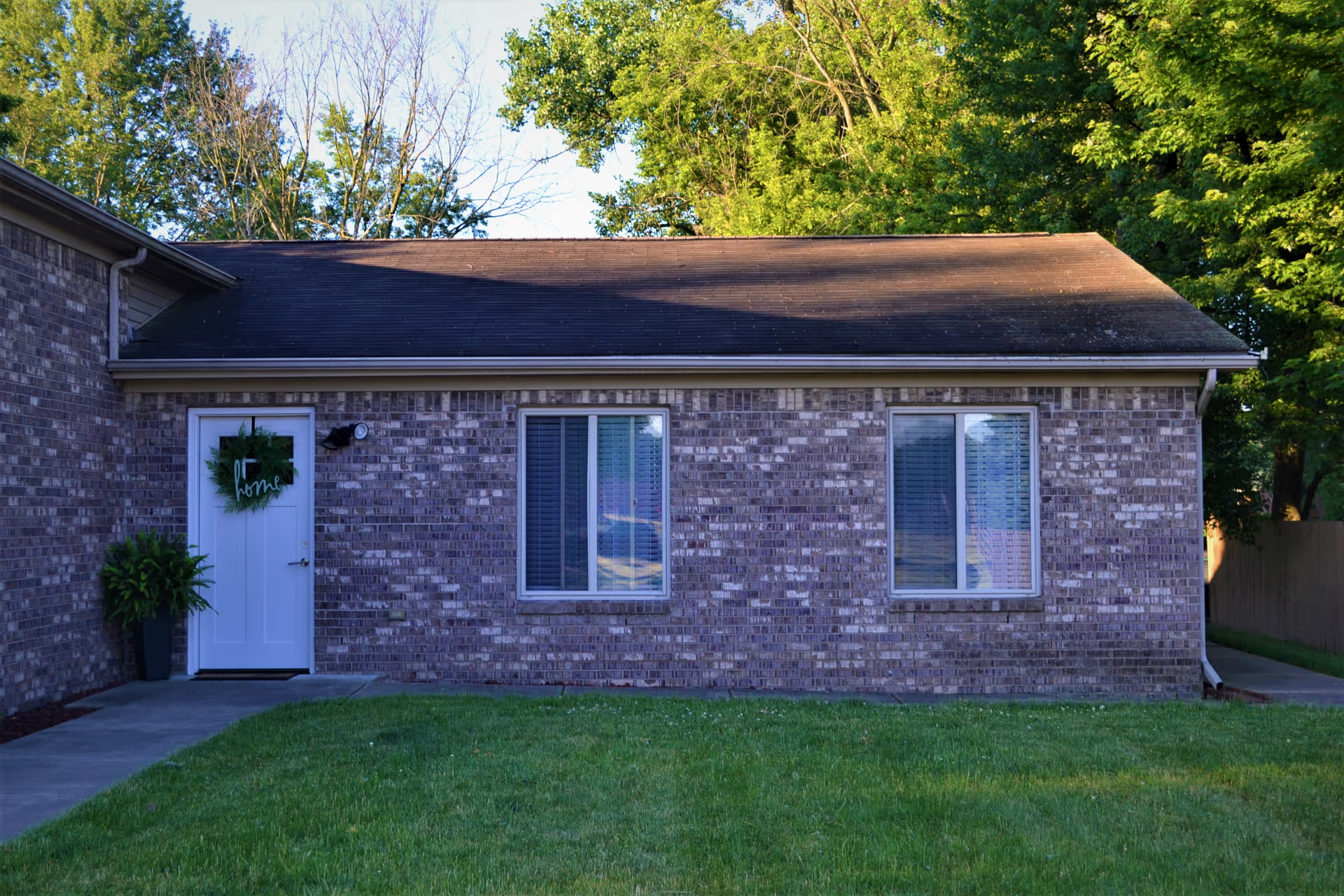
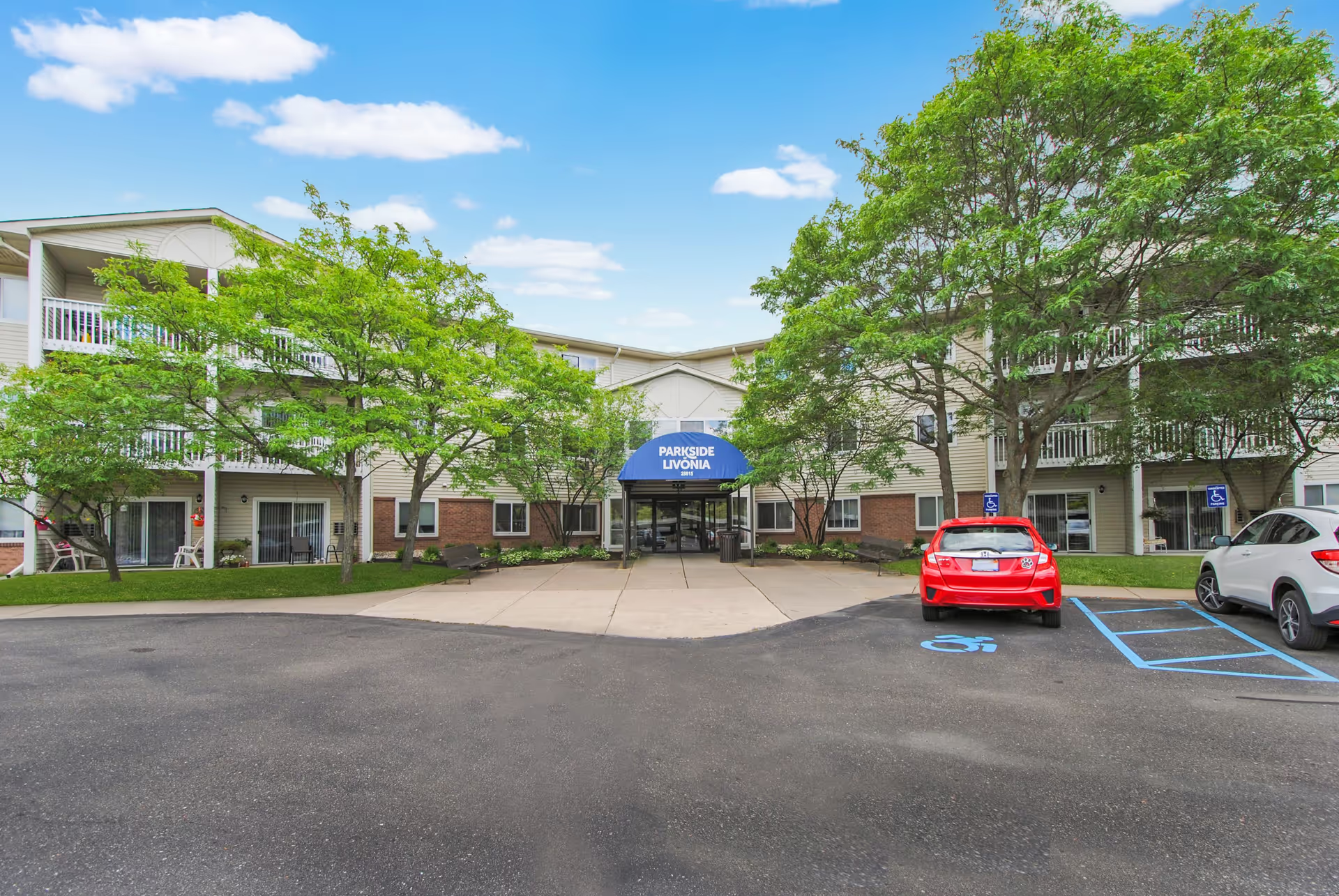
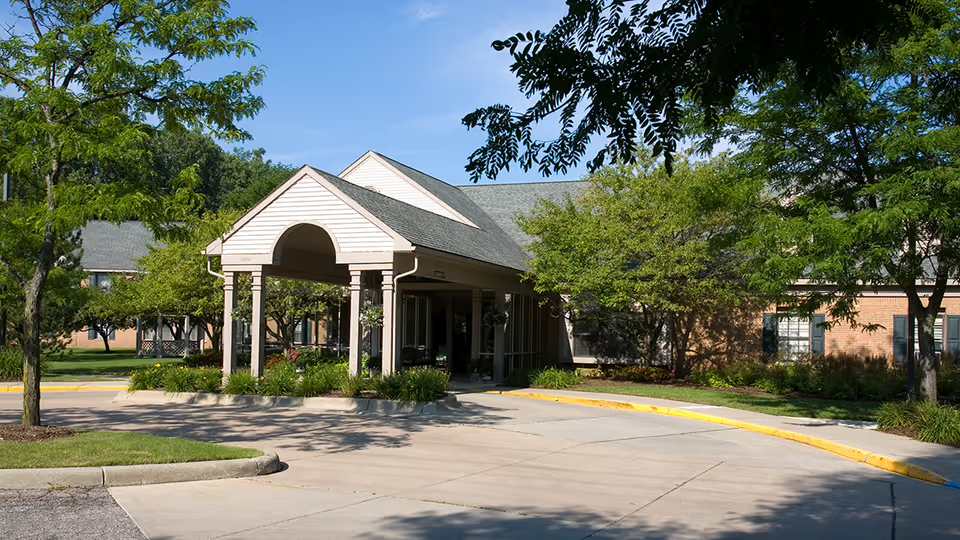
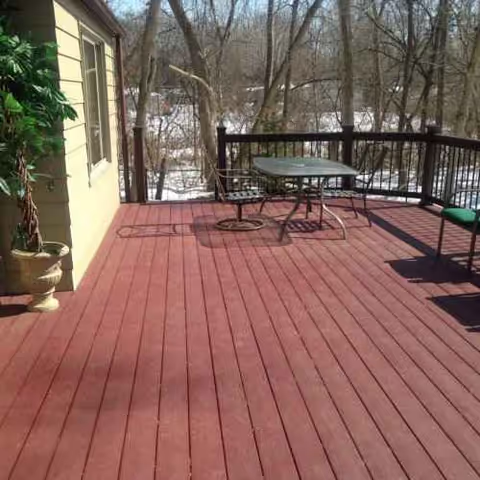
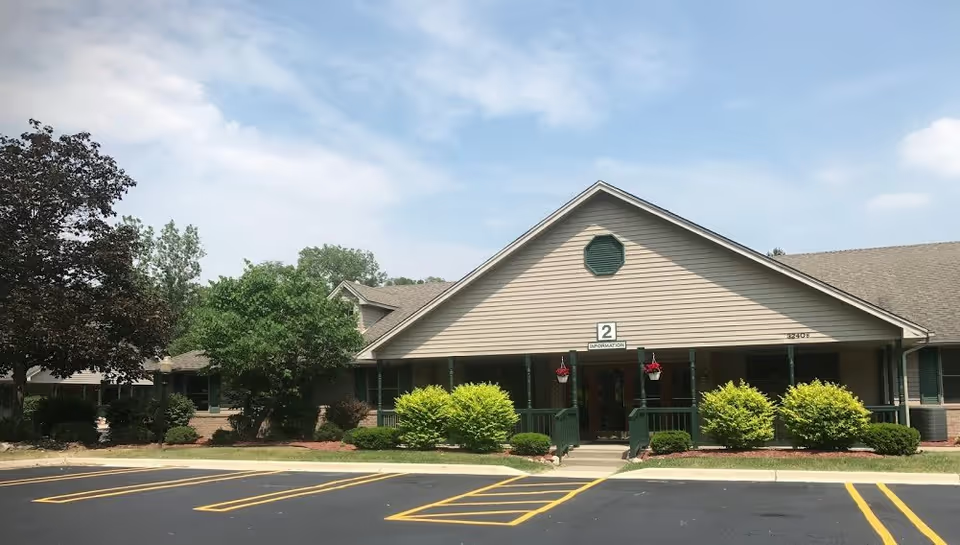
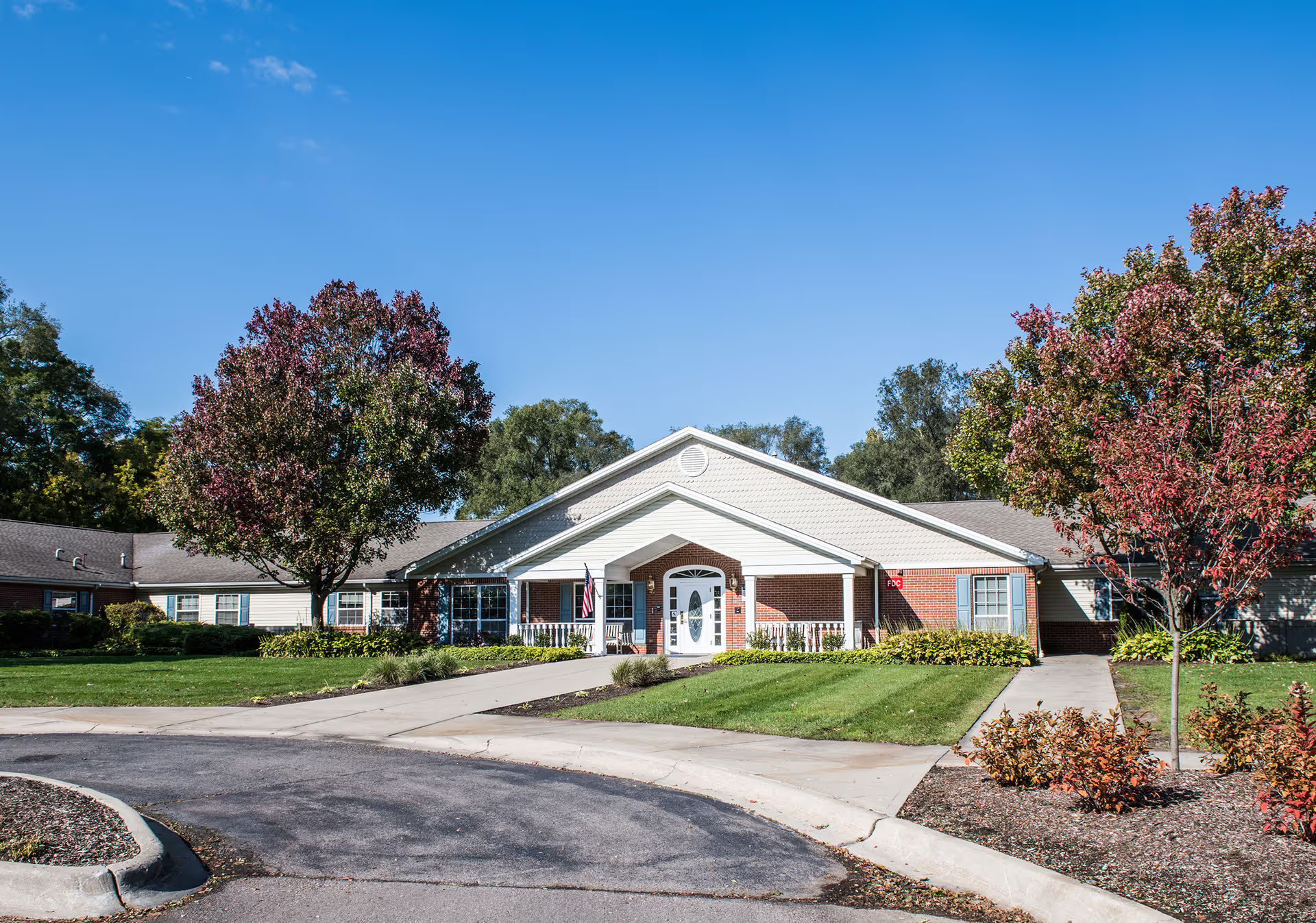
The facility’s physical environment and amenities receive frequent positive mention. The campus, newer wings, and public spaces are described as modern, bright, and well-maintained, with private apartment features such as in-unit laundry, step-in showers, and kitchenettes. Additional amenities — a gym, walking paths, chapel, library, underground parking, shuttle service, and social programming — contribute to a residential atmosphere that several families found welcoming and beneficial for social engagement.
Conversely, a consistent theme across reviews is variability in nursing care and day-to-day responsiveness. Families reported long wait times for assistance at times, inconsistent medication administration, and instances where clinical assessments and follow-up after incidents were delayed. These accounts point to systemic issues such as understaffing during particular shifts, uneven supervision of aides, and lapses in call-button response procedures. Several reviewers indicated that these operational gaps compromised perceived safety and timeliness of care.
Communication and management responsiveness are also uneven. Some families praised specific managers and staff who were proactive and effective in resolving concerns; others described difficulty obtaining timely callbacks, dissatisfaction with administrative follow-through, and occasional billing disputes. This variation suggests that experiences may depend on unit leadership and which staff are on duty. Reviewers also noted an institutional focus on aesthetic improvements and guest-facing features, which some felt was not always matched by clinical staffing or oversight.
Dining and activities are generally regarded as strengths, with many residents enjoying meals, events, and daily programming. That said, activity offerings were sometimes curtailed during infection-control periods and shifted to in-room options. Housekeeping and laundry performance were inconsistent in some reports, producing sanitation and linen-change concerns that prospective residents should clarify during a tour.
For prospective residents and families: Marycrest Manor can offer strong rehabilitation outcomes, modern accommodations, and a wide range of amenities. Those prioritizing skilled nursing continuity, prompt clinical response, and consistent administrative communication should probe staffing ratios, after-hours clinical coverage, incident-response protocols, and housekeeping practices during visits. Asking for current staffing plans, examples of incident follow-up procedures, and references for recent post-acute discharges can help set expectations and guide placement decisions.