Overall impression Woodhaven elicits strongly mixed impressions: many families and residents praise the facility’s environment, activities, dining, and clinical resources, while others describe meaningful variability in day-to-day care and communication. Strengths are concentrated around a well-maintained campus, active programming, a responsive dietary department, and effective short-term rehabilitation. Weaknesses are primarily operational patterns — inconsistent staffing, uneven delivery of personal care, and gaps in clinical oversight and family communication.
Care quality and staff A frequent positive theme is the presence of compassionate, attentive nurses and aides who provide individualized attention, particularly on some shifts and within rehabilitation and memory-care households. Reviewers credit staff with successful therapy outcomes, patient-centered interaction, and assistance tailored for long-distance family members. At the same time, a pattern of inconsistent staff conduct and tone emerges: some family accounts describe delays in responding to call lights, inconsistencies in bathing, dressing, and incontinence-care routines, and variability in clinical competency across shifts. Several families also raised concerns about medication-administration processes and coordinated clinical oversight; one review specifically raised an allegation of a medication-related adverse event, and families may wish to ask about medication-safety protocols and incident-investigation practices before placement. Reports indicate that end-of-life and hospice-period coordination can also be uneven, with some families citing limited communication or follow-up during that phase.
Dining and activities Dining and activity programs are commonly cited strengths. The dietary staff receives frequent praise for accommodating special diets and providing varied menus (soups, desserts, ethnic options), and many residents find meals enjoyable. Some reviewers, however, noted inconsistency in food quality and seasoning levels at times. Activity offerings are robust — bingo, arts and crafts, themed dinners, movie nights, and outdoor opportunities — and many residents report good engagement and social connection. Those who are bed-bound or have mobility limits may experience reduced participation, so families should discuss transportation/assistance to communal activities if that is a priority.
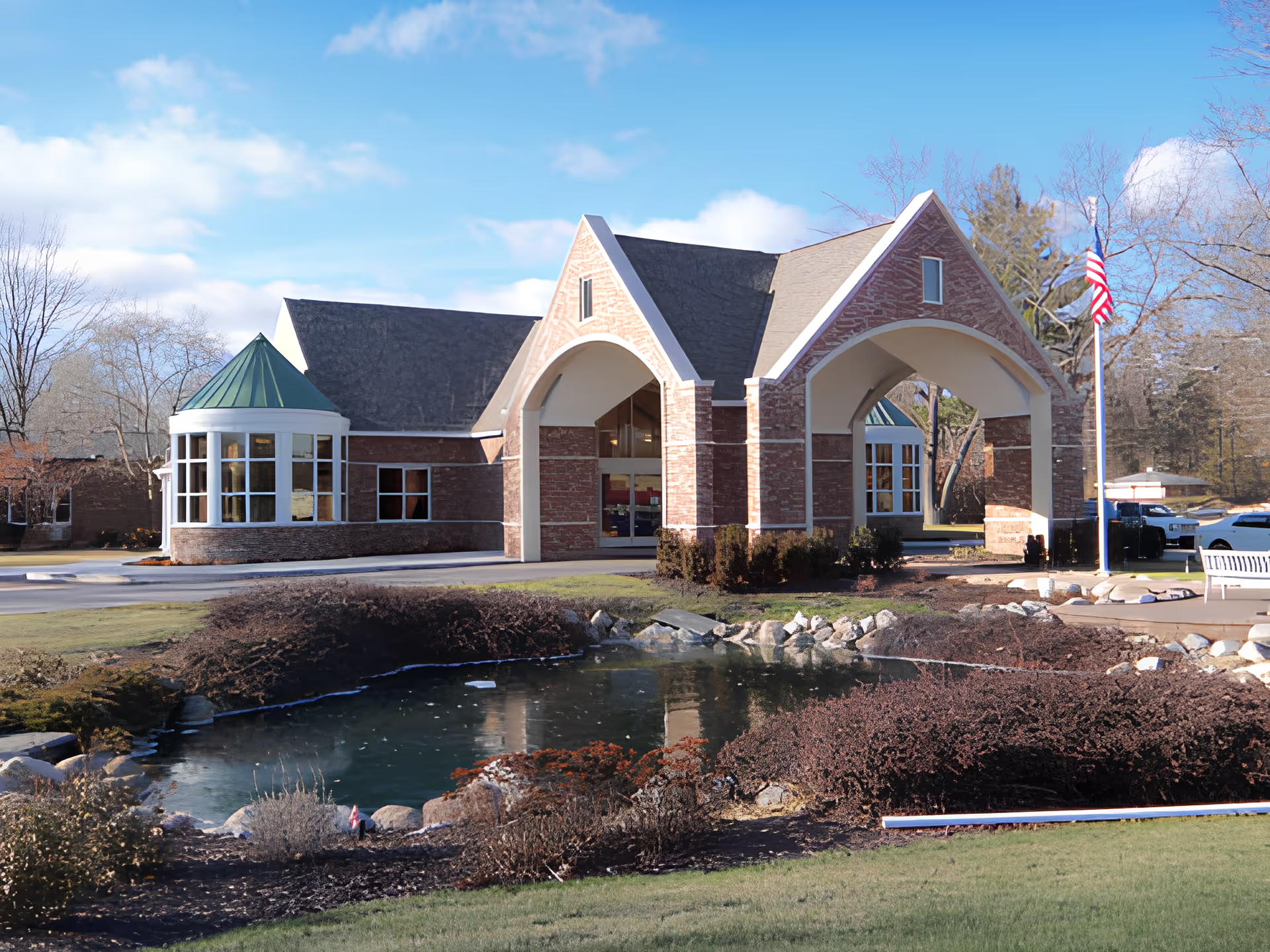
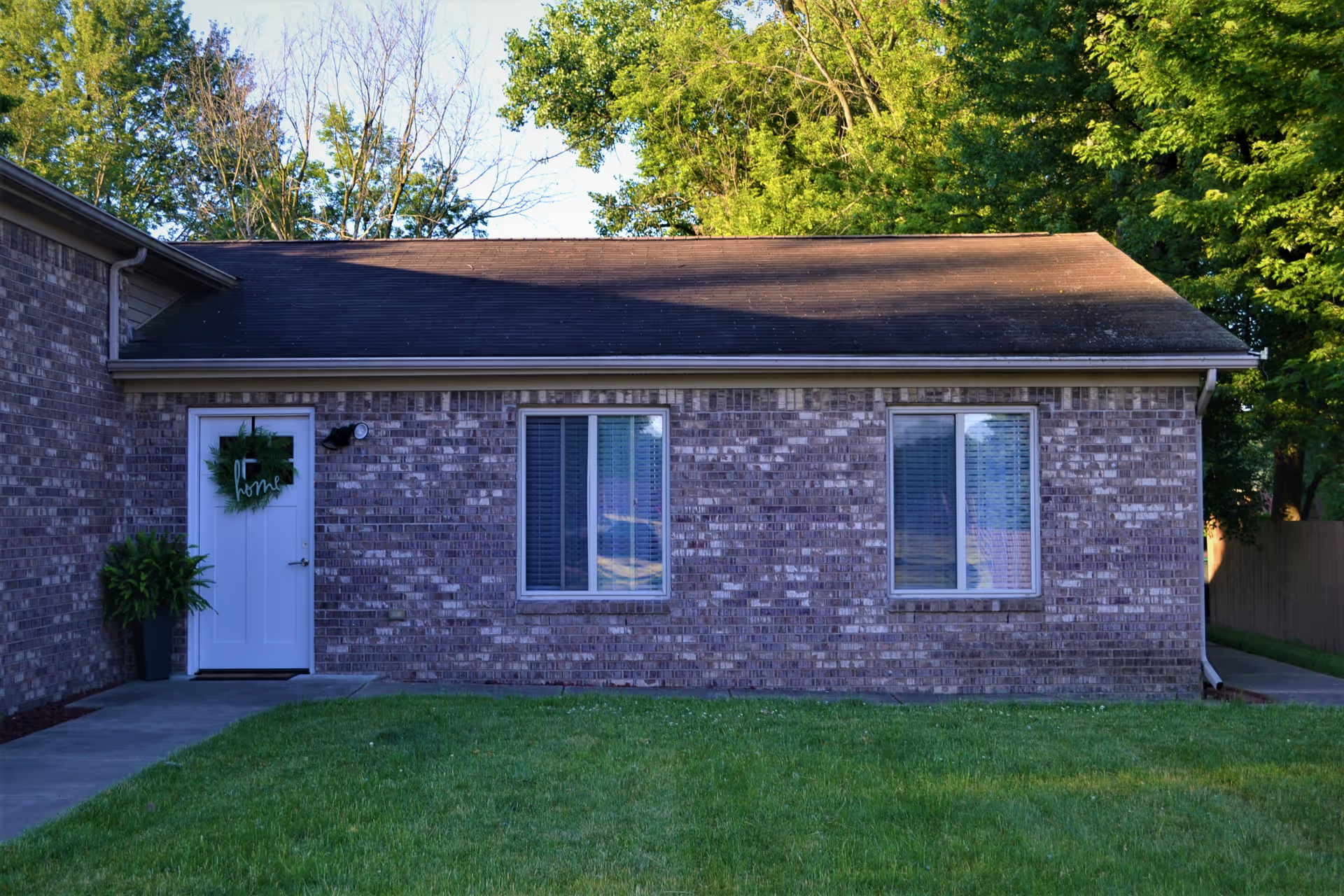
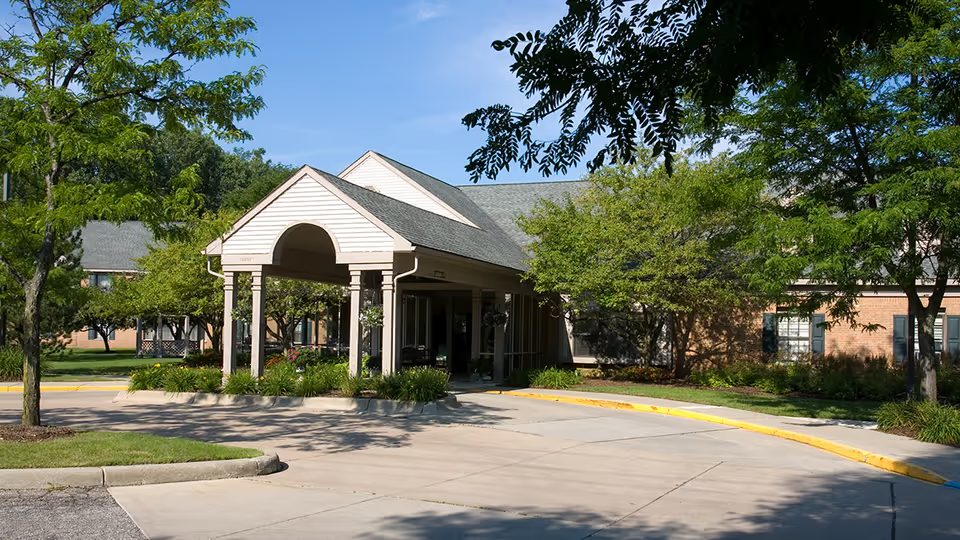
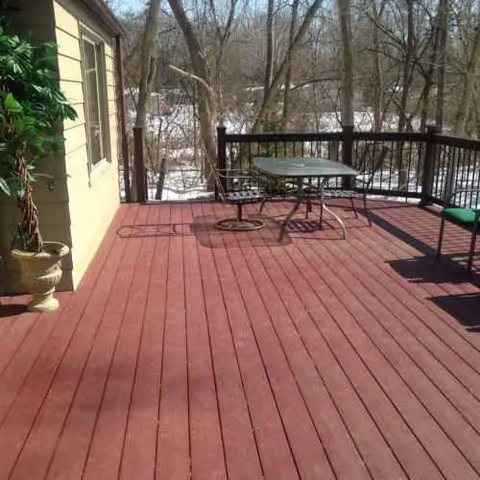
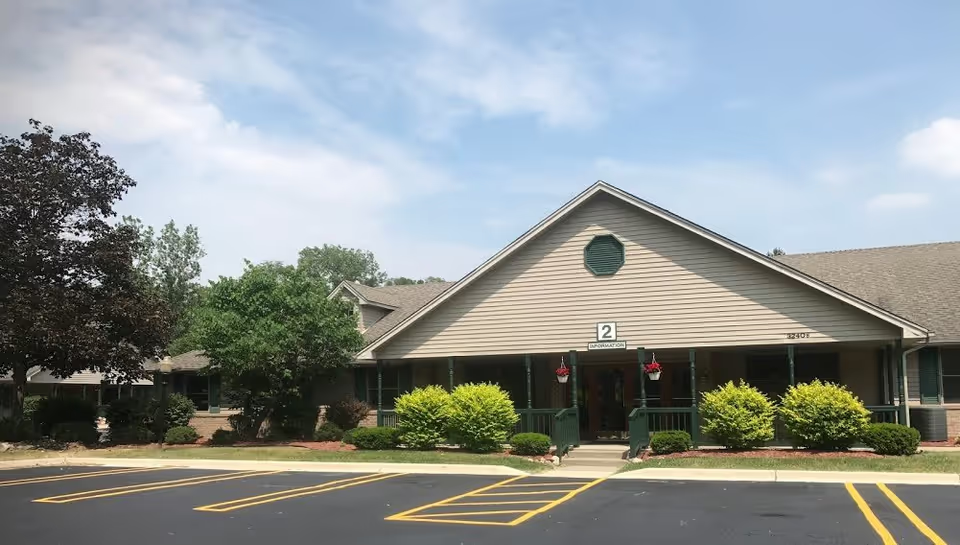
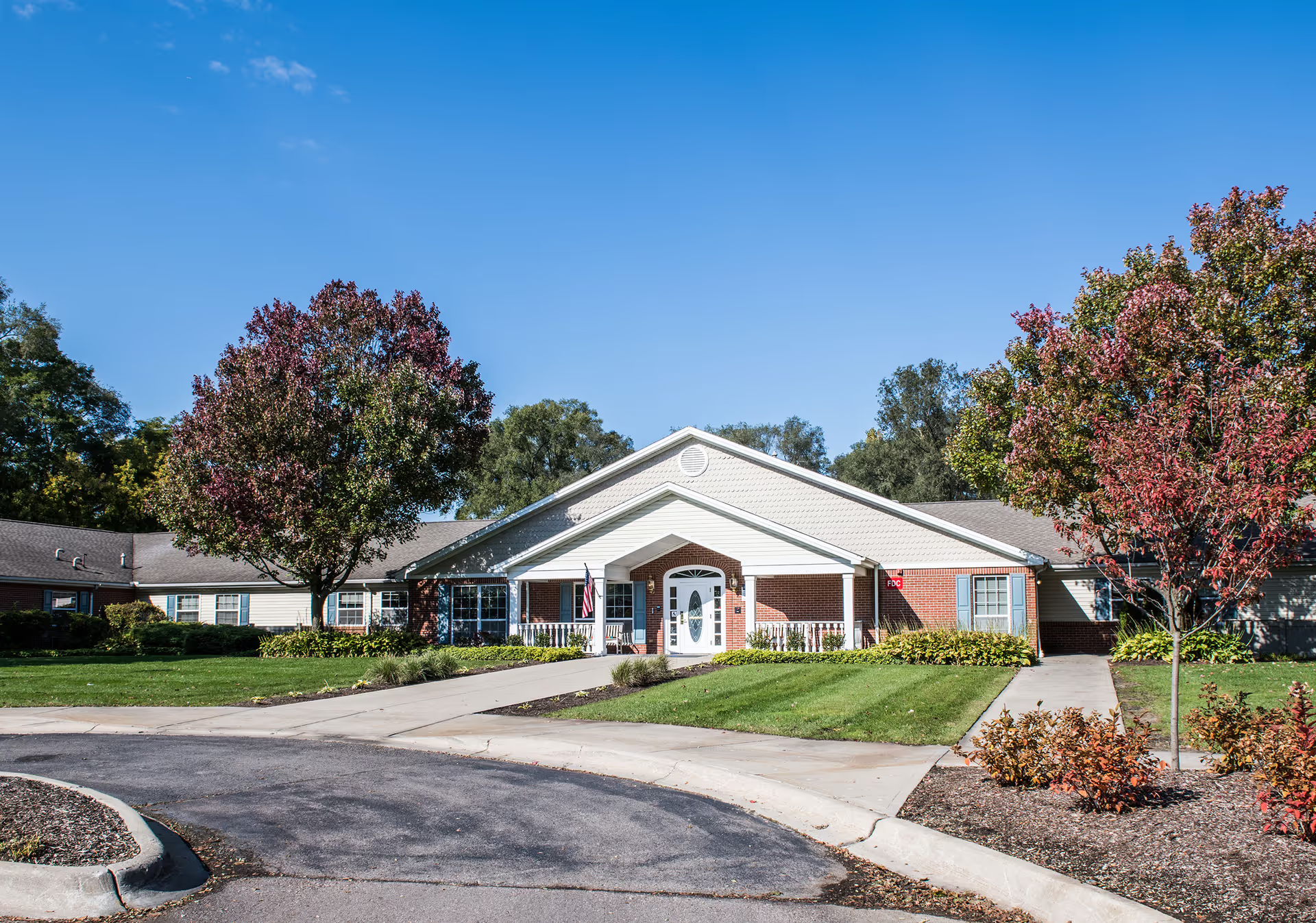
Facilities and amenities The facility’s physical plant is viewed positively: clean interiors, private rooms with en-suite bathrooms, a courtyard view, well-kept grounds with wooded settings, and comfortable common spaces. Rehab/therapy areas, a bistro-style dining area, and services like hair/nail care and a library are available. While housekeeping is often praised, there are intermittent sanitation concerns and odor-control issues reported in some units; families should check unit-level cleanliness and laundry processes during a tour.
Management and communication Experiences with administration and management are mixed. Several accounts highlight responsive leadership that implements suggestions and supports families, while others note uneven follow-up after clinical incidents and a perception that directors or administrators are not always promptly engaged. Staffing levels and workload pressures were cited repeatedly as contributors to delayed responses and inconsistent care delivery. Cost is perceived as relatively high by some families, particularly where they experience gaps between billed services and observed care consistency.
Notable patterns and recommendations for families The dominant pattern across reviews is variability: many excellent experiences coexist with instances of operational shortfalls. Variability appears to track with shift, unit, and specific staff assignments. Prospective residents and family members should consider asking about current staffing ratios, medication-safety and incident-investigation procedures, hospice-care protocols, unit-specific cleanliness practices, and how the facility handles family communication after clinical events. A tour that includes speaking with nursing leadership, observing a meal and an activity, and reviewing recent staffing and safety metrics can help assess whether Woodhaven’s strengths align with an individual resident’s needs.