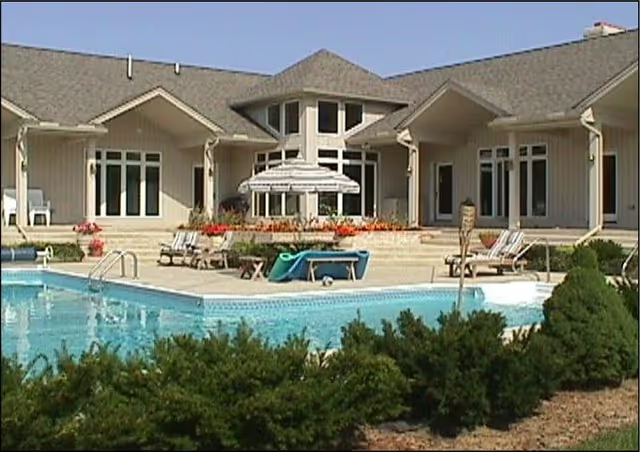
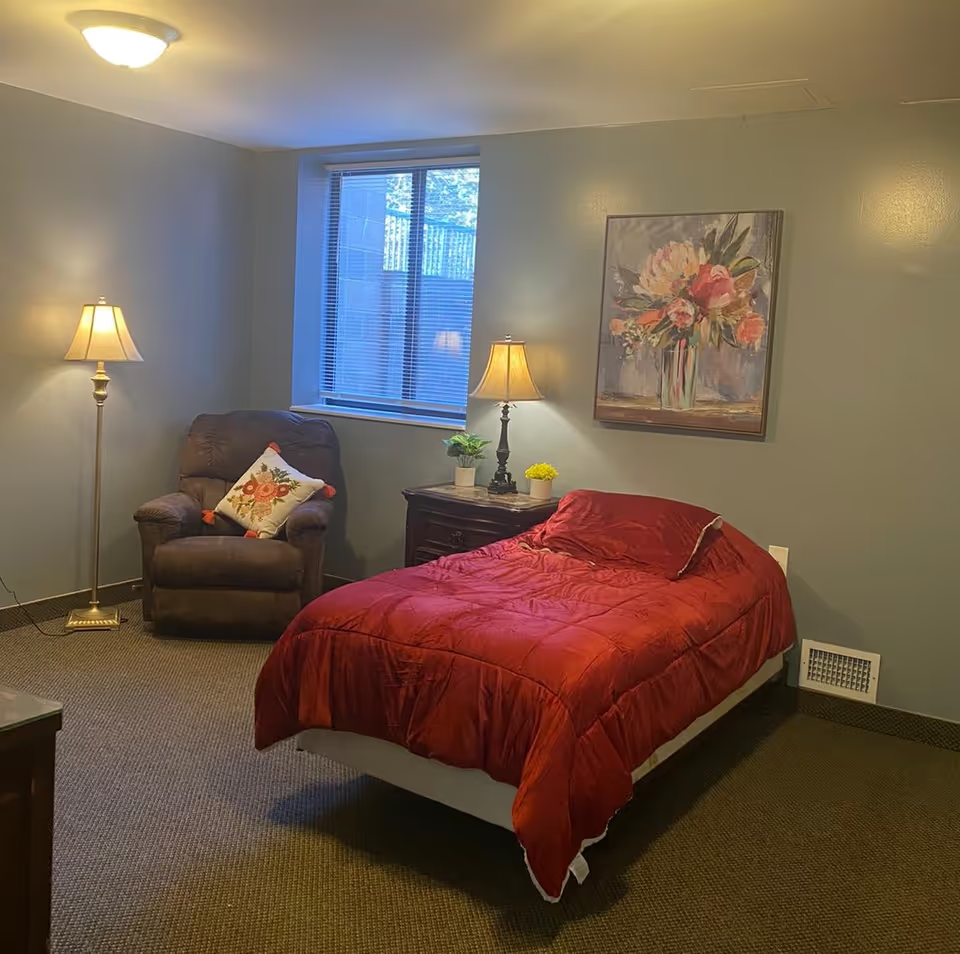
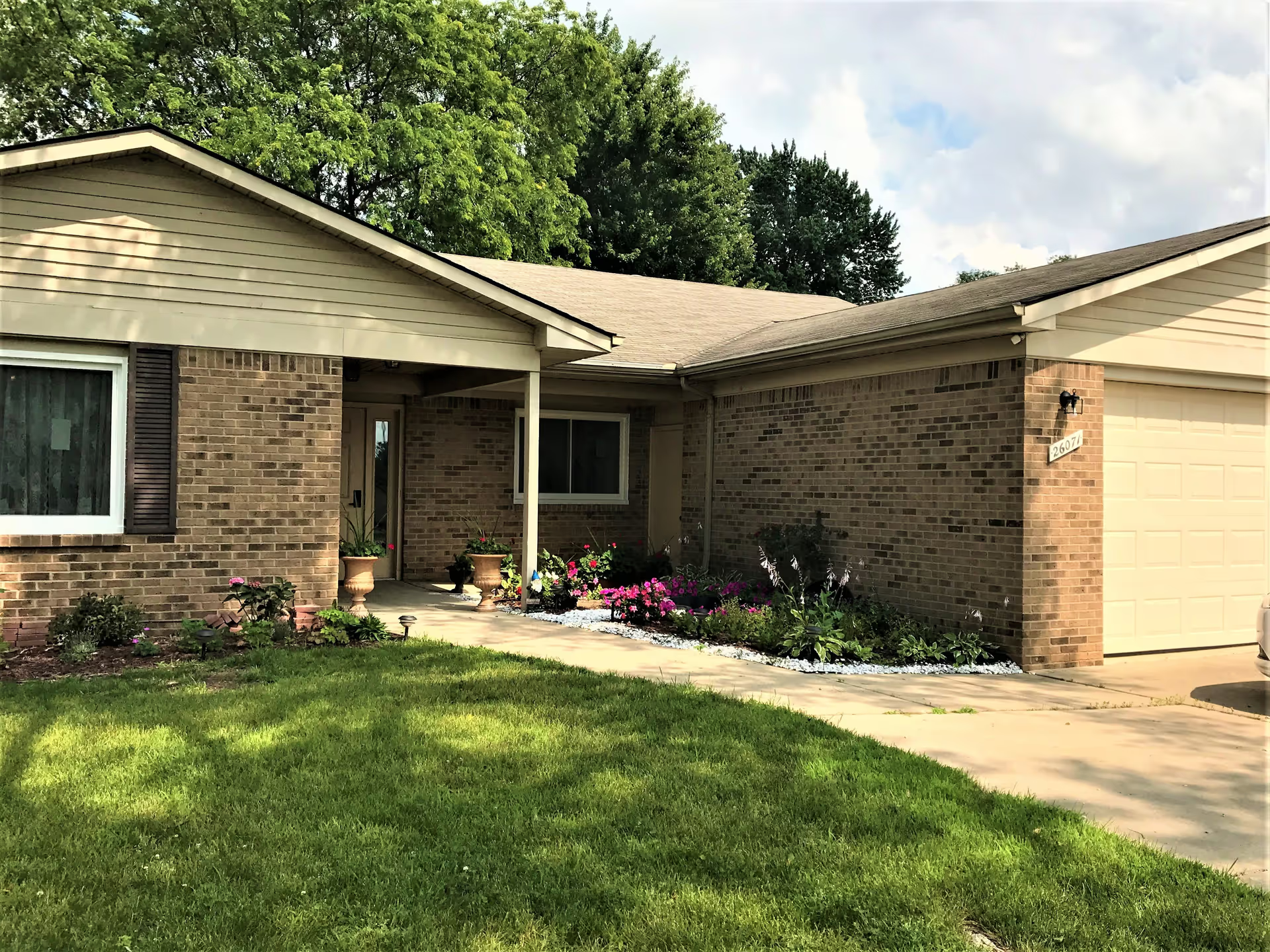
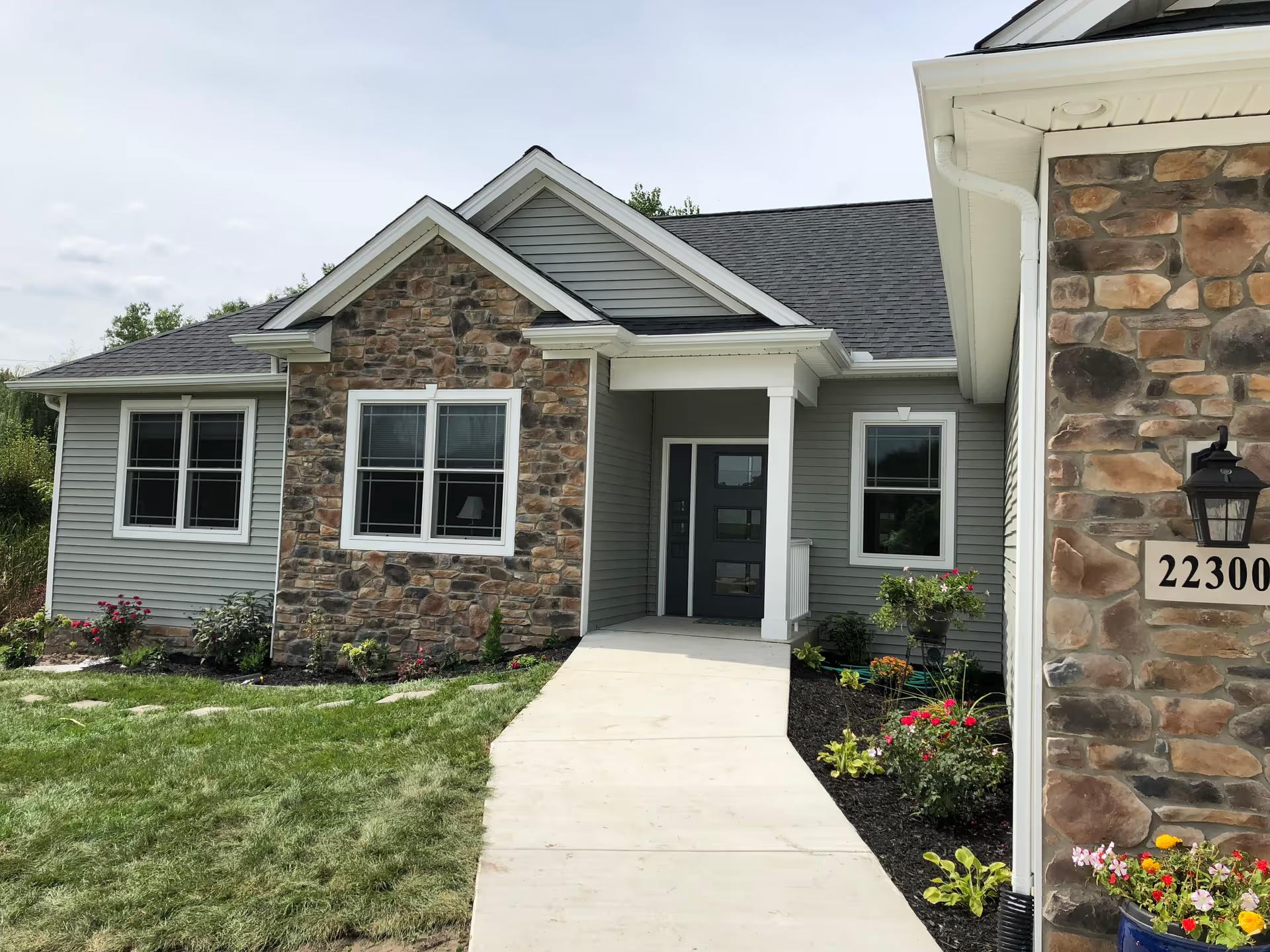
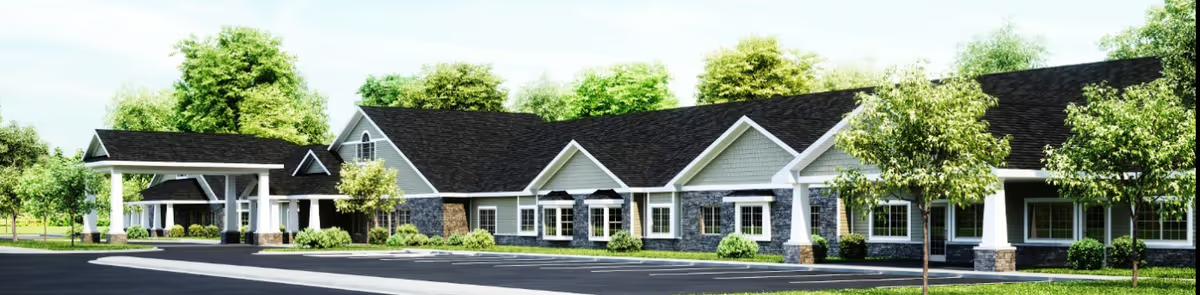
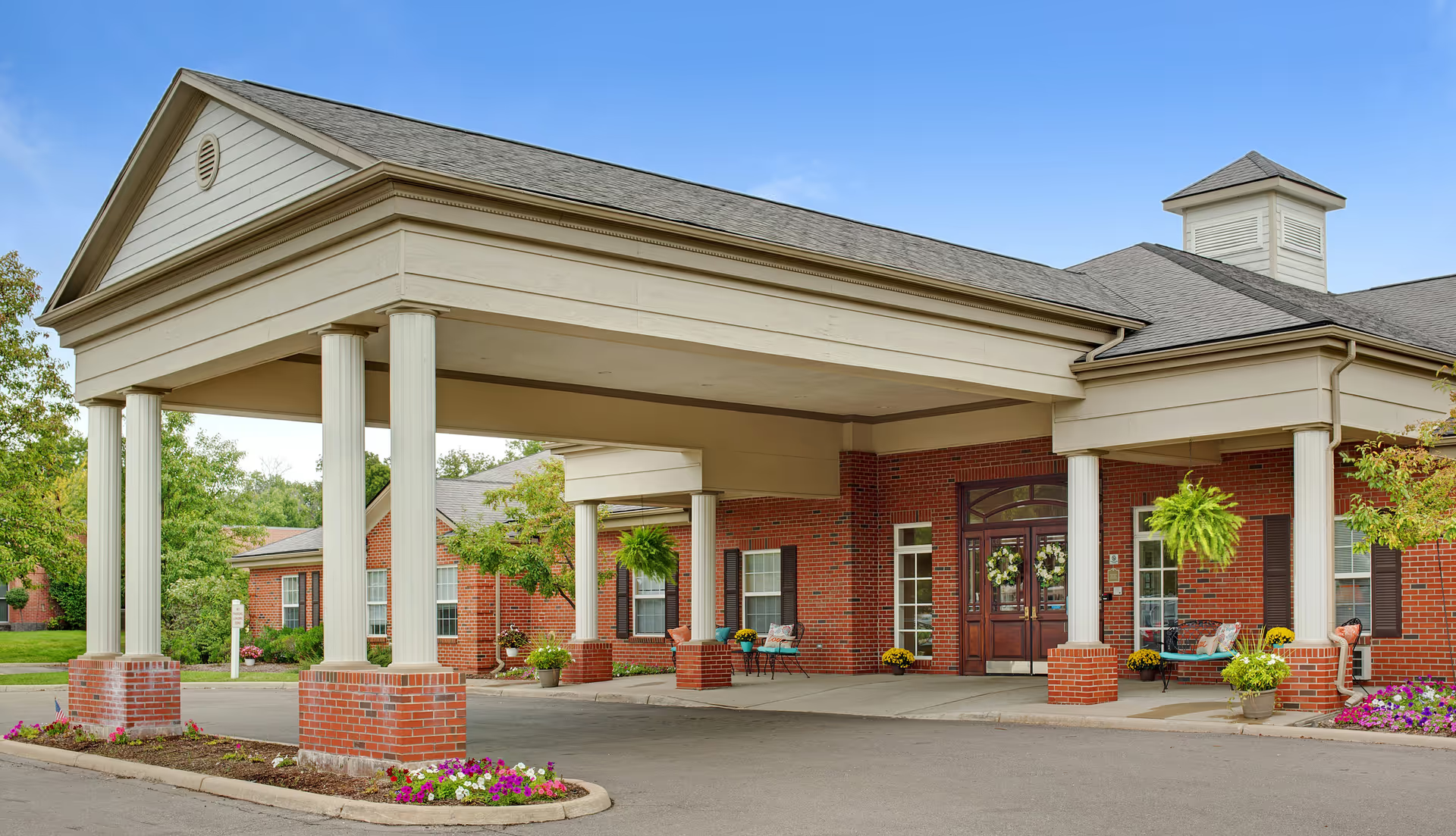
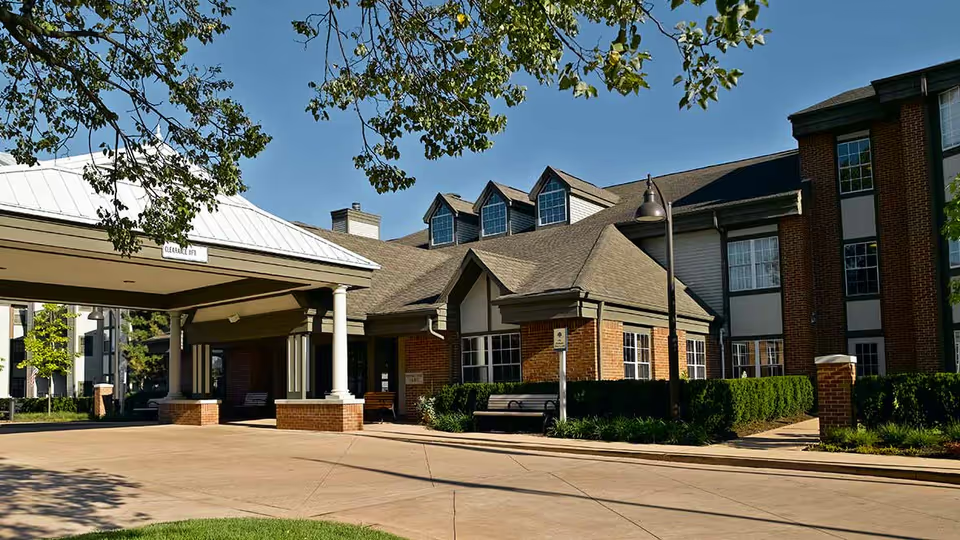
Saint Therese at IHM Senior Living is consistently described as a visually appealing, well-maintained campus with a historic character and spacious, well-laid-out apartments. Reviewers emphasize the cleanliness of the building and common areas, and many highlight comfortable accommodations and an attractive interior. The property’s grounds — including access to farm and convent acreage — are a clear strength: they offer peaceful outdoor space and tangible gardening opportunities that residents value as an activity and a source of wellbeing.
Care and staffing impressions are mixed. Several accounts praise professional, knowledgeable staff and the presence of the Sisters as contributors to a warm community culture. At the same time, other comments indicate variability in direct-care quality and caregiver competency, suggesting that hands-on care performance may be inconsistent across shifts or units. Specific operational weaknesses noted by reviewers include inadequate night-shift oversight and uneven caregiver training, both of which would be relevant to families evaluating safety and reliability of daily assistance.
Interactions and communication are another mixed area. Many describe staff as friendly and welcoming and speak positively about community life; however, some state concerns about staff conduct and communication tone, including instances that reviewers interpreted as discriminatory toward residents of color. These accounts point to uneven application of the facility’s interpersonal standards and indicate an area where stronger training or supervisory emphasis could reduce variability in resident experience.
Dining was not a prominent theme in the provided summaries, so there is limited information to assess food quality, menu variety, or meal-service reliability. Activities beyond gardening are not frequently described, though the strong emphasis on outdoor access and gardening opportunities suggests an active emphasis on meaningful, outdoor-focused programs for residents who enjoy horticulture and quiet outdoor time.
Management responsiveness is another pattern to note: while some staff-level interactions are praised, there are reports of limited managerial support when families raised concerns. Prospective residents and families should ask about staff training programs, night-shift staffing levels and supervision, and the facility’s approach to equity and resident communication during a tour. Overall, the facility offers an attractive physical environment and community strengths, paired with operational areas — notably staffing consistency, caregiver competency, night-shift oversight, and management responsiveness — that prospective families may wish to evaluate closely during visits and reference checks.