The collected reviews portray Seacrest Rehabilitation and Nursing Center as a facility with a mix of clear strengths and recurring operational weaknesses. Many families and residents praise the direct-care teams: nursing staff and CNAs are frequently described as attentive, compassionate, and available, and rehabilitation services (OT/PT) are repeatedly highlighted as effective in restoring mobility and independence. Admissions, social work, and the financial office receive positive mention for helpful communication and administrative support in multiple accounts. Dining and activities are another strong area — reviewers commonly note good meals, frequent social programming, holiday events, pet therapy, and opportunities for family involvement (including remote options such as FaceTime and flexible visiting hours).
At the same time, a number of systemic concerns appear across reviews. Staffing inconsistency and turnover emerge as a recurrent theme linked to slower response times, long call-light waits, and variable continuity of care. Several reports describe medication-administration problems, delayed assistance that contributed to adverse events, and gaps in fall-prevention or safe-transfer practices; together these suggest variability in clinical oversight and operational reliability. Communication with families is uneven in some cases, with accounts of long phone hold times and inconsistent updates about resident status and care plans.
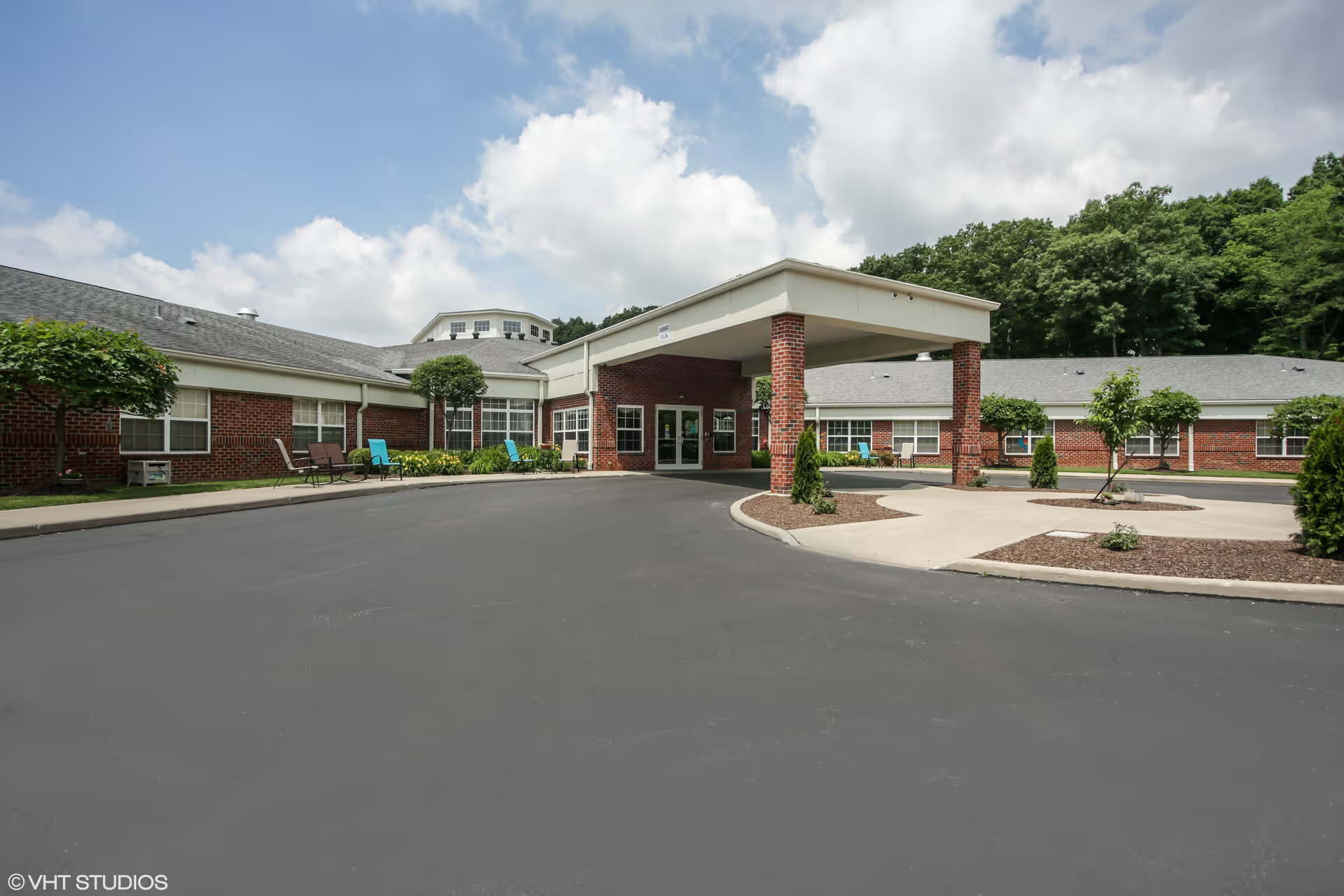
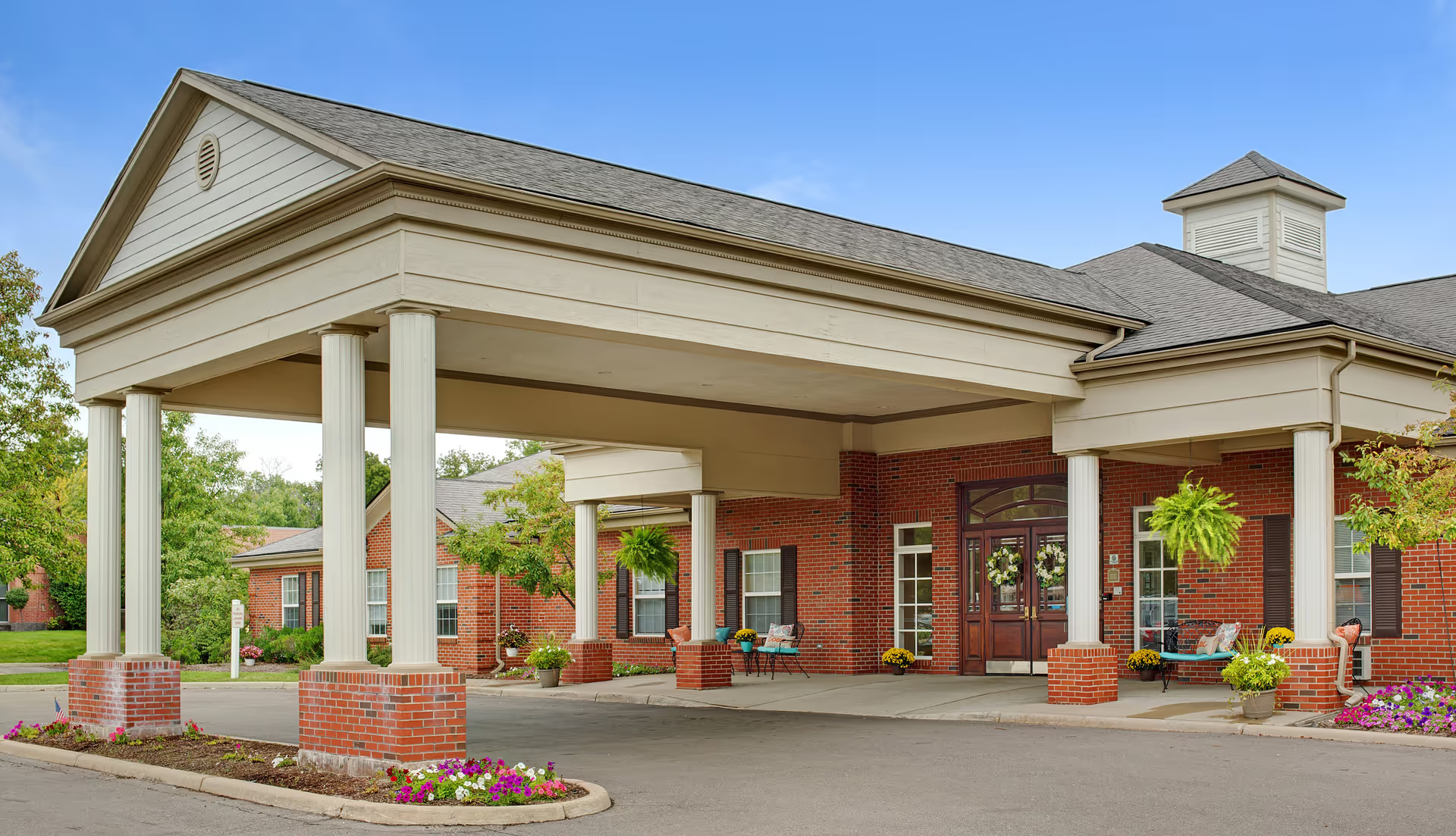
Facility and maintenance issues are another notable pattern. While parts of the building have been remodeled and many rooms are described as clean and comfortable, other commenters raise sanitation and cleanliness inconsistencies, plumbing and pest-control concerns, and limitations of the physical plant such as inadequate HVAC or lack of central air in some areas. A small number of reviews allege theft or mishandling of personal property; this is a serious claim that reviewers raised and which points to potential weaknesses in property-controls and staff accountability. There are also expressed concerns about infection-control practices, including COVID-related transmission in some instances.
Management and culture appear mixed: several reviewers praise specific administrators and admissions staff by name for going above and beyond, and some accounts indicate improvement following ownership changes. Conversely, other comments point to billing issues, staffing mandates that may drive turnover, and perceptions of aggressive marketing or rating practices. Overall, the pattern is polarized — many families report positive, rehabilitative experiences with strong day-to-day caregiving, while others describe operational lapses that materially affected resident safety, communication, or property security.
For prospective residents and families: consider an in-person tour that inspects both renovated and older units, ask for current staffing ratios and turnover statistics, request written protocols for medication administration, fall prevention, infection control, and property inventory procedures, and seek references from recent families who had similar care needs. Those measures can help assess whether the facility's strengths in therapy, activities, and compassionate direct care are consistently matched by reliable clinical operations and facility maintenance at the time of placement.