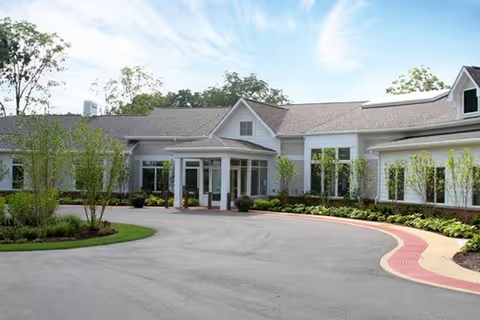
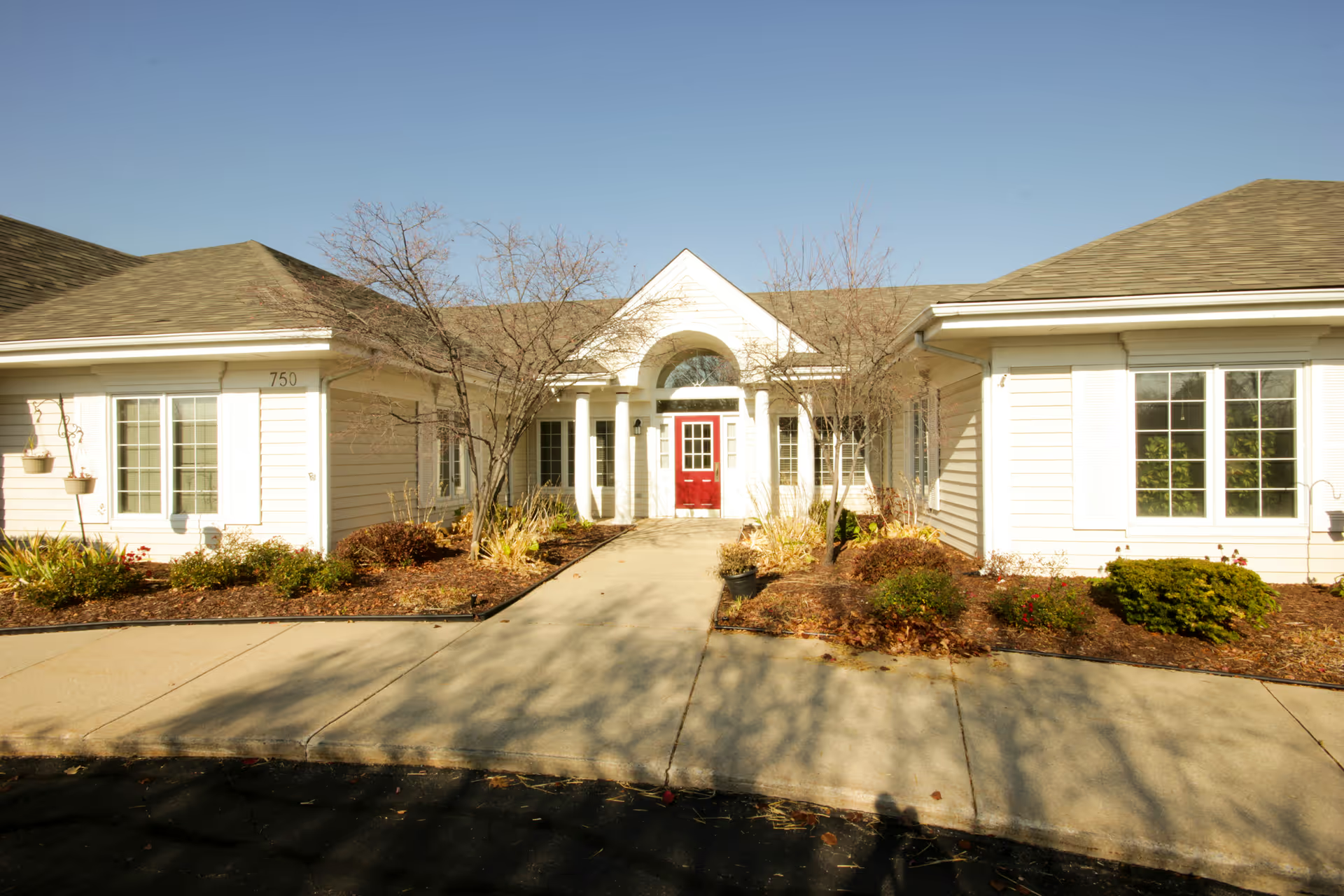
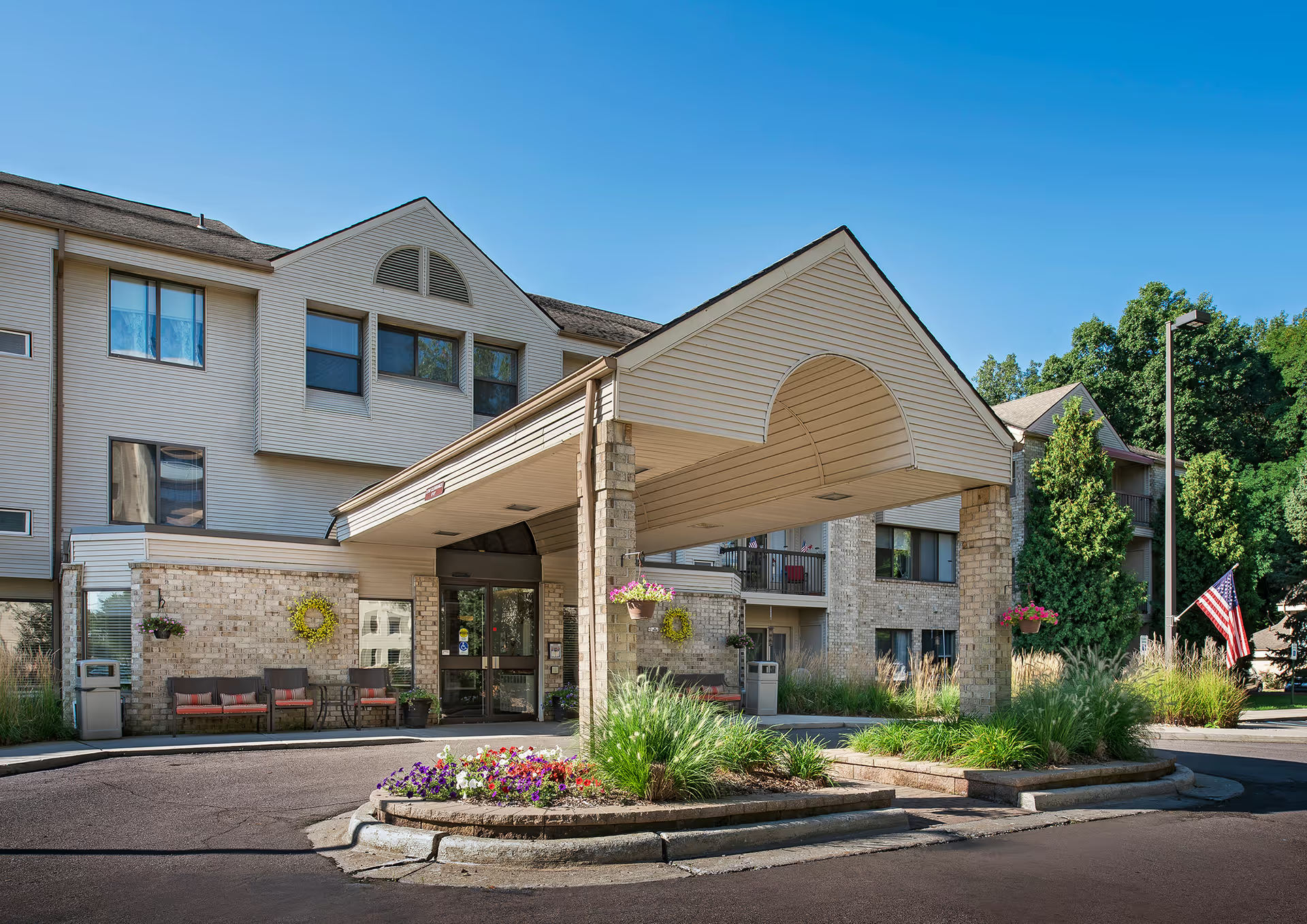
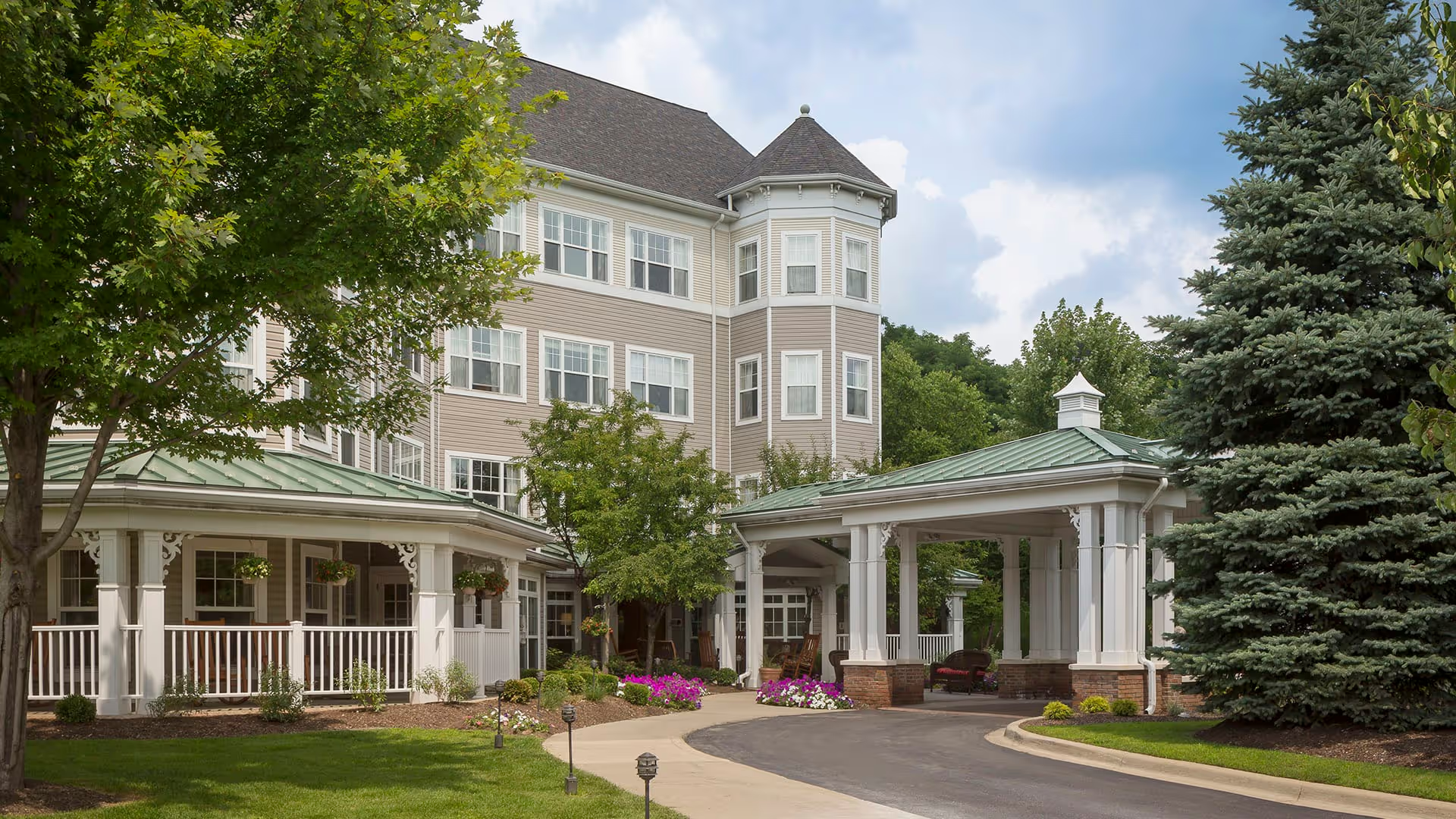
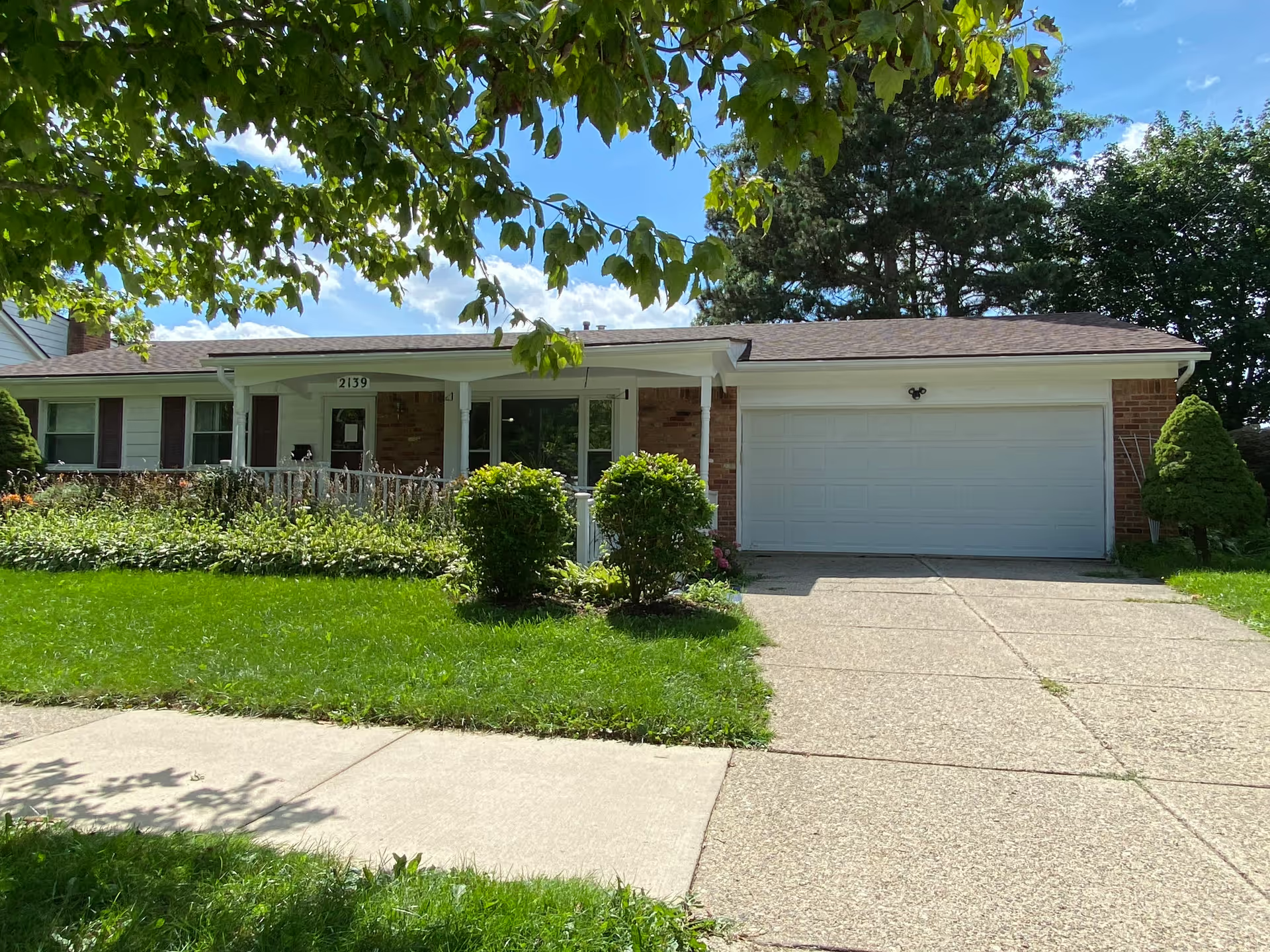
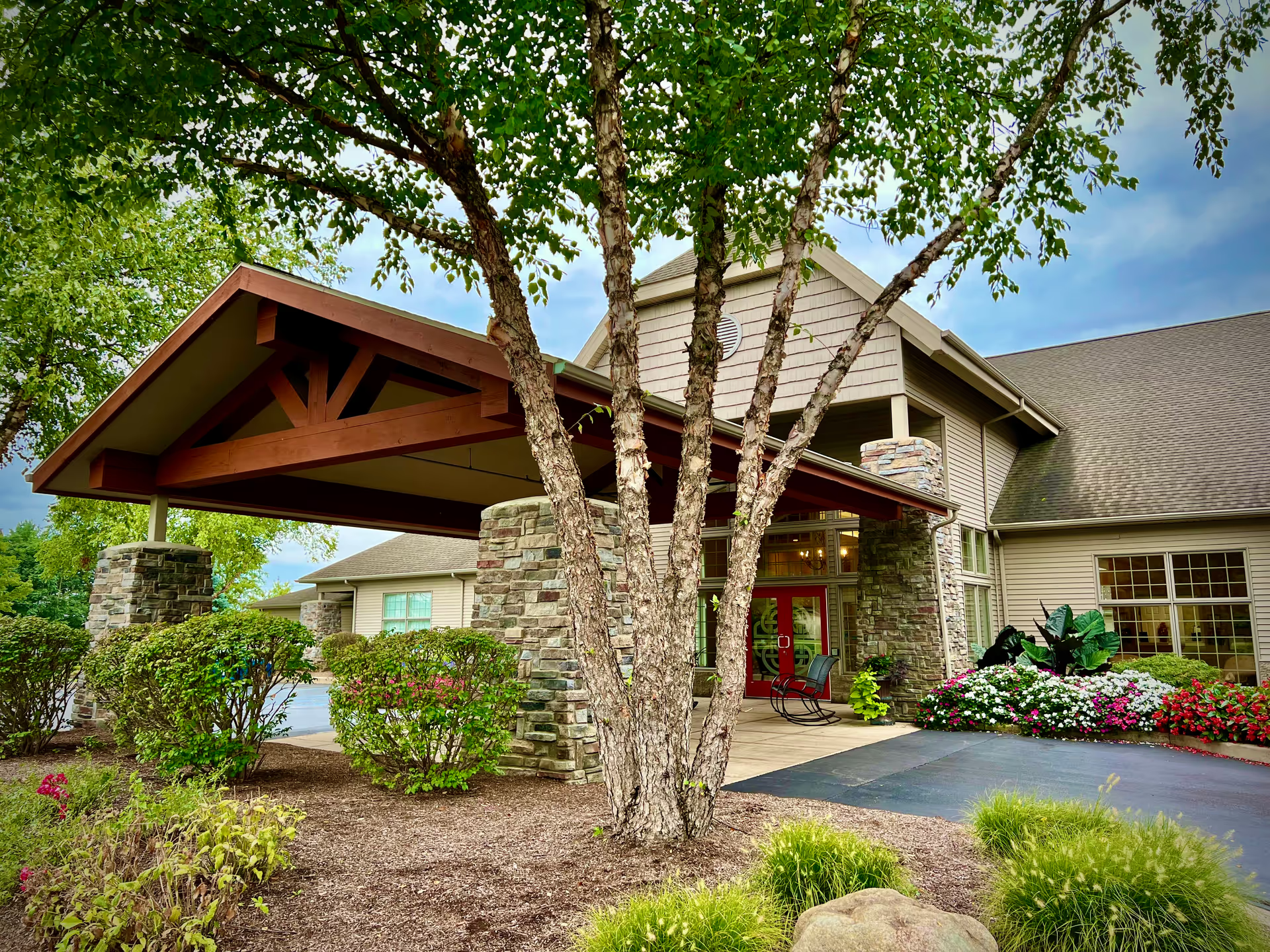
The reviews portray Evangelical Home–Saline as a large, bright facility with several notable strengths in rehabilitation, environment, and programming. Many families and former residents praised the facility’s therapy services (physical and occupational therapy), describing measurable functional improvements such as increased mobility and alertness. Reviewers also highlighted the facility’s engaging activity schedule — including music, movies, and memory-care programming — and frequent comments indicate that residents are actively engaged. The physical environment is generally described as welcoming, sunny, and well maintained, with explicit appreciation for cleanliness, family- and pet-friendly policies, and comfortable rooms.
Staff interactions are a central theme with mixed but important patterns. Numerous reviews describe aides, therapists, and some nurses as caring, attentive, and effective—particularly within the rehabilitation teams and among staff who provide direct daily care. These positive staff experiences are linked to good outcomes and family reassurance, including supportive end-of-life/hospice coordination. At the same time, a distinct pattern of variability emerges: several accounts describe inconsistent responsiveness from nursing staff, variable conduct or tone, and instances where communication between clinical staff and families was poor. Together these comments suggest that while portions of the care team perform strongly, performance is uneven across shifts and roles.
Operationally, recurring issues relate to staffing and internal communication. Reviewers noted high turnover, overworked staff, and gaps in follow-through that manifest as medication and meal delays, occasional failures to follow clinical orders, and management follow-up that some families found unsatisfactory. These observations point to systemic pressures that can affect continuity of care and family confidence, even where individual caregivers provide strong support. Management and administrative responsiveness receive mixed assessments: some families found office staff helpful and communicative, while others described insufficient escalation or resolution of concerns.
Dining and facilities impressions are varied. Several reviewers complimented food and the general upkeep of the building; others found meal quality inconsistent. The facility’s large resident population creates a busy campus with limited outdoor access noted by some and constrained parking in peak times. Practical positives include Medicaid acceptance and an available memory-care unit, which broaden access for different payer sources and clinical needs.
In summary, Evangelical Home–Saline appears to offer strong rehabilitation services, an engaging activity program, and a generally pleasant physical environment. Prospective residents and families should weigh these strengths against recurring operational concerns: inconsistent nursing responsiveness, variable staff performance, communication gaps, and the effects of staffing pressures on medication and meal-service reliability. Visiting the facility, meeting therapy and nursing staff, reviewing current staffing patterns, and discussing care coordination and communication protocols with management will help families determine whether the facility’s strengths align with the prospective resident’s needs.