Linden Square receives many positive comments about compassionate, attentive staff and residents who appear comfortable and engaged. Families describe caregivers who learn residents’ preferences, offer patient support to people with dementia, and help make transitions into care more manageable. Some families also value the support provided during hospice care. However, experiences are not consistent: other accounts describe uneven personal care, limited staff contact, and residents waiting for assistance. Staffing adequacy—particularly in memory care and during night shifts—is a recurring concern, as are delays in call-button response. One reviewer also noted that a call-button device was not working properly, underscoring the importance of checking that alert systems function reliably.
Activities are a notable strength. Reviews describe a varied schedule that includes music, games, exercise, clubs, holiday events, and opportunities for families and community groups to participate. Activities staff are frequently praised for personally inviting residents, adapting activities to individual interests, and spending time one-on-one. Family members also describe staff helping residents feel welcome and at home, including by accommodating personal belongings and familiar room decorations.
Dining feedback is generally favorable, with positive comments about the chef, food, and menu variety. Other accounts identify room for improvement in meal quality and service consistency. During an infection-control closure of the dining room, meals were delivered to residents’ rooms; one family described delays and substitutions when food deliveries arrived late. These experiences suggest that meal service can be affected by supply and staffing pressures.
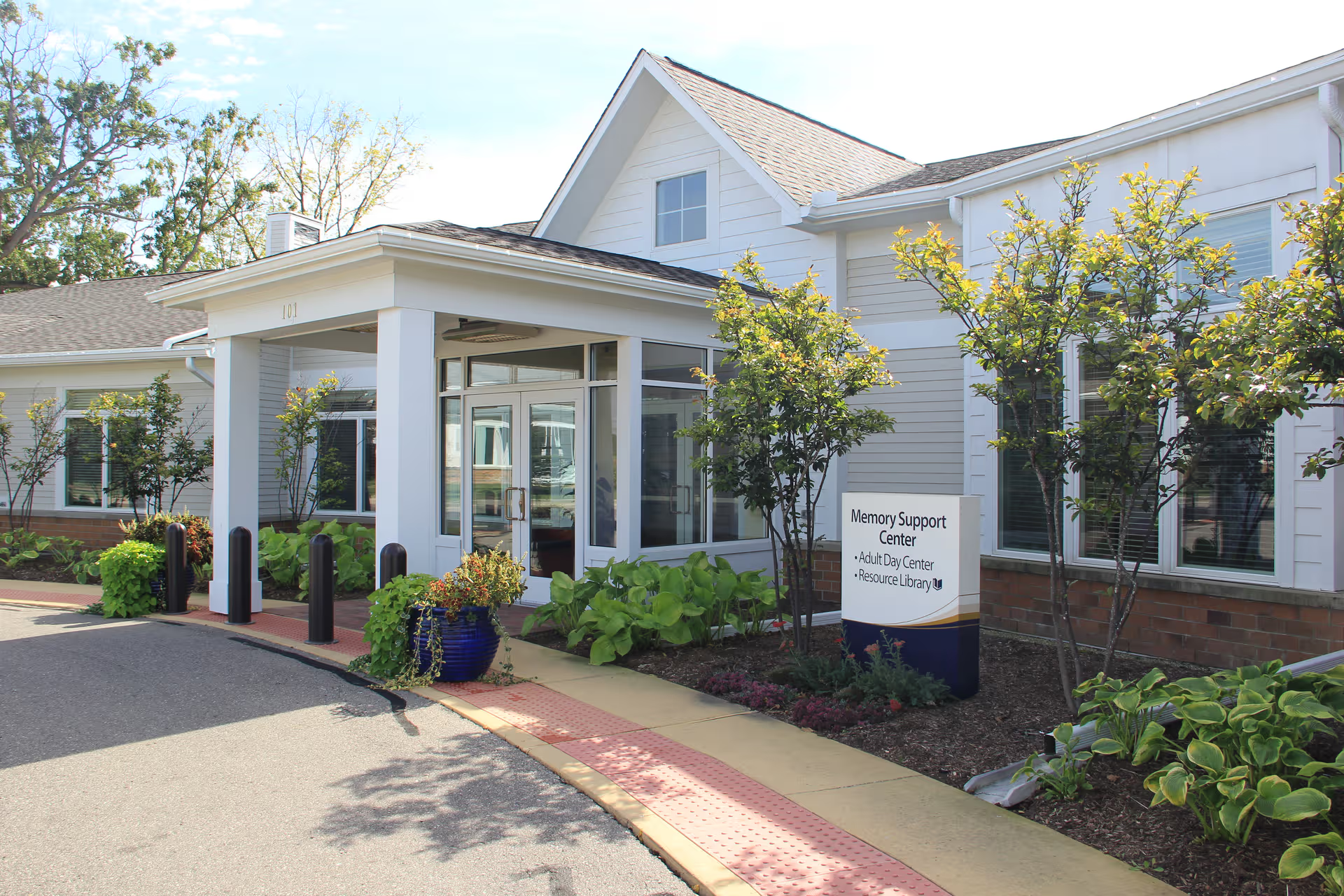
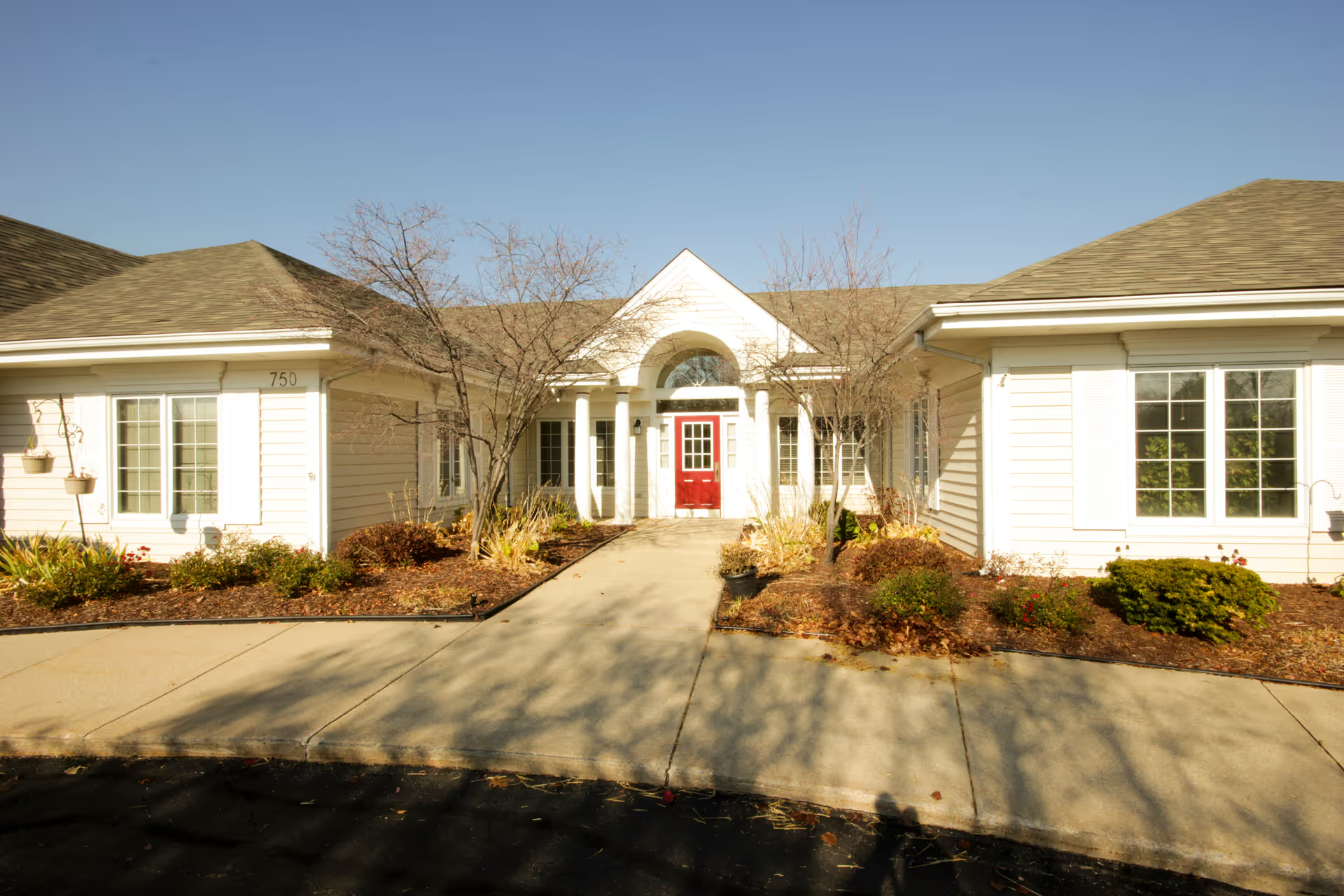
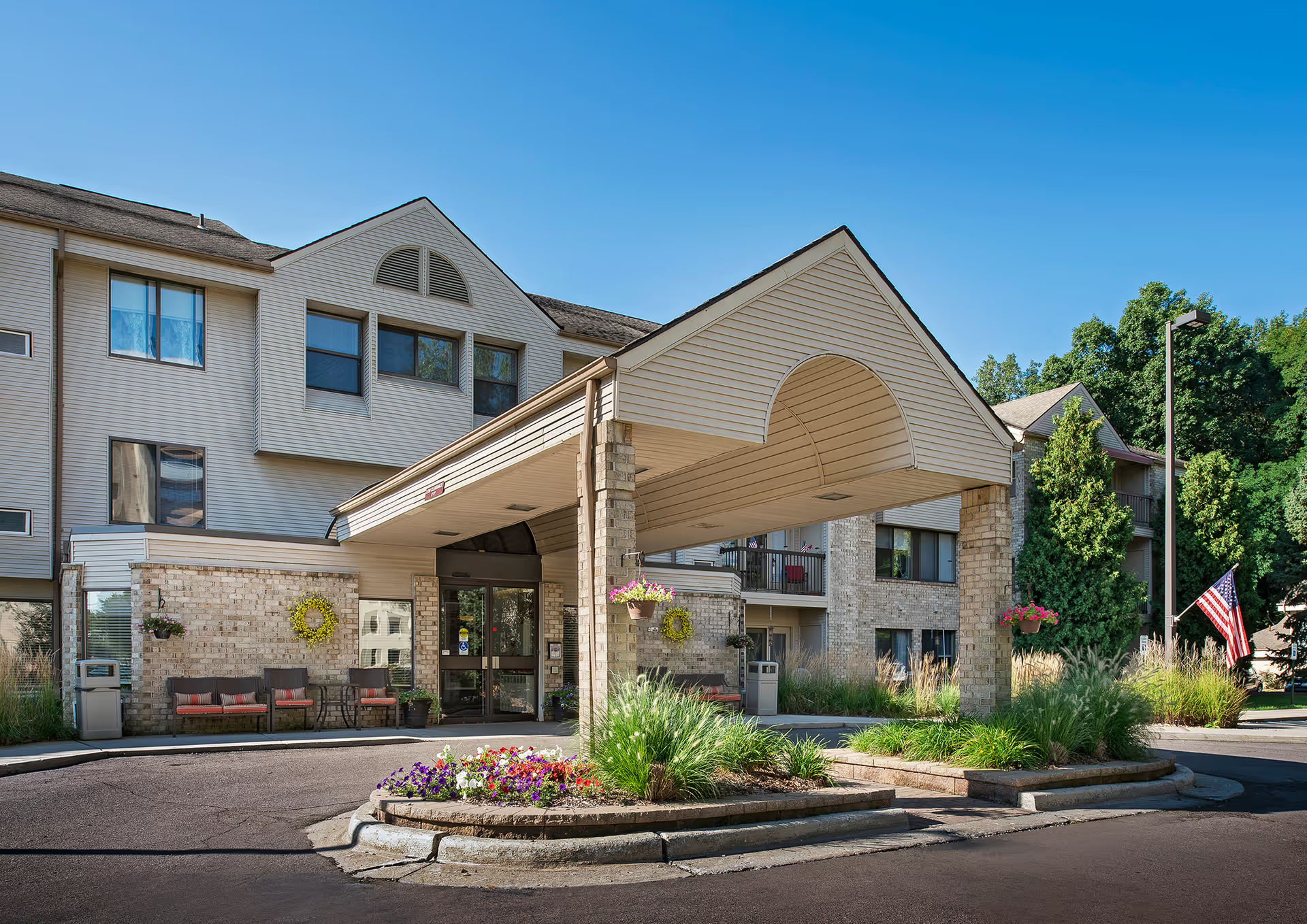
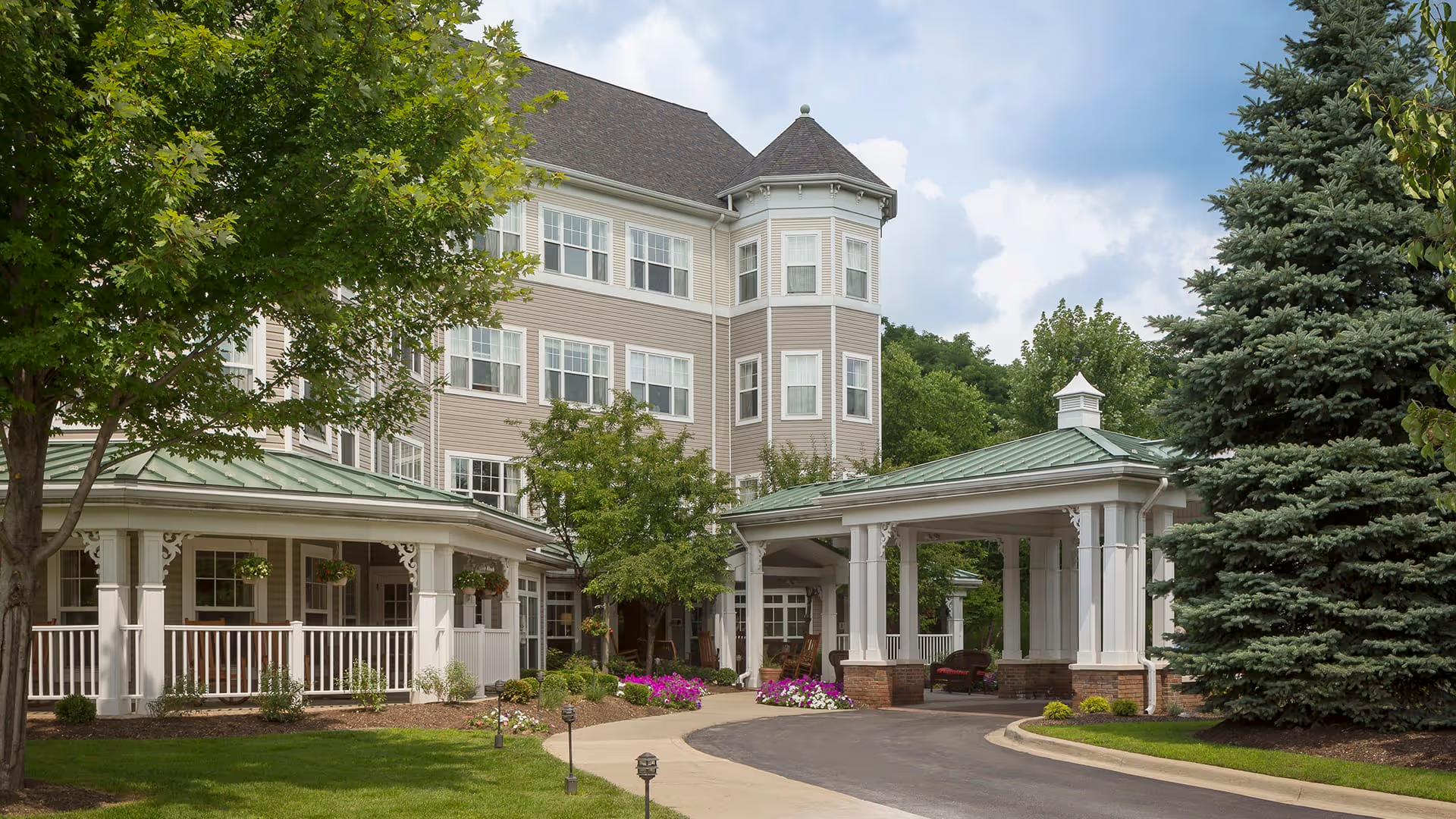
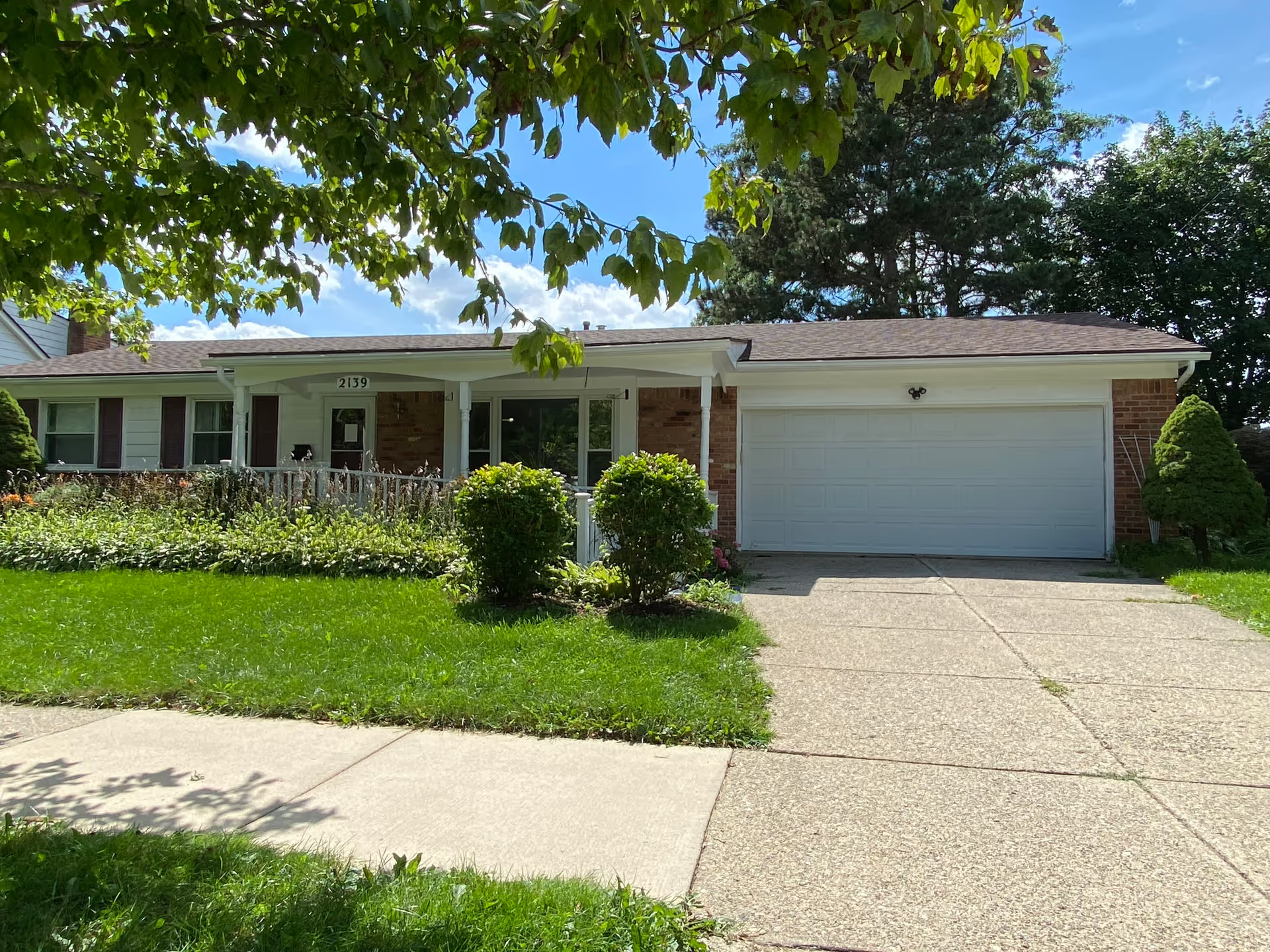
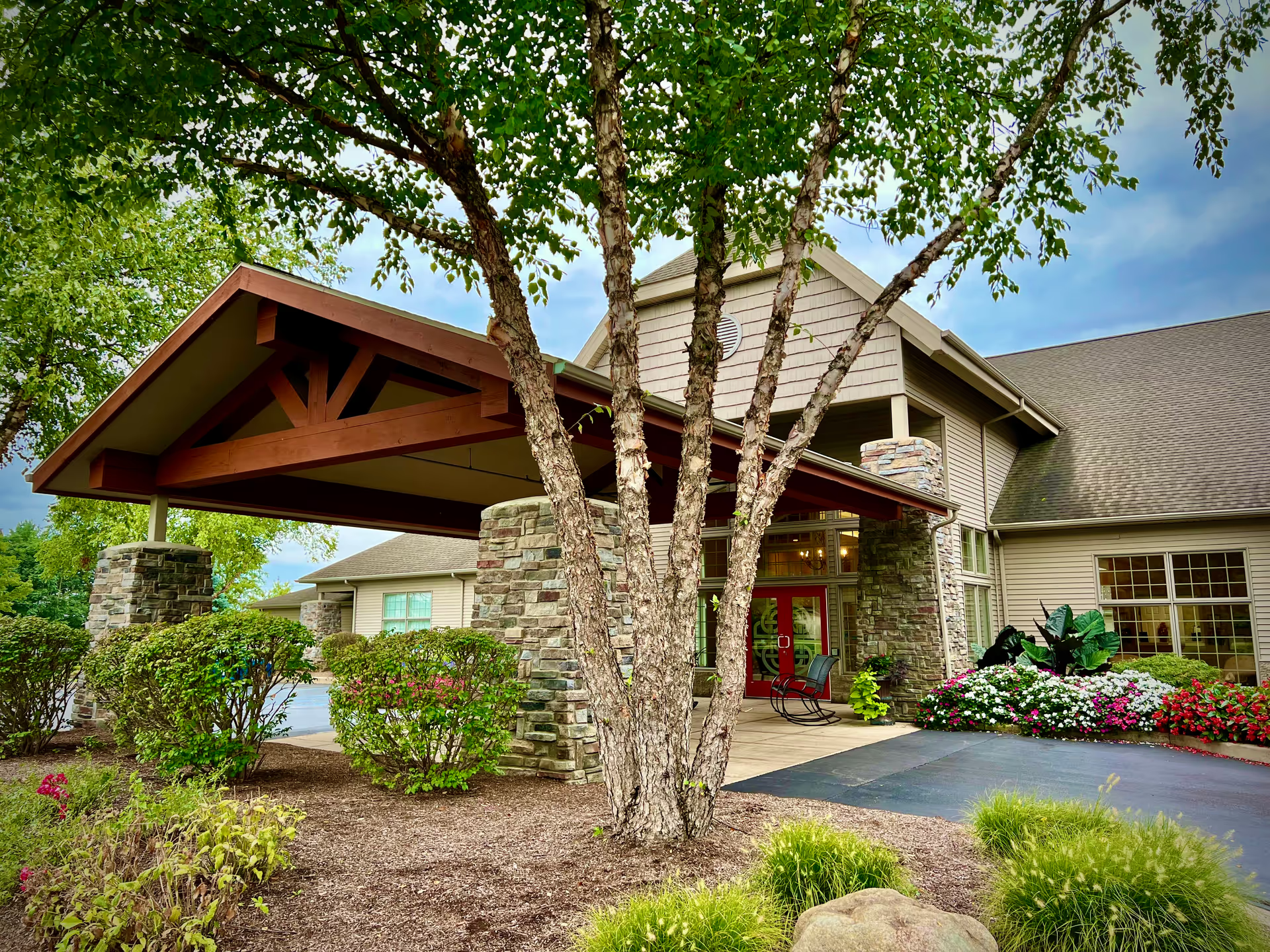
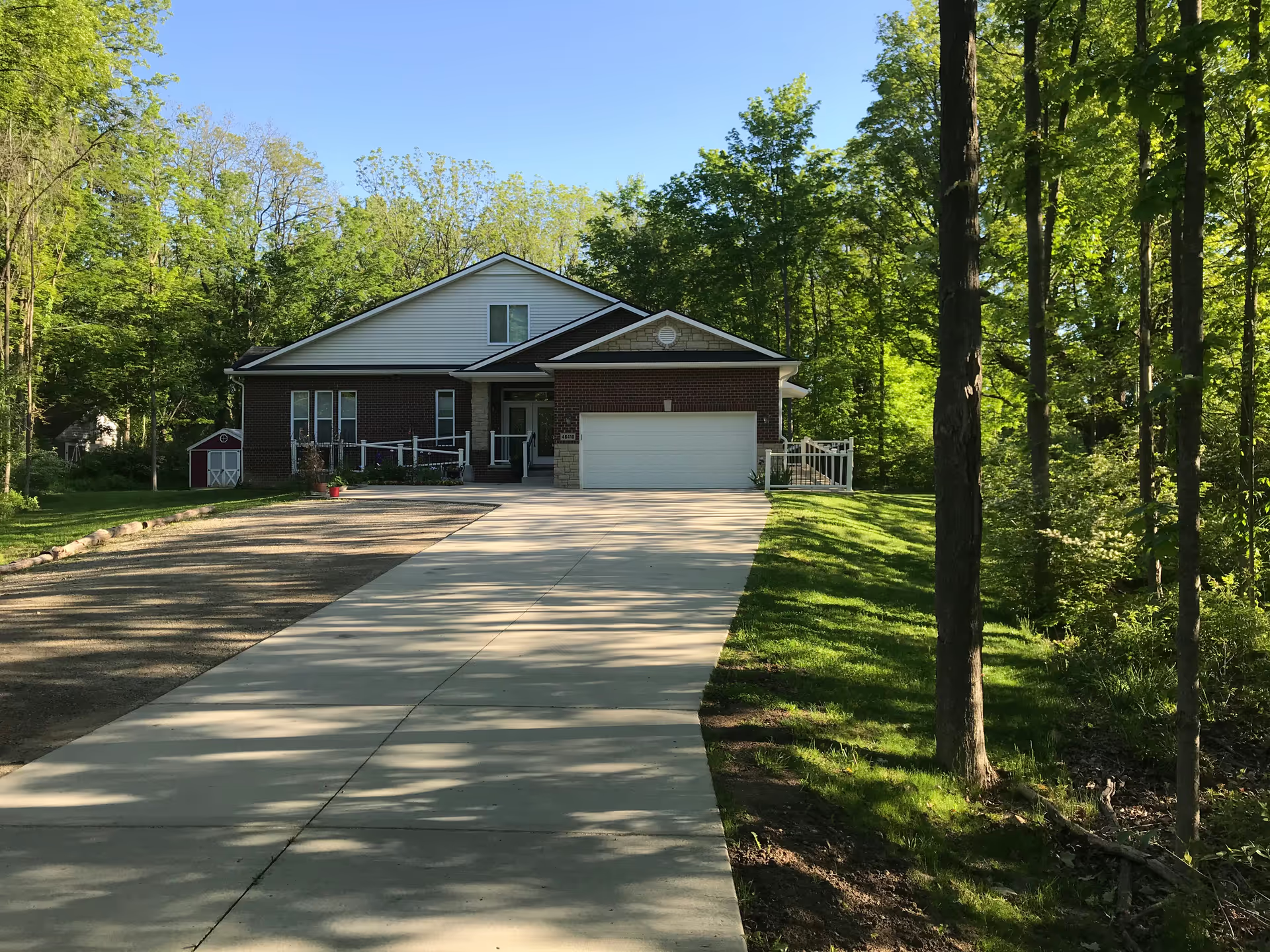
The building is often described as clean, well maintained, and conveniently arranged, with a single-level layout, comfortable rooms, parking, and accessible outdoor areas. Recent flooring and ramp improvements were viewed positively. Some visitors, however, found portions of the interior institutional in feel, and there are reports of odor, bathroom sanitation, and inconsistent bathing concerns. Room-security and access-control practices were also questioned in individual accounts, including concerns about belongings and restricted-area access.
Management feedback is mixed and appears to vary across different periods and leadership changes. Some families praise administrators and nurses for being accessible, listening to concerns, and making improvements; other accounts describe slow follow-up, communication gaps, and dissatisfaction with how care needs or dementia-related behaviors were handled. Families also raise concerns about the clarity and cost of care-level charges and added services. Overall, the reviews portray a community with strong activity programming and many highly valued staff relationships, alongside meaningful variation in staffing, responsiveness, personal-care consistency, and management communication. Prospective residents and families may want to ask specifically about staffing by shift, memory-care supervision, personal-care schedules, call-button testing, fee details, and how concerns are escalated.