The reviews present a mixed picture that clusters into two primary themes: several positive accounts of staff demeanor and facility condition, and serious operational concerns that bear directly on resident safety and quality of care. Positive comments emphasize attentive, professional and friendly frontline caregivers, a well-maintained physical environment, and effective lines of communication with management or the owner. These strengths suggest that families may encounter engaged staff and a clean, orderly setting during visits.
Care-quality issues are the most consequential pattern raised. Multiple reviewers described medication-administration problems, including frequent errors and difficulties in reading or reconciling medications. Those accounts, together with observations about untrained or underprepared caregivers, point to weaknesses in medication-management controls and staff competency that could increase the risk of misadministration. Prospective families should request details about medication-pass protocols, use of electronic medication administration records (MARs), pharmacy oversight, staff training curricula, and audit procedures to understand how the facility prevents and detects medication errors.
Staffing and communication present a mixed picture. Several reviewers praised the staff as attentive and professional and said management or the owner communicated clearly; however, other comments identify language barriers between staff and residents or families and describe challenges when raising concerns with ownership. These differences indicate variability in communication effectiveness. Ask about staff language proficiency, availability of interpreters or bilingual caregivers, staff-to-resident ratios, and how the facility documents and follows up on family communications.
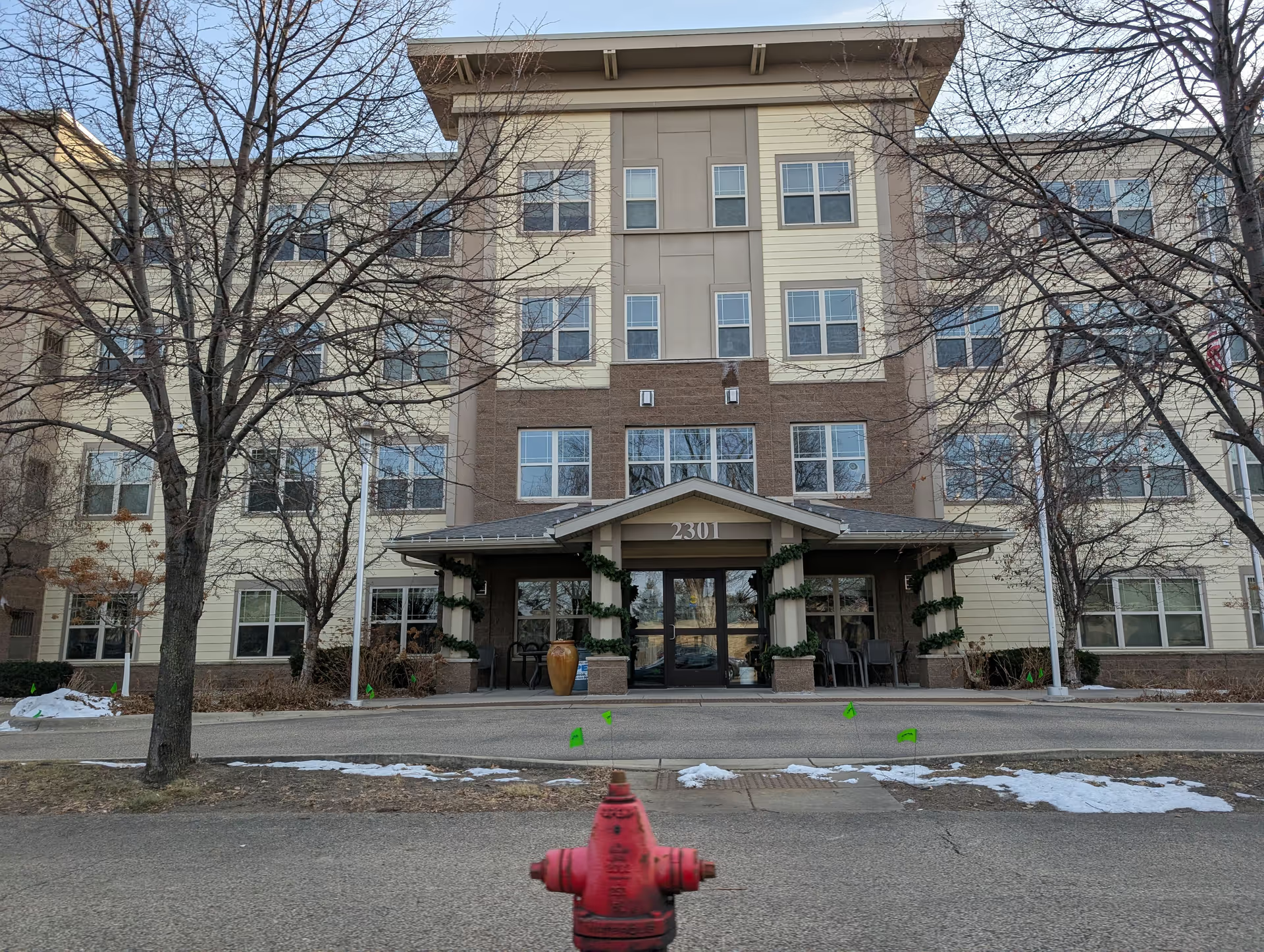
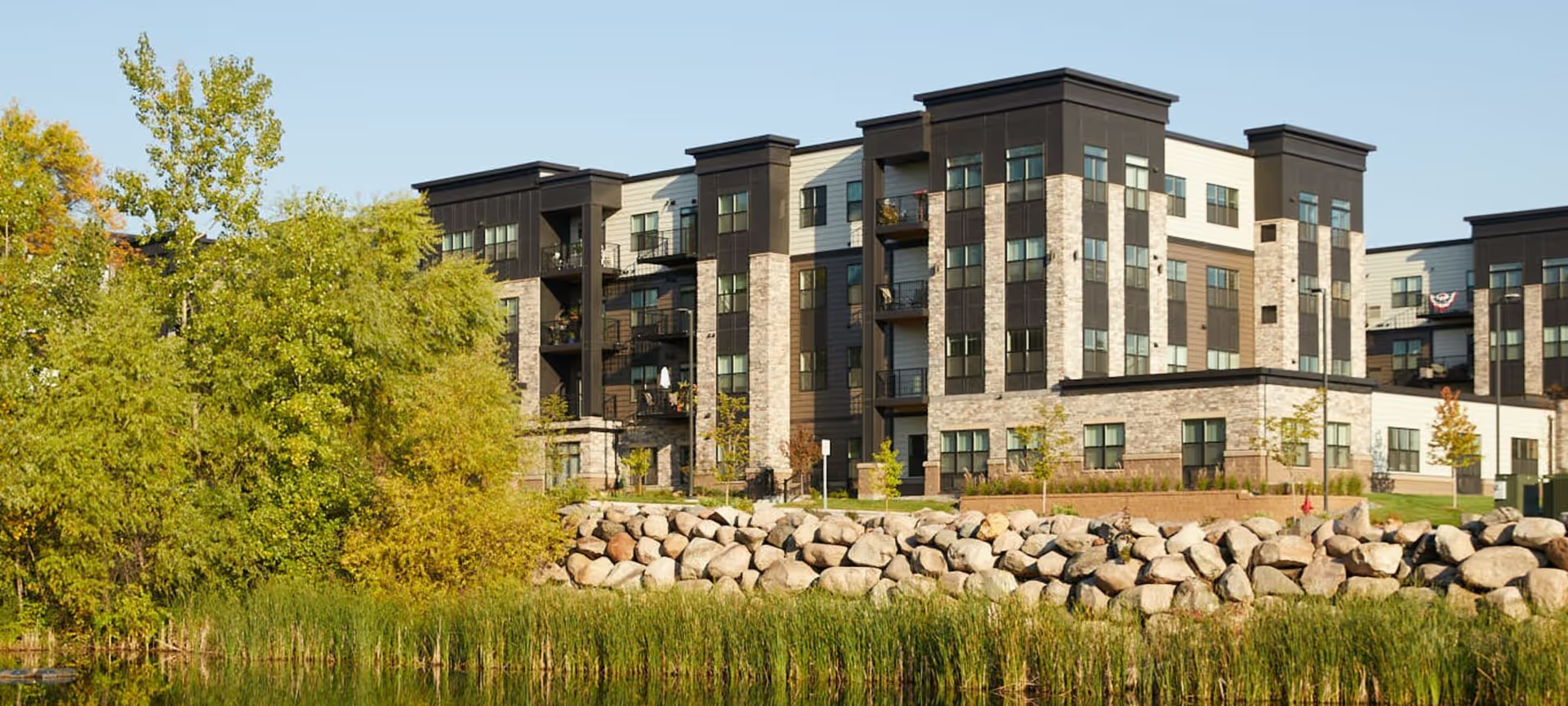
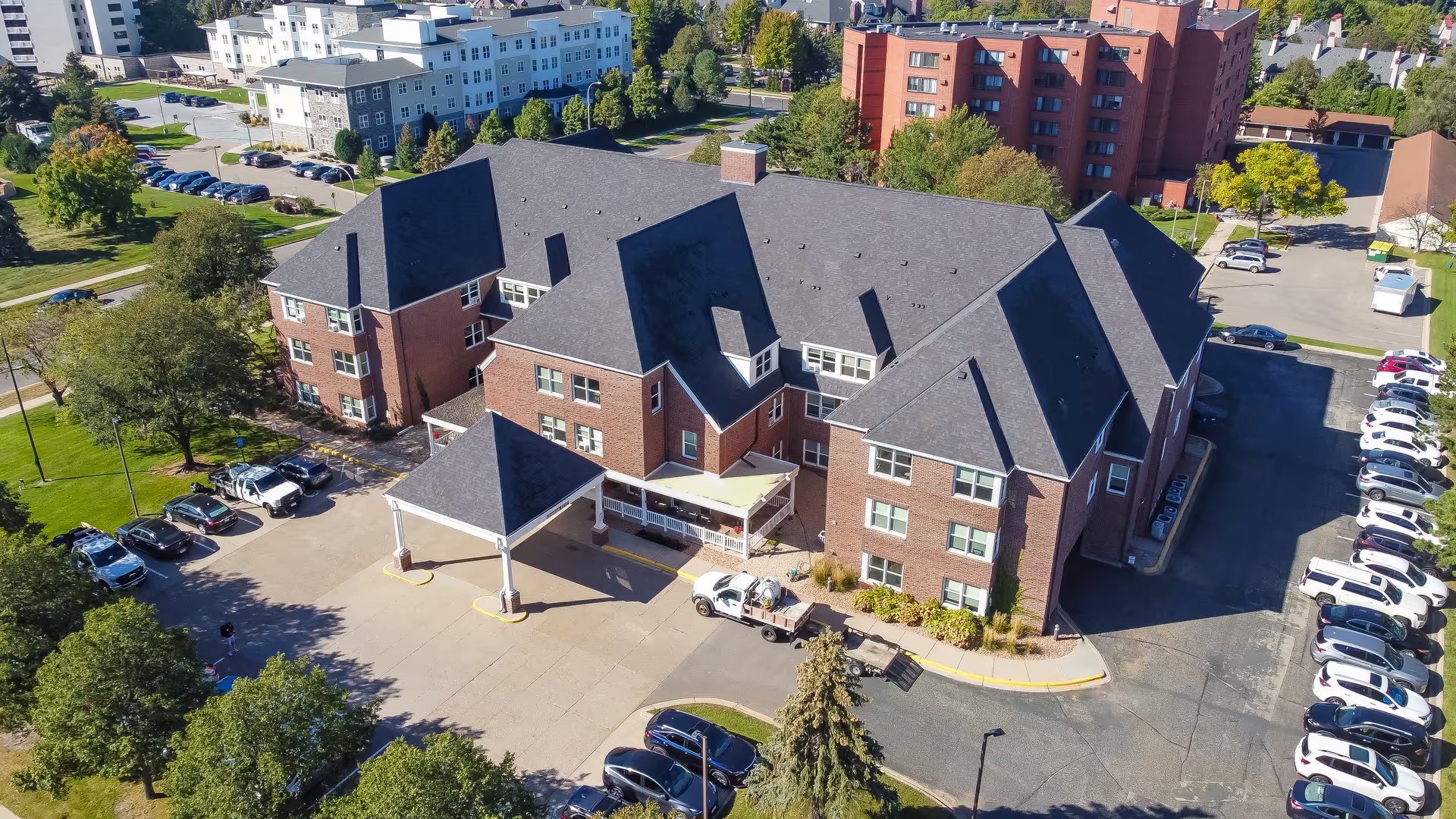
There is limited specific information about dining and activities in the summaries provided. The positive notes about facility upkeep may reflect well on communal spaces and general hospitality, but reviewers did not provide consistent detail about meal quality, dietary accommodations, or the activity program. Families should tour dining areas, review sample menus, and request an activities calendar to assess enrichment and meal-service practices.
Safety and resident-placement processes are additional areas of concern. Comments suggest that resident-screening and behavioral-risk management may be insufficient in some cases, with instances of resident-to-resident conflict and situational safety risks. This points to gaps in admission criteria, ongoing behavioral monitoring, and incident-response processes. When evaluating the facility, request the admission policy, behavioral-support protocols, a sample incident-log review process, and information on how the facility segregates or supervises residents when safety concerns arise.
In summary, this facility has attributes that families value—courteous caregivers, a maintained environment, and lines of management communication—but also displays operational weaknesses that can affect care safety, notably in medication administration, staff training, language access, and behavioral-risk management. Prospective residents and families should balance the positive aspects against these operational concerns, conduct an in-person tour, and obtain documentation on medication protocols, staff training and language capabilities, admission and behavioral policies, incident-handling procedures, and recent quality- or audit-reports before making a placement decision.