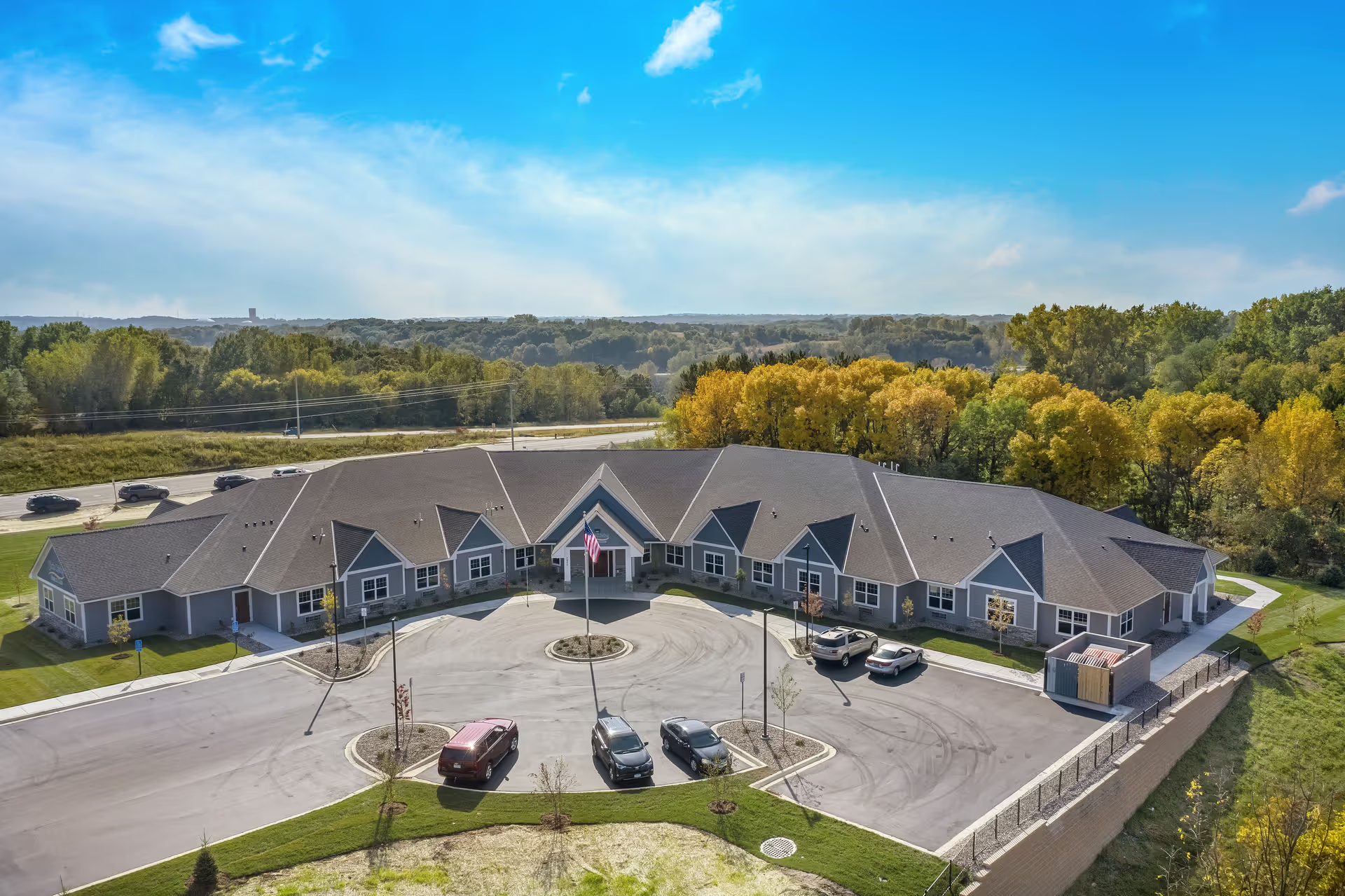
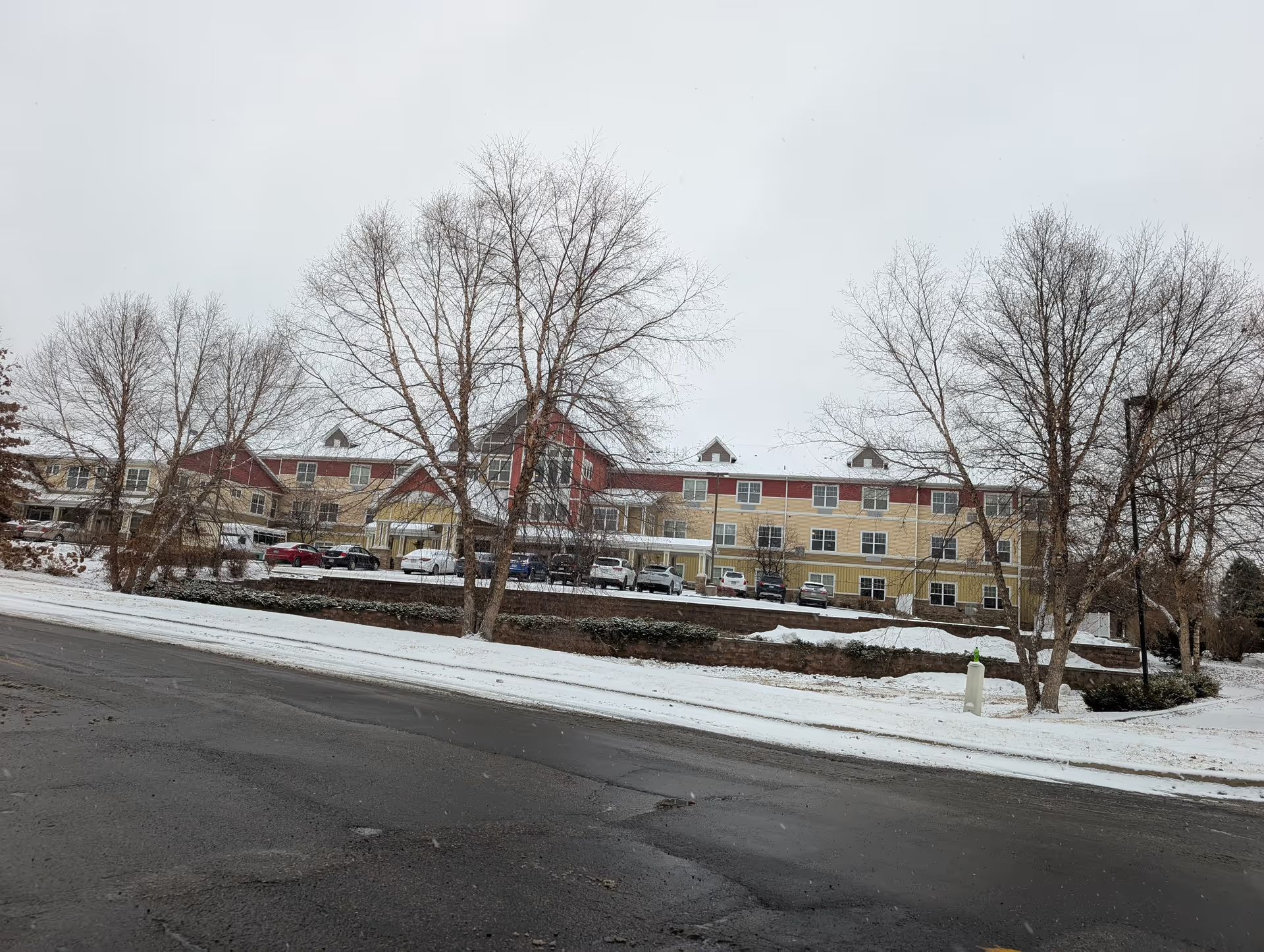
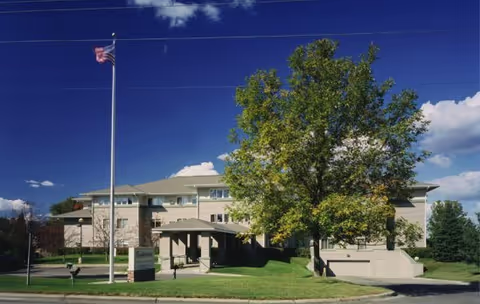
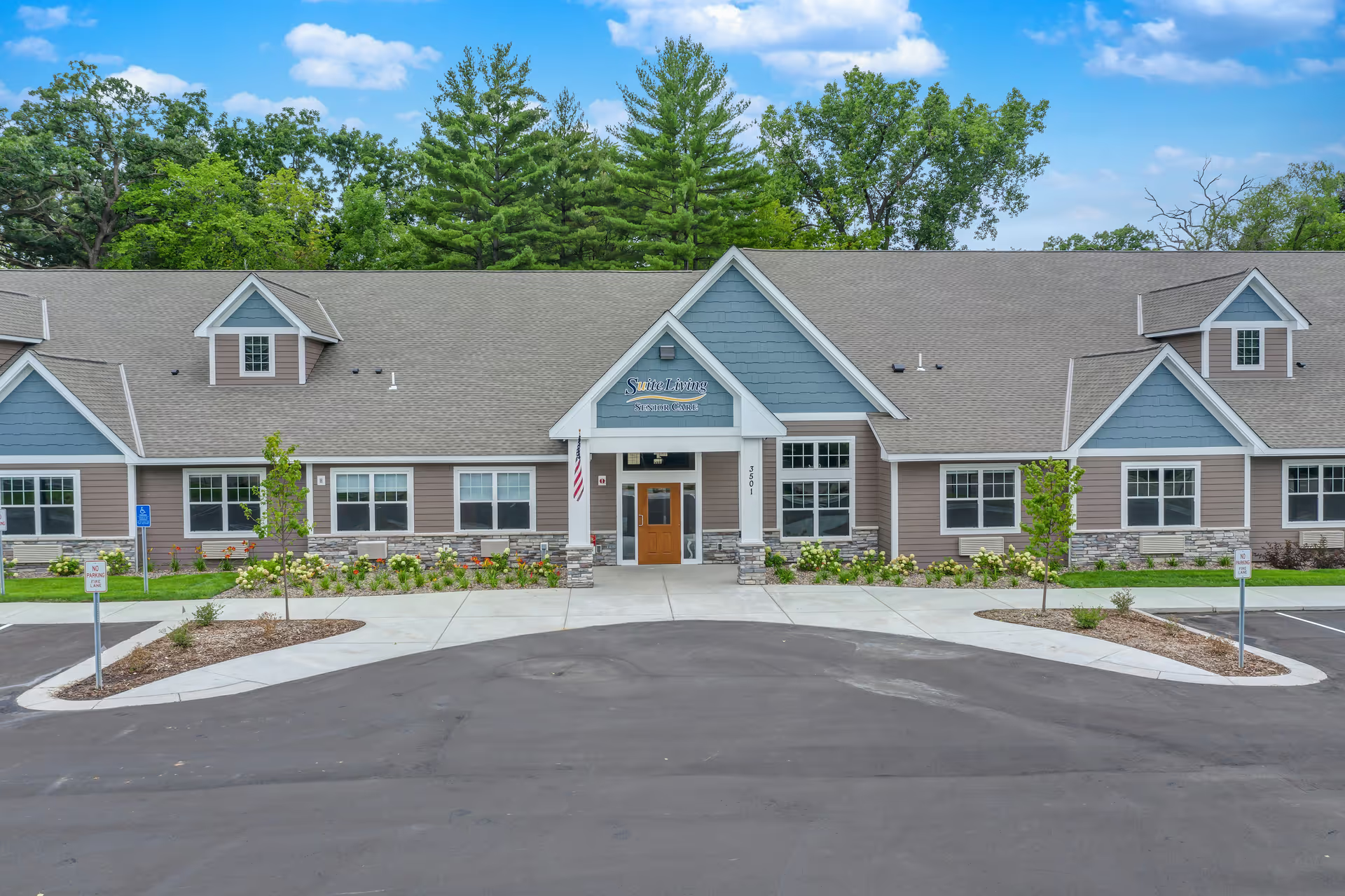
Ecumen Prairie Lodge presents as a small, single-level senior living community with features that appeal to families seeking a quieter, home-like environment. The facility is primarily composed of private studio suites without kitchenettes, and reviewers commonly noted the advantage of single-occupancy rooms and a compact resident census that can support familiarity between staff and residents. Many accounts praise the warmth of individual caregivers and the approachable management presence; these factors contribute to a sense of safety and peace of mind for numerous families.
Care quality reports are mixed. Positive accounts describe attentive, compassionate staff, effective memory-care routines, and meaningful one-on-one engagement that supports socialization and cognitive stimulation. Conversely, other accounts identify operational weaknesses: delays in responding to call lights, inconsistent adherence to individualized care plans, and concerns about medication-recording practices. These patterns suggest variability in frontline execution and clinical documentation rather than uniformly applied care processes.
Staffing and workforce dynamics are a recurring theme. Several reviewers highlighted caring, dedicated employees and an activities director who runs worthwhile programs; others described low morale, perception of underpayment, and either high turnover or unstable staffing. This variability appears to influence both direct care responsiveness and the consistency of residents' daily experiences. Families should anticipate differences in day-to-day staffing levels and communication depending on shift and circumstance.
Dining and activities show similar variability. Many residents and families complimented meal quality, portion sizes, and regular social dining; others reported late or inconsistent meals, sporadic food quality, and lack of basic condiments or meal supports. The activity program includes art classes, Bingo, exercise, and opportunities for personal training and walks, though some reviewers noted a limited activity space, a calendar that may not suit all interests, and occasions when programming felt insufficient for certain residents.
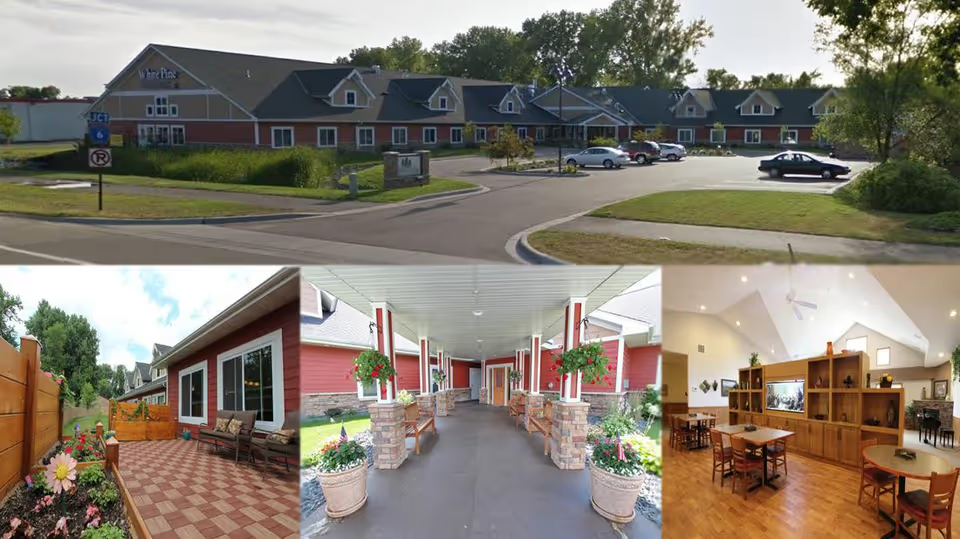
Facility physical condition and operations are another mixed area. Positive observations include clean, comfortable common areas, a pleasant view or grassy spaces at some windows, and accessible parking. Criticisms center on aging infrastructure and maintenance issues — plumbing, HVAC/window problems, cosmetic decline — and instances of delayed housekeeping or sanitation concerns. The building’s small footprint and single level reduce stair use, but layout can create mobility challenges for some residents (for example, distance to the dining room from certain rooms).
Management and communication present a split impression. Several families described compassionate, responsive managers who engaged with concerns constructively; others reported limited follow-up on complaints and inconsistent administrative response. Taken together, the reviews indicate that families may encounter either a well-supported experience or operational shortfalls depending on timing, staff on duty, and management responsiveness.
Notable patterns: the overall impression is polarized — many families report stable, warm care and a comfortable living environment, while a subset report operational lapses that affect hygiene, medication documentation, timely personal care, and meal service. Prospective residents and families would benefit from on-site conversations about staffing ratios, call response protocols, medication administration and documentation practices, housekeeping schedules, and the current activities calendar to understand how these variables are managed on a day-to-day basis.