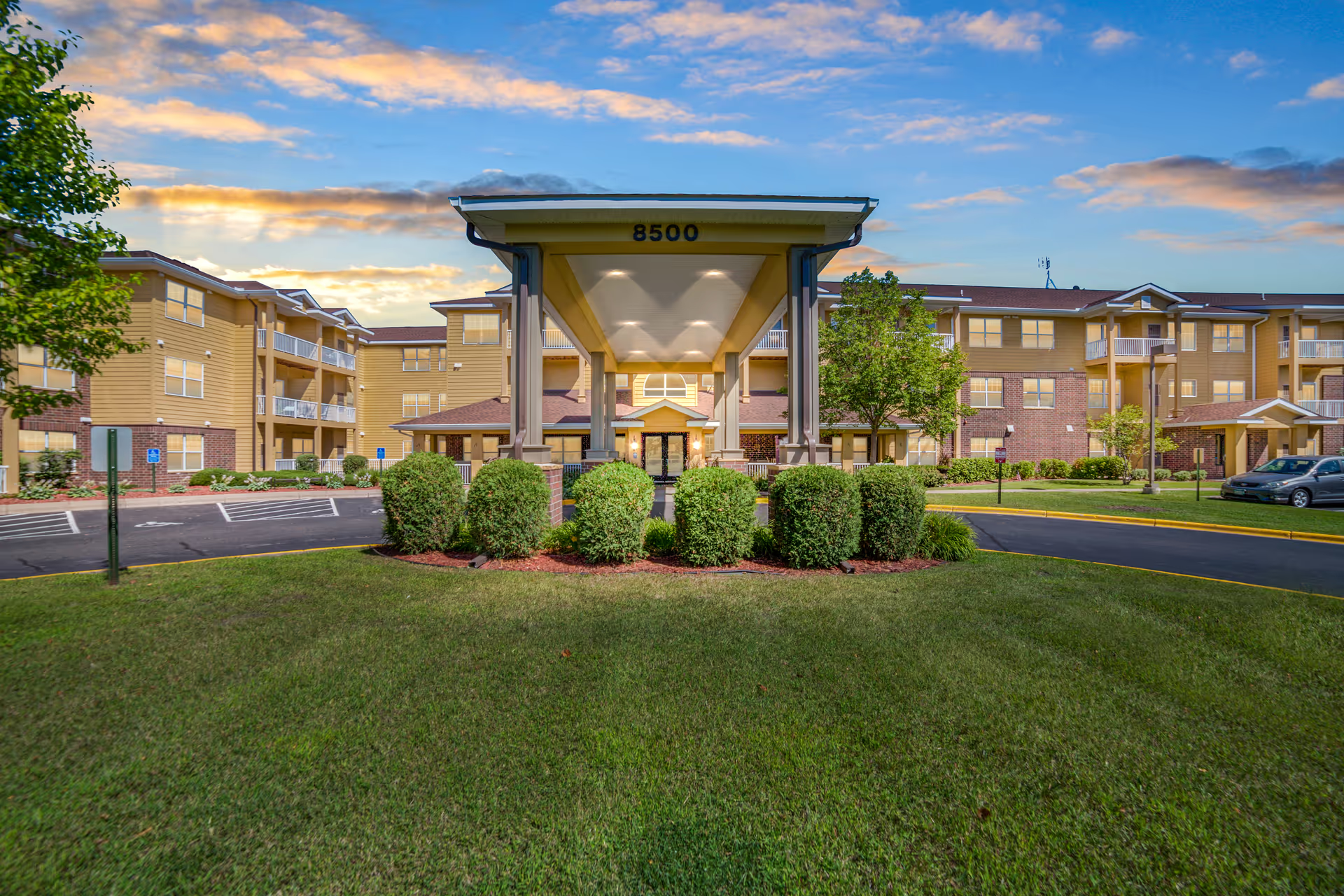
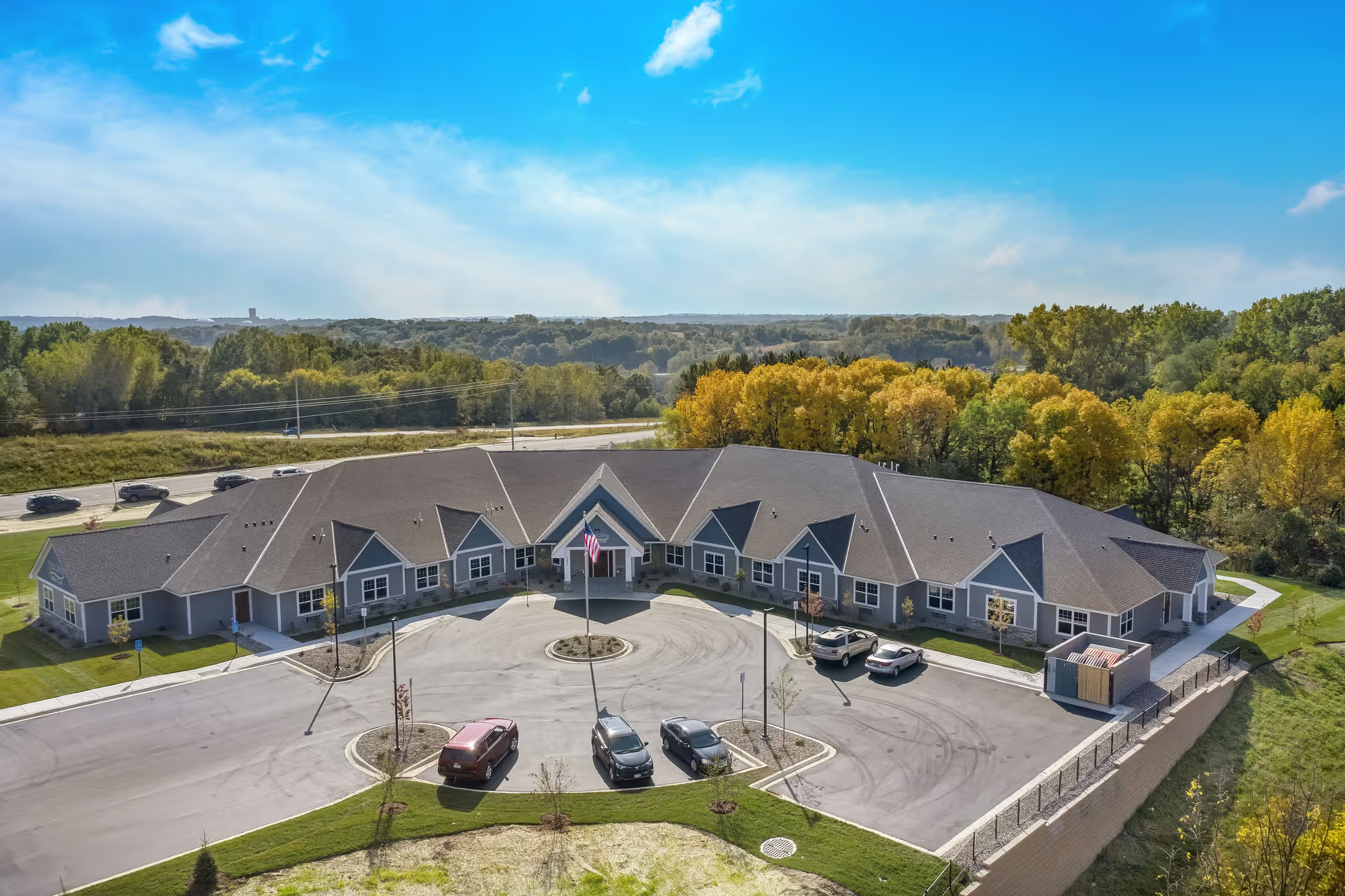
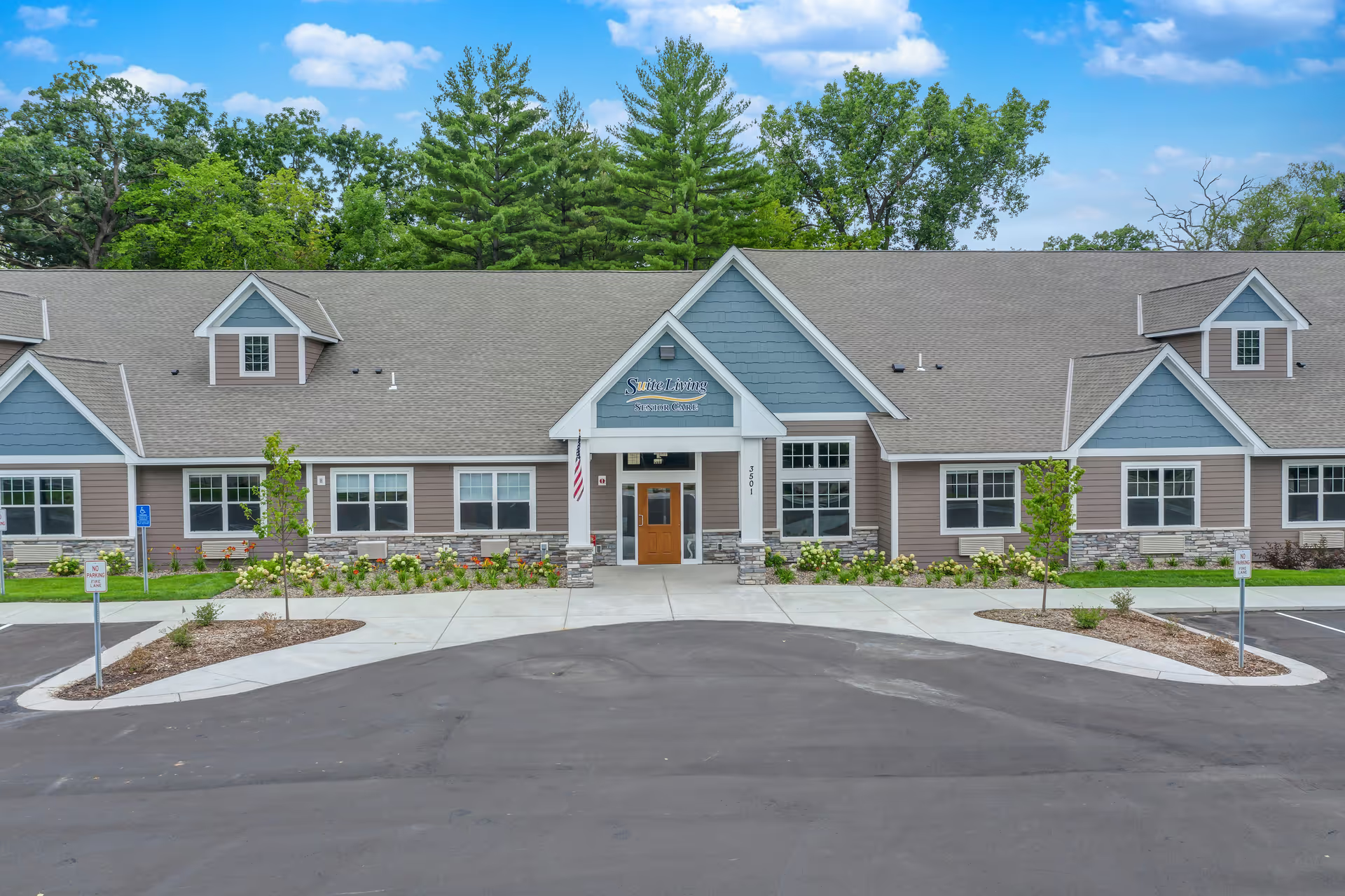
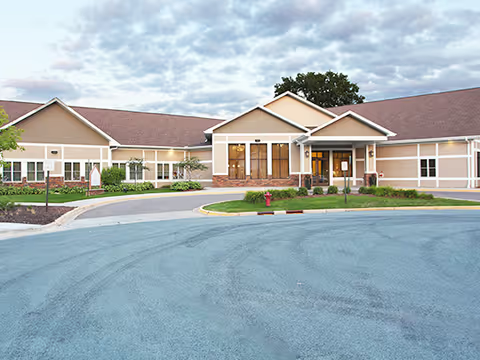
Waterford presents as a large campus with a wide range of living options, attractive apartments, and an active social program. Many families praise the community aspects: an engaging activities calendar, weekly entertainment, spiritual offerings, escorted outings and transportation, restaurant-style dining with alternate menus, and numerous common spaces and grounds that residents find pleasant. The site offers continuum-of-care advantages—independent apartments, assisted living, memory care, therapy spaces, and hospice services—along with safety features such as grab bars, 24-hour call systems, and an on-site security presence.
Care and staff performance are mixed. Numerous comments highlight warm, helpful, and compassionate frontline employees and nurses who know residents well. At the same time, there are consistent operational concerns about staffing levels and clinical competence during certain shifts (notably evenings and overnight). Reviews point to training gaps among some aides and inconsistencies in hands-on clinical tasks, medication administration, and hospice coordination. These operational weaknesses have been associated with delays in toileting/dressing assistance, slow call-button responses, and instances where families needed to intervene. There are also noted concerns about staff conduct and tone in specific events; a small number of accounts raise more serious allegations such as missing personal items and other significant complaints that families felt warranted escalation.
Dining and activities are frequently cited as strengths: many residents enjoy the food, variety of menus, and the social aspects of dining. Activities programming is wide-ranging (exercise, cards, outings, memory-care programming), but reviewers describe uneven access and suitability: some programs are well attended and lively while others are canceled or less inclusive for residents with greater care needs. Transportation and scheduled trips are appreciated, though occasional last-minute cancellations have been reported when participation is low.
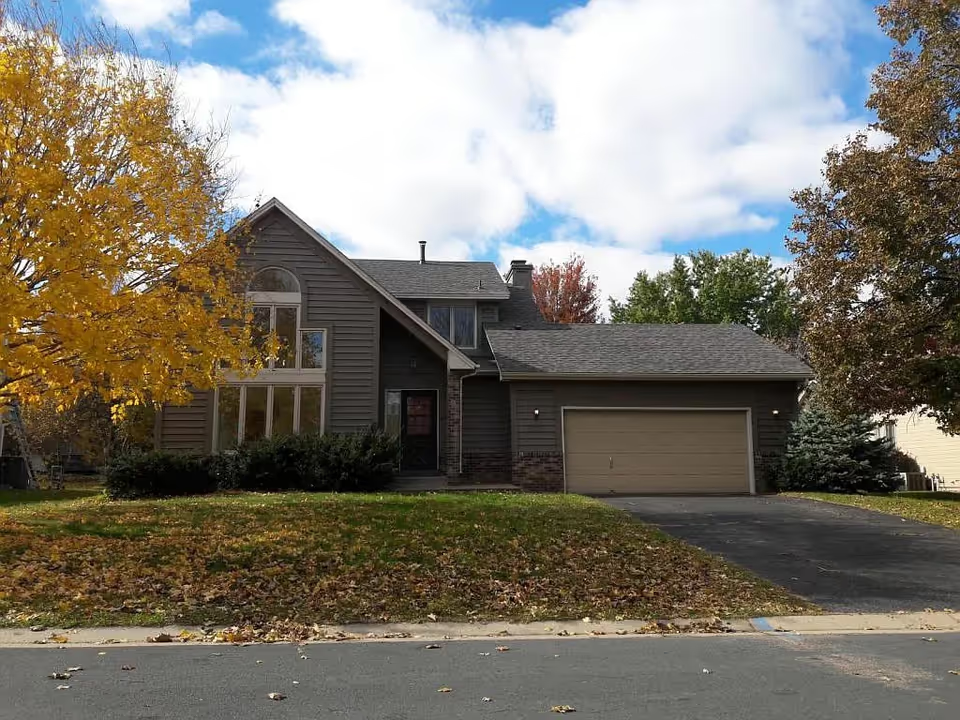
Facility condition and maintenance are variable across the campus. Several units and townhomes are described as spacious and recently updated; others are older and in need of repair. Maintenance responsiveness is praised in many instances, yet there are recurring comments about a backlog of repairs, delayed responses on some requests, grounds issues (potholes, lighting), and pest-control concerns in particular areas. Housekeeping consistency is another mixed area: common spaces are often kept clean and welcoming, while room-level cleaning and sanitation practices are described as uneven.
Management and administrative practices show both strengths and weaknesses. Some reviewers commend proactive, hands-on managers and transparent pricing structures; others describe communication shortfalls, denied admissions after deposit/payment, billing disputes, and slow follow-through on refunds and commitments. Staff turnover, schedule changes, and morale problems are reported to affect continuity of care in some parts of the operation.
Overall, Waterford offers many appealing features—varied housing types, social programs, dining, and a continuum of services—that suit residents who value community and amenities. However, recurring themes of understaffing, inconsistent clinical skill levels, variability in housekeeping and maintenance, and administrative communication issues indicate areas that warrant careful review by prospective residents and families. Visitors should observe staffing levels at different times of day, ask specific questions about clinical staffing ratios and training, clarify housekeeping and maintenance response protocols, confirm billing and refund policies, and discuss activity inclusion for residents with higher support needs.